Best Energy Efficient Appliances: Save Big, Live Green
July 30, 2026 14 min read 2,745 words
Upgrade your home with top-rated energy-saving appliances to dramatically cut costs and boost sustainability.
Find Your Savings
The Urgent Need for Energy Saving Appliances in Your Home
 Photo: Riki Risnandar / Pexels
In an era where environmental consciousness and financial prudence are paramount, the discussion around energy consumption within our homes has never been more critical. The appliances we rely on daily, from keeping our food fresh to washing our clothes, contribute significantly to our overall carbon footprint and, often more immediately felt, our monthly utility bills. For the average American household, appliances can account for a substantial portion of electricity usage, making the choice of energy-efficient models a powerful lever for change. This isn't just about being 'green'; it's about smart economics and sustainable living.
The U.S. Department of Energy consistently highlights the impact of household energy consumption. While heating and cooling often take the lion's share, appliances, lighting, and water heating collectively represent a significant slice of the energy pie. Older appliances, lacking modern technological advancements, are particularly notorious for their inefficiency. A refrigerator from the 1990s, for example, could consume more than double the energy of a new, ENERGY STAR certified model. This disparity translates directly into higher operating costs, year after year, quietly draining your finances. Beyond the financial implications, the environmental cost is equally compelling. Every kilowatt-hour saved reduces the demand on power plants, many of which still rely on fossil fuels, thereby cutting greenhouse gas emissions and mitigating climate change. Choosing
energy efficient solutions is a direct contribution to a healthier planet.
But what exactly constitutes an 'energy efficient' appliance? It's more than just a marketing buzzword. It refers to products designed to perform their intended function using significantly less energy than conventional models. This is achieved through innovations in compressor technology, insulation, motor design, heating elements, and smart controls. The federal government, through programs like ENERGY STAR, provides clear benchmarks and labeling systems to help consumers identify these superior products. These labels aren't just arbitrary; they are the result of rigorous testing and performance standards, ensuring that when you see that blue ENERGY STAR logo, you're looking at a product that genuinely delivers on its promise of energy savings. Investing in these appliances is not merely an expense; it's a strategic decision that pays dividends in lower utility bills, reduced environmental impact, and often, enhanced performance and longevity. It’s an investment in your home’s future and the planet’s well-being.
Decoding Energy Labels: Understanding ENERGY STAR and EnergyGuide
 Photo: Robert So / Pexels
Navigating the world of energy-efficient appliances can seem daunting with various labels and metrics. However, two primary tools simplify this process for consumers in the U.S.: the ENERGY STAR certification and the yellow EnergyGuide label. Understanding these will empower you to make informed decisions that genuinely impact your energy consumption and savings.
ENERGY STAR is a voluntary program of the U.S. Environmental Protection Agency (EPA) and the U.S. Department of Energy (DOE) that helps businesses and individuals save money and protect our climate through superior energy efficiency. When you see the blue ENERGY STAR label on an appliance, it signifies that the product meets strict energy efficiency guidelines set by these government agencies. This means it uses significantly less energy than conventional models, without compromising features or performance. The specific percentage of energy savings can vary by product category, but typically, ENERGY STAR certified appliances are among the most energy-efficient options available on the market. These certifications are not static; they are regularly updated to reflect advancements in technology, ensuring that the bar for efficiency is continuously raised. Choosing ENERGY STAR is often the simplest and most reliable way to identify top-tier energy savers.
Complementing the ENERGY STAR label is the yellow EnergyGuide label, which you'll find on most new appliances sold in the U.S. This label provides a wealth of specific information about an appliance's energy consumption. It typically includes: the estimated annual energy consumption in kilowatt-hours (kWh), the estimated annual operating cost (based on a national average electricity rate), and a comparison range showing the highest and lowest energy consumption for similar models. This allows you to directly compare the energy performance of different models side-by-side. While the ENERGY STAR label tells you *if* an appliance is highly efficient, the EnergyGuide label tells you *how* efficient it is and *how much* it's likely to cost you to operate annually. Together, these labels provide a comprehensive picture, enabling you to calculate potential savings and make a choice that aligns with both your budget and your environmental goals. Always look for both when shopping for
new home devices.
Top Categories for Best Energy Efficient Appliances
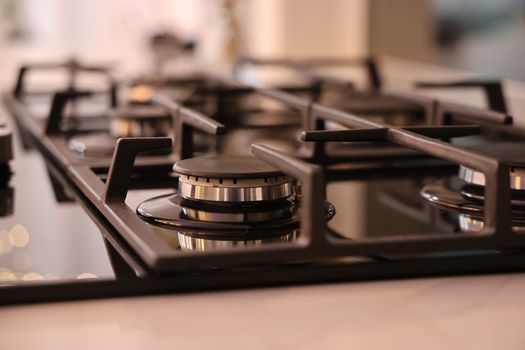 Photo: dp singh Bhullar / Pexels
When strategizing to reduce your home's energy consumption, focusing on specific appliance categories yields the most significant returns. Certain appliances are inherently more energy-intensive due to their function and frequency of use. Here, we delve into the top categories where investing in the best energy efficient appliances will make the most substantial difference.
**Refrigerators and Freezers:** These appliances run 24/7, making their energy efficiency paramount. Modern ENERGY STAR certified refrigerators use advanced insulation, more efficient compressors, and improved temperature control systems, consuming significantly less electricity than models from even a decade ago. Features like external ice and water dispensers, while convenient, can sometimes impact efficiency, so consider your priorities. Look for models with smart defrosting technology and precise temperature management. Side-by-side models often consume more energy than top-freezer or bottom-freezer configurations, so consider the layout that best suits your needs and efficiency goals. Replacing an old, inefficient refrigerator can be one of the quickest ways to see a noticeable drop in your electricity bill.
**Washing Machines and Dryers:** Laundry is a major energy drain. ENERGY STAR certified washing machines use about 25% less energy and 33% less water than conventional models. Front-load washers are generally more efficient than top-loaders, especially those without a central agitator, as they use less water and extract more water from clothes during the spin cycle, reducing drying time. For dryers, while gas dryers are inherently more efficient than electric ones, ENERGY STAR electric dryers incorporate advanced moisture sensors that automatically shut off when clothes are dry, preventing over-drying and saving energy. Heat pump dryers are an emerging technology that offers even greater efficiency by recirculating hot air, though they come with a higher upfront cost.
**Dishwashers:** Modern dishwashers are surprisingly efficient, often using less water than handwashing. ENERGY STAR certified dishwashers use advanced wash systems that clean dishes thoroughly with less hot water and energy. Look for models with soil sensors that adjust water and cycle length, and booster heaters that heat water only when needed. Air-dry options or heated-dry elimination can also contribute to substantial energy savings. Features like half-load cycles and eco-wash modes further enhance their efficiency, making them a smart choice for daily use. Selecting a
dishwasher that conserves water is also crucial for overall efficiency.
**Water Heaters:** The second-largest energy consumer in most homes, water heaters account for about 18% of household energy use. Tankless (on-demand) water heaters are a popular energy-efficient option as they only heat water when needed, eliminating standby energy losses. Heat pump water heaters (hybrid water heaters) are another excellent choice, using electricity to move heat from the air to the water, making them two to three times more efficient than conventional electric resistance water heaters. Solar water heaters, while requiring a larger initial investment and specific installation considerations, offer the most significant long-term energy savings by harnessing the sun's power. Even traditional tank water heaters have become more efficient with better insulation and smart controls. Choosing the right type depends on your household size, hot water demand, and climate.
**Ovens and Ranges:** While generally less impactful than the categories above, efficiency still matters. Induction cooktops are significantly more energy-efficient than traditional electric resistance or gas cooktops because they heat the cookware directly, reducing heat loss to the surroundings. Electric convection ovens are more efficient than conventional ovens as they circulate hot air, cooking food faster and at lower temperatures. Gas ovens and ranges have also seen efficiency improvements, particularly with electronic ignitions replacing standing pilot lights. When choosing an oven, consider features like self-cleaning modes that use less energy for cleaning, and proper insulation to minimize heat loss.
Smart Home Integration and Maintenance for Optimal Energy Savings
 Photo: Arturo Añez. / Pexels
Beyond selecting the best energy efficient appliances, integrating them into a smart home ecosystem and maintaining them properly can unlock even greater savings and convenience. Smart technology empowers you to monitor, control, and optimize your appliance usage, while diligent maintenance ensures they operate at peak efficiency for their entire lifespan.
**Smart Home Integration:** Many modern energy-efficient appliances come with smart features, allowing them to connect to your home Wi-Fi network and be controlled via smartphone apps or voice assistants. This connectivity offers several advantages for energy savings. Smart thermostats, for instance, can learn your schedule and preferences, automatically adjusting heating and cooling to optimize energy use. Smart refrigerators can alert you if the door is left ajar, minimizing energy waste. Smart washing machines and dishwashers can be programmed to run during off-peak electricity hours when rates are lower, or even communicate with your smart meter to automatically start when energy demand (and cost) is lowest. This level of granular control and automation helps to eliminate energy waste from human oversight and allows for strategic energy consumption. Furthermore, smart home energy monitors can provide real-time data on your appliance usage, helping you identify energy hogs and areas for further improvement. This data-driven approach transforms energy saving from a guessing game into a precise science, providing actionable insights to further reduce your utility bills and carbon footprint.
**Regular Maintenance is Key:** Even the most energy-efficient appliance will lose some of its efficiency over time if not properly maintained. For refrigerators, regularly clean the condenser coils to ensure efficient heat exchange; dusty coils force the compressor to work harder, consuming more energy. Check door seals for leaks by placing a dollar bill in the door and closing it – if you can pull the bill out easily, the seal needs attention. For washing machines, clean the detergent dispenser and lint trap regularly, and ensure the machine is level to prevent unnecessary vibrations that can wear down components. For dryers, cleaning the lint filter after every load is crucial for both efficiency and fire safety; accumulated lint restricts airflow, making the dryer work harder and longer. Dishwashers benefit from periodic cleaning of filters and spray arms to prevent mineral buildup and ensure effective cleaning with less water and energy. Water heaters require annual flushing to remove sediment buildup, which can reduce efficiency and shorten the unit's lifespan. By adhering to manufacturer-recommended maintenance schedules, you not only extend the life of your appliances but also ensure they continue to deliver the energy savings you invested in. This proactive approach to appliance care is a cornerstone of sustainable and cost-effective home management.
**Tips for Further Savings:** Beyond smart tech and maintenance, consider behavioral changes. Always run full loads in your dishwasher and washing machine. Use cold water for laundry whenever possible. Unplug 'vampire' appliances that draw power even when turned off (or use smart power strips). Utilize natural light and ventilation. These small habits, combined with efficient appliances, create a comprehensive strategy for maximum energy savings.
