Where to Buy Home Battery Storage: Your Ultimate Guide
where to buy home battery storage

Where to Buy Home Battery Storage: Your Ultimate Guide

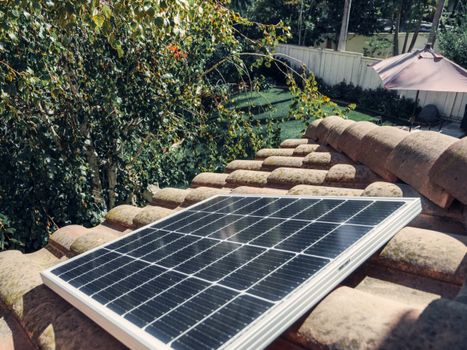
Close-up of a solar panel installed on a tiled roof, capturing clean energy.Photo: Kindel Media / Pexels

Where to Buy Home Battery Storage: Your Ultimate Guide

Unlock energy independence and savings by understanding the best places and methods to acquire a home battery system.

Find Your Battery Solution

Key Takeaways

  • ✓ The US home battery market is rapidly expanding, driven by solar adoption and grid instability.
  • ✓ Purchasing options range from direct manufacturers to full-service solar installers and online retailers.
  • ✓ Federal and state incentives can significantly reduce the upfront cost of home battery storage.
  • ✓ Proper sizing and professional installation are crucial for optimal performance and safety.

How It Works

1
Assess Your Energy Needs

Calculate your daily energy consumption and identify critical loads you want to power during outages. This determines the necessary battery capacity and power output.

2
Research Providers and Products

Explore various battery brands (e.g., Tesla Powerwall, Enphase, LG Chem) and reputable installers. Compare warranties, features, and customer reviews to narrow down your choices.

3
Obtain Quotes and Consultations

Contact multiple qualified installers for site assessments and detailed quotes. Discuss integration with existing solar, installation timelines, and financing options.

4
Secure Financing and Incentives

Explore federal tax credits (like the ITC), state rebates, and local programs that can offset costs. Finalize your purchase and schedule professional installation.

Understanding the Home Battery Storage Landscape in the US

The journey to finding where to buy home battery storage begins with understanding the market itself. The United States is experiencing a significant surge in demand for residential energy storage systems, primarily fueled by several key factors. Firstly, the increasing adoption of solar photovoltaic (PV) systems means more homeowners are looking to maximize their self-consumption of renewable energy, storing excess generation for use during the evening or on cloudy days. Secondly, growing concerns about grid reliability, exacerbated by extreme weather events and aging infrastructure, have made battery backup a compelling solution for maintaining power during outages. Lastly, evolving utility rate structures, such as time-of-use (TOU) tariffs, incentivize homeowners to store cheaper off-peak energy and use it during more expensive peak periods, leading to substantial savings. When you begin your search, you'll encounter a diverse ecosystem of products and providers. Major players like Tesla, Enphase, LG Energy Solution, SolarEdge, and Generac dominate the market with their integrated battery solutions. These systems vary in capacity, power output, chemistry (primarily lithium-ion variants), and smart energy management features. Some are designed specifically to pair with solar installations, forming a complete solar-plus-storage system, while others can be retrofitted to existing solar setups or even installed as standalone backup power sources, charged directly from the grid. Understanding your specific needs – whether it's maximizing solar self-consumption, providing whole-home backup, or simply offsetting peak utility charges – will dictate the type of system and provider you should seek. It's also crucial to be aware of regional variations. Different states and even local municipalities offer varying incentives and regulations that can impact the cost and viability of a home battery system. For instance, California, with its aggressive renewable energy goals and frequent public safety power shutoffs, has a highly developed market for home batteries and robust incentive programs like SGIP. Other states are catching up, but understanding the local landscape is key. This initial research phase is paramount, as it lays the groundwork for making an informed decision about your energy future. Don't rush this step; the more you understand about the technology and its applications, the better equipped you'll be to navigate the purchasing process and find a solution that perfectly aligns with your household's energy profile and financial goals. A well-informed decision here can lead to years of reliable, cost-effective energy independence.

Key Channels to Purchase Your Home Battery System

Once you've grasped the basics of home battery storage, the next step is identifying the most reliable and advantageous channels where to buy home battery storage. There are several primary avenues available to US consumers, each with its own benefits and considerations. Understanding these options will help you choose the path that best suits your comfort level, technical expertise, and desire for a comprehensive solution. **1. Solar Installers and Energy Solution Providers:** This is arguably the most common and recommended route, especially if you're integrating a battery with a new or existing solar PV system. Reputable solar installers often offer complete solar-plus-storage packages, handling everything from system design and permitting to installation and after-sales support. They typically partner with specific battery manufacturers, becoming certified installers for brands like Tesla Powerwall, Enphase Encharge, or LG Chem RESU. The advantage here is expertise: these companies specialize in renewable energy systems, understand the intricacies of grid interconnection, and are familiar with local regulations and incentive programs. They can perform a thorough energy audit, size your system correctly, and ensure seamless integration between your solar panels and battery. Their packages often include comprehensive warranties covering both the solar and battery components, simplifying future maintenance. **2. Direct from Manufacturers (with Certified Installers):** Some leading battery manufacturers, like Tesla, offer a more direct sales model. While you might initiate the purchase directly through their website, the actual installation will still be performed by a network of certified third-party installers or their own installation teams. This approach can sometimes streamline the process and ensure you're getting the latest product versions and manufacturer-backed support. However, it’s still crucial to vet the specific installer assigned to your project, as their quality of work will directly impact your system's performance and longevity. **3. Home Improvement Retailers and Online Marketplaces:** A growing number of large home improvement stores (e.g., Home Depot, Lowe's) and online marketplaces (e.g., Amazon, specialized energy product sites) are beginning to carry home battery storage solutions. These channels often cater to DIY enthusiasts or those looking for standalone backup power units rather than fully integrated solar solutions. While the initial purchase price might seem attractive, it's critical to remember that professional installation is almost always required for safe and effective operation, especially for grid-tied systems. These retailers typically sell the hardware, and you would then need to source a qualified electrician or installer independently. This option requires a higher degree of personal research and coordination, as you become responsible for ensuring compatibility, correct installation, and adherence to local electrical codes. For integrated systems, this channel is generally not recommended due to the complexity involved. **4. Utility Programs:** In some regions, local utility companies are offering their own home energy storage programs. These might involve incentives, financing options, or even direct installation services, often as part of demand response programs where the utility can draw power from your battery during peak demand periods (with your permission and often compensation). While these programs can offer unique benefits and simplified processes, they might come with specific terms and conditions regarding battery usage and ownership. It's always worth checking with your local utility to see if such programs are available in your area before committing to a purchase. Each of these channels offers distinct advantages, and your choice will ultimately depend on your specific needs, technical comfort, and desired level of support throughout the process.

Financing, Incentives, and What to Expect from Installation

The financial aspect is a significant consideration when deciding where to buy home battery storage. Fortunately, numerous incentives at federal, state, and even local levels can substantially reduce the upfront cost, making these systems more accessible. Understanding these financial levers is crucial for maximizing your return on investment. **Federal Solar Investment Tax Credit (ITC):** The most impactful incentive is the federal ITC, which currently offers a 30% tax credit for the cost of installing a new solar energy system, including qualified battery storage. Crucially, if your battery is charged at least 75% by solar power, the full cost of the battery can be included in the ITC calculation. This credit directly reduces your federal income tax liability, representing a significant saving. It's important to note that this is a tax credit, not a deduction, meaning it reduces the amount of tax you owe dollar-for-dollar. The ITC is scheduled to remain at 30% until 2032, gradually stepping down thereafter, making now an opportune time to invest. **State and Local Incentives:** Beyond the federal ITC, many states and local jurisdictions offer additional incentives. These can include: * **State Tax Credits or Rebates:** Programs like California's Self-Generation Incentive Program (SGIP) provide substantial rebates for battery storage, particularly for those in high-risk fire zones or low-income communities. Other states like New York, Massachusetts, and Maryland also have robust programs. * **Property Tax Exemptions:** Some areas exempt the added value of a solar-plus-storage system from property tax assessments. * **Sales Tax Exemptions:** A few states offer sales tax exemptions for renewable energy equipment. * **Performance-Based Incentives (PBIs):** These programs pay you for the energy your battery stores and discharges, often in conjunction with demand response programs. It is vital to research the specific incentives available in your zip code, as these can vary widely. A reputable installer will be knowledgeable about these programs and can help you navigate the application process, ensuring you claim all eligible savings. You can often find detailed information on state energy office websites or databases like DSIRE (Database of State Incentives for Renewables & Efficiency). **Financing Options:** If paying cash upfront isn't feasible, several financing options exist: * **Solar Loans:** Many lenders specialize in solar and battery financing, offering competitive interest rates and terms. * **Home Equity Loans/Lines of Credit (HELOCs):** These can be attractive due to lower interest rates, leveraging the equity in your home. * **Power Purchase Agreements (PPAs) or Leases:** While less common for standalone batteries, some solar companies offer these for combined solar-plus-storage systems. With a PPA, you pay a fixed rate per kWh for the energy produced, and with a lease, you pay a fixed monthly payment for the system. In both cases, the third party owns and maintains the system. **What to Expect from Installation:** Once you've chosen your system and secured financing, the installation process typically involves several stages. First, a site assessment will confirm the best location for your battery, considering factors like temperature, accessibility, and proximity to your electrical panel. Permitting is a critical step, as all grid-tied electrical work requires approval from local authorities. Your installer will handle this. The physical installation involves mounting the battery unit(s), connecting it to your home's electrical system (and solar inverter, if applicable), and integrating it with a smart energy management system. This process usually takes 1-3 days, depending on system complexity. After installation, a final inspection by local electrical authorities and your utility company is required before the system can be activated. Your installer will then commission the system, ensuring it's operating correctly and explaining its monitoring and control features. Choosing a certified and experienced installer is paramount to ensure safety, compliance, and optimal performance of your new energy storage solution. They will be your primary point of contact for any questions or issues that arise.

Avoiding Common Pitfalls When Buying Home Battery Storage

Navigating the process of where to buy home battery storage can be complex, and being aware of common pitfalls can save you time, money, and frustration. Here’s a breakdown of mistakes to avoid and tips for a smoother experience: * **Underestimating or Overestimating Your Needs:** A common mistake is not accurately assessing your energy consumption. An undersized battery won't provide adequate backup or savings, while an oversized one is an unnecessary expense. Work with an installer who conducts a thorough energy audit, analyzing your historical usage and identifying critical loads. Be realistic about what you want to power during an outage. * **Ignoring Local Regulations and Permitting:** Home battery installations are subject to strict electrical codes and often require permits from local building departments and approval from your utility for grid interconnection. Attempting a DIY installation or choosing an installer who bypasses these steps can lead to safety hazards, fines, and denial of grid connection. Always confirm your installer handles all necessary permitting and adheres to local codes. * **Focusing Solely on Price:** While cost is a significant factor, choosing the cheapest option can be a false economy. Inexpensive systems might come with shorter warranties, inferior components, or less robust customer support. Prioritize value, which includes product quality, warranty length (for both the battery and installation), installer reputation, and comprehensive service. Get multiple quotes and compare them not just on price, but on the entire package offered. * **Neglecting Warranty and After-Sales Support:** A home battery is a long-term investment. Ensure you understand the warranty terms for both the battery itself (typically 10-15 years, often with a throughput or cycle guarantee) and the installation workmanship. Ask about the installer’s policy for maintenance, troubleshooting, and repairs. A company with a strong track record of customer service will be invaluable down the line. * **Not Understanding Battery Chemistry and Features:** Not all batteries are created equal. While most residential systems use lithium-ion variants, there are differences in chemistry (e.g., NMC vs. LFP), efficiency, operating temperature ranges, and cycling capabilities. Also, consider smart features like blackout protection, time-of-use optimization, and seamless integration with existing smart home systems. Your chosen system should align with your specific energy goals. * **Skipping the Installer's Credentials:** Always verify the credentials of your chosen installer. Look for certifications (e.g., NABCEP for solar professionals), licenses, insurance, and positive reviews. Ask for references and check their standing with the Better Business Bureau. An experienced and reputable installer is crucial for a safe, efficient, and reliable system. * **Ignoring Future Expansion Potential:** Consider if you might want to expand your system in the future, perhaps by adding more solar panels or another battery module. Some systems are more modular and scalable than others. Planning for future needs can prevent costly reconfigurations later on. By carefully considering these points, you can make a more informed decision and ensure your home battery storage purchase is a successful and beneficial investment for your home.

Comparison

FeatureSolar Installer (Full Service)Direct from ManufacturerOnline Retailer/DIY
Expertise & Design✓ (Highly Specialized)✓ (Manufacturer-specific)✗ (Self-reliance needed)
Installation & Permitting✓ (All-inclusive)✓ (Via certified network)✗ (Requires independent sourcing)
Product RangeSpecific brands they partner withLimited to own brandWide, but often uncurated
Incentive Navigation✓ (Expert assistance)✓ (Some guidance)✗ (Requires self-research)
Integrated Solar Solutions✓ (Seamless)Often integratedRequires complex integration
After-Sales Support✓ (Local, comprehensive)✓ (Manufacturer-backed)✗ (Product warranty only)
Overall ConvenienceHighMedium-HighLow

What Our Readers Say

5 ★★★★★

"After researching where to buy home battery storage for months, we went with a local solar installer. They handled everything, from the permits to integrating our Tesla Powerwall with existing solar. Now we barely notice power outages!"

5 ★★★★★

"Our utility company's time-of-use rates were killing us. We found a great provider online that connected us with a certified LG Chem installer. The savings are real, and knowing we have backup is priceless."

5 ★★★★★

"We decided to buy direct from a well-known manufacturer's website. The process was smooth, and their recommended installer was fantastic. Our system has already kept our lights on through three storms this winter, a concrete result."

4 ★★★★☆

"Getting our home battery was a bit of a journey, but worthwhile. The initial quotes varied wildly, so taking the time to compare features and warranties was key. The system works great, though installation took a little longer than expected."

5 ★★★★★

"As someone concerned about hurricane season, reliable backup was a must. We used a general energy solutions provider who offered a customized Generac system. It's been incredibly reliable for our specific needs."

Frequently Asked Questions

What is the best type of battery for home energy storage?
For most residential applications, lithium-ion batteries (specifically lithium iron phosphate, or LFP) are considered the best due to their high energy density, long lifespan (cycle life), high efficiency, and safety. While lead-acid batteries are cheaper upfront, they have a shorter lifespan and lower efficiency, making lithium-ion a better long-term investment.
Is home battery storage worth the investment?
The value of home battery storage depends on your specific goals. It's highly beneficial for energy independence, reducing reliance on the grid, providing backup power during outages, and saving money on electricity bills through time-of-use optimization. With federal and state incentives, the return on investment can be significant, especially in areas with unstable grids or high electricity rates.
How do I size a home battery system for my needs?
Sizing involves calculating your average daily energy consumption (in kWh) and identifying the critical loads you want to power during an outage. A qualified installer will analyze your past electricity bills, discuss your backup priorities, and recommend a system with sufficient capacity (kWh) and power output (kW) to meet your requirements. It's a balance between cost and desired resilience.
How much does it cost to buy and install a home battery storage system?
The cost of a home battery storage system, including installation, typically ranges from $10,000 to $20,000 or more, depending on capacity, brand, and complexity. However, federal tax credits (30% ITC) and various state incentives can significantly reduce this price, often by thousands of dollars. It's crucial to factor in these savings when evaluating the total investment.
How does home battery storage compare to a traditional generator?
Home battery storage offers silent, emission-free operation, automatic transfer during outages, and the ability to integrate with solar panels for continuous recharging. Generators rely on fossil fuels, produce noise and emissions, and require manual refueling. While generators can offer higher power output for very large loads, batteries provide a cleaner, more convenient, and often more sustainable backup solution, especially when paired with solar.
Who should consider buying a home battery storage system?
Home battery storage is ideal for homeowners with solar panels looking to maximize self-consumption and energy independence, those living in areas prone to power outages (due to weather or grid instability), and individuals in regions with time-of-use electricity rates seeking to reduce peak-time energy costs. Anyone looking to reduce their carbon footprint and increase home energy resilience should consider it.
Are home battery systems safe?
Modern home battery systems, particularly lithium-ion, are designed with multiple safety features and undergo rigorous testing to meet industry standards. When installed by certified professionals according to local electrical codes, they are very safe. Proper ventilation, environmental conditions, and adherence to manufacturer guidelines are key to ensuring safe operation.
What are the future trends in home battery storage?
Future trends include increased energy density, lower costs, improved smart energy management systems with AI-driven optimization, and greater integration with virtual power plants (VPPs) where homeowners can sell excess stored energy back to the grid. We'll also see more diverse battery chemistries and modular, scalable designs becoming standard.

Finding where to buy home battery storage is a significant step towards a more resilient and sustainable home. By leveraging the right resources, understanding your options, and taking advantage of available incentives, you can confidently invest in a system that provides peace of mind and long-term energy savings. Start your journey today and empower your home with reliable energy.

Topics: where to buy home battery storageresidential battery systemssolar battery installershome energy storage solutionsbattery backup for home
Leo List
Brampton weed
Adultwork EstrelaBet Vai de Bet R7 Bet Betão Galera Bet Rainbet Bet9ja Shop SportyBet BetKing Sisal Loto Foot Hollywoodbets YesPlay Odibets RushBet Jugabet BetWarrior BetCity MSport betPawa Fortebet