Best Energy Efficient Appliances: Save Big, Live Green
best energy efficient appliances

Best Energy Efficient Appliances: Save Big, Live Green

Upgrade your home with top-rated energy-saving appliances and start enjoying significant savings and a greener lifestyle today.

Find Your Savings Now

Key Takeaways

  • ✓ Appliances account for roughly 13% of an average US household's energy consumption.
  • ✓ ENERGY STAR certified appliances can save hundreds to thousands of dollars over their lifetime.
  • ✓ Refrigerators and laundry machines are among the biggest energy users in homes.
  • ✓ Switching to energy-efficient models can reduce carbon emissions by thousands of pounds annually.

How It Works

1
Assess Your Current Usage

Identify which of your current appliances are the oldest or most frequently used. These are often the biggest energy hogs and offer the greatest potential for savings.

2
Research ENERGY STAR Ratings

Look for the blue ENERGY STAR label when shopping for new appliances. This certification indicates products meet strict energy efficiency guidelines set by the EPA.

3
Compare Total Ownership Costs

Consider not just the purchase price, but also the estimated annual operating costs over the appliance's lifespan. An initially more expensive energy-efficient model often pays for itself quickly.

4
Proper Installation & Maintenance

Ensure your new energy-efficient appliances are installed correctly and maintained according to manufacturer guidelines. This maximizes their efficiency and extends their lifespan, ensuring optimal savings.

Understanding Energy Efficiency in Appliances: A Deep Dive

Close-up of a warning sign for electrical hazards on a chain-link fence. Photo: Robert So / Pexels
In today's world, where both environmental consciousness and household budgets are under increasing scrutiny, understanding and investing in the best energy efficient appliances is more critical than ever. Energy efficiency in appliances refers to how effectively an appliance converts the energy it consumes into usable output, minimizing waste. This isn't just about reducing your carbon footprint; it's a direct path to significant savings on your utility bills. The average American household spends a substantial portion of its budget on electricity, and a significant chunk of that goes towards powering everyday appliances. Upgrading to energy-efficient models can drastically cut down these costs, freeing up funds for other priorities. The concept of energy efficiency has evolved considerably over the decades, driven by technological advancements and stricter regulatory standards. Organizations like the Environmental Protection Agency (EPA) and the Department of Energy (DOE) have played a pivotal role in establishing benchmarks and certifications, most notably the ENERGY STAR program. When you see the blue ENERGY STAR label on an appliance, it's a clear indicator that the product meets stringent energy efficiency criteria, consuming less energy than conventional models while delivering comparable or superior performance. This certification is crucial for consumers, as it simplifies the decision-making process and guarantees a certain level of efficiency. Beyond the label, deeper dives into specific appliance technologies reveal the innovations driving these savings. For instance, modern refrigerators often feature advanced insulation, variable-speed compressors, and precise temperature controls that minimize energy loss. Washing machines have transitioned from traditional agitators to high-efficiency (HE) impellers and front-loading designs, which use significantly less water and energy. Dishwashers now incorporate soil sensors and optimized spray patterns to clean dishes effectively with minimal resource consumption. Even smaller appliances like microwaves and coffee makers are being designed with 'standby power' reduction in mind, curbing the phantom load that can silently inflate your electricity bill. The benefits extend beyond individual savings. Widespread adoption of energy-efficient appliances contributes to a more sustainable energy grid, reduces the need for new power plants, and lessens reliance on fossil fuels. This collective effort has a profound positive impact on air quality and climate change mitigation. Moreover, many states and utility companies offer rebates and incentives for purchasing ENERGY STAR certified products, further sweetening the deal for environmentally conscious consumers. Understanding these underlying principles and the available technologies empowers you to make informed choices that benefit both your wallet and the planet. It’s an investment that pays dividends in both economic and ecological terms, positioning your home for a more sustainable future. The initial outlay for an energy-efficient appliance might sometimes be slightly higher, but the long-term savings on electricity and water bills often make it the more economical choice in the overall lifespan of the product. This holistic view of cost, performance, and environmental impact is what defines smart appliance purchasing in the 21st century. Smart energy choices begin with understanding the fundamental mechanisms behind efficiency.

Top Energy-Saving Appliances for Every Room

Close-up of a modern stainless steel gas stove top, ideal for contemporary kitchens and cooking environments. Photo: dp singh Bhullar / Pexels
When considering an upgrade to the best energy efficient appliances, it's helpful to break it down by room, as different areas of your home present unique opportunities for energy savings. The kitchen, often the heart of the home, is usually the biggest energy consumer due to appliances like refrigerators, dishwashers, and ovens. For refrigerators, look for models with the ENERGY STAR Most Efficient designation. These models often feature advanced insulation, highly efficient compressors, and smart defrosting cycles. Side-by-side or French-door models can be efficient, but their size and features can sometimes lead to higher energy consumption than top-freezer models, so compare the EnergyGuide label carefully. When it comes to dishwashers, seek out models with soil sensors that adjust water and cycle time, and those with unheated drying options. These can dramatically reduce energy use compared to older models that rely solely on heated drying. Induction cooktops are also gaining popularity for their efficiency, as they heat cookware directly rather than the entire cooktop surface, minimizing wasted heat. Moving to the laundry room, washers and dryers are notorious energy and water hogs. High-efficiency (HE) front-loading washing machines are a game-changer, using significantly less water and electricity than traditional top-loaders. They also spin clothes at much higher speeds, extracting more water and reducing the drying time required. For dryers, look for models with moisture sensors that automatically shut off when clothes are dry, preventing over-drying and unnecessary energy consumption. Heat pump dryers are the pinnacle of efficiency, recirculating hot air to dry clothes, similar to how a refrigerator works in reverse, and can use up to 60% less energy than conventional electric dryers. Beyond the kitchen and laundry, smaller appliances and systems also contribute to your overall energy footprint. For heating and cooling, which represent the largest portion of most household energy bills, consider ENERGY STAR certified air conditioners and furnaces. Smart thermostats are another excellent investment, allowing you to program temperature settings based on your schedule and even learn your preferences, optimizing energy use without sacrificing comfort. In terms of water heating, heat pump water heaters are incredibly efficient, using electricity to move heat from one place to another instead of generating heat directly. For lighting, the transition to LED bulbs is almost complete, but ensuring all your fixtures use LEDs can still yield substantial savings. Even home office equipment like computers and monitors can be energy-efficient; look for ENERGY STAR certified models that go into low-power sleep modes automatically. By strategically upgrading appliances in each area of your home, you can build a comprehensive strategy for energy reduction and long-term savings. Finally, don't overlook the potential for savings in your entertainment systems. Modern TVs, especially OLED and some LED models, are far more efficient than older plasma or CRT screens. Game consoles, while not primarily designed for efficiency, can still vary in their power consumption, so choosing a model with lower standby power or utilizing energy-saving modes can make a difference. Even smart plugs can turn 'dumb' appliances into smart, energy-saving ones by allowing you to remotely control power and eliminate phantom load. The cumulative effect of these upgrades across your entire home creates a powerful force for both financial savings and environmental stewardship.

Navigating Certifications and Features for Maximum Savings

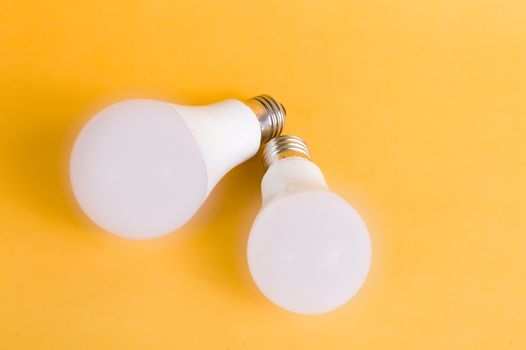
Close-up of a spiral compact fluorescent lamp with orange background, ideal for energy and lighting concepts. Photo: Diana ✨ / Pexels
When shopping for the best energy efficient appliances, understanding the various certifications and technical features is paramount. The most recognizable and impactful certification in the US is ENERGY STAR. This label, sponsored by the EPA and DOE, signifies that an appliance meets strict energy efficiency criteria, often using 10-50% less energy than conventional models. Within the ENERGY STAR program, some products earn the 'ENERGY STAR Most Efficient' designation. This annual recognition highlights the absolute top performers in energy efficiency, representing cutting-edge products that offer superior energy savings. Always prioritize products with this enhanced label if your budget allows, as they represent the peak of current efficiency technology. Beyond ENERGY STAR, you'll encounter the yellow EnergyGuide label on most major appliances. This label provides crucial information, including the estimated annual energy consumption in kWh and the estimated annual operating cost. It also shows a range of energy usage for similar models, allowing for direct comparisons. Pay close attention to the annual operating cost; this figure, combined with the purchase price, gives you a clearer picture of the total cost of ownership over the appliance's lifespan. A seemingly cheaper appliance might end up costing you more in electricity bills over its decade-long service. Delving into specific features, several technologies contribute significantly to efficiency. For refrigerators, look for features like advanced insulation (e.g., vacuum-insulated panels), variable-speed compressors that adjust cooling power based on demand, and smart defrost systems that only defrost when necessary. Door-in-door designs can also reduce energy loss by allowing quick access to frequently used items without opening the main compartment. For washing machines, key features include automatic load sensing (which adjusts water levels to the size of the load), cold water wash options (as heating water is a major energy drain), and high spin speeds that reduce drying time. Dishwashers benefit from soil sensors, eco-wash cycles, and unheated drying options. For ovens, self-cleaning features can be energy-intensive, so consider models with advanced insulation that reduce heat loss during cooking and cleaning cycles. Smart technology also plays an increasing role in energy efficiency. Many modern appliances, from thermostats to refrigerators, can connect to your home Wi-Fi and be controlled via smartphone apps. This allows for remote monitoring and scheduling, ensuring appliances only run when needed or during off-peak electricity hours where available. Some smart appliances can even integrate with home energy management systems, providing granular data on consumption and suggesting ways to optimize usage. While smart features add to the initial cost, their ability to fine-tune energy use can lead to additional savings over time. Before making a purchase, always consult online reviews, consumer reports, and manufacturer specifications to ensure the appliance not only meets your efficiency goals but also aligns with your performance expectations and household needs. Remember, the goal is not just to buy an efficient appliance, but to buy the right efficient appliance for your specific situation.

Common Mistakes and Smart Tips for Appliance Longevity & Efficiency

Close-up of an industrial HVAC unit outdoors, showcasing its metal texture. Photo: Jay Brand / Pexels
Even the best energy efficient appliances can underperform if not used and maintained correctly. Avoiding common mistakes and adopting smart usage habits can significantly boost their longevity and ensure you reap the maximum savings. **Common Mistakes to Avoid:** * **Overloading/Underloading Appliances:** For washing machines and dishwashers, consistently overloading or underloading can reduce efficiency. Overloading means the machine works harder, using more energy and water to achieve the same result, while underloading wastes resources by running a cycle for only a few items. Follow manufacturer guidelines for optimal load sizes. * **Ignoring Maintenance:** Skipping basic maintenance like cleaning refrigerator coils, replacing dryer lint filters, or descaling coffee makers allows dirt and mineral buildup to force appliances to work harder, consuming more energy. * **Leaving Doors Ajar:** Even a slight gap in your refrigerator or freezer door can lead to significant energy loss as the compressor constantly tries to maintain temperature. Ensure seals are tight and doors close completely. * **Using Hot Water Unnecessarily:** For laundry, hot water consumes far more energy than cold. Unless sanitization is required, opt for cold water cycles. Modern detergents are formulated to be effective in cold water. * **Not Utilizing Smart Features:** If you've invested in a smart, energy-efficient appliance, failing to connect it to Wi-Fi or use its scheduling/remote control features means you're missing out on potential savings and convenience. **Smart Tips for Maximizing Efficiency & Longevity:** * **Clean Refrigerator Coils Regularly:** Dust and debris on condenser coils force the compressor to work harder. Clean them every 6-12 months for optimal performance. * **Check Appliance Seals:** Regularly inspect the seals around refrigerator, freezer, and oven doors. If they're cracked or loose, replace them to prevent heat/cold loss. * **Use Full Loads for Washers/Dishwashers:** Maximize efficiency by running these appliances only when they are full. If you must run a partial load, use the appropriate setting if available. * **Air Dry Dishes:** If your dishwasher has an unheated drying option, use it. This can save a substantial amount of energy compared to heated drying cycles. * **Clean Dryer Lint Filter Every Load:** A clogged lint filter restricts airflow, making the dryer work harder and increasing the risk of fire. Clean it before or after every load. * **Install a Smart Thermostat:** Program it to adjust temperatures when you're away or asleep, and consider zoning if you have a larger home to only heat/cool occupied areas. * **Unplug 'Phantom Load' Devices:** Electronics like phone chargers, TVs, and computers still draw a small amount of power even when turned off or in standby mode. Use power strips with on/off switches or smart plugs to easily cut power. * **Monitor Energy Usage:** Some utility companies offer smart meters or online tools that allow you to track your energy consumption. This data can help identify energy hogs and areas for improvement. By combining smart purchasing with smart usage, you can ensure your energy-efficient appliances deliver on their promise of savings and environmental benefits for years to come.

Comparison

FeatureBest Option (Heat Pump Dryer)Alternative 1 (Condenser Dryer)Alternative 2 (Vented Dryer)
Energy Efficiency (kWh/cycle)0.5-0.71.5-2.02.5-4.0
Water Consumption (Gallons/cycle)0 (condenses water)0 (condenses water)0 (expels moisture)
Installation RequirementsStandard outlet, no ventStandard outlet, no ventRequires external vent
Drying TimeLonger (gentle)ModerateFast
Cost (Average)$1000-$1800$700-$1200$500-$900
Gentleness on Clothes✗ (can be harsh)
Noise LevelQuietModerateModerate
Environmental ImpactLowestMediumHighest

What Readers Say

"Our new ENERGY STAR refrigerator is a game-changer! Not only does it keep food fresher longer, but our electricity bill dropped noticeably within the first month. Investing in the best energy efficient appliances truly pays off."

Sarah J. · Austin, TX

"I replaced my old washer and dryer with high-efficiency models. The water savings alone are incredible, and the clothes come out cleaner. It's a smart decision for anyone looking to reduce their environmental impact."

Mark D. · Seattle, WA

"After installing a heat pump water heater, our monthly energy consumption for hot water plummeted by almost 50%. This was one of the best energy efficient appliances upgrades we've made, with immediate and tangible savings."

Emily R. · Denver, CO

"The new induction cooktop is fantastic for efficiency and speed, though it took some getting used to. While the initial cost was higher, I'm confident it will save us money on electricity in the long run, and it's certainly a step up in energy savings."

Robert L. · Boston, MA

"Upgrading our entire kitchen to ENERGY STAR certified appliances was a significant investment, but our home feels so much more modern and efficient. The quiet operation and reduced utility bills make it worth every penny, truly the best energy efficient appliances for our lifestyle."

Jessica M. · San Francisco, CA

Frequently Asked Questions

What does 'ENERGY STAR certified' actually mean for appliances?

ENERGY STAR certification signifies that an appliance meets strict energy efficiency guidelines set by the Environmental Protection Agency (EPA) and the Department of Energy (DOE). These products typically use 10-50% less energy than standard models, helping consumers save money on utility bills while reducing greenhouse gas emissions.

Are energy-efficient appliances more expensive upfront?

Often, yes, energy-efficient appliances can have a higher initial purchase price than their conventional counterparts. However, this higher cost is frequently offset by significant savings on utility bills over the appliance's lifespan, leading to a lower total cost of ownership. Many states and utilities also offer rebates and incentives that can reduce the upfront cost.

How can I tell how much energy an appliance uses?

In the US, most major appliances come with a yellow EnergyGuide label. This label provides the estimated annual energy consumption in kilowatt-hours (kWh) and the estimated annual operating cost, allowing you to easily compare the energy usage of different models before making a purchase.

What's the most cost-effective energy-efficient appliance to upgrade first?

The most cost-effective upgrade often depends on your current appliances' age and your household's biggest energy consumers. Generally, refrigerators (especially if older than 10-15 years), washing machines, and HVAC systems (furnace/AC) offer the most significant potential for savings due to their high energy consumption and frequent use. Heat pump water heaters are also excellent investments.

Do energy-efficient appliances sacrifice performance or features?

No, modern energy-efficient appliances are designed to deliver comparable or even superior performance and features compared to less efficient models. Advancements in technology allow them to perform tasks effectively while consuming less energy, meaning you don't have to compromise on convenience or results.

Who should prioritize investing in best energy efficient appliances?

Anyone looking to reduce their monthly utility bills, lower their carbon footprint, or replace an aging appliance should prioritize investing in the best energy efficient appliances. Homeowners in regions with high electricity costs or those aiming for a greener, more sustainable lifestyle will find them particularly beneficial. Businesses can also see significant operational savings.

Are there any safety concerns with newer energy-efficient appliance technologies?

No, energy-efficient appliances adhere to the same rigorous safety standards as conventional models. In fact, some technologies, like heat pump dryers, operate at lower temperatures, which can be gentler on clothes and potentially reduce fire risks associated with lint accumulation in traditional vented dryers. Always ensure professional installation for major appliances.

What are the future trends in energy-efficient appliances?

Future trends include even greater integration of smart technology for optimized energy management, advanced materials for better insulation and durability, and further reductions in standby power consumption. We can expect to see more heat pump technology across various appliances, increased use of renewable energy sources for appliance power, and more modular, repairable designs to extend product lifespans.

Ready to transform your home into an energy-saving haven? Explore the best energy efficient appliances available today and start enjoying lower utility bills, a reduced environmental impact, and a more comfortable living space. Make the smart choice for your wallet and the planet.

Topics: best energy efficient appliancesenergy saving applianceshome energy efficiencyappliance energy ratingsreduce utility bills
Leo List
Brampton weed
Adultwork EstrelaBet Vai de Bet R7 Bet Betão Galera Bet Rainbet Bet9ja Shop SportyBet BetKing Sisal Loto Foot Hollywoodbets YesPlay Odibets RushBet Jugabet BetWarrior BetCity MSport betPawa Fortebet