✓ Fossil fuels (coal, oil, natural gas) account for over 80% of global primary energy consumption.
✓ Burning fossil fuels releases greenhouse gases, primarily carbon dioxide, which trap heat in the atmosphere.
✓ Air pollution from fossil fuels contributes to millions of premature deaths annually worldwide.
✓ Extraction processes for fossil fuels can lead to habitat destruction, water contamination, and land degradation.
How It Works
1
Formation of Fossil Fuels
Over millions of years, ancient organic matter (plants and animals) was buried under layers of sediment and subjected to intense heat and pressure. This geological process transformed the organic material into coal, oil, and natural gas.
2
Extraction and Processing
These fuels are extracted from the earth through mining (coal), drilling (oil, gas), and hydraulic fracturing (fracking). They then undergo processing and refining to make them suitable for various uses, such as gasoline or electricity generation.
3
Combustion and Energy Release
When fossil fuels are burned (combusted) in power plants, vehicles, or industrial facilities, they release stored chemical energy. This energy is harnessed to generate electricity, power transportation, and drive industrial processes.
4
Emission of Greenhouse Gases
The combustion process also releases byproducts, most notably carbon dioxide (CO2), methane (CH4), and nitrous oxide (N2O), into the atmosphere. These are potent greenhouse gases that trap heat, leading to global warming and climate change.
The Atmospheric Burden: Greenhouse Gas Emissions and Climate Change
The most widely recognized and significant impact of fossil fuels on the environment is their contribution to climate change through the emission of greenhouse gases (GHGs). When coal, oil, and natural gas are combusted for energy, they release vast quantities of carbon dioxide (CO2), along with other GHGs like methane (CH4) and nitrous oxide (N2O). These gases accumulate in the Earth's atmosphere, forming a blanket that traps heat, a phenomenon known as the greenhouse effect. While a natural greenhouse effect is essential for life on Earth, the enhanced effect caused by human activities, primarily fossil fuel burning, leads to global warming. This warming trend has far-reaching consequences, including rising global temperatures, which in turn cause polar ice caps and glaciers to melt at an accelerated rate, contributing to rising sea levels. Coastal communities worldwide face increasing threats of inundation, erosion, and saltwater intrusion into freshwater sources.
Beyond sea-level rise, climate change manifests in more frequent and intense extreme weather events. We are witnessing an increase in severe heatwaves, prolonged droughts, devastating wildfires, and more powerful hurricanes and typhoons. These events not only cause immense economic damage but also lead to loss of life, displacement of populations, and significant disruptions to ecosystems and infrastructure. Agricultural systems are particularly vulnerable, with changing precipitation patterns and temperature extremes threatening food security. Marine ecosystems are also under severe stress; increased atmospheric CO2 is absorbed by oceans, leading to ocean acidification. This acidification impairs the ability of marine organisms, particularly corals and shellfish, to form shells and skeletons, disrupting entire food webs and threatening biodiversity. The intricate balance of Earth's climate system is being fundamentally altered, with cascading effects on every aspect of the environment and human society. Understanding these linkages is crucial as we navigate the imperative to transition away from fossil fuels. The long-term implications for biodiversity loss, human health, and geopolitical stability underscore the urgency of addressing this atmospheric burden. The global scientific consensus on the causal link between fossil fuel emissions and climate change is unequivocal, driving international efforts and policies aimed at decarbonization. The shift towards renewable energy sources is not merely an economic decision but an ecological imperative to mitigate these profound atmospheric changes and safeguard the planet for future generations. The sheer volume of CO2 released daily from fossil fuel combustion is staggering, illustrating the scale of the challenge.
Local and Regional Environmental Degradation from Extraction and Processing
The environmental impact of fossil fuels isn't confined to atmospheric changes; the processes of extraction, transportation, and processing themselves inflict significant local and regional degradation. Coal mining, particularly mountaintop removal, obliterates entire ecosystems, leading to permanent loss of biodiversity, soil erosion, and sedimentation of rivers and streams. The waste products, known as 'mine spoils,' often contain toxic heavy metals that can leach into groundwater and surface water, contaminating drinking water sources and harming aquatic life. Oil and natural gas extraction, whether onshore or offshore, also carries substantial risks. Onshore drilling can lead to habitat fragmentation, land subsidence, and the contamination of soil and water through spills, leaks, and the disposal of drilling fluids. Hydraulic fracturing, or 'fracking,' a technique used to extract natural gas from shale formations, requires vast amounts of water and chemicals. This process has been linked to groundwater contamination, induced seismicity (earthquakes), and the release of methane, a potent greenhouse gas, directly into the atmosphere during extraction and transport.
Offshore drilling operations pose the constant threat of catastrophic oil spills, like the Deepwater Horizon disaster, which devastate marine ecosystems, coastlines, and local economies for decades. Even routine operations can release pollutants into the ocean, affecting fish populations and other marine life. The transportation of fossil fuels, whether by pipelines, tankers, or rail, introduces further environmental hazards. Pipeline ruptures and train derailments can lead to large-scale spills, contaminating land and water, often in remote or ecologically sensitive areas. The infrastructure required for extraction and transport, including roads, pipelines, and processing plants, also contributes to habitat destruction and fragmentation, disrupting wildlife corridors and increasing human-wildlife conflict. Refinery operations, where crude oil is processed into usable products, are major sources of air pollution, releasing volatile organic compounds (VOCs), sulfur dioxide, and particulate matter that contribute to smog and respiratory illnesses in nearby communities. These localized impacts disproportionately affect marginalized communities, which are often situated near extraction sites and processing facilities, highlighting environmental justice concerns. The cumulative effect of these activities is a pervasive degradation of land, water, and air quality, undermining ecosystem services and human well-being. Mitigating these impacts requires stringent regulations, advanced technologies, and a fundamental shift away from these destructive practices.
Air and Water Pollution: Direct Health and Ecological Consequences
Beyond greenhouse gas emissions, the combustion of fossil fuels is a primary driver of conventional air and water pollution, which has immediate and severe consequences for human health and ecological systems. When fossil fuels are burned, they release a cocktail of pollutants into the atmosphere, including particulate matter (PM2.5), sulfur dioxide (SO2), nitrogen oxides (NOx), carbon monoxide (CO), and volatile organic compounds (VOCs). Particulate matter, tiny airborne particles, can penetrate deep into the lungs and bloodstream, leading to respiratory illnesses like asthma, bronchitis, and emphysema, as well as cardiovascular diseases, strokes, and even premature death. The World Health Organization estimates that air pollution, much of it from fossil fuel combustion, is responsible for millions of premature deaths globally each year. Sulfur dioxide and nitrogen oxides are precursors to acid rain, which acidifies lakes and forests, damages buildings and infrastructure, and impairs agricultural productivity. These pollutants also contribute to ground-level ozone, a major component of smog, which irritates the respiratory system and damages crops and vegetation.
Water pollution from fossil fuel activities is equally concerning. Acid rain, as mentioned, directly impacts freshwater ecosystems by increasing acidity, making them uninhabitable for many species of fish and aquatic insects. Runoff from coal mining sites often carries heavy metals and acidic compounds into rivers and streams, poisoning aquatic life and rendering water unsafe for human consumption or recreation. Oil spills, whether from offshore drilling, tanker accidents, or pipeline leaks, have devastating immediate and long-term effects on marine and coastal environments. Oil coats shorelines, wetlands, and marine organisms, suffocating wildlife, destroying habitats, and disrupting delicate food webs. The toxic components of oil can persist in the environment for years, continuing to harm ecosystems and impacting fisheries and tourism-dependent economies. Furthermore, the immense volumes of 'produced water' — wastewater generated during oil and gas extraction — often contain salts, heavy metals, and naturally occurring radioactive materials. Improper disposal of this water can contaminate surface and groundwater resources, posing risks to both ecosystems and human health. The comprehensive nature of air and water pollution from fossil fuels underscores the broad environmental and public health crisis they represent. Addressing these pollutants requires not just advanced emission controls but a fundamental reimagining of our energy infrastructure to prioritize cleaner alternatives. Investing in renewable energy technologies is a direct pathway to reducing these harmful emissions and protecting public health and natural resources.
Mitigating the Impact: Strategies and Challenges for a Sustainable Future
Addressing the profound impact of fossil fuels on the environment requires a multifaceted approach, combining technological innovation, policy changes, and societal shifts. The most crucial strategy is a rapid and comprehensive transition to renewable energy sources. This involves scaling up solar, wind, hydro, geothermal, and other clean energy technologies to replace fossil fuel-based electricity generation. Governments can accelerate this transition through incentives, subsidies for renewable energy development, and carbon pricing mechanisms that make fossil fuels more expensive. Investment in energy efficiency measures across all sectors—residential, commercial, and industrial—is also vital, as reducing overall energy demand lessens the pressure to extract and burn fossil fuels.
Here are key strategies and challenges:
* **Decarbonization of Electricity Grids:** Shifting away from coal and natural gas power plants to renewables is paramount. Challenges include grid modernization, energy storage solutions (batteries), and ensuring grid stability with intermittent renewable sources.
* **Electrification of Transportation:** Replacing internal combustion engine vehicles with electric vehicles (EVs) powered by renewable electricity is critical. This requires extensive charging infrastructure and manufacturing capacity for EVs and batteries.
* **Industrial Process Optimization:** Industries that rely heavily on fossil fuels need to adopt cleaner technologies, such as carbon capture and storage (CCS) for unavoidable emissions, or transition to green hydrogen and electrification where possible. The high cost and energy intensity of some industrial processes present significant challenges.
* **Energy Efficiency and Conservation:** Implementing stricter building codes, promoting energy-efficient appliances, and encouraging behavioral changes can significantly reduce energy consumption. Public awareness and education campaigns are essential here.
* **Policy and Regulation:** Strong government policies, including renewable energy mandates, carbon taxes, emissions trading schemes, and regulations on methane leaks from oil and gas operations, are crucial drivers for change. International cooperation is also vital for global climate action.
* **Technological Innovation:** Continued research and development in areas like advanced battery storage, next-generation renewables, sustainable aviation fuels, and direct air capture technologies are necessary to overcome current limitations and accelerate the transition.
However, significant challenges remain. The economic reliance on fossil fuels, particularly in producer nations, creates political resistance to change. The sheer scale of infrastructure replacement required is enormous, demanding massive capital investment. Furthermore, ensuring a 'just transition' that supports workers and communities currently dependent on the fossil fuel industry is essential to avoid social disruption. Addressing energy poverty in developing nations while simultaneously decarbonizing their energy systems presents another complex challenge. Overcoming these hurdles requires unprecedented global collaboration, sustained political will, and a collective commitment to a sustainable future.
Comparison
Feature
Fossil Fuels (Coal/Oil/Gas)
Solar Energy
Wind Energy
Nuclear Energy
Greenhouse Gas Emissions
Very High
Zero (during operation)
Zero (during operation)
Zero (during operation)
Air Pollutants (PM, SOx, NOx)
High
None (during operation)
None (during operation)
None (during operation)
Resource Availability
Finite, depleting
Abundant (sunlight)
Abundant (wind)
Finite (uranium), but long-lasting
Land Use Impact
High (extraction, mining, spills)
Moderate (solar farms)
Moderate (wind farms)
Low (per GW, but waste storage)
Water Use Intensity
High (cooling, fracking)
Low to Moderate (cooling, cleaning)
Very Low
High (cooling)
Energy Density
Very High
Moderate (intermittent)
Moderate (intermittent)
Extremely High
Waste Products
CO2, ash, toxic sludge
Recyclable panels (end-of-life)
Recyclable blades (end-of-life)
Radioactive waste (long-term storage)
What Our Readers Say
5★★★★★
"This article provided a comprehensive and alarming overview of the impact of fossil fuels on the environment. It clearly articulated the scientific basis for climate change and the direct health consequences of pollution, making it essential reading for anyone concerned about our planet."
Dr. Elena RodriguezBoston, MA
5★★★★★
"As an environmental policy analyst, I found the depth of detail on both atmospheric and localized impacts incredibly valuable. The breakdown of challenges in transitioning away from fossil fuels was particularly insightful, highlighting the complexity of the issue."
Mark JenkinsDenver, CO
5★★★★★
"Reading this, I gained a much clearer understanding of how my energy choices contribute to global issues. The comparison table was a brilliant addition, helping me visualize the alternatives more effectively. Truly an eye-opener."
Sarah ChenPortland, OR
4★★★★☆
"While the article is very thorough on the negative impacts, I would have appreciated a bit more discussion on the economic realities of fossil fuel industries and the pace of innovation within them to reduce emissions. Still, an excellent resource overall."
David LeeHouston, TX
5★★★★★
"Living in a coastal city, the sections on rising sea levels and extreme weather resonated deeply. This article provides the factual basis needed to advocate for stronger environmental protections and a faster shift to sustainable energy."
Aisha KhanMiami, FL
Frequently Asked Questions
What are the primary environmental impacts of burning fossil fuels?
The primary impacts include the emission of greenhouse gases like carbon dioxide, leading to climate change and global warming; the release of air pollutants such as particulate matter and sulfur dioxide, causing respiratory illnesses and acid rain; and localized environmental degradation from extraction and processing, like habitat destruction and water contamination.
Is natural gas better for the environment than coal or oil?
While natural gas burns cleaner than coal and oil in terms of conventional air pollutants like sulfur dioxide and particulate matter, it is still a fossil fuel. Its extraction and combustion release methane, a potent greenhouse gas, and carbon dioxide, contributing significantly to climate change. It is often considered a 'bridge fuel' but not a long-term sustainable solution.
How can individuals reduce their personal impact related to fossil fuels?
Individuals can reduce their impact by conserving energy at home (better insulation, efficient appliances), choosing public transportation, biking, or walking instead of driving, opting for electric vehicles, supporting renewable energy providers, reducing consumption, and advocating for climate-friendly policies.
What are the economic costs associated with the environmental impact of fossil fuels?
The economic costs are vast and include healthcare expenses from air pollution-related illnesses, damages from extreme weather events (storms, floods, wildfires), agricultural losses due to changing climate patterns, loss of biodiversity, and costs associated with environmental cleanup and restoration after spills or contamination events. These are often referred to as 'externalities' not factored into the price of fossil fuels.
How do renewable energy sources compare to fossil fuels in terms of environmental impact?
Renewable energy sources like solar and wind have significantly lower environmental impacts than fossil fuels. They produce little to no greenhouse gas emissions or air pollutants during operation. While they have some environmental footprint during manufacturing and installation, this is generally far outweighed by the long-term benefits of clean energy generation and their inexhaustible nature.
Who is most affected by the environmental impact of fossil fuels?
Everyone is affected by climate change, but certain groups bear a disproportionate burden. Communities living near extraction sites, refineries, or power plants often experience higher rates of respiratory illnesses due to local air and water pollution. Developing nations and vulnerable populations are often most susceptible to the impacts of extreme weather events and sea-level rise.
Are there any safe ways to use fossil fuels without environmental harm?
No, there are no truly 'safe' ways to use fossil fuels without environmental harm. While technologies like carbon capture and storage (CCS) aim to mitigate emissions, they are expensive, energy-intensive, and not yet deployed at scale to address the magnitude of the problem. The extraction and processing stages inherently carry environmental risks regardless of end-use mitigation.
What is the future trend for fossil fuel consumption and its environmental impact?
The trend is towards decreasing reliance on fossil fuels, driven by global climate goals and the increasing competitiveness of renewable energy. However, significant challenges remain, and the pace of transition will determine the severity of future environmental impacts. Continued investment in clean energy and strong policy frameworks are crucial to accelerate this necessary shift.
Understanding the profound impact of fossil fuels on our environment is the first step towards meaningful change. Explore sustainable alternatives and advocate for policies that protect our planet for generations to come. Your actions, big or small, contribute to a cleaner, healthier future.

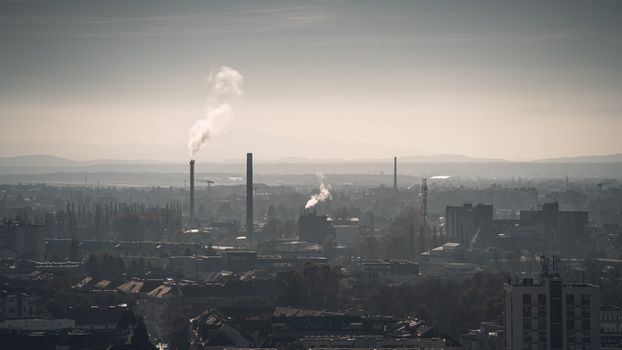 Photo: Usame Dzinovic / Pexels