The Future of Energy Production: Powering Tomorrow's World
future of energy production

The Future of Energy Production: Powering Tomorrow's World

Discover how groundbreaking technologies and strategic shifts are transforming global energy, ensuring a sustainable and resilient future.

Explore the Future

Key Takeaways

  • ✓ Renewable energy sources are projected to dominate new electricity generation capacity globally.
  • ✓ Energy storage, particularly battery technology, is crucial for grid stability and renewable integration.
  • ✓ Nuclear energy, including small modular reactors (SMRs), is experiencing a resurgence as a low-carbon option.
  • ✓ Smart grids and digitalization are essential for optimizing energy distribution and consumption.

How It Works

1
Decarbonization Imperative

Global climate goals necessitate a rapid shift away from fossil fuels. This drives investment and innovation in clean energy technologies across all sectors.

2
Technology Advancements

Breakthroughs in solar efficiency, wind turbine design, battery chemistry, and advanced nuclear fission are making clean energy more viable and cost-effective than ever before.

3
Grid Modernization

Existing energy infrastructure is being upgraded with smart technologies, AI, and IoT to manage diverse energy sources, improve reliability, and enable bidirectional power flow.

4
Policy & Investment

Government policies, carbon pricing, and private sector investments are accelerating the transition, creating economic incentives for sustainable energy projects and research.

The Rise of Renewable Energy Sources and Storage Solutions
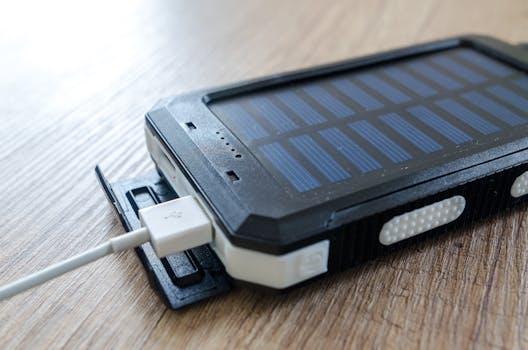
A close-up of a solar charger with a USB connection on a wooden surface, showcasing modern technology. Photo: Lukas Blazek / Pexels
The landscape of energy production is undergoing a profound transformation, with renewable energy sources taking center stage. Solar photovoltaics (PV) and wind power, once niche technologies, are now mainstream and increasingly cost-competitive with traditional fossil fuels. The dramatic reduction in the levelized cost of electricity (LCOE) for solar and wind over the past decade has made them the preferred choice for new power generation capacity in many regions, including the United States. This trend is not merely about environmental concerns; it's a fundamental economic shift. Advances in material science, manufacturing processes, and installation techniques continue to drive down costs while simultaneously improving efficiency and reliability. For instance, bifacial solar panels, which capture sunlight from both sides, are becoming more common, boosting energy yield. Similarly, larger, more efficient wind turbines are being deployed both onshore and offshore, harnessing stronger and more consistent winds. However, the intermittent nature of solar and wind power – they only generate electricity when the sun shines or the wind blows – necessitates robust energy storage solutions. This is where battery technology, particularly lithium-ion batteries, plays a pivotal role. The scaling of electric vehicle production has driven down battery costs significantly, making grid-scale energy storage economically viable. Large battery arrays are now being deployed to store excess renewable energy and discharge it during periods of high demand or low renewable output, effectively firming up the grid. Beyond lithium-ion, research into next-generation battery chemistries (e.g., solid-state, flow batteries) and alternative storage methods like pumped-hydro, compressed air, and even thermal storage, is accelerating. These diverse storage options are critical for achieving a high penetration of renewables and ensuring grid stability. The integration of these advanced storage systems with smart grid technologies will be instrumental in optimizing energy flow and reducing waste. Understanding these storage innovations is key to comprehending the full potential of renewable energy. This synergy between generation and storage is defining the future of energy production.

Nuclear Energy's Resurgence: Small Modular Reactors and Advanced Designs
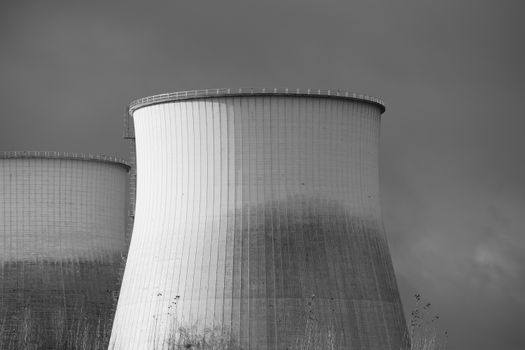
Elegant black and white depiction of cooling towers at a nuclear power station, symbolizing energy and industry. Photo: Budget Bizar / Pexels
While renewables capture much of the headlines, nuclear energy is experiencing a significant resurgence, positioned as a vital component in the future of energy production, especially for achieving deep decarbonization goals. Traditional large-scale nuclear power plants have faced challenges related to high upfront costs, long construction times, and public perception concerns. However, a new generation of nuclear technology, particularly Small Modular Reactors (SMRs) and advanced nuclear designs, is addressing many of these issues. SMRs are designed to be factory-fabricated, transportable, and installed on site, offering significant advantages in terms of cost predictability, shorter construction schedules, and enhanced safety features. Their modular nature allows for scalable deployment, meaning communities can add capacity as needed, rather than committing to multi-gigawatt projects from the outset. This flexibility makes them attractive for replacing retiring fossil fuel plants, providing baseload power, or even for industrial applications requiring high-temperature process heat. Beyond SMRs, advanced reactor concepts are also under development, exploring different coolants (e.g., molten salt, gas), fuel cycles, and safety mechanisms. These include molten salt reactors (MSRs), high-temperature gas reactors (HTGRs), and fast neutron reactors. Many of these advanced designs promise even greater fuel efficiency, reduced waste volume, and inherent safety characteristics that prevent meltdowns. For example, some MSR designs are capable of 'burning' nuclear waste from conventional reactors, reducing the long-term storage burden. The U.S. government, alongside private companies, is investing heavily in the research, development, and demonstration of these advanced nuclear technologies, recognizing their potential to provide reliable, carbon-free electricity 24/7. This renewed focus on nuclear, coupled with advancements in renewable energy, paints a comprehensive picture of a future energy mix that is both diverse and resilient, offering a stable backbone for an increasingly electrified society. These innovations are crucial for bridging the gap to a fully sustainable energy future.

The Role of Smart Grids, Digitalization, and Distributed Energy Resources
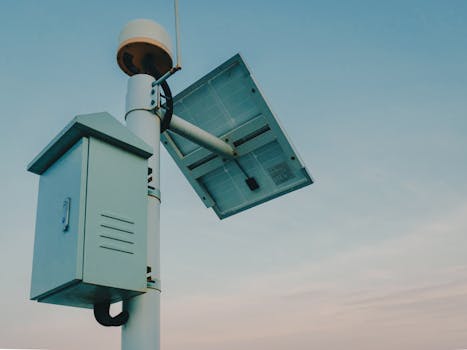
A solar panel paired with a security camera against a clear sky, representing renewable technology. Photo: Matthew Jesús / Pexels
The transformation of energy production isn't just about how we generate electricity; it's equally about how we manage and distribute it. This is where smart grids, digitalization, and distributed energy resources (DERs) become indispensable elements of the future energy landscape. A smart grid is an electricity network that uses digital communication technology to detect and react to local changes in usage and supply. It integrates advanced metering infrastructure (AMI), sensors, automation, and sophisticated software to monitor, control, and optimize energy flow in real-time. This level of digitalization allows for much more efficient management of a diverse energy portfolio, including intermittent renewables and bidirectional power flows from DERs. Distributed Energy Resources encompass smaller-scale power generation or storage technologies located close to the point of consumption. This includes rooftop solar panels, electric vehicle charging stations, battery storage systems in homes and businesses, and even smart appliances that can respond to grid signals. Instead of a one-way flow of electricity from large central power plants, DERs enable a more decentralized, two-way system where consumers can also become producers (prosumers). Smart grids are essential for orchestrating this complex dance of supply and demand, ensuring grid stability, preventing overloads, and facilitating optimal energy trading. Artificial intelligence and machine learning algorithms are being deployed to predict energy demand, optimize dispatch of generation and storage, and even detect potential anomalies or cyber threats within the grid. The development of microgrids – localized energy grids that can operate independently from the main grid – further enhances resilience, particularly in the face of extreme weather events or cyberattacks. These innovations are not just about efficiency; they are about creating a more robust, flexible, and responsive energy system capable of handling the complexities of modern energy demands. Understanding smart grid technology is crucial for grasping how the future of energy production will actually function on a daily basis.

Overcoming Challenges and Preparing for the Transition
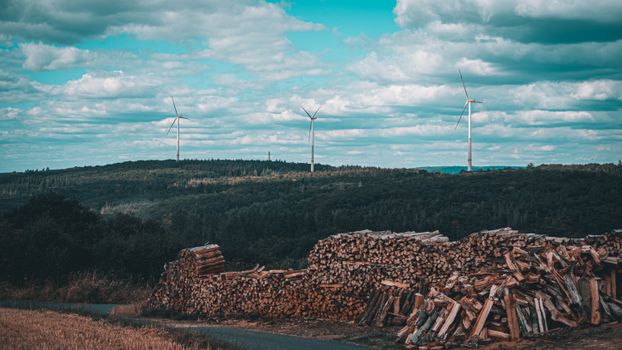
Wind turbines on a hill with stacked logs in the foreground under a cloudy sky. Photo: Volker Thimm / Pexels
While the path to a sustainable energy future is clearer than ever, significant challenges remain. One of the primary hurdles is the sheer scale of investment required to transition from a fossil-fuel-dominated system to a predominantly clean energy one. This involves not only building new infrastructure but also decommissioning old assets and retraining the workforce. Another critical challenge is grid modernization. Many existing electricity grids were designed for centralized, one-way power flow and are not yet equipped to handle the variability of renewables or the complexity of distributed energy resources. Cybersecurity also emerges as a paramount concern; as grids become more digitalized and interconnected, they become more vulnerable to cyberattacks, necessitating robust defense mechanisms. Public perception and policy consistency are also key. Gaining public acceptance for new energy projects, whether large-scale solar farms, wind parks, or nuclear reactors, is crucial. Moreover, stable, long-term government policies and incentives are essential to provide the certainty needed for private sector investment. Without clear regulatory frameworks and consistent support, the pace of transition can be significantly slowed. Finally, the intermittency of renewables, while mitigated by storage, still presents operational challenges that require sophisticated forecasting and grid management techniques. **Key Steps for a Successful Transition:** * **Invest in R&D:** Continue funding research into breakthrough energy technologies and storage solutions. * **Modernize Infrastructure:** Upgrade and digitize existing grid infrastructure to support a diverse energy mix. * **Policy & Regulation:** Implement consistent, long-term policies that incentivize clean energy deployment and innovation. * **Workforce Development:** Retrain and upskill the workforce to meet the demands of a new energy economy. * **International Collaboration:** Foster global partnerships to accelerate technology transfer and share best practices. * **Public Engagement:** Educate and involve communities in the energy transition to build trust and support.

Comparison

FeatureRenewables (Solar/Wind)Nuclear (SMRs)Natural Gas (CCGT)
Carbon EmissionsVery LowVery LowMedium
Fuel Cost VolatilityLow (after setup)Low (stable)High (market dependent)
IntermittencyHigh (requires storage)None (baseload)None (dispatchable)
Construction TimeShort-MediumMedium-LongShort-Medium
Land FootprintMedium-HighLowMedium
Energy SecurityHigh (domestic)High (domestic)Medium (import reliance)

What Readers Say

"This article clarified so much about the future of energy production. I always thought it was just about solar panels, but the insights into smart grids and advanced nuclear are truly eye-opening for what's coming."

Alex P. · Austin, TX

"As an environmental consultant, staying ahead on energy trends is vital. This piece provided a comprehensive and well-researched overview, especially on the integration of storage with renewables."

Maria G. · Seattle, WA

"I was skeptical about nuclear, but the explanation of SMRs here really changed my perspective. It's clear that a diverse energy mix is the pragmatic path forward for the future of energy production."

Ben C. · Denver, CO

"Excellent depth, though I wish there was a bit more on geothermal energy's potential. Still, the breakdown of challenges and solutions for the future of energy production was incredibly helpful."

Sarah L. · Boston, MA

"The focus on distributed energy resources and how they interact with smart grids resonated with my work in urban planning. It's exciting to see how cities can become active participants in the future of energy production."

David K. · San Francisco, CA

Frequently Asked Questions

What are the primary drivers shaping the future of energy production?

The future of energy production is primarily driven by the urgent need for decarbonization to combat climate change, rapid advancements in renewable energy technologies and energy storage, and the increasing demand for resilient and decentralized energy systems. Policy support and private investment also play crucial roles in accelerating this transition.

Is nuclear energy truly a part of the sustainable energy future?

Yes, nuclear energy, particularly through Small Modular Reactors (SMRs) and advanced reactor designs, is increasingly recognized as a vital component of a sustainable energy future. It offers reliable, 24/7 carbon-free power, complementing intermittent renewables and helping achieve deep decarbonization targets without contributing to air pollution.

How will smart grids impact my energy consumption?

Smart grids will significantly impact your energy consumption by enabling more efficient energy management. They allow for real-time monitoring of usage, dynamic pricing, and the integration of smart appliances that can automatically adjust consumption based on grid conditions. This can lead to lower energy bills, increased reliability, and greater participation in energy markets as a 'prosumer'.

What is the cost implication of transitioning to new energy production methods?

The transition to new energy production methods involves substantial upfront investment but promises long-term economic and environmental benefits. While initial costs for infrastructure upgrades and new plant construction can be high, the decreasing costs of renewables and storage, coupled with avoided costs from fossil fuels (e.g., fuel price volatility, carbon emissions), suggest a positive net economic outcome over time.

How do renewable energy sources compare to traditional fossil fuels in terms of reliability?

Traditional fossil fuels offer dispatchable, on-demand power, while renewables like solar and wind are intermittent. However, advancements in energy storage (e.g., batteries), smart grid technologies, and the diversification of renewable sources (e.g., hydro, geothermal, biomass) are significantly improving the reliability and stability of renewable-dominated grids, often surpassing traditional systems in resilience.

Who benefits most from the changes in the future of energy production?

Ultimately, everyone benefits from the changes in the future of energy production through a more sustainable planet, cleaner air, and enhanced energy security. Consumers benefit from potentially lower, more stable energy prices and increased grid resilience. Businesses and industries gain access to cleaner, more reliable power, supporting economic growth and innovation.

Are there any risks associated with the rapid expansion of renewable energy?

While highly beneficial, rapid renewable expansion carries risks such as grid instability due to intermittency, the need for extensive land use for large-scale projects, and supply chain dependencies for critical materials. However, ongoing research and development in energy storage, smart grid technologies, and sustainable resource management are actively addressing these challenges.

What emerging technologies are expected to play a significant role in the next decade?

In the next decade, key emerging technologies shaping the future of energy production include advanced battery chemistries (e.g., solid-state, flow batteries), hydrogen production via electrolysis (green hydrogen), carbon capture, utilization, and storage (CCUS), advanced geothermal systems, and further development of fusion energy research. These will complement and enhance existing renewable and nuclear solutions.

The future of energy production is dynamic, innovative, and essential for a sustainable world. By understanding these shifts and embracing new technologies, we can collectively build a more resilient, cleaner, and prosperous energy future for generations to come.

Topics: future of energy productionrenewable energy trendssustainable energy solutionsenergy storage innovationssmart grids
Leo List
Brampton weed
Adultwork EstrelaBet Vai de Bet R7 Bet Betão Galera Bet Rainbet Bet9ja Shop SportyBet BetKing Sisal Loto Foot Hollywoodbets YesPlay Odibets RushBet Jugabet BetWarrior BetCity MSport betPawa Fortebet