✓ Wind power is a clean, renewable energy source that produces no greenhouse gas emissions during operation.
✓ The U.S. wind industry supports hundreds of thousands of jobs across manufacturing, construction, and operations.
✓ Wind energy helps stabilize electricity prices by reducing reliance on volatile fossil fuel markets.
✓ Technological advancements have significantly reduced the cost of wind power, making it one of the most competitive energy sources.
How It Works
1
Wind Capture
Wind turns the large blades of a turbine, which are aerodynamically designed to efficiently capture kinetic energy from the moving air. This rotational force is the first step in generating electricity.
2
Mechanical Conversion
The spinning blades are connected to a shaft, which rotates a gearbox. This gearbox increases the rotational speed, preparing the energy for electrical generation.
3
Electricity Generation
The high-speed shaft drives a generator, which uses electromagnetic induction to convert the mechanical energy into electrical energy. This is the core process of power production.
4
Grid Connection
The generated electricity passes through a transformer to increase its voltage, allowing it to be efficiently transmitted over long distances via power lines to homes and businesses connected to the grid.
Environmental Stewardship: The Core Benefits of Wind Power
Photo: Memet Öz / Pexels
At the forefront of the discussion surrounding renewable energy, the environmental benefits of wind power are undeniable and profoundly impactful. Unlike traditional fossil fuel-based power generation, wind turbines produce electricity without emitting greenhouse gases (GHGs) or other air pollutants during operation. This fundamental characteristic makes wind power a critical tool in combating climate change, reducing smog, and improving air quality. The combustion of coal, oil, and natural gas releases vast quantities of carbon dioxide, methane, and nitrous oxide into the atmosphere, which trap heat and contribute to global warming. By displacing fossil fuel generation, wind power directly mitigates these emissions, offering a pathway to a cleaner, healthier planet. Furthermore, the absence of air pollutants like sulfur dioxide and nitrogen oxides significantly reduces instances of acid rain and respiratory illnesses, benefiting both ecosystems and human health. This commitment to environmental stewardship extends beyond air quality. Wind energy generation requires no water for cooling, a stark contrast to thermal power plants that consume billions of gallons annually. In regions facing water scarcity, this water-saving aspect of wind power is an invaluable benefit, preserving precious freshwater resources for other essential uses. The land footprint of wind farms, while visible, is also noteworthy. While turbines occupy a certain area, the land between them can often be used for other purposes, such as agriculture or grazing, allowing for co-existence and maximizing land utility. The life cycle assessment of wind power, from manufacturing to decommissioning, consistently demonstrates a significantly lower environmental impact compared to conventional energy sources. This holistic view confirms its superior environmental performance. Choosing wind power is a clear investment in a sustainable future, protecting our natural world for generations to come. For more insights into clean energy, explore our resources on renewable energy sources and their impact.
Economic Empowerment and Job Creation through Wind Energy
Photo: Phong Võ / Pexels
Beyond its environmental advantages, wind power serves as a powerful engine for economic growth and job creation, particularly within the United States. The development, manufacturing, installation, and maintenance of wind turbines and associated infrastructure require a diverse and skilled workforce, creating well-paying jobs across various sectors. From engineers designing efficient turbine blades to steelworkers fabricating towers, electricians connecting systems, and technicians maintaining operational wind farms, the industry provides opportunities at all skill levels. This economic impact is not confined to specific regions but extends across rural and urban communities alike. Many wind farms are strategically located in rural areas, offering much-needed economic revitalization to communities that may have historically faced limited employment prospects. Landowners in these areas often receive lease payments for hosting turbines, providing a stable and substantial new income stream that can support local economies, fund education, and improve community infrastructure. These lease payments can amount to tens of thousands of dollars annually per turbine, injecting significant capital into local economies. Furthermore, the construction of wind farms generates considerable tax revenue for local governments, which can be used to fund schools, emergency services, and other essential public services. This localized economic benefit creates a virtuous cycle, as improved public services and infrastructure further enhance the attractiveness of these regions for investment and development. The wind industry also stimulates growth in related manufacturing sectors, from composite materials for blades to advanced electronics for control systems, fostering innovation and technological advancement within the domestic supply chain. This reduces reliance on foreign imports and strengthens the nation's industrial base. The stability offered by domestically produced wind energy also contributes to energy security, insulating the nation from geopolitical risks and price volatility associated with global fossil fuel markets. The long-term contracts for wind power often provide predictable electricity costs for utilities and consumers, contributing to overall economic stability. The economic benefits of wind power are multifaceted, extending from direct job creation and rural development to tax revenue generation and enhanced energy security, making it a cornerstone of a robust and sustainable national economy.
Enhancing Energy Independence and Grid Reliability with Wind Power
Photo: Michael Pointner / Pexels
A significant and often underestimated benefit of wind power is its profound contribution to national energy independence and the enhancement of grid reliability. For the United States, reducing reliance on imported fossil fuels is a strategic imperative, bolstering national security and protecting the economy from global energy market fluctuations. Wind power, as a domestically sourced and abundant resource, directly addresses this need. By generating electricity from an indigenous resource that will never run out, the nation diminishes its vulnerability to supply disruptions, price spikes, and political instability in other parts of the world. This move towards energy self-sufficiency strengthens the U.S. position on the global stage and ensures a more stable energy future for its citizens and industries. Moreover, the integration of wind power into the national grid significantly enhances its reliability and resilience. While the intermittent nature of wind can pose challenges, advancements in grid management, energy storage technologies, and smart grid infrastructure are increasingly allowing for seamless integration. When combined with other renewable sources and flexible conventional generation, wind power contributes to a diversified energy portfolio that is less susceptible to single points of failure or extreme weather events impacting specific fuel types. Modern wind farms often incorporate sophisticated forecasting and control systems that allow grid operators to predict output and manage supply more effectively. Furthermore, the decentralized nature of many wind power installations can reduce the need for long-distance transmission from large, centralized power plants, potentially reducing transmission losses and improving local grid stability. The ability to generate electricity closer to demand centers also adds a layer of resilience, especially during peak load times or emergencies. The ongoing development of offshore wind power, in particular, offers immense potential to provide consistent, large-scale power to densely populated coastal areas, further diversifying the energy mix and strengthening grid infrastructure. The strategic benefits of wind power extend beyond just clean electricity; they encompass a robust energy security framework and a more resilient, modern electrical grid capable of meeting future demands. To understand more about how different energy sources contribute to the grid, read our article on diversifying energy portfolios.
Navigating Challenges and Maximizing Wind Power's Potential
Photo: Pixabay / Pexels
While the benefits of wind power are extensive, it's also important to acknowledge and address the challenges associated with its widespread adoption to truly maximize its potential. One of the primary concerns is intermittency; wind doesn't blow constantly, meaning its output can fluctuate. However, significant progress is being made in energy storage solutions, such as advanced batteries and pumped-hydro storage, which can store excess wind energy for use when the wind isn't blowing. Improved weather forecasting models also allow grid operators to better predict wind availability, optimizing its integration. Another common concern is the visual impact of wind turbines on landscapes and potential noise pollution. Modern turbine designs are increasingly focusing on aesthetic integration and noise reduction technologies. Siting regulations and community engagement are crucial to ensure that wind farms are developed responsibly, minimizing visual and acoustic impacts on local communities. Environmental considerations, such as potential impacts on birds and bats, are also rigorously studied. Through careful siting, the use of deterrent technologies, and ongoing monitoring, the industry strives to minimize these effects. Technological advancements, such as radar-activated curtailment systems, are helping to reduce avian mortality significantly. The initial capital investment for wind farm construction can be substantial. However, the decreasing cost of wind technology, coupled with government incentives and long-term power purchase agreements, makes wind power increasingly competitive with traditional energy sources. The long operational lifespan of wind turbines (20-25 years or more) also ensures a strong return on investment over time.
**Tips for Maximizing Wind Power Benefits:**
* **Invest in Grid Modernization:** Upgrading transmission lines and implementing smart grid technologies are crucial for efficiently integrating large amounts of wind power.
* **Support Energy Storage Research:** Continued investment in battery storage, hydrogen, and other storage solutions will mitigate intermittency challenges.
* **Promote Community Engagement:** Early and transparent communication with local communities is vital for successful project development and addressing concerns proactively.
* **Foster Innovation:** Encouraging research and development in turbine design, materials science, and operational efficiency will further reduce costs and environmental impacts.
* **Develop Robust Policy Frameworks:** Stable and predictable government policies, including tax incentives and renewable portfolio standards, create a favorable investment climate for wind energy.
Comparison
Feature
Wind Power
Solar Power
Natural Gas
Renewability
✓ (Infinite)
✓ (Infinite)
✗ (Finite)
Emissions (Operation)
None
None
High (CO2, Methane)
Fuel Cost Volatility
None
None
High
Land Use Efficiency
Co-use possible
Moderate
Low (extraction)
Water Consumption
None
Low (cleaning)
High (cooling)
What Readers Say
★★★★★
"Living near a wind farm, I've seen firsthand the positive impact. Our local school district has benefited immensely from the tax revenue, leading to better resources for students. It's truly a win-win for the environment and our community."
Sarah J. · Ames, IA
★★★★★
"As an engineer in the energy sector, I'm consistently impressed by the rapid advancements in wind turbine technology. The efficiency gains and cost reductions make wind power an undeniable force in our clean energy future. It's exciting to be part of this progress."
David Chen · Denver, CO
★★★★★
"Our electricity bill has been noticeably more stable since our utility diversified with more wind power. I feel good knowing that a significant portion of our energy comes from a clean, domestic source. It's a tangible result of investing in renewables."
Maria Rodriguez · Austin, TX
★★★★★
"While I fully support wind power, I do think careful planning is needed to balance energy needs with scenic preservation. However, the overall benefits of reduced emissions and energy independence far outweigh these considerations when managed thoughtfully."
Tom W. · Burlington, VT
★★★★★
"Working on offshore wind projects is incredibly rewarding. Not only am I contributing to a cleaner future, but the industry also offers fantastic career opportunities. It's a booming sector that's creating skilled jobs right here in the US."
Jessica L. · Offshore Wind Technician, MA
Frequently Asked Questions
What are the primary environmental benefits of wind power?
The primary environmental benefits of wind power include the complete absence of greenhouse gas emissions during operation, which helps combat climate change. It also produces no air pollutants like sulfur dioxide or nitrogen oxides, leading to cleaner air and reducing instances of acid rain and respiratory illnesses. Furthermore, wind power requires no water for cooling, conserving precious freshwater resources.
Does wind power negatively impact local wildlife?
While wind turbines can pose a risk to birds and bats, the industry has made significant strides to mitigate these impacts. Through careful siting, the use of deterrent technologies, and ongoing research into avian-friendly designs, the overall impact is minimized. Studies show that habitat loss and domestic cats pose a far greater threat to bird populations than wind turbines.
How does wind power contribute to energy independence?
Wind power contributes to energy independence by utilizing a domestically sourced, inexhaustible resource – wind. This reduces a nation's reliance on imported fossil fuels, shielding its economy from global market volatility and geopolitical risks. By generating electricity at home, countries enhance their energy security and strengthen their strategic position.
Is wind power an expensive energy source?
Historically, wind power had higher upfront costs, but technological advancements and economies of scale have drastically reduced its levelized cost of electricity (LCOE). Today, wind power is one of the most cost-competitive forms of new electricity generation, often cheaper than new fossil fuel plants, especially when considering the absence of fuel costs.
How does wind power compare to solar power?
Both wind and solar are excellent renewable energy sources. Wind power often generates more electricity at night and during cloudy weather, while solar excels during sunny daylight hours. They are complementary, meaning a mix of both can provide a more consistent and reliable renewable energy supply, leveraging their different generation profiles.
Who should consider investing in wind power?
Governments and utilities looking to diversify their energy portfolios, reduce carbon emissions, and enhance energy security should invest in wind power. Large corporations aiming to meet sustainability goals and reduce operational costs can also benefit from direct wind power purchases or on-site installations. Additionally, landowners can benefit from lease payments by hosting wind turbines.
Are wind turbines noisy?
Modern wind turbines are significantly quieter than older models. While some low-frequency sounds can be detected close to the turbines, advances in blade design and engineering have greatly reduced noise levels. Most operational wind farms are sited far enough from residential areas that turbine noise is often masked by ambient sounds like rustling leaves or traffic.
What is the future outlook for wind power in the US?
The future outlook for wind power in the US is extremely positive. With ongoing technological innovation, falling costs, and strong policy support, wind energy is projected to continue its rapid growth. Offshore wind in particular is poised for significant expansion, offering vast potential to power coastal regions and further diversify the national energy mix.
Embrace the power of the wind and unlock a cleaner, more prosperous future. By understanding and advocating for the benefits of wind power, we can collectively drive the transition to a sustainable energy landscape for generations to come. Join the movement towards energy independence and environmental stewardship.

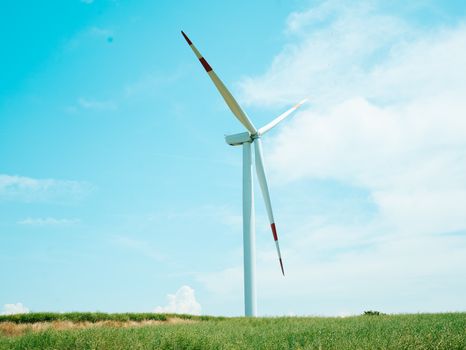 Photo: Memet Öz / Pexels
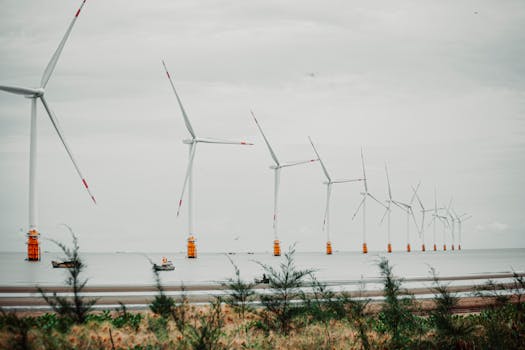 Photo: Phong Võ / Pexels
 Photo: Michael Pointner / Pexels
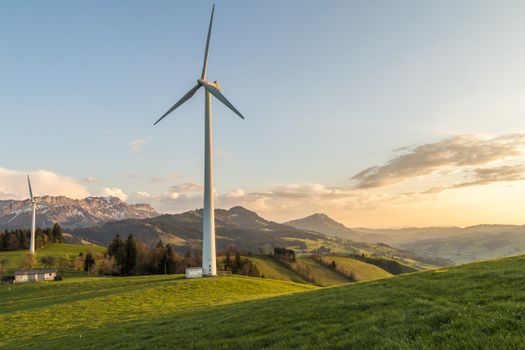 Photo: Pixabay / Pexels