✓ The smart grid uses two-way digital communication.
✓ It enhances grid reliability and resilience against outages.
✓ Integrates renewable energy sources more effectively.
✓ Empowers consumers with more control over energy use.
✓ Reduces energy waste and operational costs.
How It Works
1
Data Collection & Analysis
Sensors and smart meters gather real-time data on energy generation, transmission, and consumption. This vast amount of information is then analyzed to identify patterns and anomalies.
2
Two-Way Communication
Unlike traditional grids, smart grids allow for constant, bidirectional data flow between utilities and consumers. This enables dynamic adjustments and responsive management of the power flow.
3
Automated Response & Control
Advanced algorithms and automated systems use the analyzed data to make intelligent decisions. This includes rerouting power during outages, optimizing voltage levels, and managing demand.
4
Integration of Distributed Resources
The smart grid seamlessly incorporates diverse energy sources like solar panels and wind turbines directly into the network. This decentralization increases energy independence and resilience.
Understanding the Evolution from Traditional Grid to Smart Grid
Photo: Pixabay / Pexels
To truly grasp what is smart grid technology, it's essential to understand its predecessor: the traditional electrical grid. For over a century, our power infrastructure operated on a largely one-way, centralized model. Electricity was generated at large power plants, transmitted over long distances, and then distributed to homes and businesses. This system, while revolutionary in its time, had significant limitations. It lacked real-time monitoring capabilities, making it difficult to detect and respond to outages quickly. Maintenance was often reactive, and integrating intermittent renewable energy sources like solar and wind was a considerable challenge due to their fluctuating nature. Furthermore, consumers had little to no insight into their energy consumption patterns beyond a monthly bill, limiting their ability to manage and reduce their usage effectively. The traditional grid also suffered from significant energy losses during transmission and distribution, contributing to inefficiency and environmental impact.
The advent of the smart grid marks a paradigm shift in how we generate, transmit, and consume electricity. It's not merely an upgrade; it's a complete reimagining of the energy landscape, driven by the integration of digital technology, communication networks, and advanced analytics. The fundamental difference lies in its two-way communication capabilities. This allows for real-time data exchange between all components of the grid, from power plants to individual smart appliances in homes. This constant feedback loop empowers utilities to monitor grid conditions with unprecedented precision, anticipate potential issues, and react instantaneously to disruptions. For instance, if a fault occurs, the smart grid can automatically isolate the affected section, reroute power around it, and notify repair crews with exact location information, drastically reducing outage times. This level of automation and data-driven decision-making is at the core of the smart grid's enhanced reliability and efficiency. It transforms the grid from a passive delivery system into an active, intelligent network capable of self-healing and optimization. This evolution is critical for meeting the growing energy demands of the 21st century while simultaneously addressing environmental concerns and fostering a more sustainable energy future. The transition represents a colossal undertaking, requiring significant investment in infrastructure, technology, and cybersecurity measures to protect this vital network.
Key Components and Technologies Powering the Smart Grid
Photo: _ Whittington / Pexels
The intelligence of the smart grid isn't a single magical component but rather a sophisticated integration of various advanced technologies working in concert. Understanding these core components is crucial to comprehending what is smart grid technology. At the forefront are **Smart Meters**, which replace traditional analog meters. These digital devices not only measure energy consumption but also record it in granular detail (e.g., every 15 minutes) and transmit this data wirelessly to the utility. This two-way communication is fundamental, allowing utilities to monitor demand in real-time and consumers to track their usage, often through online portals or in-home displays. Beyond simple billing, smart meters are critical for demand-response programs, enabling utilities to offer incentives for reducing energy during peak times.
Another vital element is **Advanced Distribution Automation (ADA)**. This involves deploying sensors, switches, and automated control systems throughout the distribution network. These devices can detect faults, isolate problem areas, and restore power to unaffected sections automatically, minimizing outage duration and impact. ADA also optimizes voltage levels, reducing energy losses and improving overall grid efficiency. Complementing ADA is **Wide Area Monitoring Systems (WAMS)**, which utilize Phasor Measurement Units (PMUs) to provide a real-time, synchronized view of the entire transmission system. PMUs measure electrical waves at multiple points on the grid simultaneously, offering an unprecedented level of situational awareness that helps prevent blackouts and manage grid stability. The sheer volume of data generated by these components necessitates robust **Advanced Metering Infrastructure (AMI)**, which encompasses the entire system for collecting, transmitting, and managing data from smart meters and other grid devices.
Furthermore, the smart grid heavily relies on **Information and Communication Technologies (ICT)**. This includes high-speed fiber optic networks, cellular communication, and satellite links to ensure seamless data flow between all grid components. Without robust and secure communication channels, the smart grid cannot function effectively. **Cybersecurity** is paramount within this framework, as a digitally connected grid presents potential vulnerabilities. Utilities invest heavily in sophisticated encryption, intrusion detection systems, and secure protocols to protect the grid from cyber threats. Finally, **Distributed Energy Resources (DERs)**, such as rooftop solar, wind turbines, and battery storage systems, are integral to the smart grid. The smart grid provides the infrastructure to effectively integrate and manage these decentralized sources, allowing them to contribute to the overall energy supply and enhancing grid resilience. This complex interplay of hardware, software, and communication protocols forms the backbone of a truly intelligent and responsive power system.
Transformative Benefits and Future Implications of Smart Grid Technology
Photo: Tim Mossholder / Pexels
The implementation of what is smart grid technology brings a multitude of transformative benefits, impacting everything from environmental sustainability to economic stability and consumer empowerment. One of the most significant advantages is **enhanced reliability and resilience**. By continuously monitoring grid conditions and employing automated fault detection and isolation, the smart grid can prevent small issues from escalating into widespread outages. In the event of a natural disaster or equipment failure, it can reroute power more efficiently, restoring service quicker and minimizing downtime. This self-healing capability is a stark contrast to the traditional grid's reactive approach, where manual intervention was often required.
**Increased efficiency and reduced energy waste** are also hallmarks of the smart grid. Real-time data allows utilities to optimize power flow, reduce transmission losses, and manage voltage levels more precisely. Demand response programs, facilitated by smart meters, encourage consumers to shift their energy consumption away from peak hours, thereby reducing the need for costly and often less efficient 'peaker' power plants. This not only lowers operational costs for utilities but can also translate into lower energy bills for consumers. Environmentally, this efficiency means less fuel consumption and fewer greenhouse gas emissions, contributing significantly to climate change mitigation efforts. The smart grid's ability to integrate a higher penetration of renewable energy sources like solar and wind is perhaps its most crucial environmental benefit, paving the way for a cleaner energy mix.
From a consumer perspective, the smart grid offers unprecedented **empowerment and control**. Smart meters provide detailed insights into energy usage, enabling individuals and businesses to make informed decisions about how and when they consume electricity. This can lead to behavioral changes that reduce consumption and save money. Furthermore, the smart grid supports the growth of distributed generation, allowing homeowners with solar panels to not only use their own energy but also sell excess power back to the grid, creating a more dynamic and interactive energy market. Looking ahead, the smart grid is foundational for future innovations such as electric vehicle charging infrastructure management, smart city initiatives, and even more sophisticated energy storage solutions. It's an adaptive platform that will continue to evolve, supporting a decentralized, cleaner, and more resilient energy ecosystem for generations to come, addressing the pressing challenges of energy security and climate change.
Challenges and Considerations in Smart Grid Implementation
Photo: Pixabay / Pexels
While the promise of what is smart grid technology is immense, its widespread implementation faces several significant challenges and considerations that need careful navigation. One of the foremost concerns is **cybersecurity**. As the grid becomes increasingly digitized and interconnected, it also becomes a more attractive target for cyberattacks. A successful breach could lead to widespread outages, data theft, or even physical damage to infrastructure. Protecting this critical infrastructure requires continuous investment in advanced security protocols, threat detection systems, and a skilled workforce dedicated to cybersecurity. The complexity of integrating diverse technologies from multiple vendors also presents security vulnerabilities that must be addressed proactively.
Another major hurdle is the **substantial upfront investment** required for smart grid infrastructure. Upgrading an entire national or regional grid, replacing old equipment, installing smart meters, and developing new communication networks demands billions of dollars. Securing funding, whether from government subsidies, private investment, or utility rate hikes, is a continuous challenge. The return on investment, while significant in the long term through efficiency gains and reduced outage costs, may not be immediately apparent, making it a difficult sell for some stakeholders. Furthermore, the **interoperability** of different systems and technologies from various manufacturers is crucial. Without common standards and protocols, different components of the smart grid may not communicate effectively, hindering its overall performance and scalability.
**Data privacy** is also a critical concern. Smart meters collect detailed information about energy consumption patterns, which could potentially reveal sensitive details about occupants' daily lives. Ensuring that this data is collected, stored, and used responsibly, with robust privacy safeguards and transparent policies, is essential to build public trust and avoid consumer backlash. Finally, **regulatory frameworks and public acceptance** play a significant role. Existing regulations designed for traditional grids may not be suitable for the dynamic nature of the smart grid, necessitating updates and reforms. Educating the public about the benefits of smart grid technology and addressing their concerns about cost, privacy, and reliability is vital for successful adoption and long-term success. Overcoming these challenges will require collaborative efforts from government, industry, and consumers.
Comparison
Feature
Smart Grid
Traditional Grid
Microgrid (as an alternative)
Communication
Two-way digital
One-way analog
Localized two-way digital
Data Flow
Real-time, granular
Batch, aggregated
Real-time, internal
Fault Detection
Automated, self-healing
Manual, reactive
Automated, rapid isolation
Renewable Integration
High, seamless
Limited, challenging
High, localized
Consumer Engagement
High (demand response)
Low (monthly bill)
Moderate (localized energy management)
Resilience
High (self-healing, DERs)
Low (centralized vulnerability)
Very High (island mode capability)
Efficiency
High (optimized flow)
Lower (transmission losses)
High (localized optimization)
Cybersecurity Risk
Higher (digital target)
Lower (physical target)
Moderate (localized digital target)
What Readers Say
★★★★★
"Since our city implemented smart grid technology, I've noticed fewer power blips and quicker restorations during storms. It's a huge relief, especially with young kids at home."
Sarah J. · Austin, TX
★★★★★
"Our utility's new smart meter and online portal, part of the smart grid, helped me cut my energy bill by 15%. Seeing my real-time usage made me much more conscious of my consumption habits."
Mark D. · Phoenix, AZ
★★★★★
"As a small business owner, reliable power is critical. The smart grid improvements mean less downtime for my shop, directly translating to more consistent revenue and peace of mind."
Erica L. · Denver, CO
★★★★★
"The smart grid concept is great, and I appreciate the increased reliability. My only minor concern is the data privacy aspect, though my utility assures me they have robust protections in place."
Tom P. · Seattle, WA
★★★★★
"Integrating my home solar panels with the smart grid has been fantastic. I can easily monitor my generation and consumption, and even get credits for sending excess power back – a real game-changer."
Jessica R. · Orlando, FL
Frequently Asked Questions
What is smart grid technology in simple terms?
Smart grid technology refers to an electrical grid that uses digital communication and information technology to detect and react to local changes in usage. Think of it as upgrading our old, passive electricity network into a modern, intelligent, and responsive communication network for electricity, allowing for two-way communication between utilities and consumers.
Is the smart grid secure from cyberattacks?
Cybersecurity is a paramount concern for smart grid development. Utilities and governments invest heavily in advanced encryption, intrusion detection systems, and robust protocols to protect the grid from cyber threats. While no system is 100% impervious, continuous efforts are made to enhance its security and resilience against evolving attack vectors.
How can I, as a consumer, benefit from the smart grid?
As a consumer, you can benefit through increased reliability (fewer and shorter outages), potentially lower energy bills due to optimized grid operation and demand response programs, and greater control over your energy usage with smart meters providing real-time data. It also supports integrating rooftop solar and electric vehicles more seamlessly.
Is smart grid technology expensive, and who pays for it?
Yes, implementing smart grid technology requires significant investment in infrastructure and technology. The costs are typically borne by a combination of government funding, utility investments (often recouped through regulated rate increases over time), and private sector contributions. The long-term benefits in efficiency and reliability are expected to outweigh these initial costs.
How does the smart grid compare to a traditional power grid?
The smart grid differs fundamentally from the traditional grid by offering two-way communication, real-time data analysis, automation, and the ability to integrate diverse energy sources. The traditional grid is largely one-way, reactive, and less efficient, lacking the intelligence to adapt to dynamic energy demands or integrate renewables effectively.
Who should be interested in smart grid technology?
Everyone should be interested in smart grid technology, from individual homeowners seeking lower bills and reliable power, to businesses needing consistent energy supply, to policymakers aiming for energy independence and environmental sustainability. It's a foundational technology for a modern, resilient, and green energy future.
Are there any health risks associated with smart grid technology?
Concerns about health risks, particularly from electromagnetic fields (EMF) emitted by smart meters, have been widely studied. Scientific consensus, including assessments by the World Health Organization and various national health agencies, indicates that EMF exposure from smart meters is well within international safety limits and poses no known health risk.
What are the future trends for smart grid technology?
Future trends include even greater integration of artificial intelligence and machine learning for predictive maintenance and optimization, advanced microgrid development for enhanced local resilience, widespread adoption of grid-scale energy storage, and continued evolution of cybersecurity measures. The grid will become even more decentralized and responsive.
Embrace the future of energy by understanding what is smart grid technology and its profound impact. This intelligent network is not just an upgrade; it's a fundamental shift towards a more reliable, efficient, and sustainable power system for everyone.

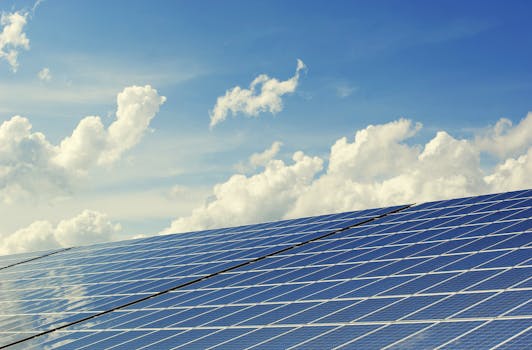 Photo: Pixabay / Pexels
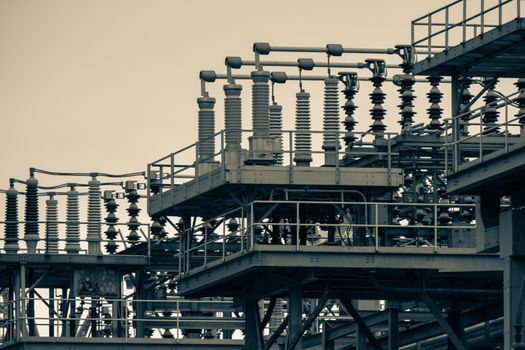 Photo: _ Whittington / Pexels
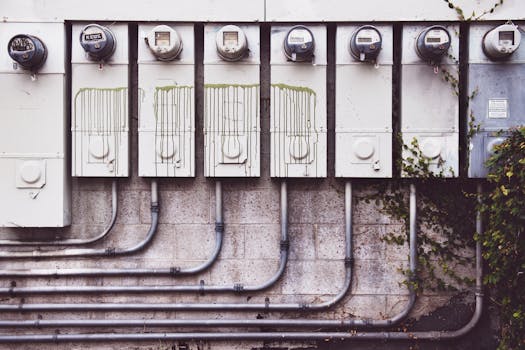 Photo: Tim Mossholder / Pexels