✓ Alternative energy sources are crucial for reducing carbon emissions and combating climate change.
✓ The US is rapidly expanding its infrastructure for various renewable energy technologies.
✓ Many alternative sources, like solar and wind, are becoming increasingly cost-competitive with fossil fuels.
✓ Diversifying energy sources enhances national energy security and reduces reliance on volatile global markets.
How It Works
1
Harnessing Nature's Power
Alternative energy begins by capturing natural phenomena like sunlight, wind, or geothermal heat. This raw energy is then converted into a usable form.
2
Conversion to Electricity
Specialized technologies, such as solar panels or wind turbines, transform the captured natural energy into electricity. This process is often highly efficient and environmentally clean.
3
Grid Integration or Storage
The generated electricity can either be fed directly into the existing power grid for distribution or stored in battery systems. Storage allows for continuous power supply even when natural conditions are not optimal.
4
Powering Homes & Industries
Finally, this clean electricity powers our homes, businesses, and transportation. It reduces our dependence on fossil fuels and contributes to a healthier planet.
Solar Power: The Sun's Limitless Potential
Photo: Michael Pointner / Pexels
Solar power stands as one of the most prominent and rapidly growing types of alternative energy sources, leveraging the sun's abundant radiation to generate electricity. This technology primarily relies on photovoltaic (PV) panels, which convert sunlight directly into direct current (DC) electricity through the photovoltaic effect. When photons from the sun strike the semiconductor material (typically silicon) in a solar cell, they knock electrons loose, creating an electric current. This DC electricity is then converted into alternating current (AC) by an inverter, making it suitable for use in homes, businesses, and the national grid. Beyond PV, concentrated solar power (CSP) systems use mirrors or lenses to focus a large area of sunlight onto a small area, generating heat that drives a turbine to produce electricity, similar to traditional power plants. The US has vast solar resources, particularly in the sunny Southwest, making it an ideal candidate for widespread solar adoption. From rooftop installations on individual homes to massive utility-scale solar farms spanning hundreds of acres, solar technology is versatile and scalable. The benefits are profound: zero carbon emissions during operation, reduced reliance on finite fossil fuels, and increasingly competitive costs. Advancements in solar cell efficiency, energy storage solutions like batteries, and smart grid integration are continually improving solar's reliability and accessibility. Furthermore, solar energy can also be used for passive heating and cooling in buildings, as well as for heating water through solar thermal collectors, demonstrating its multifaceted application in reducing energy consumption. The intermittency of solar power, meaning its availability only during daylight hours and clear skies, is being addressed through sophisticated forecasting, grid management, and advancements in battery storage technology, allowing surplus energy to be stored and dispatched when the sun isn't shining. Government incentives, tax credits, and net metering policies in many states further encourage homeowners and businesses to invest in solar, accelerating its integration into the national energy mix. This pushes the US closer to its clean energy goals and provides energy independence for many communities. Understanding renewable energy sources is key to appreciating solar's impact.
Wind Energy: Harnessing the Invisible Force
Photo: Serg Karpow / Pexels
Wind energy is another cornerstone among the types of alternative energy sources, transforming the kinetic energy of moving air into electricity. Wind turbines, typically comprising large blades mounted on a tall tower, are the primary technology used. As wind blows, it causes the blades to rotate, which in turn spins a generator to produce electricity. Modern wind turbines are incredibly efficient, designed to capture wind energy across a wide range of wind speeds. They are deployed in two main configurations: onshore wind farms, located on land, and offshore wind farms, situated in oceans or large lakes. Offshore wind farms often benefit from stronger and more consistent winds, leading to higher capacity factors, though they present unique engineering and environmental challenges. The US has significant wind resources, particularly in the central plains and along its coastlines. States like Texas, Iowa, and Oklahoma are leading the nation in wind power generation, contributing substantially to the grid. The development of larger, more powerful turbines and improved transmission infrastructure is continually enhancing wind energy's viability. One of the key advantages of wind power is its cleanliness; it produces no greenhouse gas emissions or air pollutants during operation. Like solar, it is a renewable resource, meaning the fuel source (wind) is inexhaustible. However, wind energy also faces challenges, including intermittency (wind speeds fluctuate), visual impact, noise concerns, and potential impacts on wildlife, particularly birds and bats. These issues are actively being addressed through technological innovations, such as radar-based bird detection systems that can temporarily halt turbines, and through careful siting and environmental impact assessments. The cost of wind power has dramatically decreased over the past decade, making it one of the most economically competitive new energy sources. This cost reduction, coupled with federal and state incentives, is driving rapid expansion. Furthermore, hybrid systems combining wind with solar and battery storage are emerging as robust solutions to provide more reliable and consistent power, mitigating the challenges of individual intermittency. The strategic placement of wind farms, taking into account local ecosystems and community input, is vital for sustainable development and maximizing energy output while minimizing adverse effects. This comprehensive approach is essential for wind to continue its growth as a critical component of the nation's clean energy portfolio.
Geothermal & Hydropower: Earth's Internal and Flowing Power
Photo: Francesco Ungaro / Pexels
Delving deeper into the types of alternative energy sources reveals the steady power of geothermal and hydropower. Geothermal energy harnesses the heat from within the Earth. In regions with high geothermal activity, such as areas along tectonic plate boundaries or volcanic hotspots, steam or hot water from underground reservoirs can be directly used to drive turbines and generate electricity. This process involves drilling wells to access these hot fluids, which are then piped to power plants. Geothermal energy is unique among renewables for its constant, 24/7 availability, unaffected by weather conditions. It provides a reliable baseload power supply, a critical component of any diversified energy grid. Beyond electricity generation, geothermal heat pumps utilize the stable temperature of the Earth near the surface for heating and cooling buildings, offering a highly efficient and environmentally friendly alternative to traditional HVAC systems. While geographically limited to certain areas with accessible heat, the US has significant geothermal potential, particularly in the western states, with California being a leader in geothermal electricity production. Hydropower, on the other hand, captures the energy of flowing water. It is one of the oldest and most established forms of renewable energy, utilizing dams to create reservoirs and control water flow. When water is released from the reservoir, it flows through turbines, spinning them to generate electricity. Run-of-river hydropower systems, which divert a portion of a river through a power plant without a large reservoir, represent another less impactful approach. Hydropower offers substantial benefits, including reliable, dispatchable power, flood control, irrigation, and recreational opportunities. Large-scale hydropower projects can generate immense amounts of electricity, but they also come with environmental considerations, such as altered river ecosystems, fish migration disruption, and potential displacement of communities. However, ongoing innovations in fish-friendly turbine designs, ladder systems, and smaller, less intrusive micro-hydro projects are mitigating these impacts. The US has a vast existing hydropower infrastructure, contributing significantly to its renewable energy portfolio. Small-scale hydro projects are also gaining traction, providing decentralized power solutions for remote communities. Both geothermal and hydropower offer distinct advantages in terms of reliability and capacity, complementing the intermittent nature of solar and wind. Their integration into a smart grid system allows for a more stable and resilient energy supply, demonstrating the importance of a diverse approach to sustainable energy solutions.
Emerging & Niche Alternative Energy Technologies
Photo: David Huck / Pexels
Beyond the major players, several other types of alternative energy sources are either emerging or occupy niche but important roles in the global energy landscape. Bioenergy, derived from organic matter (biomass), is a significant contributor. This includes biofuels like ethanol and biodiesel, produced from crops like corn or soybeans, which can power vehicles. Biomass can also be directly burned to generate heat or electricity, or converted into biogas through anaerobic digestion. While renewable, the sustainability of bioenergy is debated, considering land use, water consumption, and emissions from cultivation and processing. Careful sourcing and advanced conversion technologies are crucial for bioenergy to be truly sustainable. Tidal and wave energy harness the immense power of ocean movements. Tidal barrages, similar to hydropower dams, capture the energy of incoming and outgoing tides, while wave energy converters utilize the up-and-down motion of ocean waves. These technologies offer predictable energy generation but face significant engineering challenges in harsh marine environments and high installation costs. Research and pilot projects are ongoing, particularly in coastal regions with strong tidal flows, to make these technologies more viable. Ocean thermal energy conversion (OTEC) is another fascinating concept, exploiting the temperature difference between warm surface ocean water and cold deep water to generate electricity. This technology is still largely in the research and development phase but holds promise for tropical regions. Hydrogen fuel cells represent a unique approach, converting chemical energy from hydrogen into electricity with water as the only byproduct. While hydrogen itself is not an energy source (it must be produced), 'green hydrogen' generated using renewable electricity through electrolysis offers a clean energy carrier for transportation, industrial processes, and grid storage. The infrastructure for hydrogen production, storage, and distribution is still developing, but it holds immense potential for decarbonizing hard-to-abate sectors. Each of these technologies contributes to the overall goal of reducing reliance on fossil fuels, offering diverse solutions to meet varying energy demands and geographical specificities. The future of energy will undoubtedly be a mosaic of these varied and innovative approaches, tailored to local resources and global needs. To accelerate their adoption, here are some key considerations:
* **Investment in R&D:** Continued funding for research and development is vital to improve efficiency and reduce costs.
* **Policy Support:** Government policies, incentives, and regulatory frameworks can accelerate deployment.
* **Infrastructure Development:** Building out necessary infrastructure for new energy sources, like hydrogen pipelines or tidal energy arrays, is crucial.
* **Public Awareness:** Educating the public about the benefits and realities of these alternative sources fosters acceptance and support.
* **Global Collaboration:** Sharing knowledge and technologies across borders can speed up progress on a global scale.
Comparison
Feature
Solar
Wind
Geothermal
Hydropower
Availability
Daytime, Sunny
Variable (Windy)
24/7 Constant
Consistent (Reservoir)
Environmental Impact
Low (Land Use)
Low (Visual, Wildlife)
Very Low (Local)
Moderate (Ecosystems)
Cost (LCOE)
Competitive
Very Competitive
Moderate
Moderate
Reliability
Intermittent
Intermittent
High Baseload
High Dispatchable
Scalability
Rooftop to Utility
Small to Utility
Limited Regions
River Dependent
What Readers Say
★★★★★
"Learning about the different types of alternative energy sources was incredibly eye-opening. I always thought it was just solar, but understanding geothermal and hydropower makes me so optimistic about our future."
Sarah J. · Austin, TX
★★★★★
"This article provided a fantastic overview of clean energy. It clearly explained how each source works and its unique benefits, which helped me make an informed decision for my home's energy upgrade."
Mark D. · Denver, CO
★★★★★
"After reading this, I convinced my community board to explore a small-scale hydropower project. The detailed explanation of its benefits and considerations gave us a solid starting point."
Emily R. · Portland, OR
★★★★★
"The information on solar power was excellent, especially the part about CSP. I wish there was a bit more on grid integration challenges, but overall, it's a very comprehensive resource."
David L. · Phoenix, AZ
★★★★★
"As a student researching sustainable urban planning, this article on types of alternative energy sources was invaluable. It covered everything from established tech to emerging innovations like hydrogen."
Jessica M. · Chicago, IL
Frequently Asked Questions
What are the most common types of alternative energy sources?
The most common types of alternative energy sources widely adopted in the US are solar power, wind energy, hydropower, and geothermal energy. These sources are renewable, meaning they replenish naturally, and produce significantly fewer greenhouse gas emissions compared to fossil fuels, making them crucial for a sustainable future.
Are alternative energy sources truly reliable, given their reliance on weather?
While sources like solar and wind are intermittent (dependent on sun and wind), the overall reliability of alternative energy is improving rapidly. This is achieved through diversification (using a mix of sources like constant geothermal alongside solar/wind), advanced energy storage solutions (batteries), and smart grid technologies that efficiently manage supply and demand.
How can I incorporate alternative energy into my home?
You can incorporate alternative energy into your home primarily through rooftop solar panel installations to generate electricity, or by installing a geothermal heat pump for efficient heating and cooling. Many utility companies also offer options to purchase 'green' electricity from their alternative energy portfolio, even if you don't install your own system.
Are alternative energy sources more expensive than traditional fossil fuels?
The upfront cost for installing alternative energy systems can be higher, but the operational costs are often much lower or even zero, as the fuel source (sun, wind, water) is free. Thanks to technological advancements and government incentives, the levelized cost of electricity (LCOE) for solar and wind is now often competitive with, or even cheaper than, new fossil fuel power plants.
How do alternative energy sources compare to nuclear power?
Alternative energy sources (solar, wind, hydro, geothermal) are renewable and do not produce radioactive waste, unlike nuclear power. Nuclear power is a low-carbon, baseload energy source but carries risks associated with waste disposal and potential accidents. Both play a role in decarbonizing the energy sector, but their characteristics and societal acceptance differ significantly.
Who benefits most from the growth of alternative energy sources?
Everyone benefits from the growth of alternative energy sources through reduced air pollution, a more stable climate, and enhanced energy security. Individuals can benefit from lower electricity bills over time, while industries gain from new job creation in manufacturing, installation, and maintenance, and nations achieve greater energy independence.
What are the primary environmental concerns with alternative energy?
While cleaner than fossil fuels, alternative energy sources aren't without environmental concerns. Solar farms require significant land, wind turbines can impact wildlife and cause noise, hydropower alters river ecosystems, and biomass can raise land-use and emissions questions. However, these impacts are generally localized and manageable through careful planning and technological mitigation, especially when compared to the global impact of fossil fuels.
What does the future hold for alternative energy technologies?
The future of alternative energy is bright and rapidly evolving. We can expect significant advancements in energy storage technologies, more efficient conversion methods, smart grid integration, and the commercialization of emerging sources like advanced tidal or green hydrogen. The trend points towards a highly diversified, resilient, and fully decarbonized energy system.
Embracing the diverse types of alternative energy sources is not just an environmental imperative; it's an economic opportunity and a path to greater energy independence. Explore how these powerful, natural resources can fuel your future and contribute to a healthier planet. Take the next step towards a sustainable energy lifestyle today.
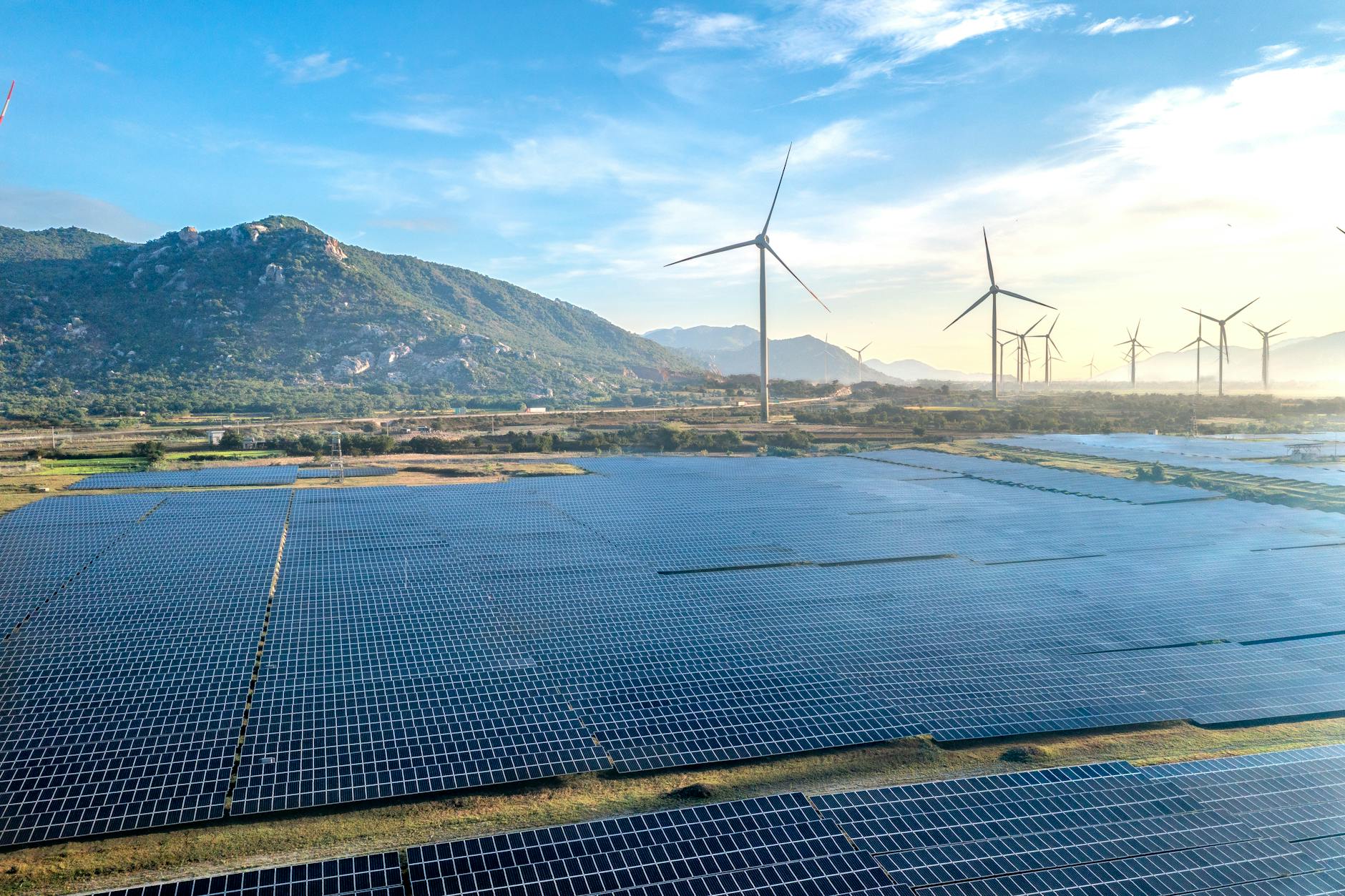
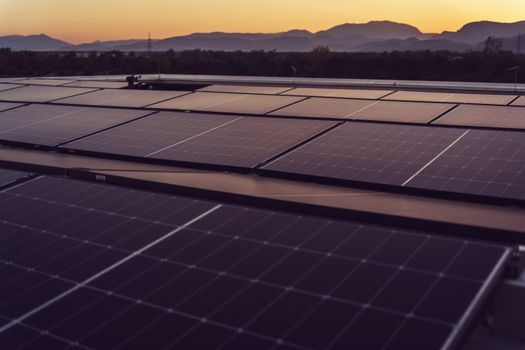 Photo: Michael Pointner / Pexels
 Photo: Serg Karpow / Pexels
 Photo: Francesco Ungaro / Pexels
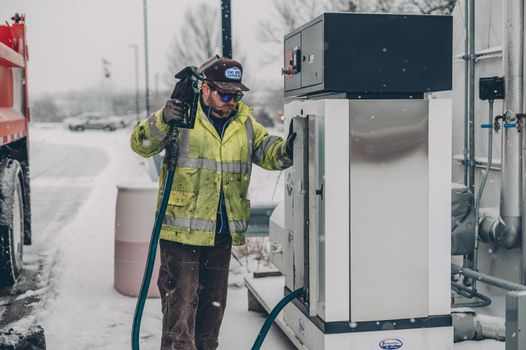 Photo: David Huck / Pexels