Unlocking the Benefits of Wind Energy for a Brighter Future
benefits of wind energy

Unlocking the Benefits of Wind Energy for a Brighter Future

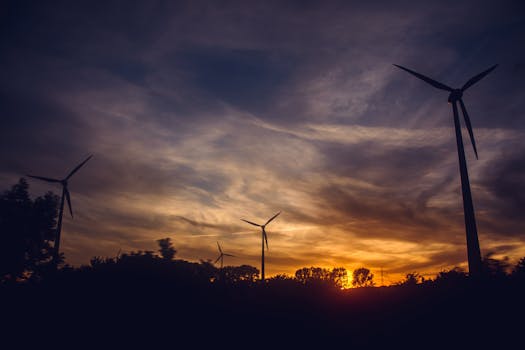
Silhouetted wind turbines at sunset, showcasing renewable energy against a vibrant sky.Photo: Irina Iriser / Pexels

Unlocking the Benefits of Wind Energy for a Brighter Future

Harnessing the power of the wind offers a myriad of advantages for our planet and economy.

Explore Wind Power

Key Takeaways

  • ✓ Wind is a virtually inexhaustible, renewable energy source.
  • ✓ Wind power produces no greenhouse gas emissions during operation.
  • ✓ The US wind energy sector supports hundreds of thousands of jobs.
  • ✓ Wind energy helps stabilize electricity prices by reducing reliance on volatile fossil fuels.

How It Works

1
Wind Capture

Wind turbines, typically composed of tall towers and blades, capture the kinetic energy of moving air. The aerodynamic design of the blades allows them to rotate when wind passes over them.

2
Rotor Rotation & Gearbox

The rotating blades turn a central shaft, known as the rotor. This rotor is connected to a gearbox which increases the rotational speed to drive the generator efficiently.

3
Electricity Generation

The high-speed shaft from the gearbox spins a generator, which uses electromagnetic induction to convert mechanical energy into electrical energy. This is the core process of power production.

4
Grid Integration

The generated electricity is then transmitted through cables down the turbine tower to a transformer, which steps up the voltage for efficient long-distance transmission to the electrical grid, powering homes and businesses.

Environmental Advantages of Wind Power
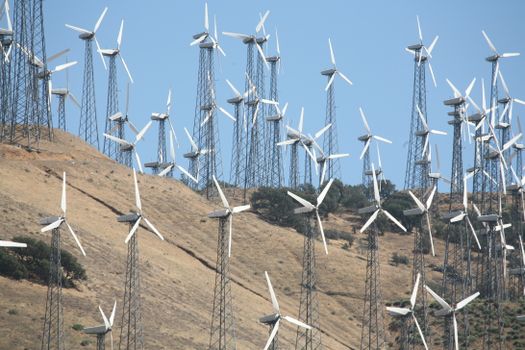
A large wind farm with numerous turbines on a sunlit hillside, promoting renewable energy.Photo: CARLOSCRUZ ARTEGRAFIA / Pexels
One of the most compelling reasons to embrace wind energy lies in its profound environmental benefits. Unlike traditional fossil fuels, wind power produces absolutely no greenhouse gas emissions during its operation. This is a critical distinction in the global effort to combat climate change. Burning coal, oil, and natural gas releases vast quantities of carbon dioxide, methane, and other pollutants into the atmosphere, trapping heat and contributing to rising global temperatures, extreme weather events, and sea-level rise. Wind turbines, once installed, simply harness the natural flow of air, generating clean electricity without these harmful byproducts. This means a significant reduction in our carbon footprint, leading to cleaner air and a healthier planet for future generations. Beyond greenhouse gases, wind energy also drastically reduces air pollution. Fossil fuel power plants are major contributors to smog, acid rain, and particulate matter, which can cause respiratory illnesses, heart disease, and other serious health problems. By displacing fossil fuel generation, wind power directly improves air quality, particularly in urban and industrial areas. This translates to fewer hospitalizations, reduced healthcare costs, and a better quality of life for millions of Americans. Furthermore, wind energy does not require water for cooling, a significant advantage over thermal power plants which consume vast amounts of fresh water, often straining local resources and impacting aquatic ecosystems. This water conservation aspect becomes increasingly important in regions facing drought and water scarcity. Another often overlooked environmental benefit is the reduced need for mining and drilling. Extracting fossil fuels is an environmentally destructive process, leading to habitat destruction, water contamination, and land degradation. Wind power, conversely, relies on a naturally replenishing resource that doesn't require invasive extraction. While turbine manufacturing and installation have an initial environmental footprint, the long-term operational benefits far outweigh these upfront impacts. The land used for wind farms can often be simultaneously utilized for agriculture or ranching, demonstrating a harmonious co-existence between energy production and other land uses. This multi-use potential further underscores wind energy's commitment to sustainable resource management. The shift towards wind energy is not just about producing electricity; it's about fundamentally altering our relationship with energy production to one that is more respectful of our planet's delicate ecosystems and finite resources. Exploring other forms of renewable energy sources can further diversify and strengthen our clean energy portfolio.

Economic Growth and Job Creation

The economic benefits of wind energy are substantial and far-reaching, making it a powerful driver for growth and job creation across the United States. The wind industry is a rapidly expanding sector, attracting significant investment and fostering innovation. This growth translates directly into a robust job market, with positions ranging from manufacturing and engineering to construction, installation, operations, and maintenance. According to recent reports, the wind energy sector in the U.S. supports hundreds of thousands of jobs, and this number is projected to continue growing as demand for clean energy increases. These aren't just high-tech jobs in urban centers; many are skilled trades and manufacturing roles that provide stable, well-paying employment opportunities in rural communities where wind farms are often located. Beyond direct employment, wind energy projects stimulate local economies through various channels. Landowners who host turbines receive lease payments, providing a steady income stream that can supplement agricultural earnings or offer new financial stability. These payments can be particularly impactful in rural areas, helping to sustain families and communities. Furthermore, wind farms contribute significantly to local tax revenues, which can then be used to fund essential public services such as schools, roads, and emergency services. This influx of revenue strengthens community infrastructure and improves the quality of life for residents, demonstrating a tangible economic return on investment for adopting wind power. The development of wind energy also fosters domestic manufacturing and supply chains. Components like blades, towers, and internal electrical systems are increasingly being produced within the U.S., reducing reliance on foreign imports and creating more manufacturing jobs. This localization of the supply chain enhances national energy independence and creates a more resilient economy. Moreover, the long-term operational costs of wind energy are relatively low once the initial infrastructure is in place, as the fuel (wind) is free. This cost predictability helps stabilize electricity prices for consumers and businesses, protecting them from the volatility of fossil fuel markets. By investing in wind energy, the U.S. is not only securing a cleaner future but also building a stronger, more diversified, and more resilient economy that benefits communities nationwide.

Energy Independence and Grid Resilience

Achieving greater energy independence and enhancing grid resilience are critical national security and economic priorities for the United States, and wind energy plays a pivotal role in both. By harnessing an abundant domestic resource, wind power reduces our reliance on imported fossil fuels, which are often sourced from politically unstable regions. This lessens exposure to geopolitical risks and volatile international markets, providing greater stability for energy prices and supply. Every megawatt-hour generated by wind means one less megawatt-hour that needs to be produced from imported oil or gas, strengthening national security and keeping energy dollars within the U.S. economy. This shift towards indigenous energy sources is fundamental for a robust and self-sufficient energy future. Furthermore, wind energy contributes significantly to the resilience and stability of the electrical grid. A diversified energy portfolio, including various renewable sources like wind and solar, makes the grid less vulnerable to disruptions impacting any single fuel source or power plant type. For instance, extreme weather events or supply chain issues that might impact fossil fuel deliveries have no bearing on the availability of wind. Integrating wind power, especially through geographically dispersed wind farms, helps distribute generation capacity, making the grid more robust against localized outages or attacks. This decentralization inherently builds redundancy and reliability into the system, ensuring a more consistent power supply for homes and businesses across the nation. Innovations in energy storage, such as utility-scale batteries, are further enhancing wind energy's contribution to grid stability by addressing its intermittent nature. When the wind isn't blowing, stored energy can be dispatched to maintain a steady supply. This combination of wind generation and storage creates a more flexible and reliable grid, capable of adapting to varying demand and supply conditions. Moreover, advanced forecasting technologies allow grid operators to predict wind patterns with increasing accuracy, enabling better integration of wind power and optimizing its contribution to the overall energy mix. The ongoing development of offshore wind farms, which often experience more consistent and powerful winds, further diversifies our wind energy potential and adds another layer of resilience. This strategic integration of wind energy is not just about clean power; it's about building a fundamentally stronger and more secure energy infrastructure for the nation. Understanding the broader landscape of sustainable energy solutions is crucial for this endeavor.

Addressing Common Concerns and Future Outlook

While the benefits of wind energy are clear, it's important to address common concerns and look at how the industry is evolving to mitigate potential drawbacks. One frequent concern revolves around the visual impact of wind turbines on landscapes. While subjective, designers are continually working on more aesthetically pleasing designs and strategic siting to minimize visual intrusion. Another area of focus is wildlife impact, particularly on birds and bats. Significant advancements have been made in turbine design, siting, and operational strategies to reduce these impacts. This includes sophisticated radar systems that can detect approaching birds and temporarily shut down turbines, as well as developing technologies like painting one blade black to reduce bird collisions. Research and mitigation efforts are ongoing and continuously improving. Noise is another concern often raised by communities near wind farms. Modern wind turbines are significantly quieter than older models, with technological advancements minimizing mechanical and aerodynamic noise. Siting regulations often include buffer zones and noise limits to ensure that sound levels at nearby residences remain well within acceptable standards. The intermittent nature of wind – the fact that it doesn't always blow – is a challenge that is being actively addressed through grid modernization, improved weather forecasting, and, most importantly, advancements in energy storage technologies. Battery storage, pumped hydro, and other forms of energy storage are becoming increasingly cost-effective, allowing excess wind power to be stored and dispatched when needed, thereby increasing grid reliability and the dispatchability of wind energy. Looking ahead, the future of wind energy in the US is incredibly promising. Offshore wind is poised for massive expansion, offering access to stronger, more consistent winds and the ability to power densely populated coastal areas. Floating offshore wind platforms are opening up even deeper waters to development. Continued innovation in turbine technology, such as larger and more efficient blades, taller towers, and advanced materials, will further drive down costs and increase energy capture. The integration of artificial intelligence and machine learning is optimizing wind farm operations and maintenance, maximizing efficiency. As policy support for clean energy strengthens and public acceptance grows, wind energy will undoubtedly play an even larger and more critical role in powering the United States, cementing its position as a cornerstone of our clean energy future. Key areas of future focus include: * **Advanced Turbine Technologies:** Developing even larger, more efficient turbines and exploring innovative designs. * **Offshore Wind Expansion:** Significant growth in both fixed-bottom and floating offshore wind projects along US coasts. * **Energy Storage Integration:** Pairing wind farms with utility-scale battery storage to improve grid stability and dispatchability. * **Smart Grid Development:** Utilizing AI and machine learning for better forecasting, management, and integration of wind power. * **Recycling and Circular Economy:** Improving methods for recycling turbine components, especially blades, to enhance sustainability.

Comparison

FeatureWind EnergySolar EnergyNatural Gas
Renewable Source
Greenhouse Gas Emissions (Operational)NoneNoneHigh
Fuel CostFreeFreeVolatile
Land Use EfficiencyModerate (can be multi-use)Moderate (large arrays)Low (extraction sites)
Water ConsumptionVery LowVery LowHigh (cooling)
Energy IndependenceHighHighModerate (imports)
Job CreationHighHighModerate

What Our Readers Say

5 ★★★★★

"Living near a wind farm, I've seen firsthand the benefits of wind energy. My electricity bill has been more stable, and it's great knowing our power comes from a clean source that supports local jobs."

5 ★★★★★

"The environmental impact of traditional energy sources worried me. Switching to a utility powered by wind has given me peace of mind, knowing I'm contributing to a healthier planet without sacrificing reliability."

5 ★★★★★

"Our community has benefited immensely from the tax revenues generated by the new wind farm. We've seen improvements in our local schools and infrastructure, directly attributable to the benefits of wind energy."

4 ★★★★☆

"While I love the idea of clean energy, I initially had concerns about visual impact. However, the modern turbines are quite elegant, and the overall benefits of wind energy for the grid stability and environment far outweigh any minor aesthetic concerns."

5 ★★★★★

"As a business owner, reliable and predictable energy costs are crucial. Our move towards purchasing wind energy credits has helped stabilize our overheads and aligns with our corporate sustainability goals."

Frequently Asked Questions

What are the primary benefits of wind energy for the environment?
The primary environmental benefits of wind energy include zero greenhouse gas emissions during operation, leading to a reduction in air pollution and a significant contribution to combating climate change. It also requires minimal water for cooling compared to thermal power plants and reduces the need for environmentally damaging fossil fuel extraction.
Is wind energy a reliable source of electricity?
While wind is intermittent, its reliability is continuously improving through advancements in forecasting, grid integration, and energy storage technologies like batteries. When integrated into a diverse energy mix, wind power contributes significantly to overall grid stability and reliability, ensuring a consistent power supply.
How do wind farms impact local economies?
Wind farms stimulate local economies by creating jobs in manufacturing, construction, operations, and maintenance. They also provide lease payments to landowners and generate significant tax revenues for local governments, which can be used to fund public services and infrastructure improvements in rural communities.
What are the long-term cost benefits of wind energy?
Once constructed, wind power has very low operational costs because the fuel (wind) is free and inexhaustible. This helps stabilize electricity prices, protecting consumers and businesses from the volatility of fossil fuel markets. The initial investment costs are offset by long-term savings and environmental benefits.
How does wind energy compare to solar energy in terms of benefits?
Both wind and solar energy offer significant environmental benefits, being renewable and producing no operational emissions. Wind often generates power more consistently at night and can be more efficient in certain geographic areas, while solar is highly effective during daylight hours. They are complementary technologies, often combined for optimal grid stability.
Who benefits most from the expansion of wind energy?
Everyone benefits from the expansion of wind energy through cleaner air, a more stable climate, and enhanced energy independence. Specifically, rural communities hosting wind farms benefit from economic development, landowners receive income, and consumers benefit from more stable and potentially lower electricity prices.
Are there any safety concerns associated with wind turbines?
Modern wind turbines are designed with extensive safety features. While there are inherent risks during construction and maintenance, operational risks for the public are extremely low. Strict regulations and safety protocols are in place to protect workers and ensure the safe operation of wind farms, making them a very safe form of power generation.
What role will offshore wind play in the future of US energy?
Offshore wind is expected to play a crucial role, offering access to stronger, more consistent winds and the ability to deliver large-scale clean power to densely populated coastal regions. It will significantly boost the US's renewable energy capacity, enhance grid resilience, and create a new sector of high-paying jobs.

Embrace the future with wind energy. Its unparalleled environmental, economic, and energy independence benefits make it a cornerstone of a sustainable and prosperous United States. Discover how you can support this vital transition today.

Topics: benefits of wind energyrenewable energy advantageswind power sustainabilityclean energy USeconomic impact of wind
Leo List
Brampton weed
Adultwork EstrelaBet Vai de Bet R7 Bet Betão Galera Bet Rainbet Bet9ja Shop SportyBet BetKing Sisal Loto Foot Hollywoodbets YesPlay Odibets RushBet Jugabet BetWarrior BetCity MSport betPawa Fortebet