What is Renewable Energy? Your Guide to a Sustainable Future
renewable energy

What is Renewable Energy? Your Guide to a Sustainable Future

Uncover the power of nature's endless resources and how they are shaping a cleaner, more resilient energy landscape.

Explore Renewable Sources

Key Takeaways

  • ✓ Renewable energy comes from natural processes that are continuously replenished.
  • ✓ The primary sources include solar, wind, hydro, geothermal, and biomass.
  • ✓ Renewables reduce greenhouse gas emissions and combat climate change.
  • ✓ Global investment in renewable energy is rapidly increasing, creating jobs and economic growth.

How It Works

1
Harnessing Natural Forces

Renewable energy technologies capture energy from naturally occurring phenomena like sunlight, wind, or flowing water. This raw energy is then converted into a usable form, most commonly electricity.

2
Conversion and Generation

Specialized equipment, such as solar panels or wind turbines, transforms these natural forces into electrical current. This process often involves converting kinetic or radiant energy into electrical energy through various mechanisms.

3
Distribution and Storage

Once generated, the electricity is fed into power grids for distribution to homes and businesses. For intermittent sources like solar and wind, energy storage solutions like batteries are crucial to ensure a consistent supply.

4
Sustainable Consumption

Consumers then utilize this clean energy for lighting, heating, transportation, and industrial processes. This reduces reliance on fossil fuels, leading to a significant decrease in environmental pollution and carbon footprint.

Understanding the Core Concept of Renewable Energy
Silhouette of wind turbines against a serene sunset sky, symbolizing renewable energy. Photo: PedroEsparza / Pexels
In an era increasingly defined by environmental consciousness and the urgent need to address climate change, the term 'renewable energy' has moved from a niche scientific concept to a mainstream topic of global importance. But what exactly is renewable energy? At its core, renewable energy refers to energy derived from natural processes that replenish themselves continuously. Unlike fossil fuels – coal, oil, and natural gas – which are finite resources formed over millions of years and deplete with use, renewable sources are inexhaustible on a human timescale. These sources include sunlight, wind, flowing water, geothermal heat from the Earth's interior, and biomass from organic matter. The fundamental advantage of these sources lies in their inherent sustainability and their significantly lower environmental impact, particularly concerning greenhouse gas emissions. The transition to renewable energy is not merely an environmental imperative; it's an economic and social revolution. For decades, global energy systems have been dominated by fossil fuels, which have powered industrial growth and modern society. However, this reliance has come at a steep cost: air pollution, water contamination, habitat destruction, and, most critically, the acceleration of global warming due to the release of carbon dioxide and other greenhouse gases. Renewable energy offers a compelling alternative, providing a path towards a cleaner, healthier, and more secure energy future. It represents a paradigm shift from a linear, extractive energy model to a cyclical, regenerative one. This shift is crucial for mitigating the worst effects of climate change, improving public health by reducing air pollution, and fostering energy independence by leveraging domestic resources rather than relying on volatile international markets. The United States, for example, has vast untapped potential in solar and wind resources, which, if fully harnessed, could power the nation many times over. Understanding this core concept is the first step in appreciating the transformative power of renewable energy and its role in building a sustainable world. It's about recognizing that the sun will always shine, the wind will always blow, and the Earth's heat will always be present, offering a perpetual energy supply if we develop the technologies and infrastructure to capture it effectively. For more insights into the broader energy landscape, explore our article on the future of energy.

Delving into the Major Types of Renewable Energy Sources
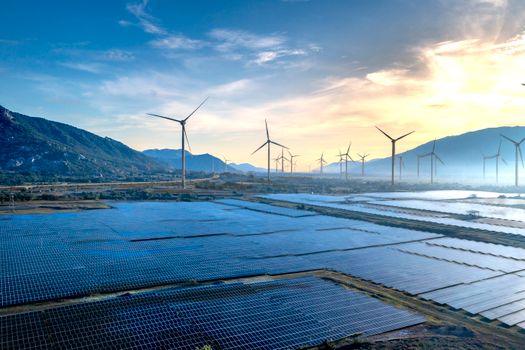
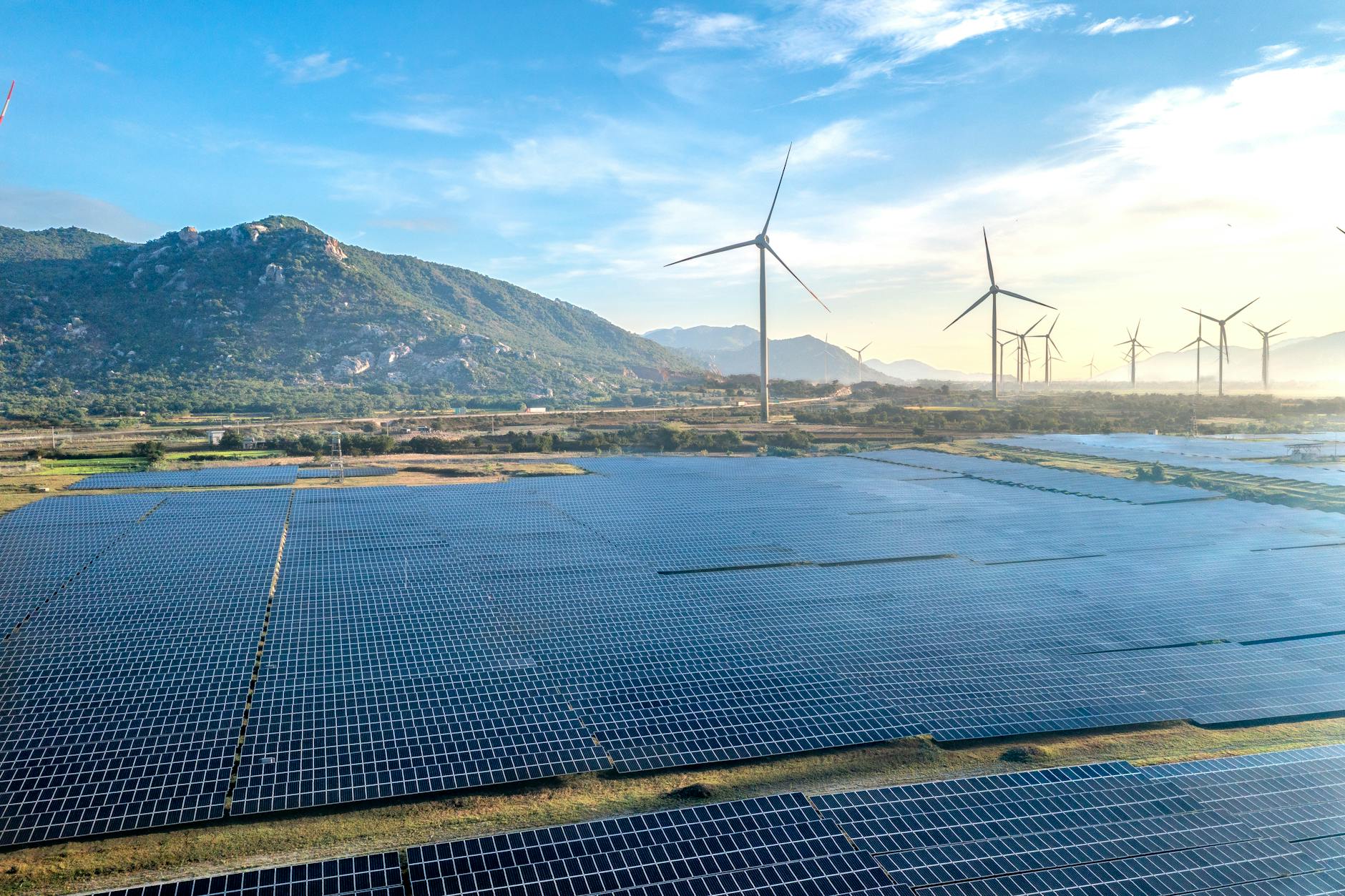
Stunning landscape featuring solar panels and wind turbines at sunrise, symbolizing sustainable energy. Photo: Quang Nguyen Vinh / Pexels
The world of renewable energy is diverse, encompassing several distinct technologies, each with its unique characteristics, advantages, and applications. Understanding these major types is key to grasping the full potential of a sustainable energy future. **Solar Energy:** Perhaps the most well-known renewable source, solar energy harnesses the power of sunlight. Photovoltaic (PV) panels convert sunlight directly into electricity, while concentrated solar power (CSP) systems use mirrors to focus sunlight, generating heat that drives turbines to produce electricity. Solar power is incredibly versatile, suitable for everything from rooftop installations on homes and businesses to large-scale solar farms. Its primary advantage is its ubiquity; sunlight is available almost everywhere, making it a democratizing force in energy production. However, its intermittency – only producing power when the sun shines – necessitates effective energy storage solutions. **Wind Energy:** Wind turbines capture the kinetic energy of moving air and convert it into electricity. These towering structures are often grouped into wind farms, both on land (onshore) and at sea (offshore). Wind energy is a mature and cost-effective technology, particularly in regions with consistent wind patterns. Offshore wind farms, in particular, benefit from stronger and more consistent winds, offering immense potential for large-scale power generation. Like solar, wind power is intermittent, as it relies on wind availability. **Hydropower:** Hydropower utilizes the force of flowing or falling water to generate electricity. This is typically achieved by damming rivers, creating reservoirs, and releasing water through turbines. Hydropower is a highly reliable and dispatchable source of electricity, meaning it can be turned on or off relatively quickly to meet demand. It also offers additional benefits like flood control and water supply. However, large-scale hydropower projects can have significant environmental impacts on river ecosystems and local communities. Smaller, run-of-river hydro systems mitigate some of these concerns. **Geothermal Energy:** Geothermal energy taps into the Earth's internal heat. In certain regions, hot water and steam from deep within the Earth can be used directly for heating or to drive turbines for electricity generation. Geothermal power plants are highly reliable and operate 24/7, making them an excellent source of baseload power. Its geographical dependence, however, limits its widespread applicability, as it's most viable in areas with accessible geothermal reservoirs. **Biomass Energy:** Biomass energy is derived from organic matter, such as agricultural waste, forest residues, energy crops, and animal manure. This organic material can be burned directly to produce heat or electricity, or converted into biofuels (like ethanol or biodiesel) or biogas. While biomass is technically renewable as plants regrow, its sustainability is highly dependent on how it's sourced and managed. Improper biomass cultivation can lead to deforestation or competition with food crops. When managed sustainably, it can be a valuable source of energy, especially for processes that require heat or for transportation fuels.

The Environmental and Economic Advantages of Renewable Energy
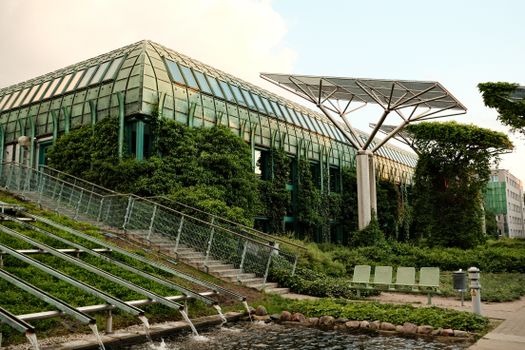
Eco-friendly building with rooftop gardens and solar panels in an urban setting, captured in daylight. Photo: Krystian B / Pexels
The shift towards renewable energy sources is not merely a technological advancement; it's a fundamental reorientation of our relationship with the planet and our economic systems. The advantages of embracing renewable energy are multifaceted, spanning critical environmental benefits and significant economic opportunities. From an environmental perspective, the most compelling advantage is the drastic reduction in greenhouse gas emissions. Unlike fossil fuels, which release carbon dioxide, methane, and other pollutants when burned, renewable energy sources like solar and wind produce little to no greenhouse gases during operation. This directly addresses the leading cause of climate change, helping to stabilize global temperatures, reduce the frequency and intensity of extreme weather events, and protect vulnerable ecosystems. Furthermore, renewables significantly decrease air pollution, which is a major public health concern. Fossil fuel combustion releases particulate matter, sulfur dioxide, and nitrogen oxides, leading to respiratory illnesses, cardiovascular problems, and premature deaths. By transitioning to clean energy, we can dramatically improve air quality, particularly in urban areas, and alleviate the strain on healthcare systems. Renewables also reduce water pollution associated with fossil fuel extraction and processing, and minimize the risk of catastrophic oil spills or coal ash contamination. Economically, renewable energy offers a powerful engine for growth and stability. One of the most significant benefits is energy independence and security. By harnessing domestic renewable resources, nations can reduce their reliance on imported fossil fuels, shielding their economies from geopolitical instability and volatile global energy prices. This leads to greater predictability in energy costs and strengthens national security. The renewable energy sector is also a massive job creator. Investment in manufacturing, installation, operation, and maintenance of solar panels, wind turbines, and other green technologies generates millions of jobs across various skill levels. These are often localized jobs that cannot be outsourced, providing economic revitalization to communities. The cost of renewable energy technologies has plummeted dramatically over the past decade, making them increasingly competitive with, and often cheaper than, new fossil fuel power plants. This declining cost, coupled with government incentives and private investment, makes renewables an attractive financial proposition for both large utilities and individual consumers. Moreover, the decentralized nature of many renewable energy systems, such as rooftop solar, empowers individuals and communities to generate their own power, fostering greater resilience in the face of grid outages and promoting local economic development. For a deeper dive into the economic implications, consider exploring articles on sustainable economic development.

Challenges and the Future Outlook for Renewable Energy Adoption
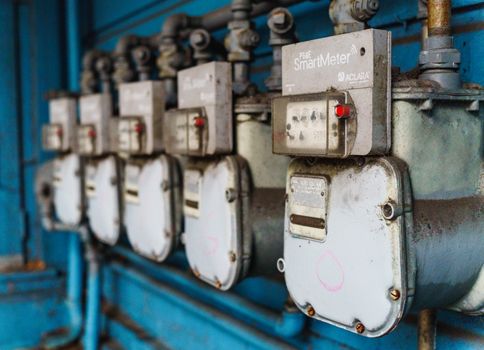
Multiple smart utility meters lined up on a blue industrial wall. Photo: Robert So / Pexels
While the benefits of renewable energy are undeniable, its widespread adoption is not without its challenges. Overcoming these hurdles is crucial for accelerating the global transition to a sustainable energy system. One of the primary challenges is the intermittency of certain key renewable sources, particularly solar and wind. The sun doesn't always shine, and the wind doesn't always blow, meaning these sources cannot provide a constant, on-demand supply of electricity. This necessitates advanced energy storage solutions, such as large-scale batteries, pumped-hydro storage, or even hydrogen production, to ensure grid stability and reliability. Developing cost-effective and efficient storage technologies remains a key area of research and development. Another significant challenge lies in grid infrastructure. Existing electrical grids were primarily designed for centralized fossil fuel power plants. Integrating a large number of distributed renewable energy sources requires significant upgrades and modernization of transmission and distribution networks. This includes developing 'smart grids' that can intelligently manage and balance fluctuating renewable inputs with demand. Policy and regulatory frameworks also play a critical role; inconsistent or unfavorable policies can hinder investment and deployment of renewable projects. Permitting processes can be complex and time-consuming, delaying projects and increasing costs. Despite these challenges, the future outlook for renewable energy is overwhelmingly positive and transformative. Technological advancements are continuously improving the efficiency and reducing the cost of renewable technologies. Breakthroughs in solar cell efficiency, larger and more powerful wind turbines, and innovative energy storage solutions are rapidly changing the landscape. Global investment in renewables continues to soar, driven by governmental commitments, corporate sustainability goals, and increasing public demand. Many countries and major corporations have set ambitious targets for 100% renewable energy, signaling a clear direction for future energy policy and investment. The integration of artificial intelligence and machine learning is also enhancing grid management, forecasting renewable output, and optimizing energy distribution. Furthermore, the development of new and emerging renewable technologies, such as advanced geothermal systems, tidal power, and next-generation biofuels, promises to diversify the renewable energy portfolio even further. The momentum is irreversible, and renewable energy is set to become the dominant form of power generation globally, driving economic prosperity, environmental protection, and a more secure energy future for all.

Comparison

FeatureSolar PVWind PowerHydropowerFossil Fuels
Carbon Emissions (Operational)Very LowVery LowVery LowVery High
Availability (Source)Intermittent (Daylight)Intermittent (Wind)Consistent (Water Flow)Consistent (Fuel)
Land FootprintModerate-HighModerate-HighHigh (Reservoir)Moderate
Cost (LCOE, new plants)LowLowModerateModerate-High
Energy Storage Needed

What Readers Say

"Understanding what is renewable energy completely changed my perspective on my home's power consumption. We installed solar panels last year and are thrilled with the savings and reduced carbon footprint."

Sarah J. · Austin, TX

"This article clearly explains the different types of renewable energy. It's inspiring to see how much progress is being made in clean energy solutions for the future."

Mark D. · Denver, CO

"After reading this, I feel much more informed about sustainable energy. My utility now offers a green energy option, and I've switched, resulting in a noticeable difference in my energy bill."

Emily R. · Portland, OR

"While the benefits of renewable energy are clear, the article could have delved a bit more into the challenges of grid integration. Still, a very comprehensive and helpful overview."

David L. · Miami, FL

"As an investor, understanding what is renewable energy and its market potential is crucial. This piece provided an excellent, accessible breakdown of the key players and future trends."

Maria K. · Chicago, IL

Frequently Asked Questions

What is the most common type of renewable energy used today?

Globally, hydropower is currently the largest source of renewable electricity generation. However, solar and wind power are the fastest-growing renewable energy sources, with significant deployment increases annually due to technological advancements and decreasing costs.

Is renewable energy truly reliable given its intermittency?

While individual renewable sources like solar and wind are intermittent, a diversified portfolio of renewables, combined with advanced energy storage solutions (like batteries), smart grid technologies, and backup power, can create a highly reliable and stable energy system. Research and development in this area are constantly improving reliability.

How can I switch to renewable energy for my home?

You can switch to renewable energy by installing solar panels on your roof, purchasing green electricity from your utility provider if available, or investing in community solar projects. Start by researching local incentives and contacting certified installers for a home energy assessment.

Is renewable energy more expensive than traditional fossil fuels?

The upfront cost of installing renewable energy systems can sometimes be higher, but the operational costs are often much lower or even zero, as the 'fuel' (sunlight, wind) is free. When considering the Levelized Cost of Electricity (LCOE) over the lifetime of a project, many renewable technologies are now cheaper than new fossil fuel power plants, especially when factoring in environmental and health costs.

How does renewable energy compare to nuclear power?

Both renewable energy and nuclear power are low-carbon sources of electricity. Nuclear power provides consistent baseload power but carries concerns about radioactive waste and safety. Renewables are inherently safer and produce no waste, but some are intermittent, requiring storage or diverse generation mixes for reliability. Both play a role in decarbonizing the energy sector.

Who benefits most from the growth of renewable energy?

Everyone benefits from the growth of renewable energy through cleaner air, a more stable climate, and enhanced energy security. Specific beneficiaries include homeowners reducing electricity bills, communities gaining local jobs, and nations achieving energy independence and meeting climate goals.

Are there any environmental risks associated with renewable energy?

While significantly lower than fossil fuels, some renewable energy projects can have localized environmental impacts. For example, large-scale solar farms can affect land use, wind farms can impact bird migration, and hydropower can alter river ecosystems. Responsible planning, siting, and mitigation strategies are crucial to minimize these effects.

What are the major trends shaping the future of renewable energy?

Key trends include the continued decrease in technology costs, advancements in energy storage, the development of smart grids, increased corporate and governmental commitments to net-zero emissions, and innovations in emerging technologies like green hydrogen and advanced geothermal. Decentralized energy production and electrification of transportation are also major drivers.

Embrace the future of energy by understanding what is renewable energy and its immense potential. Make informed decisions that contribute to a cleaner, more sustainable world for generations to come. Start exploring how you can integrate renewable solutions into your life today.

Topics: renewable energysustainable energyclean energygreen energyfuture energy
Leo List

IE Escorts NO Escorts US Escorts NZ Escorts AU Escorts
Brampton weed
Adultwork EstrelaBet Vai de Bet R7 Bet Betão Galera Bet Rainbet Bet9ja Shop SportyBet BetKing Sisal Loto Foot Hollywoodbets YesPlay Odibets RushBet Jugabet BetWarrior BetCity MSport betPawa Fortebet