
Unlocking the Future: Exploring Types of Renewable Energy Sources
Dive into the world of sustainable power and understand the core technologies driving global energy transition.
Explore RenewablesKey Takeaways
- ✓ Renewable energy sources accounted for 21% of total U.S. energy consumption and 23% of electricity generation in 2022.
- ✓ Solar and wind power are the fastest-growing sources of electricity generation globally.
- ✓ Hydropower remains the largest source of renewable electricity in the U.S. and worldwide.
- ✓ Geothermal energy utilizes heat from the Earth's interior, providing consistent, baseload power.
How It Works
Renewable energy technologies capture energy directly from natural, continuously replenished sources like sunlight, wind, water, and heat. This initial capture is tailored to the specific energy type.
Once captured, the raw energy is converted into a usable form, most commonly electricity. This involves various mechanical or chemical processes, such as turbines spinning generators or photovoltaic cells producing current.
The generated electricity is then transmitted through power grids to homes, businesses, and industries. Efficient grid integration is crucial for managing fluctuating renewable output and ensuring stable supply.
Finally, consumers utilize this clean energy for heating, cooling, lighting, transportation, and industrial processes. This cycle significantly reduces reliance on fossil fuels and lowers carbon emissions.
Solar Energy: The Power of the Sun's Rays
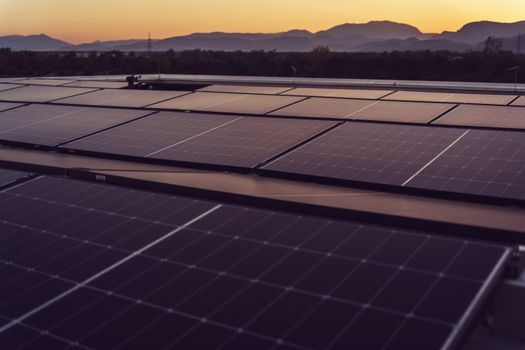 Photo: Michael Pointner / Pexels
Wind Power: Harnessing the Invisible Force
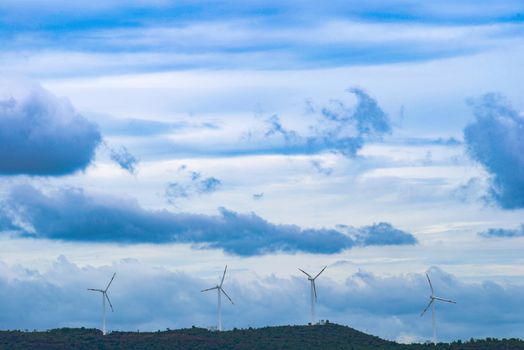 Photo: Visual Entity / Pexels
Hydropower: The Enduring Power of Water
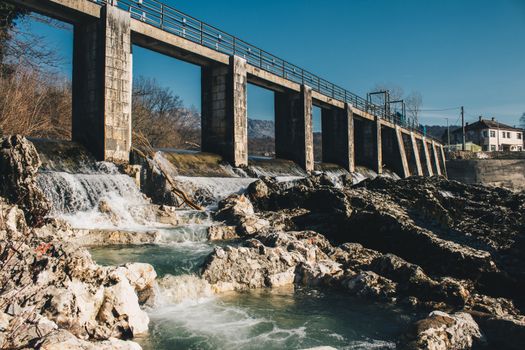 Photo: Mihailo Jovicevic / Pexels
Geothermal, Bioenergy, and Ocean Power: Diversifying the Portfolio
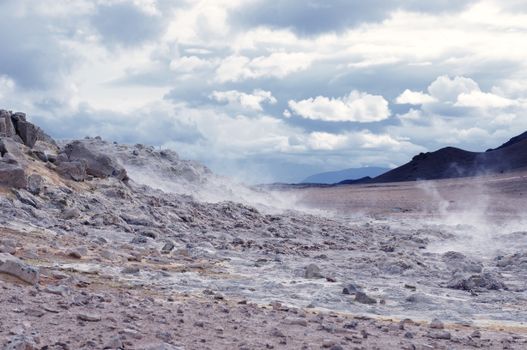 Photo: Budget Bizar / Pexels
Comparison
| Feature | Solar (PV) | Wind (Onshore) | Hydropower (Conventional) | Geothermal |
|---|---|---|---|---|
| Intermittency | High | High | Low | None |
| Fuel Cost | Free | Free | Free | Free |
| Carbon Emissions (Operational) | None | None | None | Very Low |
| Land Footprint (per GWh) | Moderate to High | Moderate | High | Low |
| Baseload Capacity | No | No | Yes | Yes |
| Technology Maturity | High | High | Very High | High |
What Readers Say
"Learning about the different types of renewable energy sources opened my eyes to how many options we have. We recently installed solar panels, and seeing the impact on our electricity bill and carbon footprint has been amazing."
Sarah J. · Austin, TX"This article provided a fantastic overview. I always knew about solar and wind, but the depth on geothermal and bioenergy was particularly insightful. It's clear that a diverse approach is key to our energy future."
Michael D. · Portland, OR"As an environmental studies student, this breakdown of types of renewable energy sources is incredibly helpful. The comparison table alone makes complex information easy to digest, and I've already shared it with classmates."
Emily R. · Denver, CO"While the article was very comprehensive, I would have loved a bit more detail on the economic incentives for each type in the US. Still, a very solid primer on the various renewable energy options available today."
David L. · Chicago, IL"I'm a homeowner exploring sustainable upgrades, and this guide to types of renewable energy sources was exactly what I needed. It helped me understand the pros and cons of different systems relevant to my region, leading to a more informed decision."
Jessica M. · San Francisco, CAFrequently Asked Questions
What are the main types of renewable energy sources?
The main types of renewable energy sources include solar, wind, hydropower, geothermal, and bioenergy. Each harnesses natural processes that are continuously replenished, providing sustainable alternatives to fossil fuels. Ocean energy, encompassing tidal and wave power, is also an emerging category with significant future potential.
Are renewable energy sources truly reliable given their intermittency?
While sources like solar and wind are intermittent, the overall reliability of renewable energy is increasing through a combination of strategies. These include energy storage solutions (like batteries), diversification of renewable sources (combining solar with wind), smart grid technologies, and the integration of baseload renewables like hydropower and geothermal.
How can I incorporate renewable energy into my home?
Homeowners can incorporate renewable energy primarily through rooftop solar panel installations to generate electricity. Other options include installing ground-source heat pumps for efficient heating and cooling, or exploring community solar programs if individual installation isn't feasible. Researching local incentives and professional installers is a great first step.
Is renewable energy more expensive than traditional fossil fuels?
The upfront cost of installing renewable energy systems can be higher than traditional fossil fuel infrastructure. However, the 'fuel' (sun, wind, water) is free, leading to significantly lower operational costs over the system's lifespan. With declining technology costs, government incentives, and carbon pricing, many renewable sources are now cost-competitive or even cheaper than fossil fuels, especially considering environmental and health externalities.
How do renewable energy sources compare to nuclear energy?
Renewable energy sources differ from nuclear energy primarily in their fuel source and waste products. Renewables use natural, inexhaustible resources and produce no radioactive waste or greenhouse gas emissions during operation. Nuclear energy uses uranium, a finite resource, and produces radioactive waste, but offers consistent, high-output, carbon-free power. Both are crucial for decarbonization but have distinct advantages and challenges.
Who benefits most from the growth of renewable energy?
Everyone benefits from the growth of renewable energy. Individuals benefit from cleaner air, lower energy bills (over time), and energy independence. The environment benefits from reduced greenhouse gas emissions and mitigated climate change. Economies benefit from new job creation, technological innovation, and reduced reliance on volatile fossil fuel markets. It's a win-win for sustainability.
What are the environmental impacts of renewable energy infrastructure?
While generally cleaner than fossil fuels, renewable energy infrastructure can have environmental impacts. Large-scale solar and wind farms require significant land area, potentially affecting habitats. Hydropower dams alter river ecosystems. Manufacturing of components like solar panels and batteries requires resources. However, these impacts are typically localized and significantly less severe than the long-term, global impacts of fossil fuel extraction and combustion.
What is the future outlook for types of renewable energy sources?
The future outlook for renewable energy sources is exceptionally positive. Continued technological advancements, falling costs, supportive government policies, and growing public awareness are driving unprecedented growth. We can expect more efficient technologies, advanced energy storage solutions, smarter grids, and increased diversification of renewable sources, leading to a predominantly clean energy future.
Understanding the various types of renewable energy sources is the first step towards a sustainable future. Whether you're a homeowner, business owner, or simply an engaged citizen, exploring these options empowers informed decisions. Join the movement towards a cleaner, more secure energy landscape today.