✓ Renewable energy sources are projected to dominate new power generation capacity in the US.
✓ Electrification of transportation and heating is a major driver of future energy demand shifts.
✓ Smart grid technologies are essential for integrating diverse energy sources and managing demand.
✓ Energy efficiency improvements offer significant potential for reducing overall consumption.
How It Works
1
Diversifying Energy Sources
The US is rapidly moving away from fossil fuels towards a mix of solar, wind, hydro, and geothermal power. This diversification enhances energy security and reduces carbon emissions.
2
Optimizing Consumption with Technology
Advanced smart grids, AI, and IoT devices are enabling more efficient energy distribution and consumption. These technologies allow for real-time adjustments based on supply and demand.
3
Electrifying Key Sectors
Transportation, industrial processes, and residential heating are increasingly shifting to electric power. This transition leverages renewable electricity to decarbonize sectors traditionally reliant on fossil fuels.
4
Empowering Consumers and Communities
Individuals and communities are playing a larger role through rooftop solar, home battery storage, and demand-response programs. This decentralization fosters resilience and reduces reliance on centralized grids.
The Shifting Landscape of US Energy Demand and Supply
Photo: Los Muertos Crew / Pexels
The United States stands at a pivotal juncture in its energy evolution, with the future of energy consumption being shaped by a confluence of technological innovation, environmental imperatives, and economic forces. For decades, the nation's energy backbone was predominantly fossil fuels – coal, oil, and natural gas. However, the 21st century has ushered in an unprecedented transformation, characterized by a rapid acceleration towards diversified and sustainable energy portfolios. This shift is not merely a policy directive but a fundamental re-evaluation of how we power our homes, industries, and transportation systems. The primary drivers behind this seismic change include growing concerns over climate change, advancements in renewable energy technologies, and the increasing economic viability of alternatives to traditional energy sources. The US energy sector is witnessing a significant decline in coal's contribution to electricity generation, alongside a steady rise in natural gas, primarily due to its lower emissions compared to coal and abundant domestic supply. Yet, the most dramatic growth story belongs to renewables. Solar and wind power, once niche technologies, are now mainstream, consistently breaking records for new capacity additions. This expansion is supported by declining costs, improved efficiency, and supportive governmental policies at both federal and state levels. The integration of these intermittent renewable sources into the existing grid infrastructure presents both opportunities and challenges, necessitating robust grid modernization efforts and advanced energy storage solutions. Understanding this dynamic interplay between traditional and emerging energy sources is crucial for comprehending the broader trajectory of US energy consumption. The energy supply chain is becoming more complex, decentralized, and interconnected, demanding sophisticated management and forecasting capabilities. Moreover, the demand side is also evolving, with increasing electrification of end-uses and a greater emphasis on energy efficiency across all sectors. This evolving landscape requires a holistic approach, considering not just where our energy comes from, but how it is used and conserved. The journey towards a sustainable energy future is multifaceted, touching upon every aspect of economic and social life, promising a cleaner, more resilient, and ultimately more prosperous America. Explore renewable energy trends to understand the full scope of this transformation.
Technological Innovations Driving Energy Efficiency and Management
Photo: panumas nikhomkhai / Pexels
At the heart of the revolution in energy consumption lies a suite of groundbreaking technological innovations designed to enhance efficiency, optimize distribution, and empower consumers. Smart grid technologies are perhaps the most significant development in this arena. Unlike traditional grids, which are largely unidirectional and unintelligent, smart grids incorporate digital communication technology to detect and react to local changes in usage and supply. This bidirectional flow of information allows for real-time monitoring, self-healing capabilities, and efficient integration of distributed energy resources like rooftop solar. The deployment of smart meters, a foundational component of the smart grid, provides consumers with granular data on their energy use, enabling them to make informed decisions and participate in demand-response programs. These programs incentivize users to reduce consumption during peak demand periods, thereby alleviating strain on the grid and potentially lowering energy costs. Beyond the grid itself, advancements in energy storage are proving to be game-changers. Battery technologies, particularly lithium-ion, are becoming more cost-effective and scalable, allowing for the storage of excess renewable energy for use when the sun isn't shining or the wind isn't blowing. This addresses the intermittency challenge inherent to many renewable sources and enhances grid stability. Furthermore, innovations in building materials and design are dramatically improving energy efficiency in residential and commercial sectors. High-performance insulation, smart windows, and integrated building management systems (BMS) are reducing heating, ventilation, and air conditioning (HVAC) loads, which traditionally account for a significant portion of building energy consumption. The advent of artificial intelligence (AI) and machine learning (ML) is also playing a crucial role, optimizing energy systems from generation to end-use. AI algorithms can predict energy demand with greater accuracy, manage energy flows in smart buildings, and even optimize the charging and discharging cycles of electric vehicles (EVs) and battery storage systems. These technologies collectively contribute to a future where energy is not just cleaner, but also used more intelligently and responsibly, minimizing waste and maximizing utility. The synergy between these innovations is creating a resilient and adaptive energy ecosystem.
The Rise of Electrification and Decentralization in US Energy
Photo: Rathaphon Nanthapreecha / Pexels
The future of energy consumption in the US is intrinsically linked to two powerful trends: electrification and decentralization. Electrification refers to the process of converting end-uses that traditionally rely on fossil fuels (such as transportation, heating, and industrial processes) to electric power. This transition is critical for decarbonization, as electricity can increasingly be generated from zero-emission renewable sources. The most visible aspect of this trend is the rapid adoption of electric vehicles (EVs). With improving battery ranges, expanding charging infrastructure, and supportive policies, EVs are set to become the dominant form of personal and commercial transportation. This shift has profound implications for electricity demand, requiring significant investments in grid upgrades and charging infrastructure. Similarly, electric heat pumps are gaining traction as an energy-efficient alternative to traditional furnaces and boilers for heating and cooling buildings. These systems not only reduce reliance on natural gas or fuel oil but also offer superior efficiency, especially when powered by renewable electricity. Industrial electrification, though more complex, is also underway, with processes like industrial heat and steam generation gradually transitioning to electric alternatives. Parallel to electrification, decentralization is reshaping the energy landscape. Historically, electricity generation was centralized in large power plants, transmitted over long distances. Today, we are witnessing a proliferation of distributed energy resources (DERs), including rooftop solar panels, community solar projects, and local battery storage systems. These DERs generate power closer to where it's consumed, reducing transmission losses and enhancing grid resilience. Microgrids, which are localized grids that can disconnect from the traditional grid and operate autonomously, are another manifestation of decentralization, providing critical power during outages and increasing energy independence for communities and critical facilities. This shift empowers individuals and communities to become active participants in energy generation and management, rather than passive consumers. It fosters a more robust and flexible energy system, less vulnerable to large-scale failures and more responsive to local needs. The combination of electrification, powered by increasingly renewable sources, and a decentralized, resilient grid forms the bedrock of a truly sustainable energy future for the United States. Discover sustainable energy solutions to see how these trends are implemented.
Navigating the Future: Tips for Consumers and Policy Considerations
Photo: Riki Risnandar / Pexels
As the US navigates the evolving landscape of energy consumption, both individual consumers and policymakers have crucial roles to play in shaping a sustainable future. For consumers, embracing energy efficiency and adopting new technologies can lead to significant savings and a reduced environmental footprint. Here are some actionable tips:
* **Invest in Energy-Efficient Appliances:** Look for ENERGY STAR certified products when replacing appliances, as they are designed to consume less energy. This includes refrigerators, washing machines, dishwashers, and HVAC systems.
* **Improve Home Insulation and Sealing:** Air leaks and poor insulation are major sources of energy waste. Sealing gaps, adding weatherstripping, and upgrading insulation can drastically reduce heating and cooling costs.
* **Consider Rooftop Solar:** If feasible, installing solar panels can reduce your reliance on grid electricity and potentially generate income through net metering programs.
* **Adopt Smart Home Technology:** Smart thermostats, lighting, and power strips can optimize energy use by learning your habits and adjusting consumption accordingly.
* **Drive Electric:** Transitioning to an electric vehicle not only reduces fuel costs but also lowers your carbon emissions, especially when charging with renewable electricity.
* **Participate in Demand-Response Programs:** Many utilities offer incentives for reducing energy use during peak demand hours, helping to stabilize the grid.
From a policy perspective, continued investment in renewable energy infrastructure, grid modernization, and research and development for emerging technologies is paramount. Clear regulatory frameworks that incentivize clean energy, promote energy storage, and facilitate the widespread adoption of EVs are essential. Policies that support workforce development in green energy sectors will also be critical to ensure a just transition. Furthermore, equitable access to clean energy technologies and programs for all communities, regardless of socioeconomic status, must be a central consideration. The convergence of individual action and supportive policy will accelerate the transition to a cleaner, more efficient, and sustainable energy future for the United States.
Comparison
Feature
Renewable Energy (Future)
Fossil Fuels (Current/Past)
Nuclear Power (Alternative)
Carbon Emissions
Very Low/Zero
High
Very Low/Zero
Fuel Source
Infinite (Sun, Wind)
Finite (Coal, Oil, Gas)
Finite (Uranium)
Grid Integration
Complex (Intermittent)
Relatively Simple
Stable (Baseload)
Environmental Impact
Low (Land use, Mfg)
High (Pollution, GHG)
Low (Waste disposal)
Cost Trend
Decreasing
Volatile
High (Construction)
What Readers Say
★★★★★
"This article really opened my eyes to how much energy consumption is changing. I'm excited about the potential for smart grids and how they'll make our electricity more reliable and sustainable."
Sarah J. · Austin, TX
★★★★★
"As an engineer, I found the details on electrification and decentralization incredibly insightful. It's clear the future of energy consumption isn't just about renewables, but also about smarter distribution."
Mark D. · Denver, CO
★★★★★
"After reading this, I'm more motivated to invest in energy-efficient upgrades for my home. The tips provided concrete steps I can take to contribute to a better future of energy consumption."
Emily R. · Portland, OR
★★★★★
"The article covers a lot of ground, though I would have liked a bit more on the challenges of grid modernization. Still, a very comprehensive look at the future of energy consumption in the US."
David L. · Miami, FL
★★★★★
"I appreciate the focus on both technological advancements and consumer actions. It makes the future of energy consumption feel less abstract and more like something we can all actively shape."
Jessica M. · Seattle, WA
Frequently Asked Questions
What are the biggest drivers of change in US energy consumption?
The biggest drivers include growing concerns over climate change, significant cost reductions and technological advancements in renewable energy (solar, wind), and the increasing electrification of transportation and heating sectors. These factors are pushing for a cleaner, more efficient, and decentralized energy system.
Is the US grid prepared for the influx of renewable energy and electric vehicles?
The US grid is undergoing significant modernization efforts to accommodate these changes. While challenges remain, investments in smart grid technologies, energy storage, and upgraded transmission lines are crucial to integrating intermittent renewables and managing increased demand from electric vehicles efficiently and reliably.
How can I reduce my personal energy consumption and contribute to a sustainable future?
You can reduce your energy consumption by investing in energy-efficient appliances, improving home insulation, using smart thermostats, considering rooftop solar, and switching to an electric vehicle. Participating in utility demand-response programs also helps optimize grid usage.
What is the expected cost impact of transitioning to new energy consumption patterns?
While initial investments in new infrastructure and technologies can be substantial, the long-term trend suggests decreasing costs for renewable energy and increased savings through energy efficiency. Volatility in fossil fuel prices also makes renewable sources more economically attractive over time, leading to overall lower energy costs for consumers in the long run.
How does the US approach to energy consumption compare to other developed nations?
The US shares many trends with other developed nations, including a push towards renewables and electrification. However, the scale and diversity of the US energy landscape, coupled with a complex regulatory environment, present unique challenges and opportunities compared to smaller, more centralized European countries or rapidly developing Asian economies.
Who benefits most from the future changes in energy consumption?
Everyone benefits from a cleaner, more stable energy supply, but particular beneficiaries include homeowners with rooftop solar, electric vehicle owners, and communities adopting microgrids for resilience. The environment benefits globally from reduced greenhouse gas emissions, leading to improved public health and climate stability.
Are there any risks associated with the rapid transition to new energy sources?
Potential risks include grid instability due to intermittent renewable sources, cybersecurity threats to smart grids, supply chain vulnerabilities for critical minerals used in batteries, and the need for significant infrastructure investment. However, these risks are being actively managed through technological advancements and policy development.
What role will hydrogen play in the future of energy consumption in the US?
Hydrogen, particularly 'green hydrogen' produced from renewable electricity, is expected to play a significant role in decarbonizing hard-to-abate sectors like heavy industry, long-haul transportation, and aviation. It can also serve as an energy storage medium and a clean fuel for power generation, complementing other renewable sources in the long term.
The future of energy consumption in the US is bright, driven by innovation and a collective commitment to sustainability. By understanding these shifts and taking action, you can be a part of powering a cleaner, more efficient, and resilient America. Start exploring your energy options today.

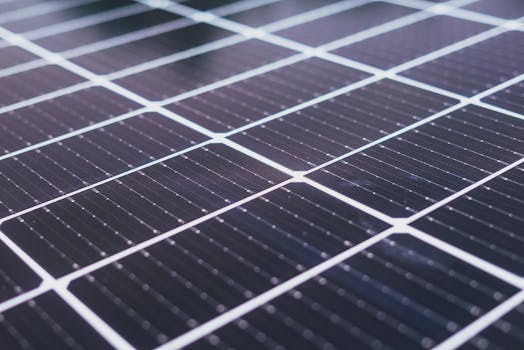 Photo: Los Muertos Crew / Pexels
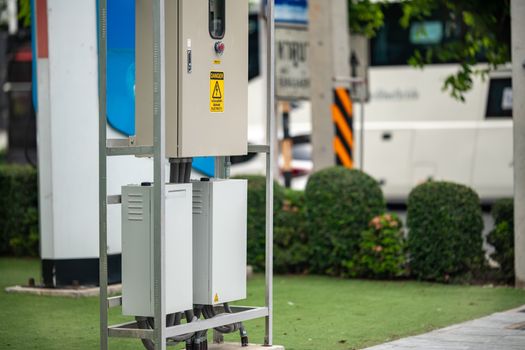 Photo: panumas nikhomkhai / Pexels
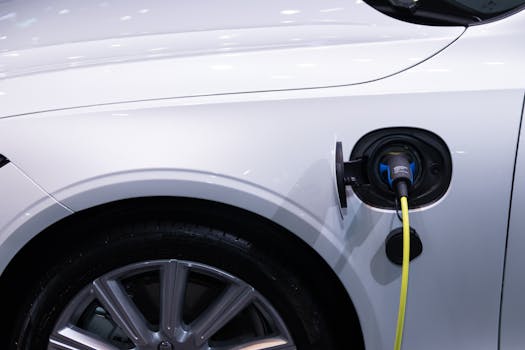 Photo: Rathaphon Nanthapreecha / Pexels
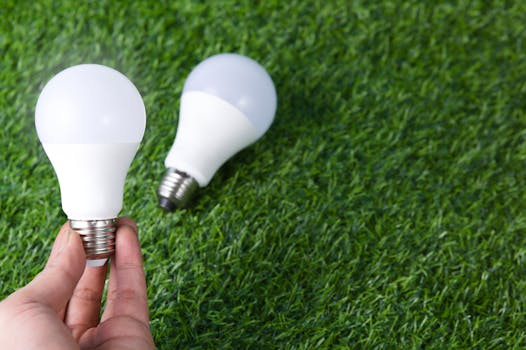 Photo: Riki Risnandar / Pexels