
What is Nuclear Energy? A Deep Dive into Powering Our Future
Explore the science, safety, and societal impact of nuclear power, a critical component of a sustainable energy landscape.
Discover Nuclear PowerKey Takeaways
- ✓ Nuclear energy originates from splitting atoms (fission) to release immense heat.
- ✓ It's a carbon-free electricity source, producing no greenhouse gas emissions during operation.
- ✓ A single nuclear power plant can generate electricity for millions of homes continuously.
- ✓ Nuclear fuel (uranium) is highly energy-dense, meaning a small amount produces vast energy.
How It Works
Uranium ore is mined, processed, and enriched to create fuel pellets. These pellets are then loaded into long rods, which are bundled together to form fuel assemblies.
Inside the reactor, neutrons strike uranium atoms, causing them to split (fission). This process releases a tremendous amount of heat and more neutrons, sustaining a controlled chain reaction.
The heat generated by fission boils water, creating high-pressure steam. This steam is then directed to spin a large turbine, converting thermal energy into mechanical energy.
The spinning turbine drives a generator, which produces electricity. This electricity is then sent through transmission lines to homes and businesses, powering our daily lives.
The Fundamental Science Behind Nuclear Energy: Fission Explained
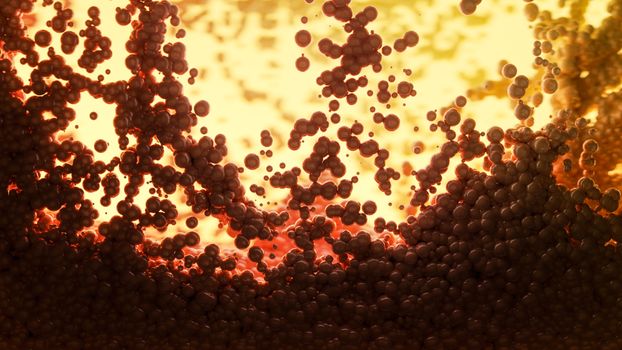 Photo: Marek Piwnicki / Pexels
Safety and Security: Addressing Concerns in Nuclear Power Generation
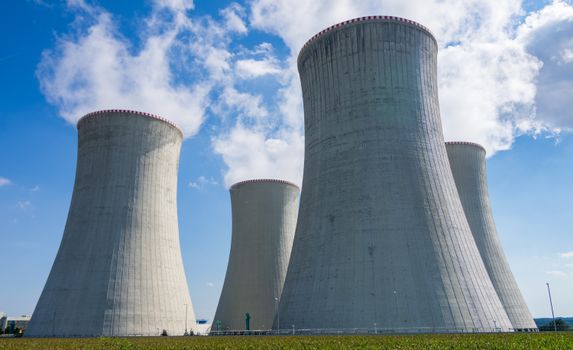 Photo: Rob / Pexels
Environmental Impact and the Role of Nuclear Energy in Decarbonization
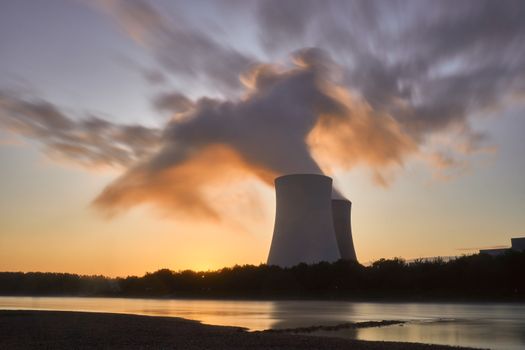 Photo: Markus Distelrath / Pexels
The Future of Nuclear Energy: Innovations and Challenges Ahead
 Photo: Budget Bizar / Pexels
Comparison
| Feature | Nuclear Energy | Solar Power | Coal Power |
|---|---|---|---|
| Carbon Emissions (Operational) | Zero | Zero | High |
| Reliability (Baseload) | High (24/7) | Intermittent (Daylight) | High (24/7) |
| Energy Density | Extremely High | Low | Medium |
| Waste Product | Radioactive (Low Volume) | Non-hazardous (High Volume) | Ash & GHG (High Volume) |
| Land Footprint | Small | Medium to Large | Medium |
What Readers Say
"Learning what is nuclear energy gave me a new perspective on our power grid. It's truly amazing how much clean energy a single plant can produce without any carbon emissions. I feel more confident about its role in our future."
Eleanor V. · Phoenix, AZ"This article clarified so many misconceptions I had about nuclear power. The safety measures and environmental benefits are far more advanced than I realized. It's a critical part of a sustainable energy mix."
Marcus L. · Charlotte, NC"As someone concerned about climate change, understanding what is nuclear energy and its carbon-free operation was eye-opening. It's a powerful solution that provides consistent electricity, making it an essential complement to renewables."
Sarah P. · Boise, ID"While the waste disposal issue is still a challenge, the article thoroughly explained the incredible safety protocols and the environmental advantages of nuclear energy. It's clear that it plays a crucial, though not perfect, role in our energy transition."
David W. · Chicago, IL"From an engineering standpoint, the detailed explanation of fission and advanced reactor designs was fascinating. What is nuclear energy truly represents a marvel of scientific achievement, offering robust and reliable power."
Jessica R. · Houston, TXFrequently Asked Questions
Is nuclear energy safe?
Yes, modern nuclear energy is extremely safe. Nuclear power plants in the US operate under stringent regulations by the NRC, employing multiple layers of redundant safety systems and robust containment structures. The industry has an excellent safety record, with continuous improvements based on lessons learned globally.
Does nuclear energy produce greenhouse gases?
During operation, nuclear power plants produce virtually no greenhouse gas emissions. Their lifecycle emissions, including mining and construction, are comparable to or lower than those of most renewable energy sources, making it a critical tool for combating climate change.
How is nuclear waste managed?
Used nuclear fuel, which is highly radioactive, is stored in specially designed, robust dry casks or spent fuel pools on-site at power plants. These facilities are heavily monitored and engineered to safely contain the waste for decades, while research continues for a permanent geological repository.
How does the cost of nuclear energy compare to other sources?
Nuclear power plants have high upfront capital costs for construction, but their operational costs are relatively low and stable over their long lifespan. When considering the full lifecycle and the absence of carbon emissions, nuclear energy is often competitive with or superior to fossil fuels, especially with carbon pricing.
How does nuclear energy compare to renewable energy sources like solar and wind?
Nuclear energy provides reliable, 24/7 baseload power, meaning it can operate continuously regardless of weather conditions. Solar and wind are intermittent, depending on sunshine and wind. Nuclear complements renewables by providing a stable power foundation, helping to balance the grid and ensure constant electricity supply without carbon emissions.
Who should consider supporting nuclear energy?
Anyone concerned about climate change, air pollution, and the need for a reliable, stable, and secure electricity supply should consider supporting nuclear energy. It's a proven technology that offers a powerful, carbon-free solution to meet large-scale energy demands.
What are the risks of a nuclear meltdown?
The risk of a nuclear meltdown in modern reactors is extremely low due to advanced safety designs, multiple redundant systems, and strict operational protocols. Containment structures are designed to prevent radioactive releases even in severe events, and passive safety features can cool the reactor without active intervention.
What are the future trends in nuclear energy?
Future trends include the development of Small Modular Reactors (SMRs) for more flexible and cost-effective deployment, as well as advanced reactor designs like molten salt reactors and fast reactors that promise greater efficiency, waste reduction, and enhanced safety. Fusion energy is also a long-term goal for potentially limitless clean power.
Now that you have a comprehensive understanding of what is nuclear energy, its immense potential, and its role in a sustainable future, we encourage you to delve deeper. Support informed discussions and policies that embrace this vital carbon-free power source for a cleaner, more reliable energy landscape for generations to come.