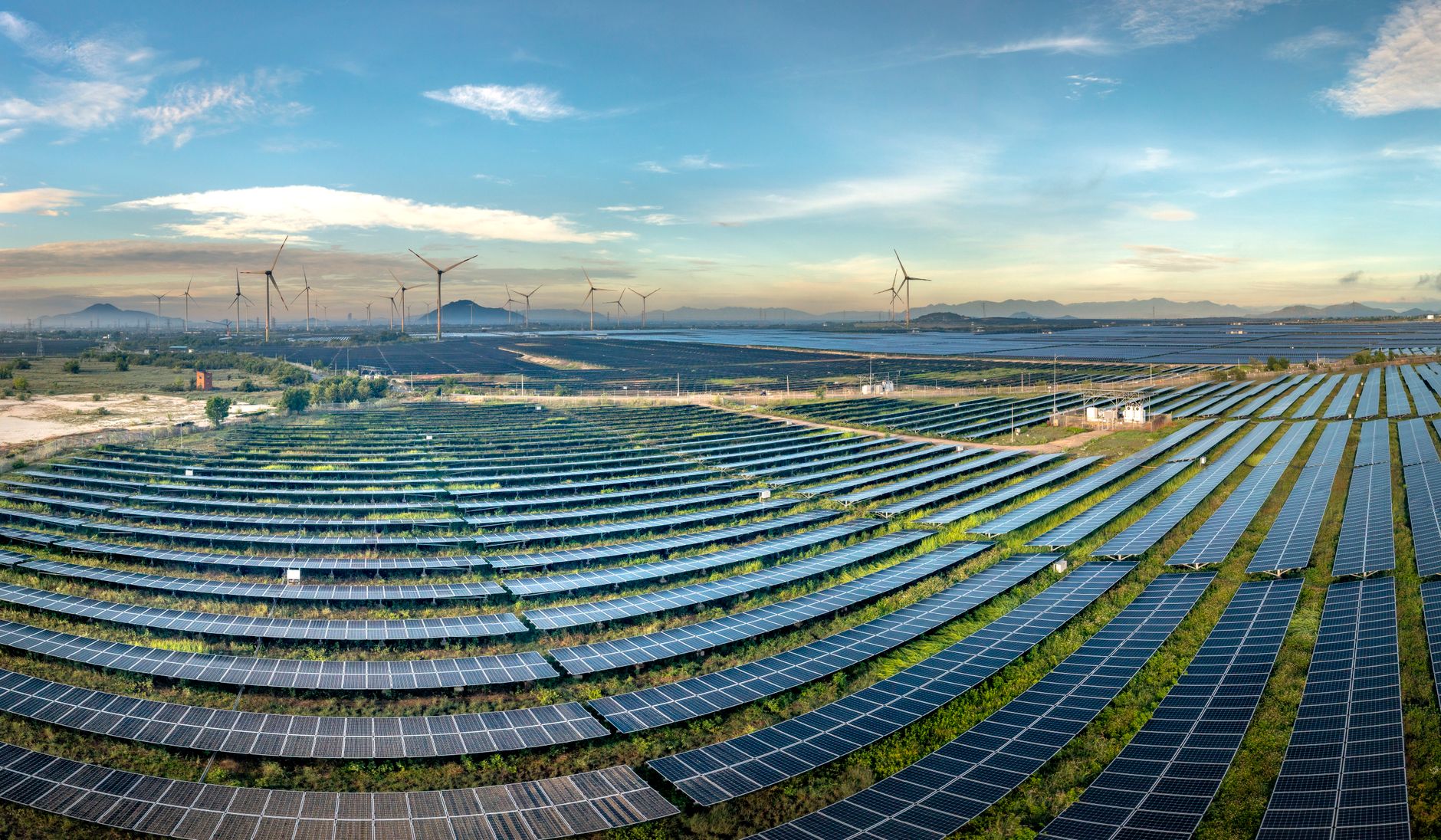
What is Green Energy? Your Guide to Sustainable Power
what is green energy

What is Green Energy? Your Guide to Sustainable Power

Uncover the world of environmentally friendly power sources that are transforming our planet and your energy choices.

Explore Green Energy Now

Key Takeaways

  • ✓ Green energy comes from natural sources that replenish faster than they are consumed.
  • ✓ It significantly reduces greenhouse gas emissions, combating climate change.
  • ✓ Key types include solar, wind, hydro, geothermal, and biomass.
  • ✓ Adopting green energy can lead to long-term cost savings and energy independence.

How It Works

1
Harnessing Natural Resources

Green energy technologies capture power directly from the environment, such as sunlight, wind, or water flow. These methods transform readily available natural phenomena into usable electricity or heat.

2
Conversion to Usable Energy

Specialized equipment, like solar panels or wind turbines, converts the raw natural resource into a different form of energy. This conversion process is often highly efficient and designed to minimize waste.

3
Distribution and Storage

Once converted, the energy is either fed directly into power grids for immediate use or stored in batteries or other systems for later consumption. This ensures a consistent supply even when the natural source isn't active.

4
Empowering Homes and Industries

The generated green energy then powers everything from residential homes and commercial buildings to industrial operations. This sustainable power reduces reliance on fossil fuels and contributes to a healthier planet.

Understanding the Fundamentals of Green Energy
Close-up of a spiral compact fluorescent lamp with orange background, ideal for energy and lighting concepts. Photo: Diana ✨ / Pexels
At its core, understanding what is green energy means recognizing power derived from natural processes that are continuously replenished. Unlike fossil fuels, which are finite and release harmful pollutants when burned, green energy sources offer a sustainable alternative that minimizes environmental impact. This concept goes beyond mere 'renewable energy' by emphasizing the ecological footprint and sustainability throughout the entire lifecycle, from resource extraction to energy generation and waste management. It's about a holistic approach to power production that respects planetary boundaries and promotes long-term ecological balance. The shift towards green energy is not just an environmental imperative but also an economic opportunity, fostering innovation and creating new industries. It addresses critical global challenges such as climate change, air pollution, and resource depletion, offering a pathway to a more resilient and equitable energy future. Countries and communities around the world are increasingly investing in green energy technologies, driven by a combination of policy support, declining costs, and growing public awareness. This global movement signals a fundamental transformation in how we perceive and consume energy, moving away from a linear 'take-make-dispose' model to a circular, regenerative one. The impact of this transition is far-reaching, influencing everything from urban planning and transportation to agricultural practices and industrial processes. By embracing green energy, we are not just changing our power sources; we are redefining our relationship with the planet and building a more sustainable legacy for future generations. The principles of green energy are rooted in ecological science and engineering, aiming to create systems that are not only efficient but also harmonious with natural ecosystems. This includes considerations for biodiversity, water usage, and land stewardship. Ultimately, green energy represents a commitment to a healthier planet and a more sustainable way of life, demonstrating that economic progress and environmental protection can indeed go hand in hand. It's about making conscious choices today that will yield profound benefits for tomorrow, ensuring that our energy needs are met without compromising the ability of future generations to meet their own needs. For more insights into broader energy topics, explore our guide on the future of energy.

Diverse Sources: Solar, Wind, Hydro, and Geothermal Power
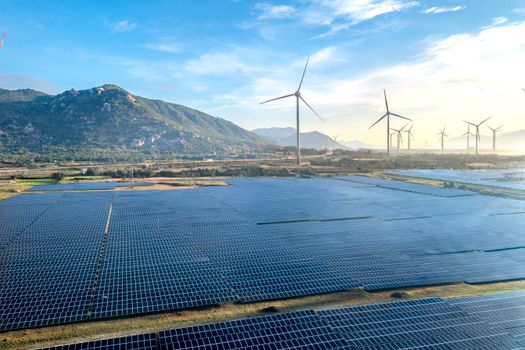
Aerial view of a solar and wind energy farm set against Vietnam's scenic landscape. Photo: Quang Nguyen Vinh / Pexels
The landscape of green energy is rich and varied, encompassing several distinct sources, each with its unique advantages and applications. Solar energy, perhaps the most recognizable, harnesses the sun's abundant radiation using photovoltaic (PV) panels or concentrated solar power (CSP) systems. PV panels convert sunlight directly into electricity, making them ideal for residential rooftops and large-scale solar farms. CSP systems use mirrors to focus sunlight, heating a fluid to produce steam that drives a turbine. The continuous reduction in solar panel costs and efficiency improvements have made solar power an increasingly attractive option for both grid-tied and off-grid applications, offering energy independence and reduced utility bills. Wind energy is another cornerstone of green power, capturing the kinetic energy of moving air with towering wind turbines. These turbines, often grouped into wind farms, convert wind into electricity. Modern wind turbines are highly sophisticated, designed to operate efficiently across a range of wind speeds and environments, from vast onshore plains to offshore coastal areas. Offshore wind farms, in particular, benefit from stronger and more consistent winds, leading to higher energy yields. The development of larger, more powerful turbines continues to drive down the cost of wind energy, establishing it as one of the most cost-effective forms of new electricity generation globally. Hydroelectric power, or hydro energy, is one of the oldest and most established forms of green energy. It utilizes the force of flowing water, typically from rivers or reservoirs, to spin turbines connected to generators. Large-scale hydropower projects can provide a significant and reliable baseload power supply, while smaller run-of-river systems minimize environmental impact. Hydropower plants offer the advantage of energy storage through reservoirs, allowing for flexible power generation to meet demand fluctuations. However, careful consideration of ecological impacts on aquatic ecosystems and local communities is crucial for sustainable hydropower development. Geothermal energy taps into the Earth's internal heat, utilizing steam and hot water from underground reservoirs to generate electricity or directly heat buildings. Geothermal power plants are highly reliable, providing a constant, 24/7 power supply regardless of weather conditions. This makes them an excellent source for baseload electricity. Beyond electricity generation, geothermal systems can also be used for direct heating and cooling through geothermal heat pumps, offering efficient climate control for homes and businesses. The geographical availability of high-temperature geothermal resources is a factor, but advancements in enhanced geothermal systems (EGS) are expanding its potential to more regions. Finally, biomass energy involves converting organic matter, such as agricultural waste, forest residues, and dedicated energy crops, into heat, electricity, or biofuels. Biomass can be burned directly, gasified, or fermented to produce various energy forms. While biomass is considered renewable, its sustainability depends heavily on sourcing practices to ensure that the rate of regeneration exceeds the rate of consumption and that land use changes do not lead to deforestation or biodiversity loss. When managed sustainably, biomass can play a crucial role in waste management and contribute to a circular economy, offering a versatile green energy solution.

Environmental and Economic Benefits of Green Energy Adoption
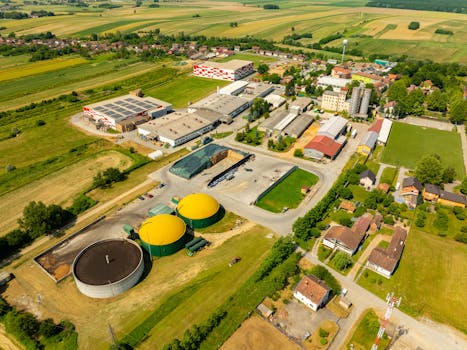
Aerial shot of an industrial facility in Hercegovac, Croatia during the day. Photo: Vladimir Srajber / Pexels
The adoption of green energy sources brings forth a multitude of compelling benefits, spanning both environmental preservation and economic prosperity. Environmentally, the most significant advantage is the drastic reduction in greenhouse gas emissions. Unlike fossil fuels, which release carbon dioxide, methane, and other pollutants when burned, green energy sources produce little to no emissions during operation. This directly contributes to mitigating climate change, reducing air pollution, and improving public health. Cleaner air means fewer respiratory illnesses and a better quality of life for communities. Furthermore, green energy often requires less water for cooling compared to traditional power plants, conserving a vital resource, and minimizes the risk of environmental disasters associated with fossil fuel extraction and transportation, such as oil spills or pipeline leaks. By shifting away from finite resources, green energy also helps preserve natural habitats and biodiversity that are often threatened by mining and drilling operations. Economically, the transition to green energy offers substantial advantages. One of the primary benefits is increased energy independence and security. By relying on domestically abundant natural resources like sun and wind, countries can reduce their dependence on imported fossil fuels, shielding their economies from volatile global energy markets and geopolitical risks. This stability can lead to more predictable energy prices for consumers and businesses. The green energy sector is also a powerful engine for economic growth and job creation. Investment in renewable infrastructure, manufacturing of components, installation, and maintenance services generates millions of jobs globally, ranging from engineers and technicians to construction workers and researchers. These are often high-skilled, well-paying jobs that contribute to local economies. Moreover, the decreasing cost of renewable technologies, particularly solar and wind, has made green energy increasingly competitive with, and often cheaper than, conventional power generation. This cost-effectiveness translates into lower energy bills for consumers and reduced operating costs for businesses, enhancing their competitiveness. The long-term stability of fuel costs (as the 'fuel' – sun, wind, water – is free) provides a significant financial advantage over fossil fuels, whose prices are subject to market fluctuations. Governments and utilities are also recognizing the value of green energy in building a resilient and decentralized grid, less susceptible to large-scale outages. Incentives like tax credits, rebates, and grants further sweeten the deal for individuals and businesses looking to make the switch. The economic benefits extend to innovation, as research and development in green technologies drive technological advancements that have spillover effects into other sectors, fostering a culture of sustainable development. The move towards green energy is not just about power; it's about building stronger, healthier, and more prosperous communities. Understanding the broader context of energy production and consumption is key; read more about it here: the global energy transition.

Overcoming Challenges and Future Outlook for Green Energy

Despite its numerous benefits, the widespread adoption of green energy faces several challenges that require innovative solutions and strategic planning. One of the most significant hurdles is intermittency. Solar power only generates electricity when the sun shines, and wind power relies on the wind blowing. This variability poses challenges for grid stability and requires robust energy storage solutions, such as advanced battery technologies, pumped-hydro storage, or hydrogen production, to ensure a consistent power supply. The cost and scalability of these storage solutions are critical areas of ongoing research and development. Another challenge is the integration of distributed green energy sources into existing grid infrastructure. Traditional grids were designed for centralized power generation, and adapting them to accommodate numerous smaller, decentralized renewable sources requires significant investment in smart grid technologies, grid modernization, and advanced control systems. Transmission infrastructure also needs expansion and upgrades to transport renewable energy from often remote generation sites to demand centers efficiently. Land use is another consideration, particularly for large-scale solar and wind farms, which can require significant acreage. This can lead to conflicts with agriculture, wildlife habitats, or local communities. Careful planning, siting, and the development of dual-use technologies, such as agrivoltaics (combining solar panels with agriculture), are crucial to minimize these impacts. The manufacturing and disposal of green energy components, such as solar panels and wind turbine blades, also present environmental challenges, requiring sustainable sourcing of materials and robust recycling programs to ensure their overall environmental footprint remains low. Policy and regulatory frameworks play a pivotal role in overcoming these challenges. Clear, consistent, and long-term government policies, including carbon pricing, renewable energy mandates, and financial incentives, are essential to drive investment and accelerate the transition. The future outlook for green energy is overwhelmingly positive and transformative. Continuous technological advancements are making green energy sources more efficient, reliable, and cost-effective. Breakthroughs in materials science, artificial intelligence, and manufacturing processes are driving down costs and improving performance across the board. The development of next-generation solar cells, more efficient wind turbine designs, and novel energy storage solutions will further enhance the viability of green power. Furthermore, the increasing global commitment to climate action, evidenced by international agreements and national targets, provides a strong impetus for continued investment and innovation. Decarbonization efforts in sectors like transportation (through electric vehicles) and industry (through green hydrogen) will create massive new demands for green electricity, accelerating the build-out of renewable capacity. The concept of a 'smart grid,' which integrates digital communication technology to respond to real-time supply and demand, will become increasingly prevalent, optimizing the flow of green energy and enhancing grid resilience. Decentralized energy systems, including microgrids and community-owned renewables, will empower local communities and increase energy equity. Ultimately, the future envisions a world powered predominantly by green energy, creating a cleaner, healthier, and more sustainable planet for all. This transition won't be without its complexities, but the trajectory is clear: green energy is not just an alternative; it is the future of power.

Comparison

FeatureSolar PowerWind PowerHydropowerGeothermal
ReliabilityIntermittent (daylight)Intermittent (wind availability)Consistent (with reservoirs)Consistent (24/7)
Environmental Impact (Operational)Very LowVery LowModerate (habitat, dams)Very Low
Land FootprintModerate to LargeLargeLarge (reservoirs)Small (power plant)
Cost TrendsDeclining RapidlyDeclining RapidlyStableStable
Scalability✓ (large-scale)✓ (site-specific)

What Readers Say

"Switching to solar panels for our home was one of the best decisions we've made. Understanding what is green energy really motivated us, and now our electric bills are practically non-existent. It's empowering to know our power comes from the sun!"

Sarah J. · Austin, TX

"Our business invested in green energy credits, and the positive impact on our brand image has been incredible. Customers appreciate our commitment to sustainability, and it aligns perfectly with our company values."

Mark D. · Portland, OR

"I was skeptical about the upfront cost, but after researching what is green energy, we installed a geothermal heat pump. Our heating and cooling costs dropped by 40% in the first year, a significant and tangible result!"

Emily R. · Boulder, CO

"We've been using green energy through our utility's program for a few years. While I haven't seen a massive change in my bill, the peace of mind knowing I'm supporting cleaner energy is worth it. More options for local green energy would be great."

David K. · Miami, FL

"As a renewable energy consultant, I constantly educate clients on what is green energy. It's fantastic to see how much progress has been made and how accessible sustainable solutions are becoming for diverse applications, from residential to commercial."

Jessica L. · San Francisco, CA

Frequently Asked Questions

What is the primary difference between 'green energy' and 'renewable energy'?

While often used interchangeably, 'green energy' specifically refers to renewable energy sources that have the least environmental impact, causing minimal pollution and greenhouse gas emissions. 'Renewable energy' simply means the source replenishes naturally, but some renewable sources, like certain forms of biomass, might still have significant environmental footprints if not managed sustainably. Green energy emphasizes environmental friendliness.

Is green energy more expensive than traditional fossil fuels?

Initially, the upfront investment for green energy infrastructure can be higher than traditional fossil fuel plants. However, the operational costs of green energy (like solar and wind) are significantly lower as the 'fuel' (sunlight, wind) is free. This often leads to lower electricity costs over the long term, and with declining technology costs and incentives, green energy is increasingly competitive and often cheaper than fossil fuels.

How can I switch my home to green energy?

There are several ways. You can install your own renewable energy system (like solar panels) on your property. Alternatively, many utility companies offer green energy programs where you can opt to have your electricity supplied from renewable sources for a slight premium. You can also purchase Renewable Energy Certificates (RECs) to offset your carbon footprint, supporting green energy development.

What are the long-term cost benefits of adopting green energy?

Adopting green energy can lead to significant long-term cost benefits, including reduced or eliminated electricity bills, protection against rising fossil fuel prices, and potential for energy independence. Furthermore, government incentives, tax credits, and increased property value (for homes with solar) contribute to substantial financial savings over the lifespan of the system.

How does green energy impact local job markets compared to traditional energy?

Green energy creates a diverse range of jobs in manufacturing, installation, maintenance, research, and development. While traditional energy sectors might see some job shifts, the green energy sector is a net job creator, fostering local economic growth and providing new opportunities in a rapidly expanding industry. These jobs are often stable and require specialized skills.

Who should consider adopting green energy solutions?

Anyone looking to reduce their carbon footprint, lower long-term energy costs, achieve energy independence, or support sustainable development should consider green energy. This includes homeowners, businesses of all sizes, public institutions, and even entire communities looking to build more resilient and environmentally friendly infrastructure.

Are there any risks associated with green energy technologies?

Like any technology, green energy has some considerations. Intermittency of sources like solar and wind requires effective storage and grid management. Manufacturing and disposal of components need sustainable practices. Potential impacts on land use and wildlife from large-scale projects must be managed carefully. However, these risks are generally well-understood and significantly less severe than those associated with fossil fuels.

What role will green energy play in the future of transportation?

Green energy is pivotal for the future of transportation. Electric vehicles (EVs) powered by renewable electricity are rapidly replacing gasoline cars. Furthermore, green hydrogen, produced using renewable electricity, is emerging as a critical fuel for heavy-duty transport, shipping, and aviation, offering a carbon-neutral alternative to fossil fuels in hard-to-decarbonize sectors.

Embracing what is green energy is more than a trend; it's a fundamental shift towards a sustainable and resilient future. Explore the possibilities, understand the benefits, and take the next step towards powering your life with clean, renewable sources. Your choices today shape the world of tomorrow.

Topics: what is green energyrenewable energy sourcessustainable powerclean energyenvironmental benefits
Leo List

IE Escorts NO Escorts US Escorts NZ Escorts AU Escorts
Brampton weed
Adultwork EstrelaBet Vai de Bet R7 Bet Betão Galera Bet Rainbet Bet9ja Shop SportyBet BetKing Sisal Loto Foot Hollywoodbets YesPlay Odibets RushBet Jugabet BetWarrior BetCity MSport betPawa Fortebet