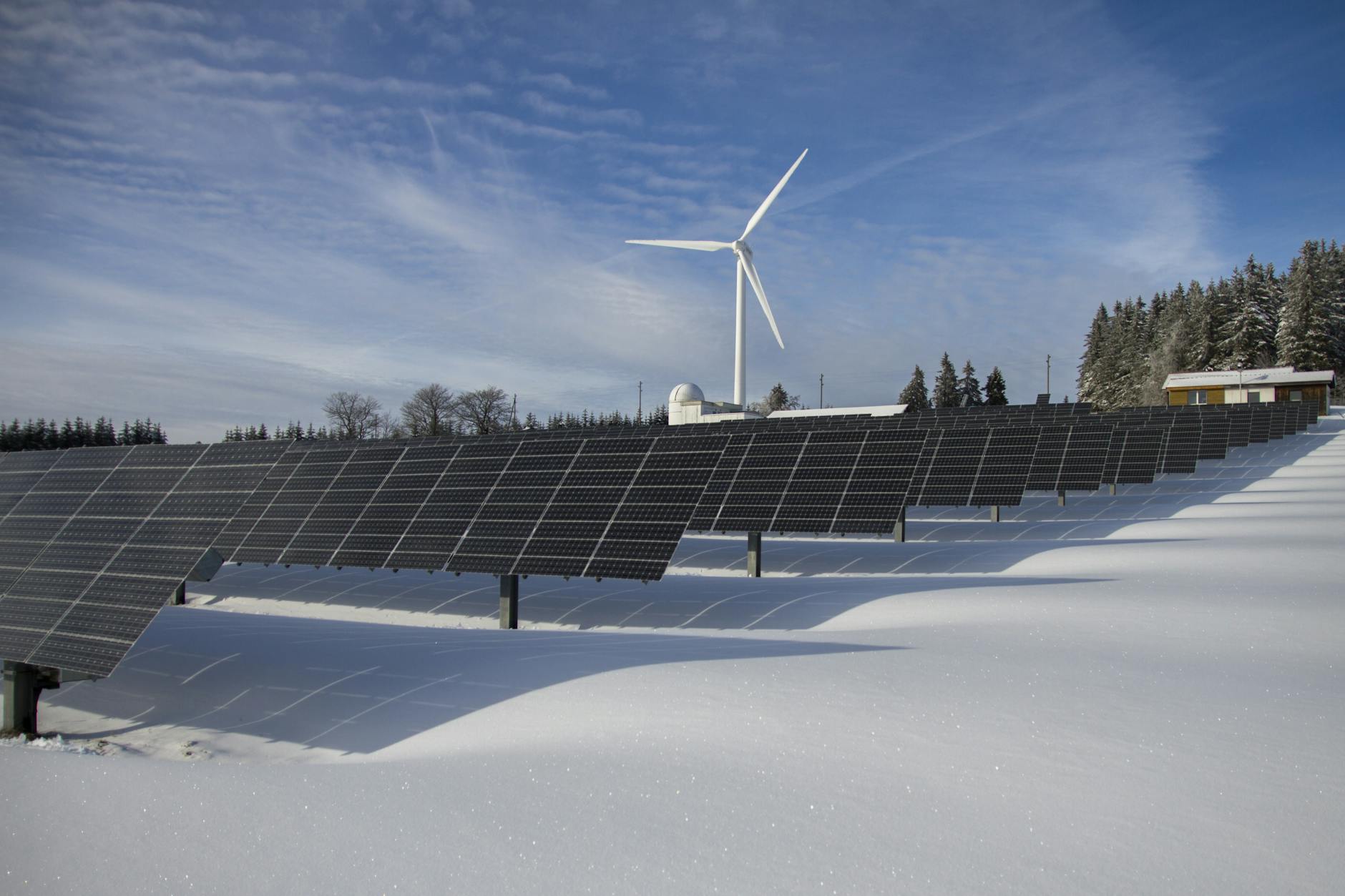
Unlocking a Greener Future: Exploring Types of Clean Energy
Understand the innovative solutions driving a sustainable planet and how they can empower your life.
Explore Clean EnergyKey Takeaways
- ✓ Clean energy sources produce minimal to no greenhouse gas emissions, reducing climate change impacts.
- ✓ Renewable energy, a primary component of clean energy, replenishes naturally over a short timescale.
- ✓ The U.S. is rapidly expanding its clean energy infrastructure, creating jobs and energy independence.
- ✓ Transitioning to clean energy can lead to lower long-term energy costs for consumers and businesses.
How It Works
Clean energy systems capture power from abundant natural resources like sunlight, wind, and water. These resources are continuously replenished by nature.
Specialized technologies, such as solar panels or wind turbines, convert these natural forces into electricity. This process often involves generators or photovoltaic cells.
The generated electricity is then fed into local or national power grids. It can also be stored in batteries for later use, ensuring a consistent power supply.
Finally, this clean electricity travels through transmission lines to power homes, businesses, and industries. This reduces reliance on fossil fuels and their associated emissions.
Solar Power: The Sun's Limitless Potential for Clean Energy
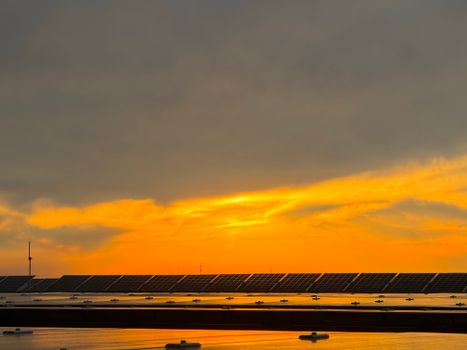 Photo: Fatih PAÇ / Pexels
Wind Energy: Harnessing the Invisible Force
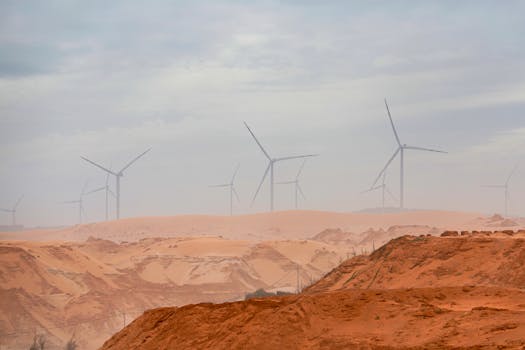 Photo: Hữu Nhựt Trần / Pexels
Hydropower: The Power of Flowing Water as Clean Energy
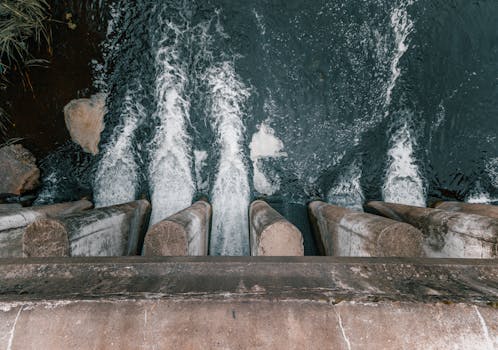 Photo: Kris Møklebust / Pexels
Emerging & Other Types of Clean Energy: Geothermal, Biomass, and Beyond
- Geothermal: Utilizes Earth's heat for power and heating/cooling.
- Biomass: Converts organic waste into energy, carbon-neutral if sustainable.
- Ocean Energy: Harnesses waves and tides, still largely experimental but promising.
- Hydrogen Fuel Cells: Produces electricity with water as the only byproduct.
- Small Modular Reactors (SMRs): Advanced nuclear fission, smaller and safer.
Comparison
| Feature | Solar Power | Wind Power | Hydropower | Geothermal |
|---|---|---|---|---|
| Resource Availability | Global (daylight) | Widespread (windy areas) | Regional (rivers) | Regional (geologically active) |
| Intermittency | High (day/night, clouds) | High (wind speed) | Low (controllable flow) | Very Low (constant) |
| Environmental Impact (Construction) | Land use, material extraction | Land use, bird impact | Ecosystem alteration, displacement | Drilling, water use |
| Environmental Impact (Operation) | ✓ (Zero emissions) | ✓ (Zero emissions) | ✓ (Zero emissions) | ✓ (Minimal emissions) |
| Scalability | Residential to utility | Utility-scale farms | Small to large dams | Regional plants, heat pumps |
| Energy Storage Need | High | High | Low (reservoir acts as storage) | Very Low |
What Readers Say
"Installing solar panels was the best decision for our home. Our electricity bills have plummeted, and it feels great knowing we're using one of the best types of clean energy. The process was surprisingly smooth."
Sarah J. · Austin, TX"Our community switched to a mix of wind and hydro power, and the difference is noticeable. The air quality seems better, and knowing our energy comes from sustainable types of clean energy is incredibly reassuring for the future."
Mark D. · Portland, OR"I researched all the types of clean energy extensively before deciding on geothermal for my new build's HVAC. Our heating and cooling costs are now 60% lower than comparable homes, and the comfort is unmatched. Highly recommend!"
Emily R. · Denver, CO"While I love the concept of all types of clean energy, I sometimes worry about the land footprint of large solar farms. However, the benefits for climate change mitigation far outweigh these concerns in my opinion."
David L. · San Francisco, CA"Learning about the different types of clean energy has truly opened my eyes. We've gone from being completely reliant on fossil fuels to now having a substantial portion of our factory powered by renewable sources. It's a game-changer for our carbon footprint."
Jessica M. · Detroit, MIFrequently Asked Questions
What are the primary types of clean energy?
The primary types of clean energy include solar, wind, hydropower, geothermal, and biomass. These sources are considered clean because they produce minimal to no greenhouse gas emissions or pollutants during operation, helping to combat climate change and improve air quality. Each has unique characteristics and applications.
Is clean energy truly reliable given its reliance on weather?
While some clean energy sources like solar and wind are intermittent (dependent on sun and wind), reliability is ensured through a combination of strategies. These include diversification (using multiple types of clean energy), energy storage solutions (like batteries), smart grid technologies, and baseload clean power sources like hydropower and geothermal. The grid is becoming increasingly resilient.
How can I incorporate clean energy into my home?
You can incorporate clean energy into your home by installing rooftop solar panels, switching to a clean energy provider if available in your area, or upgrading to energy-efficient appliances and geothermal heat pumps. Many local and federal incentives are available to help offset the initial costs of these installations, making clean energy more accessible.
What is the cost of transitioning to clean energy?
The cost of transitioning to clean energy varies widely depending on the scale and type of project. While initial investments for installations like solar panels or geothermal systems can be significant, government incentives, tax credits, and decreasing technology costs often make them financially viable. Over the long term, clean energy typically leads to substantial savings on utility bills and offers energy independence.
How does clean energy compare to nuclear energy?
Clean energy sources like solar and wind are renewable and produce no operational waste, whereas nuclear energy, while also low-carbon, relies on finite uranium fuel and produces radioactive waste that requires long-term storage. Both are crucial for decarbonization, but their fundamental processes and waste management differ significantly. Advanced nuclear technologies aim to address some of these challenges.
Who benefits most from adopting clean energy?
Everyone benefits from adopting clean energy. Individuals benefit from lower energy bills and reduced carbon footprints. Businesses gain from cost savings, enhanced public image, and compliance with sustainability goals. The planet benefits from reduced greenhouse gas emissions, cleaner air and water, and a more stable climate. It's a win-win for all stakeholders.
Are there any environmental downsides to clean energy?
While generally far more environmentally friendly than fossil fuels, clean energy sources are not entirely without impact. For instance, large-scale solar and wind farms require land, hydropower dams can alter ecosystems, and manufacturing components involves resource extraction. However, these impacts are actively being mitigated through responsible siting, technological advancements, and sustainable practices, making their net environmental benefit overwhelmingly positive.
What is the future outlook for types of clean energy?
The future outlook for types of clean energy is incredibly promising. Continued technological advancements, decreasing costs, growing public and governmental support, and the urgent need to address climate change are driving rapid expansion. We can expect more efficient technologies, advanced energy storage, smart grids, and novel clean energy solutions to play an increasingly dominant role in global energy production.
Embracing the diverse types of clean energy is not just an environmental imperative; it's an economic opportunity and a path to a more secure future. Explore how these innovative power sources can benefit your life and contribute to a sustainable world. Make the switch towards a cleaner, brighter energy landscape today.