✓ Clean energy comes from sources that don't produce air pollution or greenhouse gas emissions.
✓ It's crucial for combating climate change and improving public health.
✓ Solar and wind power are the fastest-growing clean energy technologies.
✓ The US is investing heavily in clean energy infrastructure and innovation.
How It Works
1
Harnessing Natural Forces
Clean energy technologies capture power from naturally replenishing resources like sunlight, wind, water, and geothermal heat. These processes convert raw natural energy into usable electricity.
2
Generating Electricity
Once harnessed, this energy is converted into electricity through various mechanisms, such as photovoltaic cells for solar or turbines for wind and hydro. This electricity is then ready for distribution.
3
Grid Integration & Storage
The generated electricity is fed into the national grid, often complemented by advanced battery storage systems to ensure a continuous supply. This integration helps stabilize the grid and meet demand.
4
Powering Homes & Industries
Finally, this clean electricity powers homes, businesses, and transportation, reducing reliance on fossil fuels. It contributes to a cleaner environment and a more energy-independent nation.
Defining Clean Energy: More Than Just 'Renewable'
Photo: Kindel Media / Pexels
When we talk about what is clean energy, it's essential to understand that while often used interchangeably with 'renewable energy,' there's a subtle but significant distinction. Renewable energy refers to energy derived from natural processes that are replenished constantly, such as sunlight, wind, rain, tides, waves, and geothermal heat. Clean energy, however, emphasizes the environmental impact—specifically, the minimal to zero emission of greenhouse gases and pollutants during its generation and use. All clean energy is renewable, but not all renewable energy is necessarily 'clean' in every stage of its lifecycle (e.g., some forms of biomass, if not sustainably sourced, can have emissions). The core principle behind clean energy is to provide power without harming the planet, mitigating climate change, and improving air quality. This distinction is vital for policymaking, investment, and public understanding, ensuring that our efforts to transition away from fossil fuels truly lead to a healthier, more sustainable future. Understanding the broader energy landscape helps contextualize this critical difference. In the United States, the push for clean energy is driven by a combination of environmental concerns, economic opportunities, and national security interests. It represents a fundamental shift in how we power our society, moving away from finite, polluting resources towards infinite, environmentally benign ones. The benefits extend beyond just reducing carbon footprints; they encompass job creation in new industries, increased energy independence, and improved public health outcomes by reducing airborne pollutants. The conversation around clean energy often includes discussions about energy efficiency and conservation, as the cleanest energy is, arguably, the energy we don't use. Therefore, a holistic approach to clean energy involves both generating power sustainably and using it wisely. As technology advances, the efficiency and affordability of various clean energy sources continue to improve, making them increasingly competitive with traditional fossil fuels. This rapid innovation is a key driver behind the global clean energy transition, promising a future where our energy needs are met without compromising the planet for future generations. The commitment to clean energy is not just an environmental imperative but an economic opportunity, fostering innovation and creating new industries and jobs across the nation. It's about building a resilient and sustainable energy infrastructure that can withstand future challenges and provide reliable, affordable power for all.
The Diverse Landscape of Clean Energy Sources
Photo: jason hu / Pexels
The beauty of clean energy lies in its diversity, leveraging various natural phenomena to generate power. Each source has unique characteristics, advantages, and applications, contributing to a comprehensive clean energy portfolio. **Solar power** harnesses the sun's energy using photovoltaic (PV) panels or concentrated solar power (CSP) systems. PV panels convert sunlight directly into electricity, while CSP systems use mirrors to focus sunlight and heat a fluid, which then drives a turbine to generate power. Solar energy is abundant and increasingly affordable, making it a cornerstone of the clean energy transition, suitable for everything from rooftop installations to utility-scale solar farms. **Wind power** captures the kinetic energy of moving air with large turbines. These turbines, often grouped in wind farms on land or offshore, convert wind into electricity. Wind energy is highly efficient in suitable locations and has seen significant technological advancements, leading to larger, more powerful turbines that can generate more electricity. Its intermittency is often addressed through grid integration and energy storage solutions. **Hydropower**, one of the oldest and most established forms of renewable energy, uses the force of moving water to spin turbines. Large-scale hydroelectric dams can provide significant, reliable baseload power, while smaller run-of-river systems offer more localized solutions. While generally clean during operation, large dams can have environmental impacts during construction, which are carefully considered in modern projects. **Geothermal energy** taps into the Earth's internal heat. Geothermal power plants use steam or hot water from deep underground reservoirs to drive turbines and generate electricity. This source is highly reliable, providing continuous power regardless of weather conditions, making it an excellent option for baseload electricity generation in regions with suitable geological activity. **Biomass energy**, while renewable, needs careful consideration to be truly 'clean.' It involves burning organic matter like wood, agricultural waste, or municipal solid waste to produce heat or electricity. For biomass to be considered clean, it must be sourced sustainably, ensuring that the carbon released during burning is reabsorbed by new growth, making it carbon-neutral over its lifecycle. Improper biomass sourcing can lead to deforestation and net carbon emissions, highlighting the importance of sustainable practices. **Ocean energy**, including tidal and wave power, is an emerging clean energy sector. Tidal power uses the rise and fall of ocean tides to drive turbines, while wave power harnesses the energy from ocean waves. These technologies are still in earlier stages of development compared to solar and wind but hold immense potential, particularly for coastal regions, offering predictable and powerful energy sources. The continuous innovation in these diverse fields is expanding the possibilities for clean energy generation, making a fully sustainable energy system increasingly attainable.
The Transformative Impact of Clean Energy on Society and Economy
Photo: Quang Nguyen Vinh / Pexels
The adoption of clean energy isn't merely an environmental choice; it's a profound economic and societal transformation with far-reaching benefits. One of the most significant impacts is on **climate change mitigation**. By replacing fossil fuels, clean energy drastically reduces greenhouse gas emissions, directly addressing the root cause of global warming. This helps prevent extreme weather events, sea-level rise, and other catastrophic environmental changes, safeguarding our planet for future generations. Beyond climate, clean energy dramatically improves **public health**. Traditional fossil fuel combustion releases harmful pollutants like particulate matter, sulfur dioxide, and nitrogen oxides, which contribute to respiratory illnesses, heart disease, and premature deaths. Clean energy sources produce virtually no such pollutants during operation, leading to cleaner air and healthier communities, especially in urban areas. From an **economic perspective**, the clean energy sector is a powerhouse for job creation. Investments in solar panel manufacturing, wind turbine construction, geothermal exploration, and grid infrastructure development create hundreds of thousands of jobs across the United States. These jobs often require diverse skill sets, from engineers and technicians to project managers and construction workers, fostering a new, resilient workforce. Furthermore, the decentralization of energy production through rooftop solar and community grids can enhance **energy independence and security**. Nations relying on imported fossil fuels are vulnerable to geopolitical instabilities and price fluctuations. Clean, domestically sourced energy reduces this reliance, providing a more stable and predictable energy supply, bolstering national security. Exploring the broader implications of energy policy reveals how critical this shift is. The cost of clean energy technologies, particularly solar and wind, has plummeted over the last decade, making them increasingly competitive with, and often cheaper than, fossil fuels. This affordability translates to lower electricity bills for consumers and businesses, stimulating economic growth. Moreover, clean energy fosters **technological innovation**. The demand for more efficient panels, powerful turbines, advanced battery storage, and smart grid technologies drives research and development, leading to breakthroughs that benefit other sectors as well. This cycle of innovation further accelerates the transition to a clean energy economy. The long-term benefits also include the preservation of natural resources. Unlike fossil fuels, which are finite and depletable, clean energy sources are inexhaustible, ensuring a sustainable energy supply for eternity. This shift protects natural habitats, reduces the need for destructive mining practices, and preserves biodiversity. In essence, the widespread adoption of clean energy creates a virtuous cycle: it protects the environment, improves human health, stimulates economic growth, creates jobs, enhances national security, and drives technological progress, leading to a more prosperous and sustainable future for all.
Navigating the Challenges and Maximizing the Potential of Clean Energy
Photo: AS Photography / Pexels
While the promise of clean energy is immense, its widespread adoption isn't without hurdles. Understanding these challenges is crucial for developing effective strategies and maximizing its potential. One primary challenge is **intermittency**. Sources like solar and wind are dependent on weather conditions, meaning they don't produce power consistently. When the sun isn't shining or the wind isn't blowing, backup power or energy storage is needed. This leads to the second major challenge: **energy storage**. Developing cost-effective, large-scale battery storage solutions is paramount to ensure a reliable and continuous supply of clean energy. Significant investments are being made in technologies like lithium-ion batteries, flow batteries, and even pumped-hydro storage to address this. **Grid modernization** is another critical aspect. The existing electrical grid, designed for centralized fossil fuel power plants, needs substantial upgrades to effectively integrate and manage a diverse, decentralized network of clean energy sources. This includes implementing smart grid technologies, enhancing transmission lines, and improving cybersecurity. The **initial capital cost** of building new clean energy infrastructure can be substantial, though operational costs are often lower than fossil fuel plants. Government incentives, tax credits, and private investment are vital to overcome these upfront financial barriers and accelerate deployment. **Land use considerations** can also pose challenges, particularly for large-scale solar farms or wind farms that require significant acreage. Balancing energy needs with environmental conservation and community concerns is an ongoing negotiation. Finally, **public perception and policy uncertainty** can hinder progress. Misinformation about the reliability or cost of clean energy, coupled with inconsistent policy support, can slow adoption. However, by addressing these challenges head-on through innovation, strategic investment, and robust policy frameworks, the potential of clean energy can be fully realized. Governments, industry, and communities must collaborate to build resilient infrastructure, foster technological breakthroughs, and educate the public on the benefits of a clean energy future. This includes continued research into advanced materials for solar cells, more efficient wind turbine designs, novel storage solutions, and integrated smart grid systems. Policies that provide long-term certainty for investors, streamline permitting processes, and incentivize sustainable practices are also essential. Ultimately, overcoming these challenges will pave the way for a future powered entirely by clean, sustainable, and reliable energy sources, creating a healthier planet and a stronger economy for generations to come.
Comparison
Feature
Solar Power
Wind Power
Geothermal Energy
Fossil Fuels
Emissions
Zero (during operation)
Zero (during operation)
Near-zero (during operation)
High
Reliability
Intermittent (daylight dependent)
Intermittent (wind dependent)
Consistent (baseload)
Consistent (dispatchable)
Land Use
Moderate to High
Moderate to High
Low (per MWh)
Moderate
Fuel Cost
Free (sunlight)
Free (wind)
Free (Earth's heat)
Volatile (market prices)
Scalability
High (rooftop to utility)
High (onshore/offshore)
Regional (geology dependent)
High
What Readers Say
★★★★★
"Switching to solar panels for our home was one of the best decisions we made. Our electricity bills have significantly decreased, and it feels great knowing we're contributing to a cleaner environment. The installation process was smooth and hassle-free."
Sarah J. · Austin, TX
★★★★★
"Understanding what clean energy is has opened my eyes to the future. Our community solar project has made a tangible difference, not just in reducing carbon emissions but also in fostering a sense of collective responsibility towards sustainability."
Mark T. · Denver, CO
★★★★★
"Our business invested in clean energy solutions, and within three years, we've seen a 30% reduction in our operational energy costs. It's a smart business decision that aligns with our values and attracts environmentally conscious customers."
Emily R. · Portland, OR
★★★★★
"I'm a strong advocate for clean energy, especially with the growing concerns about climate change. While the initial investment can seem high, the long-term benefits for the planet and our wallets are undeniable. We still need better storage solutions, but progress is rapid."
David L. · Miami, FL
★★★★★
"Working in urban planning, I see firsthand how clean energy initiatives are transforming our cities. From electric public transport to green building codes, it's creating healthier, more livable spaces and driving local economic development."
Jessica M. · San Francisco, CA
Frequently Asked Questions
What is the main difference between clean energy and renewable energy?
While often used interchangeably, clean energy specifically refers to sources that produce minimal to zero greenhouse gas emissions and pollutants during operation, actively mitigating climate change and improving air quality. Renewable energy simply means the source replenishes naturally. All clean energy is renewable, but not all renewable energy (e.g., some biomass) is always considered 'clean' if not sustainably managed.
Is clean energy more expensive than traditional fossil fuels?
The upfront cost for clean energy infrastructure can sometimes be higher, but the operational costs are typically much lower as the 'fuel' (sun, wind, water) is free. Thanks to technological advancements and economies of scale, the cost of clean energy, especially solar and wind, has dramatically decreased and is often now more cost-effective than fossil fuels over its lifetime, particularly with government incentives.
How can I personally contribute to the clean energy transition?
You can contribute by installing rooftop solar if feasible, switching to a clean energy provider, improving your home's energy efficiency, purchasing energy-efficient appliances, opting for electric vehicles, and advocating for clean energy policies in your community. Even small changes in daily habits, like conserving electricity, make a difference.
What are the biggest challenges facing clean energy adoption in the US?
Key challenges include the intermittency of sources like solar and wind, the need for advanced and affordable energy storage solutions, modernizing the existing electrical grid to handle decentralized power, and overcoming initial capital costs. Land use concerns and consistent policy support are also important factors.
How does clean energy impact the economy and job market?
Clean energy is a significant economic driver, creating hundreds of thousands of jobs in manufacturing, installation, research, and maintenance. It fosters innovation, enhances energy independence by reducing reliance on imported fuels, and can lead to lower energy costs for consumers and businesses, stimulating local and national economic growth.
Who benefits most from the shift to clean energy?
Everyone benefits! The planet benefits from reduced emissions and climate change mitigation. Public health improves due to cleaner air. Consumers can benefit from stable or lower energy bills. The economy benefits from new jobs and technological innovation. Future generations benefit from a sustainable energy system and a healthier environment.
Is clean energy safe for residential areas?
Yes, clean energy technologies like solar panels and wind turbines are designed with safety in mind and are generally very safe for residential areas. Stringent regulations and building codes ensure their safe operation. Unlike fossil fuel plants, they don't produce harmful emissions or create risks associated with fuel transportation in communities.
What does the future of clean energy look like in the US?
The future of clean energy in the US is bright, characterized by continued rapid growth in solar and wind power, significant advancements in battery storage, and smart grid technologies. We can expect more widespread adoption of electric vehicles, green hydrogen development, and increased investment in emerging technologies like advanced geothermal and ocean energy, leading to a largely decarbonized grid.
Embracing what is clean energy is not just about changing how we power our lives; it's about investing in a healthier, more prosperous future for everyone. Explore the possibilities, support sustainable practices, and become a part of the movement towards a truly clean and resilient energy landscape.

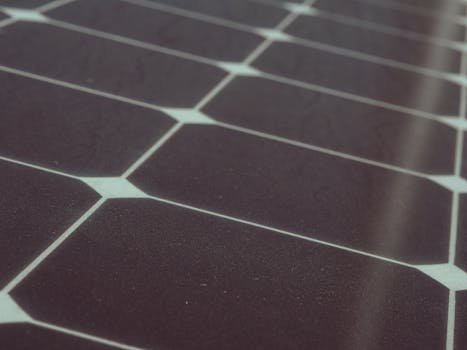 Photo: Kindel Media / Pexels
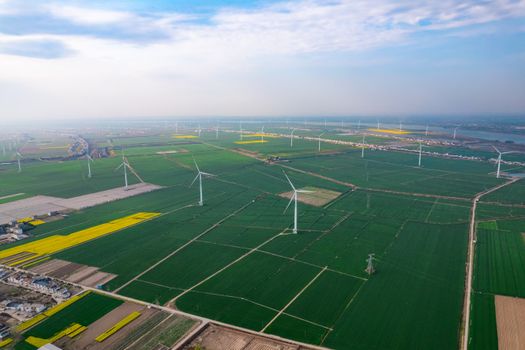 Photo: jason hu / Pexels
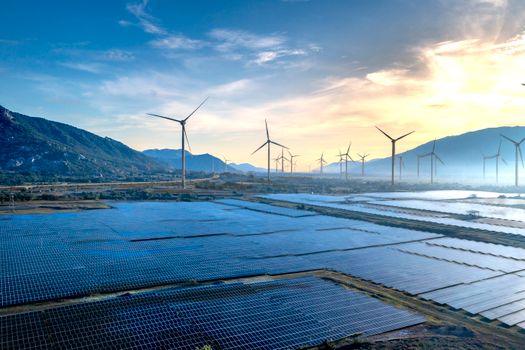 Photo: Quang Nguyen Vinh / Pexels
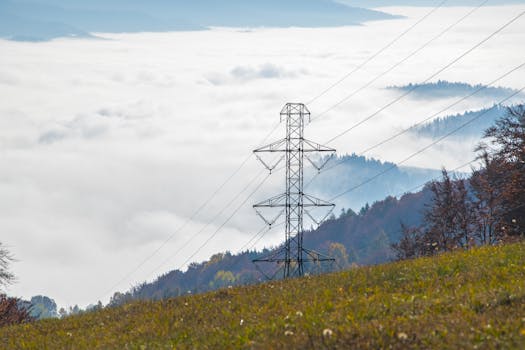 Photo: AS Photography / Pexels