
Understanding the Environmental Impact of Fossil Fuels
Uncover the critical ways fossil fuel use shapes our environment and what can be done to mitigate its effects.
Explore SolutionsKey Takeaways
- ✓ Fossil fuels (coal, oil, natural gas) account for over 80% of global energy consumption.
- ✓ Burning fossil fuels is the primary driver of anthropogenic climate change.
- ✓ Air pollution from fossil fuels contributes to millions of premature deaths annually.
- ✓ Ocean acidification, a direct result of CO2 absorption, threatens marine ecosystems.
How It Works
Fossil fuels are extracted from the earth through mining, drilling, and hydraulic fracturing. These processes can lead to habitat destruction, water contamination, and land degradation.
Once extracted and refined, fossil fuels are burned in power plants, vehicles, and industrial facilities. This combustion releases greenhouse gases and air pollutants into the atmosphere.
Greenhouse gases like carbon dioxide accumulate in the atmosphere, trapping heat. This leads to global warming, climate change, and various cascading environmental effects.
The accumulated gases and pollutants result in rising global temperatures, extreme weather events, ocean acidification, and air pollution, impacting human health and ecosystems globally.
The Unseen Costs: Air Pollution and Public Health
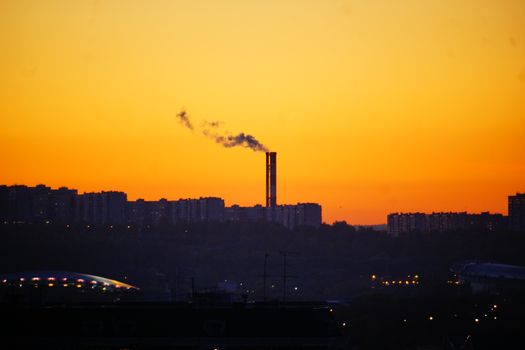 Photo: BREAKS OUT / Pexels
Climate Change and Extreme Weather Events
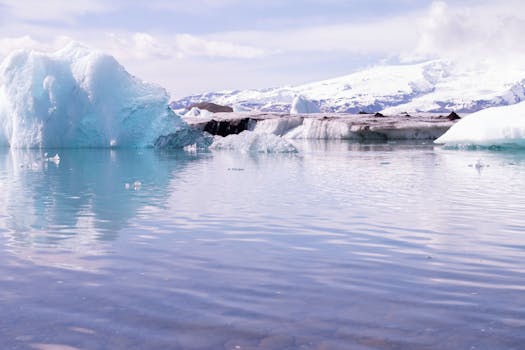 Photo: Milagros Guemes / Pexels
Ocean Acidification and Marine Ecosystems at Risk
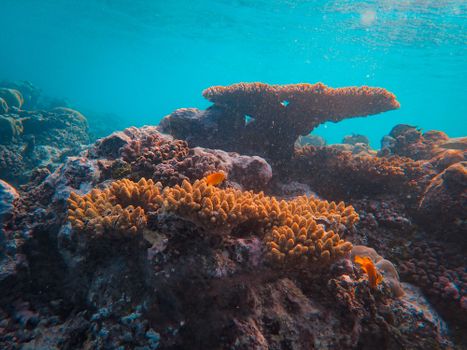 Photo: Francesco Ungaro / Pexels
Mitigating the Impact: A Path Forward
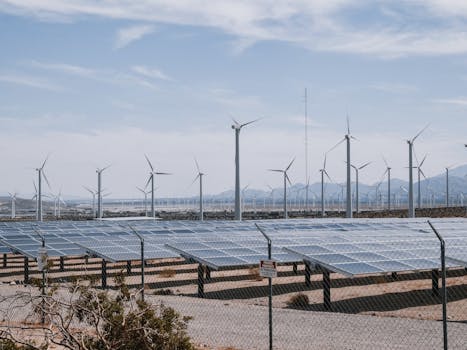 Photo: Kindel Media / Pexels
Comparison
| Feature | Renewable Energy (e.g., Solar/Wind) | Natural Gas | Coal/Oil |
|---|---|---|---|
| Greenhouse Gas Emissions | Very Low/Zero (Operational) | Moderate (Methane leakage concern) | Very High |
| Air Pollution (Particulates, SOx, NOx) | Very Low/Zero | Low to Moderate | Very High |
| Resource Depletion | Unlimited (Sun, Wind) | Finite (Millions of years) | Finite (Millions of years) |
| Water Contamination Risk | Low | Moderate (Fracking, spills) | High (Mining, spills) |
| Land Use Impact | Moderate (Site-specific) | Moderate (Extraction, pipelines) | High (Mining, drilling) |
| Ocean Acidification Contribution | ✗ | ✓ (Via CO2 emissions) | ✓ (Via CO2 emissions) |
What Readers Say
"This article clearly lays out the critical environmental impact of fossil fuels. It's not just about climate change; the sections on air pollution and ocean acidification really opened my eyes to the broader scope of the problem. Extremely helpful and well-researched."
Sarah J. · Boulder, CO"As someone in the energy sector, I appreciate the balanced perspective. The detailed breakdown of climate impacts and the public health implications of fossil fuels provides a comprehensive understanding that's essential for industry professionals and the general public alike."
David M. · Houston, TX"After reading this, I'm even more committed to reducing my carbon footprint. The insights on ocean acidification were particularly impactful, making me realize the urgency of shifting away from fossil fuels to protect marine life. A truly informative read."
Emily R. · Seattle, WA"The article is very informative about the environmental impact of fossil fuels. While it presents a strong case for renewables, I would have liked a bit more discussion on the challenges of a rapid transition, such as grid stability. Still, a valuable resource."
Mark P. · Miami, FL"This content is a must-read for anyone concerned about our planet's future. The section on air pollution's public health costs resonated deeply, highlighting how our energy choices directly affect our well-being. It empowers me to make more informed decisions."
Jessica L. · New York, NYFrequently Asked Questions
What are the primary environmental impacts of fossil fuels?
The primary environmental impacts of fossil fuels include climate change due to greenhouse gas emissions (like CO2), severe air pollution (leading to respiratory and cardiovascular diseases), ocean acidification (harming marine life), and localized environmental damage from extraction and transportation, such as habitat destruction and water contamination.
Is natural gas a 'cleaner' fossil fuel?
While natural gas burns cleaner than coal and oil in terms of air pollutants like particulate matter and sulfur dioxide, it is still a fossil fuel that releases significant amounts of carbon dioxide when burned. Furthermore, methane leakage during extraction and transport is a major concern, as methane is a potent greenhouse gas, making its overall climate impact substantial.
How can I personally reduce my reliance on fossil fuels?
You can reduce your reliance on fossil fuels by improving home energy efficiency (insulation, efficient appliances), choosing renewable energy providers if available, opting for public transport, cycling, or walking instead of driving, reducing air travel, and supporting policies that promote renewable energy and sustainable practices.
What is the economic cost of the environmental impact of fossil fuels?
The economic costs are vast and multifaceted, including healthcare costs from air pollution, damages from extreme weather events (flooding, droughts, wildfires), loss of biodiversity, reduced agricultural yields, and costs associated with repairing infrastructure damaged by climate change. These 'externalities' are often not reflected in the market price of fossil fuels.
How do renewable energy sources compare to fossil fuels in terms of environmental impact?
Renewable energy sources like solar and wind have significantly lower environmental impacts than fossil fuels. They produce little to no greenhouse gas emissions or air pollutants during operation, do not deplete finite resources, and generally have a much smaller ecological footprint over their lifecycle, despite initial manufacturing impacts.
Who is most affected by the environmental impact of fossil fuels?
Everyone is affected, but vulnerable populations and developing nations often bear a disproportionate burden. Communities near extraction sites or industrial areas suffer from localized pollution, while low-lying coastal regions and small island nations face existential threats from sea-level rise and extreme weather events, despite contributing least to the problem.
Are there any safe ways to use fossil fuels?
While technologies like carbon capture and storage (CCS) aim to mitigate emissions from fossil fuel use, no method of extracting and burning fossil fuels is entirely without environmental risk. Even with advanced technologies, the fundamental issue of depleting finite resources and the potential for accidents (e.g., oil spills) remains.
What is the future outlook for fossil fuels and their environmental impact?
The future outlook points towards a necessary global decline in fossil fuel use to meet climate goals. Continued reliance will exacerbate current environmental crises. However, with sustained investment in renewable energy, energy efficiency, and innovative technologies, the world can transition away from fossil fuels, significantly reducing their environmental impact and fostering a more sustainable future.
Understanding the environmental impact of fossil fuels is the first step towards a sustainable future. Empower yourself with knowledge and join the global movement towards cleaner, greener energy solutions. Your choices today shape the world of tomorrow.