What is Clean Energy Definition? Your Guide to a Sustainable Future
what is clean energy definition

What is Clean Energy Definition? Your Guide to a Sustainable Future

Understand clean energy, its sources, and how it powers a healthier planet for generations to come.

Explore Clean Energy

Key Takeaways

  • ✓ Clean energy comes from sources that don't produce air pollution or greenhouse gases.
  • ✓ Renewable energy sources like solar and wind are primary examples of clean energy.
  • ✓ Transitioning to clean energy is crucial for combating climate change and improving public health.
  • ✓ Clean energy technologies are becoming increasingly affordable and efficient globally.

How It Works

1
Harnessing Natural Processes

Clean energy systems capture power from naturally replenishing sources such as sunlight, wind, water flow, and geothermal heat. These processes are continuous and virtually inexhaustible.

2
Converting to Usable Electricity

Specialized technologies like solar panels, wind turbines, and hydroelectric dams convert these natural forces into electricity. This conversion happens with minimal to zero harmful emissions.

3
Integrating into the Grid

The generated clean electricity is then fed into the existing power grid, often alongside traditional sources. Smart grid technologies are improving this integration and distribution efficiency.

4
Powering Homes and Industries

Finally, this clean electricity reaches homes, businesses, and industries, powering our daily lives without contributing to air pollution or climate change. It reduces reliance on fossil fuels.

Unpacking the Core: What Exactly is Clean Energy?
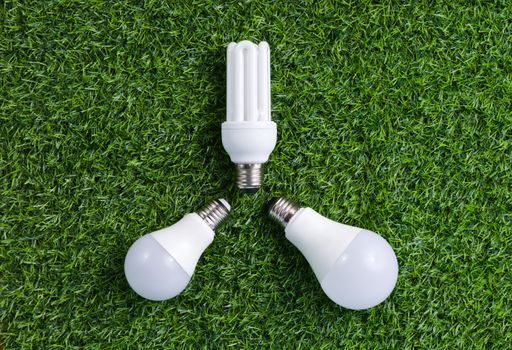
Three energy-efficient light bulbs placed on vibrant green grass, symbolizing sustainable energy. Photo: Riki Risnandar / Pexels
To truly grasp what is clean energy definition, we must first establish a clear understanding of its fundamental principles and distinguishing characteristics. At its heart, clean energy refers to energy derived from sources or processes that do not release pollutants into the atmosphere or contribute to greenhouse gas emissions during their operation. This is a critical distinction from traditional fossil fuels like coal, oil, and natural gas, which, when burned, release carbon dioxide (CO2) and other harmful substances that degrade air quality and accelerate climate change. The 'clean' aspect primarily focuses on the environmental impact, specifically minimizing or eliminating air and water pollution and greenhouse gas emissions. It's not just about the source being renewable, but also about the operational footprint. For instance, while nuclear energy doesn't produce greenhouse gases during electricity generation, the management of radioactive waste and the potential for catastrophic accidents mean it's often categorized separately from truly 'clean' or 'renewable' sources. Clean energy sources are inherently sustainable, meaning they can be replenished naturally within a human timescale, ensuring a continuous supply without depleting finite resources. This sustainability is a cornerstone of the clean energy movement, aiming to meet present energy needs without compromising the ability of future generations to meet their own. Think of the sun, wind, and flowing water – these are perpetual natural phenomena that offer an endless supply of energy if harnessed correctly. The global push for clean energy is driven by an urgent need to decarbonize our energy systems, mitigate the impacts of climate change, and protect public health. Air pollution from fossil fuel combustion leads to millions of premature deaths annually and contributes to various respiratory and cardiovascular diseases. By shifting to clean energy, we can dramatically reduce these health burdens and create healthier communities. Moreover, clean energy offers significant economic benefits, including job creation in manufacturing, installation, and maintenance sectors, as well as increased energy independence for nations. Understanding energy transition is key to appreciating the societal shift towards these cleaner alternatives. This foundational understanding paves the way for exploring the diverse types of clean energy and their unique contributions to a more sustainable world.

The Pillars of Clean Power: Exploring Key Renewable Sources
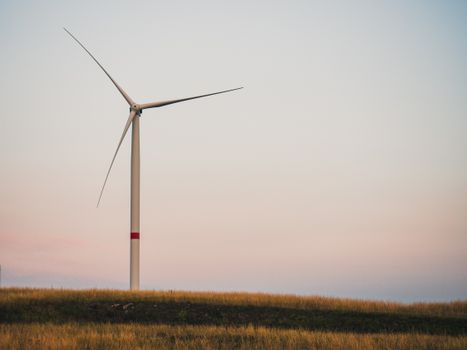
A solitary wind turbine stands on a hill under a colorful sunset sky, symbolizing sustainable energy. Photo: Vyacheslav Bobin / Pexels
Delving deeper into what is clean energy definition requires an examination of its primary sources, which are predominantly renewable. These sources leverage natural, cyclical processes of our planet to generate electricity without the detrimental environmental consequences associated with fossil fuels. The most prominent among these are solar, wind, hydro, geothermal, and biomass. Each offers unique advantages and plays a vital role in a diversified clean energy portfolio. Solar energy, harnessing the abundant power of the sun, is one of the fastest-growing clean energy technologies. Photovoltaic (PV) panels convert sunlight directly into electricity, while concentrated solar power (CSP) systems use mirrors to focus sunlight and generate heat for steam turbines. Solar power is versatile, suitable for large-scale utility projects as well as rooftop installations, providing distributed generation capabilities. Wind energy, derived from the kinetic energy of moving air, is another cornerstone of clean power. Wind turbines, often grouped into large wind farms, convert wind into electricity. Modern turbines are highly efficient and can operate in a wide range of wind conditions, both on land (onshore) and at sea (offshore). Offshore wind farms, in particular, benefit from stronger, more consistent winds and offer immense potential for large-scale power generation. Hydropower, the oldest and most established form of renewable energy, utilizes the force of flowing water to spin turbines and generate electricity. Large-scale hydroelectric dams are significant contributors to global electricity supply, offering reliable, dispatchable power. Smaller run-of-river hydro projects also provide clean energy with less environmental impact. While large dams can alter ecosystems, modern approaches focus on minimizing these effects. Geothermal energy taps into the Earth's internal heat. Geothermal power plants use steam from reservoirs deep within the Earth to drive turbines and produce electricity. This source is highly reliable, operating 24/7, regardless of weather conditions. It's particularly effective in geologically active regions. Biomass energy involves converting organic matter – such as agricultural waste, forest residues, and energy crops – into heat, electricity, or biofuels. While biomass is renewable, its 'clean' status can be debated depending on the source and combustion process, as burning biomass can release greenhouse gases and particulate matter. Sustainable sourcing and efficient conversion technologies are crucial for biomass to truly align with clean energy principles. Understanding these distinct sources is crucial for comprehending the breadth and depth of the clean energy landscape and the diverse solutions available for a sustainable future.

The Profound Impact: Why Clean Energy Matters for Our Future
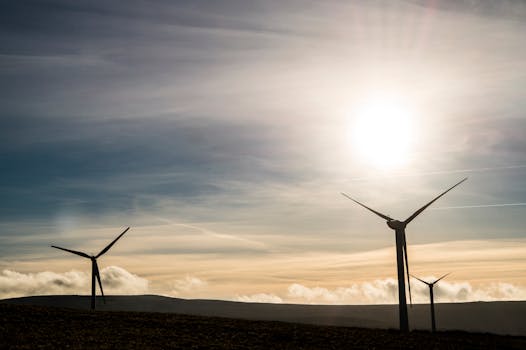
Silhouetted wind turbines generate renewable energy against a stunning sunrise sky. Photo: Ben Jessop / Pexels
The transition to clean energy is not merely an environmental preference; it is an imperative for the long-term health and prosperity of our planet and its inhabitants. The profound impact of embracing clean energy extends across environmental, economic, and social dimensions, fundamentally reshaping our future for the better. Environmentally, the most significant benefit of clean energy is its role in mitigating climate change. By dramatically reducing greenhouse gas emissions, primarily carbon dioxide, clean energy sources slow down global warming, limit sea-level rise, and decrease the frequency and intensity of extreme weather events. This shift protects vital ecosystems, preserves biodiversity, and safeguards natural resources that are essential for human survival. Beyond climate change, clean energy significantly improves air and water quality. Fossil fuel combustion is a major source of air pollutants like sulfur dioxide, nitrogen oxides, particulate matter, and heavy metals, which lead to smog, acid rain, and severe respiratory and cardiovascular diseases. By eliminating these emissions, clean energy directly contributes to better public health outcomes, reducing healthcare costs and improving quality of life, especially in urban areas. Economically, the clean energy sector is a powerful engine for growth and innovation. Investments in renewable energy infrastructure create millions of jobs globally, from manufacturing components and installing systems to operating and maintaining facilities. These are often high-tech, skilled positions that stimulate local economies. Furthermore, clean energy reduces reliance on volatile global fossil fuel markets, enhancing energy independence and price stability for nations. Countries that invest heavily in clean energy become leaders in new technologies, fostering innovation and competitiveness on the global stage. The cost of clean energy technologies, such as solar and wind, has plummeted over the past decade, making them increasingly competitive with, and often cheaper than, new fossil fuel power plants. This economic viability accelerates the transition and makes clean energy accessible to more communities. Socially, clean energy promotes energy access and equity. Decentralized clean energy solutions, like microgrids powered by solar, can bring electricity to remote or underserved communities that lack access to traditional grid infrastructure. This access improves education, healthcare, and economic opportunities, fostering development and reducing energy poverty. It also empowers communities by giving them more control over their energy supply. The shift away from fossil fuels can also reduce geopolitical tensions associated with resource competition. Understanding the full scope of these impacts underscores why a robust sustainable energy strategy is not just a choice, but a necessity for building a resilient, equitable, and thriving future for all.

Navigating the Transition: Challenges and Opportunities in Clean Energy Adoption
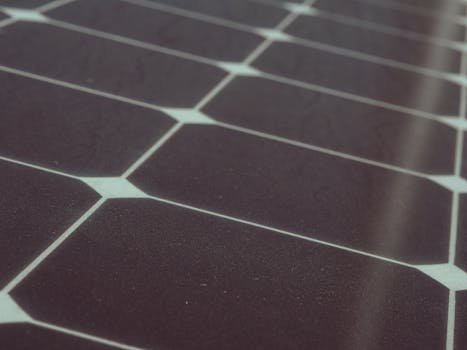
Detailed view of solar panel cells for alternative energy generation and innovation in technology. Photo: Kindel Media / Pexels
While the benefits of clean energy are compelling, the global transition away from fossil fuels is not without its challenges, yet these challenges often present significant opportunities for innovation and progress. Understanding these dynamics is crucial for accelerating clean energy adoption worldwide. One primary challenge is the intermittency of some renewable sources, particularly solar and wind. The sun doesn't always shine, and the wind doesn't always blow, meaning these sources cannot provide constant, on-demand power. This necessitates advancements in energy storage solutions, such as large-scale batteries, pumped-hydro storage, and emerging technologies like green hydrogen. Investing in these storage capabilities is a major opportunity to create a more resilient and reliable clean energy grid. Another hurdle is the significant upfront capital investment required for new clean energy infrastructure. While operational costs are often lower, building solar farms, wind farms, or geothermal plants demands substantial initial funding. This is where policy support, government incentives, and innovative financing mechanisms play a critical role. Opportunities arise in developing new financial models, public-private partnerships, and green bonds to attract the necessary investment. The existing energy infrastructure, largely built around fossil fuels, also presents a challenge. Retrofitting or replacing aging grid systems to accommodate decentralized renewable energy, manage bidirectional power flow, and integrate smart grid technologies is a massive undertaking. However, this also represents an enormous opportunity for grid modernization, creating a more efficient, resilient, and intelligent energy network that can better withstand extreme weather events and cyber threats. Public acceptance and land use concerns can also impede progress. Large-scale renewable projects, particularly wind and solar farms, require significant land areas, which can sometimes lead to local opposition due to visual impact or concerns about wildlife. Addressing these challenges requires transparent community engagement, careful site selection, and the development of technologies like agri-voltaics (combining solar and agriculture) or offshore wind, which minimize land footprint. Finally, the political and regulatory landscape often lags behind technological advancements. Creating stable, long-term policies that support clean energy investment, incentivize innovation, and provide clear regulatory frameworks is essential. This offers an opportunity for policymakers to craft forward-thinking legislation that accelerates the transition, fosters economic growth, and secures environmental protection. Overcoming these challenges will unlock even greater opportunities for job creation, technological breakthroughs, and a truly sustainable global energy system. These tips are crucial for anyone involved in the energy sector to ensure a smoother transition and maximize the benefits of clean energy adoption.

Comparison

FeatureSolar PowerWind PowerCoal PowerNatural Gas Power
Emissions (GHG)Zero (operation)Zero (operation)Very HighHigh
Fuel CostFree (sunlight)Free (wind)Variable (market)Variable (market)
ReliabilityIntermittentIntermittentDispatchableDispatchable
Land UseModerate-HighModerate-HighLow-ModerateLow-Moderate
Water UseLowVery LowHighModerate
Startup TimeFast (PV)FastSlowFast

What Readers Say

"Understanding what is clean energy definition has completely changed my perspective on my home's power consumption. I now actively seek out providers using renewable sources, feeling much better about my environmental footprint."

Sarah J. · Boulder, CO

"This article provided an incredibly thorough explanation of clean energy. It clarified the differences between various sources and highlighted the true benefits for both the environment and the economy."

Mark T. · Austin, TX

"As an environmental scientist, I appreciate the detailed yet accessible breakdown of clean energy. The focus on both the 'clean' aspect and the 'renewable' aspect is crucial and well-articulated, aligning with current scientific consensus."

Dr. Emily R. · Seattle, WA

"While the information on clean energy definition was excellent, I would have loved a bit more on specific government incentives for homeowners. Still, a highly informative read that clarifies a complex topic."

David L. · Miami, FL

"I'm exploring solar for my business, and this article was instrumental in helping me understand the broader context of clean energy. It made me confident in my decision to invest in sustainable power."

Maria G. · Phoenix, AZ

Frequently Asked Questions

What is the primary difference between clean energy and renewable energy?

While often used interchangeably, 'clean energy' specifically refers to energy sources that do not produce pollution or greenhouse gases during operation. 'Renewable energy' refers to sources that replenish naturally. Most renewable energy (like solar and wind) is clean, but not all clean energy is renewable (e.g., nuclear power, though its 'clean' status is debated due to waste). The key is the environmental impact during generation.

Is clean energy truly affordable for the average consumer?

Yes, clean energy is becoming increasingly affordable. The costs of solar and wind power have dropped dramatically over the past decade, making them competitive with, and often cheaper than, fossil fuels. While initial installation costs for residential systems can be an investment, government incentives, tax credits, and lower operational costs often result in long-term savings for consumers.

How can I personally contribute to the clean energy transition?

You can contribute in several ways: switch to a clean energy provider if available in your area, install solar panels on your home, improve your home's energy efficiency (insulation, LED lights), drive an electric vehicle, and advocate for clean energy policies in your community and at a national level. Even small changes collectively make a big impact.

What are the biggest challenges facing the widespread adoption of clean energy?

Key challenges include the intermittency of some sources (requiring better storage solutions), the need for significant infrastructure upgrades to the existing grid, the high upfront capital investment for large projects, and overcoming political and regulatory hurdles. However, these challenges also drive innovation and create new economic opportunities.

How does clean energy compare to nuclear energy in terms of environmental impact?

Nuclear energy is often considered 'carbon-free' in operation, as it doesn't emit greenhouse gases. However, it produces radioactive waste that requires long-term, secure storage, and carries risks of accidents. True clean energy sources like solar and wind have virtually no operational emissions or waste byproducts, making them generally preferable from a holistic environmental perspective, despite nuclear's carbon footprint advantage over fossil fuels.

Who benefits most from the growth of clean energy?

Everyone benefits! The environment benefits from reduced pollution and climate change mitigation. Public health improves due to cleaner air. Economies benefit from job creation, energy independence, and technological innovation. Consumers can benefit from stable or lower energy prices and new energy choices. Future generations benefit from a more sustainable planet.

Are there any safety concerns associated with clean energy technologies?

Generally, clean energy technologies are very safe. For instance, solar panels pose minimal risk once installed. Wind turbines have safety protocols for workers and are designed to withstand extreme weather. While large-scale energy projects always have some inherent risks, these are typically well-managed and significantly lower than the ongoing health and safety risks associated with fossil fuel extraction and combustion.

What are the future trends in clean energy technology?

Future trends include advanced battery storage, green hydrogen production for fuel and industrial processes, enhanced grid modernization with AI and smart technologies, floating offshore wind farms, advanced geothermal systems, and innovative materials for more efficient solar panels. We'll also see greater integration of distributed energy resources and microgrids.

Understanding what is clean energy definition is the first step towards a more informed and sustainable future. By embracing these clean power solutions, we can collectively build a healthier planet and a more resilient society for generations to come. Start your clean energy journey today.

Topics: what is clean energy definitionrenewable energysustainable energygreen energyclean power
Leo List

IE Escorts NO Escorts US Escorts NZ Escorts AU Escorts
Brampton weed
Adultwork EstrelaBet Vai de Bet R7 Bet Betão Galera Bet Rainbet Bet9ja Shop SportyBet BetKing Sisal Loto Foot Hollywoodbets YesPlay Odibets RushBet Jugabet BetWarrior BetCity MSport betPawa Fortebet