✓ Smart thermostats learn your preferences and optimize heating/cooling schedules.
✓ They can be controlled remotely via smartphone, tablet, or voice commands.
✓ Many offer energy usage reports and personalized saving tips.
✓ They integrate with other smart home devices for enhanced automation.
How It Works
1
Installation & Setup
A smart thermostat replaces your old thermostat, connecting to your HVAC system. It then connects to your home's Wi-Fi network for internet access.
2
Learning & Sensing
Using built-in sensors and often external ones, it detects occupancy, temperature, and humidity. Advanced models learn your routine and preferred temperatures over time.
3
Intelligent Control
Based on learned patterns, real-time data, and your settings, it automatically adjusts heating and cooling. This optimizes comfort while minimizing energy waste.
4
Remote Access & Reports
You can control your thermostat from anywhere via an app, and it provides detailed energy usage reports. These insights help you make informed decisions to save more.
Demystifying What is a Smart Thermostat: Beyond Basic Control
Photo: HUUM │sauna heaters / Pexels
In an era where our homes are becoming increasingly connected, the concept of a 'smart' device has permeated nearly every aspect of daily living. Among these innovations, the smart thermostat stands out as a particularly impactful one, especially for homeowners in the US looking to optimize their energy consumption and enhance comfort. But what exactly is a smart thermostat, and how does it differentiate itself from the traditional programmable thermostats many of us grew up with? At its core, a smart thermostat is an internet-connected device designed to regulate your home's heating, ventilation, and air conditioning (HVAC) system with a level of intelligence and convenience far beyond its predecessors. Unlike a conventional thermostat, which simply turns your HVAC system on or off based on a set temperature, a smart thermostat leverages advanced technology to learn, adapt, and provide personalized climate control.
The key distinction lies in its connectivity and intelligence. While a programmable thermostat allows you to set a schedule, it's a static one. A smart thermostat, however, is dynamic. It connects to your home's Wi-Fi network, granting it access to a wealth of data and enabling remote control. This connectivity is the foundation for many of its advanced features, such as geofencing, which uses your smartphone's location to determine if you're home or away, automatically adjusting temperatures to save energy when no one is present. It can also integrate with other smart home ecosystems, allowing for seamless automation with lighting, security, and voice assistants. For example, you could say, "Alexa, set the thermostat to 72 degrees," and your home's climate responds instantly.
Beyond remote access and integration, the 'smart' in smart thermostat truly shines through its learning capabilities. Many models employ algorithms that observe your temperature preferences and daily routines over time. They learn when you typically wake up, leave for work, return home, and go to bed. Based on this learned behavior, they can create an optimized heating and cooling schedule tailored specifically to your household, without you having to manually program every single setting. This self-learning aspect is a significant leap forward, eliminating the complexity often associated with programming traditional thermostats and ensuring energy is not wasted on heating or cooling an empty house. Furthermore, smart thermostats often come equipped with internal and sometimes external sensors that monitor not just temperature, but also humidity, and even occupancy. These sensors provide a more comprehensive understanding of your home's environment, allowing for more precise and efficient climate control. For instance, if a specific room is consistently warmer than others, some smart systems can take that into account. For more insights into broader energy savings, explore home energy efficiency tips. The ability to monitor energy usage in real-time and provide detailed reports is another invaluable feature, empowering homeowners to understand their consumption patterns and identify opportunities for further savings. This level of insight was previously unavailable to the average consumer, making smart thermostats not just convenience devices, but powerful tools for energy management.
Unlocking the Benefits: Why a Smart Thermostat is a Game-Changer
Photo: Alex Bian / Pexels
The transition from a traditional thermostat to a smart thermostat brings a cascade of benefits, making it one of the most popular and impactful smart home upgrades. The primary and most compelling advantage for many US households is the potential for significant energy savings. Heating and cooling typically account for the largest portion of a home's utility bills, often consuming more than half of the total energy usage. By intelligently managing your HVAC system, a smart thermostat can drastically reduce this expenditure. Features like geofencing, which automatically sets back the temperature when you leave and brings it back to comfort levels when you're on your way home, eliminate the wasteful practice of heating or cooling an empty house. Learning algorithms further refine this efficiency by ensuring your system only runs when necessary, according to your actual habits, rather than a generic, often inefficient, schedule. The detailed energy reports provided by these devices offer transparency into your consumption, allowing you to pinpoint peak usage times and make informed adjustments to save even more.
Beyond the financial savings, smart thermostats elevate home comfort to an unprecedented level. Imagine arriving home to a perfectly comfortable environment, without having to remember to adjust the thermostat before you leave or when you're battling traffic. Remote control via a smartphone app means you can tweak settings from anywhere – whether you're at work, on vacation, or simply in another room. This flexibility is particularly useful for unexpected schedule changes or when you want to warm up the house before guests arrive. Many smart thermostats also integrate with voice assistants like Amazon Alexa or Google Assistant, allowing for hands-free adjustments. A simple voice command can change the temperature, check the current setting, or even turn on or off your system, adding a layer of convenience that becomes indispensable once experienced.
Another significant benefit is the enhanced control and insights they offer. Unlike basic thermostats that provide minimal data, smart thermostats often display real-time temperature, humidity levels, and even air quality readings. They can send alerts if temperatures drop too low (preventing frozen pipes) or rise too high, giving you peace of mind, especially when you're away from home. Some models offer zone control capabilities when paired with additional sensors, allowing you to manage the temperature in different areas of your home independently, addressing common issues like hot or cold spots and further optimizing comfort and efficiency. This granular control not only improves the living experience but also ensures that energy is directed precisely where and when it's needed. The integration with other smart home devices also creates a cohesive and automated living environment, where your thermostat can communicate with smart blinds to block sunlight on hot days or with smart lights to indicate system status, creating a truly intelligent home experience.
Key Features and Advanced Technologies in Smart Thermostats
Photo: Geri Tech / Pexels
The innovation in smart thermostat technology continues to evolve, bringing increasingly sophisticated features designed to maximize energy savings and user convenience. Understanding these key features is crucial when deciding which smart thermostat is right for your home. One of the most celebrated features is 'geofencing.' This technology uses the location services on your smartphone to detect when you leave or approach your home. When you cross a predefined boundary, the thermostat can automatically adjust the temperature to an energy-saving setting when you're away and then begin cooling or heating your home to your preferred comfort level as you return. This eliminates the need for manual adjustments and prevents wasted energy.
Another powerful capability is 'learning algorithms' or 'adaptive scheduling.' As discussed, these thermostats observe your habits over time – when you typically adjust the temperature, your preferred settings at different times of the day, and even how long it takes your home to heat or cool. Based on this data, they build an optimized schedule that adapts to your lifestyle, ensuring comfort when you're home and savings when you're not. This self-programming aspect significantly reduces the effort required from the homeowner compared to traditional programmable thermostats. Complementing this, 'remote access and control' through a dedicated smartphone or tablet app is a standard feature. This allows you to monitor and adjust your home's temperature from anywhere in the world with an internet connection, providing unparalleled flexibility and peace of mind.
Many smart thermostats also incorporate 'occupancy sensors' and 'room sensors.' Occupancy sensors, either built into the main unit or available as separate wireless accessories, detect if a room is occupied. This allows the thermostat to prioritize comfort in active areas and conserve energy in unused rooms. Room sensors go a step further, allowing you to measure the temperature in specific rooms, addressing common issues like cold bedrooms or hot living rooms. Some systems can even average temperatures across multiple sensors or focus on a particular sensor, providing true zone control without a complex multi-zone HVAC system. For a deeper dive into managing your home's energy, consider reading about effective energy management strategies. Furthermore, 'energy reporting and insights' are becoming standard. These features provide detailed breakdowns of your HVAC usage, showing you how much energy you're consuming and offering personalized tips to save more. This transparency empowers homeowners to make data-driven decisions about their energy habits. Finally, 'smart home integration' is a critical aspect, allowing these thermostats to communicate with other devices like smart lighting, security systems, and voice assistants, creating a truly interconnected and automated living space. This ecosystem approach enhances both convenience and efficiency, making your home respond intuitively to your needs.
Navigating the Market: Tips for Choosing and Installing Your Smart Thermostat
Photo: alpha innotec / Pexels
Choosing the right smart thermostat for your home can seem daunting with the array of options available, but focusing on a few key considerations will simplify the process. First, compatibility with your existing HVAC system is paramount. Most smart thermostats are compatible with a wide range of systems, including conventional (gas, oil, electric furnace) and heat pump systems. However, some older systems, particularly those without a 'C-wire' (common wire) which provides continuous power to the thermostat, may require an adapter or professional installation. Always check the manufacturer's compatibility checker online before purchasing. Second, consider the specific features that are most important to you. Do you prioritize advanced learning capabilities, extensive sensor support for zone control, or seamless integration with a particular smart home ecosystem like Apple HomeKit, Google Home, or Amazon Alexa? Some brands excel in certain areas, so matching features to your lifestyle is crucial.
Ease of installation is another important factor. Many smart thermostats are designed for DIY installation, typically taking 15-30 minutes. The process usually involves turning off power to your HVAC system, carefully labeling and disconnecting your old thermostat's wires, and then connecting them to the new smart thermostat according to the provided instructions. Most manufacturers offer clear, step-by-step guides and video tutorials. However, if you're uncomfortable working with electrical wiring or if your system requires a C-wire adapter and you're not confident in installing it, professional installation is a safe and recommended option. While there's an added cost, it ensures the thermostat is installed correctly and functions optimally.
Once installed, setting up your smart thermostat involves connecting it to your home's Wi-Fi network and downloading the associated mobile app. The app will guide you through the initial configuration, where you'll typically input your home address, HVAC system type, and initial temperature preferences. This is also where you'll enable features like geofencing, set up schedules, and link to voice assistants or other smart home devices. Take the time to explore all the app's functionalities, as many advanced energy-saving settings can be found there. Regularly reviewing your energy reports and adjusting settings based on insights can further enhance your savings. Remember, the true power of a smart thermostat is realized through ongoing interaction and optimization, allowing it to adapt and save you money year-round. It's an investment that pays dividends in both comfort and cost reduction.
Comparison
Feature
Ecobee Smart Thermostat Premium
Nest Learning Thermostat
Honeywell Home T9
Learning Algorithm
Yes (Eco+) SmartSensor compatible
Yes (Auto-Schedule)
Yes (Adaptive Recovery)
Room Sensors Included
1 SmartSensor included
No, sold separately
1 Smart Room Sensor included
Voice Control Built-in
Yes (Alexa)
No
No
Geofencing
✓
✓
✓
Display Type
Touchscreen
Circular LCD
Touchscreen
Compatibility
Most 24VAC systems, C-wire req'd (adapter incl)
Most 24VAC systems, C-wire often optional
Most 24VAC systems, C-wire req'd
What Readers Say
★★★★★
"Installing my Ecobee was a breeze, and I love being able to control my AC from my phone before I get home from work. My electric bill has noticeably dropped, and the smart sensors ensure every room is comfortable."
Sarah J. · Austin, TX
★★★★★
"The Nest Learning Thermostat truly learned my schedule within a week. I barely touch it now, and my home is always at the perfect temperature. It's a fantastic set-it-and-forget-it solution for energy savings."
Mark R. · Denver, CO
★★★★★
"I was skeptical about the savings, but after installing a Honeywell Home T9, my summer electricity bill dropped by over 15%. The room sensors are a game-changer for balancing temperatures in my open-concept living area."
Emily P. · Miami, FL
★★★★★
"My smart thermostat works great, though the initial setup with my older HVAC system was a bit tricky and required a C-wire adapter. Once installed, the remote access and energy reports have been incredibly useful for managing my heating costs."
David L. · Seattle, WA
★★★★★
"As a frequent traveler, the smart thermostat gives me immense peace of mind. I can monitor my home's temperature and adjust it as needed, preventing pipes from freezing in winter and ensuring comfort for my pet sitter. It's an essential tool for modern home management."
Jessica M. · Chicago, IL
Frequently Asked Questions
What is the main difference between a smart thermostat and a programmable thermostat?
The main difference is intelligence and connectivity. A programmable thermostat follows a static schedule you set. A smart thermostat connects to Wi-Fi, learns your habits, uses sensors, and can be controlled remotely, dynamically optimizing for comfort and energy savings based on real-time data and your presence.
Are smart thermostats difficult to install?
For many homeowners, smart thermostat installation is a straightforward DIY process, often taking less than an hour. Manufacturers provide detailed instructions and videos. However, if your HVAC system is older or lacks a common (C) wire, professional installation might be recommended to ensure proper function and avoid issues.
How much money can I really save with a smart thermostat?
Savings vary based on factors like your home's insulation, climate, and previous thermostat usage. However, many studies and user experiences report savings of 10-20% on heating and cooling costs. The EPA estimates an average of $50-$100 annually, with some users reporting even higher savings.
Do I need a C-wire for a smart thermostat?
Most smart thermostats prefer or require a C-wire (common wire) to provide continuous power. Without it, some models may 'power steal' from other wires, which can cause issues with your HVAC system. Many brands offer workarounds like power extenders or adapters, but checking compatibility is crucial.
Can a smart thermostat control multiple zones in my home?
Yes, many smart thermostats support multi-zone control, though the approach varies. Some require multiple smart thermostats for each zone, while others use a single main thermostat paired with wireless room sensors to manage temperatures in different areas, providing more granular control.
Who benefits most from installing a smart thermostat?
Anyone looking to reduce energy bills, enhance home comfort, or gain more control over their HVAC system will benefit. It's particularly useful for frequent travelers, those with unpredictable schedules, or anyone wanting to integrate their climate control into a broader smart home ecosystem.
Are there any privacy concerns with smart thermostats?
As with any internet-connected device, privacy is a consideration. Smart thermostats collect data on your home's temperature, occupancy, and usage patterns. Reputable brands employ encryption and secure data practices. It's important to review the manufacturer's privacy policy and ensure your home Wi-Fi network is secure.
What are future trends for smart thermostats?
Future trends include even more sophisticated AI for predictive heating/cooling, deeper integration with local weather forecasts and utility demand response programs, enhanced indoor air quality monitoring, and seamless communication with renewable energy systems like solar panels to further optimize energy usage.
Embrace the future of home comfort and energy efficiency. Understanding what is a smart thermostat is the first step towards a more intelligent, comfortable, and cost-effective home environment. Invest in a smart thermostat today and take control of your energy future.
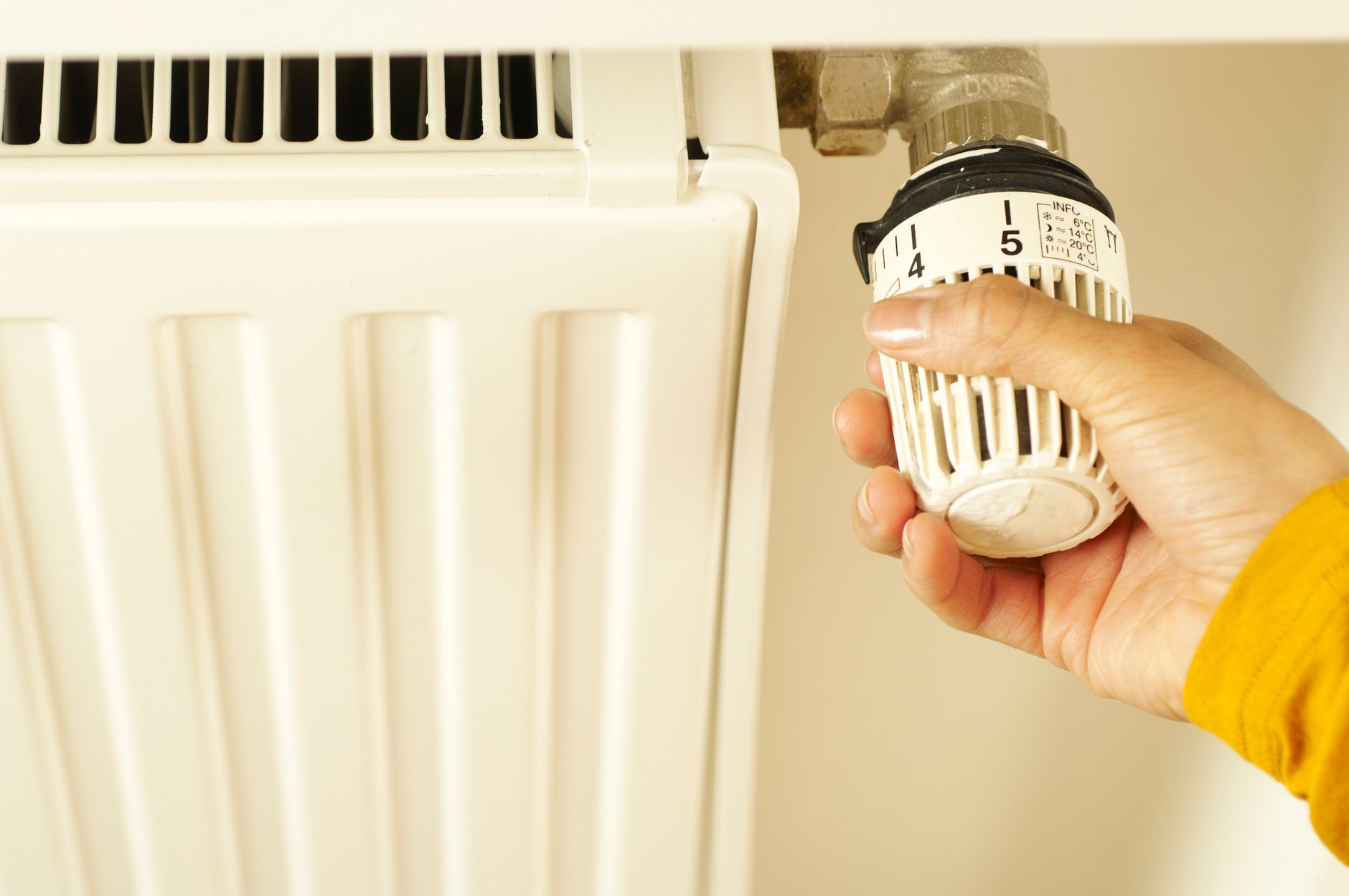
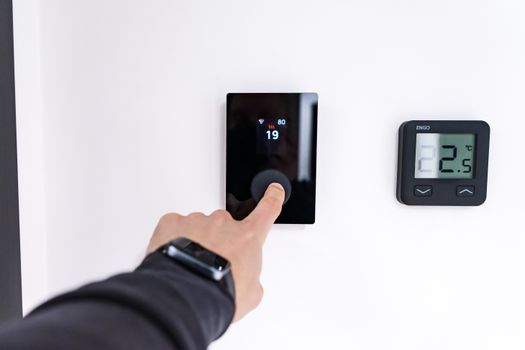 Photo: HUUM │sauna heaters / Pexels
 Photo: Alex Bian / Pexels
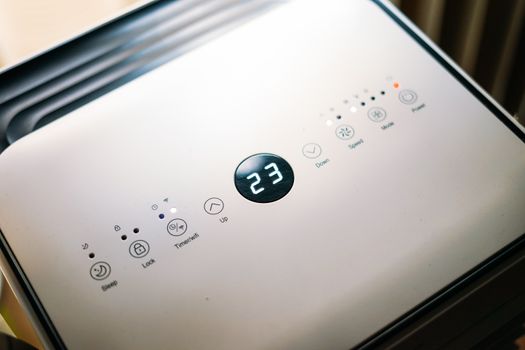 Photo: Geri Tech / Pexels
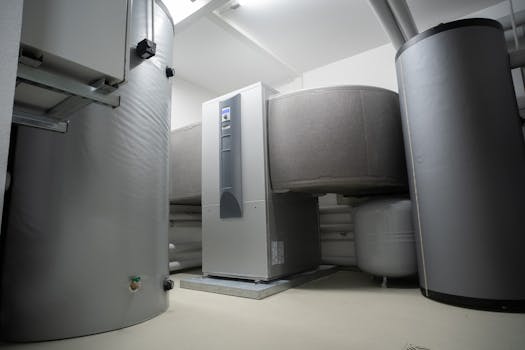 Photo: alpha innotec / Pexels