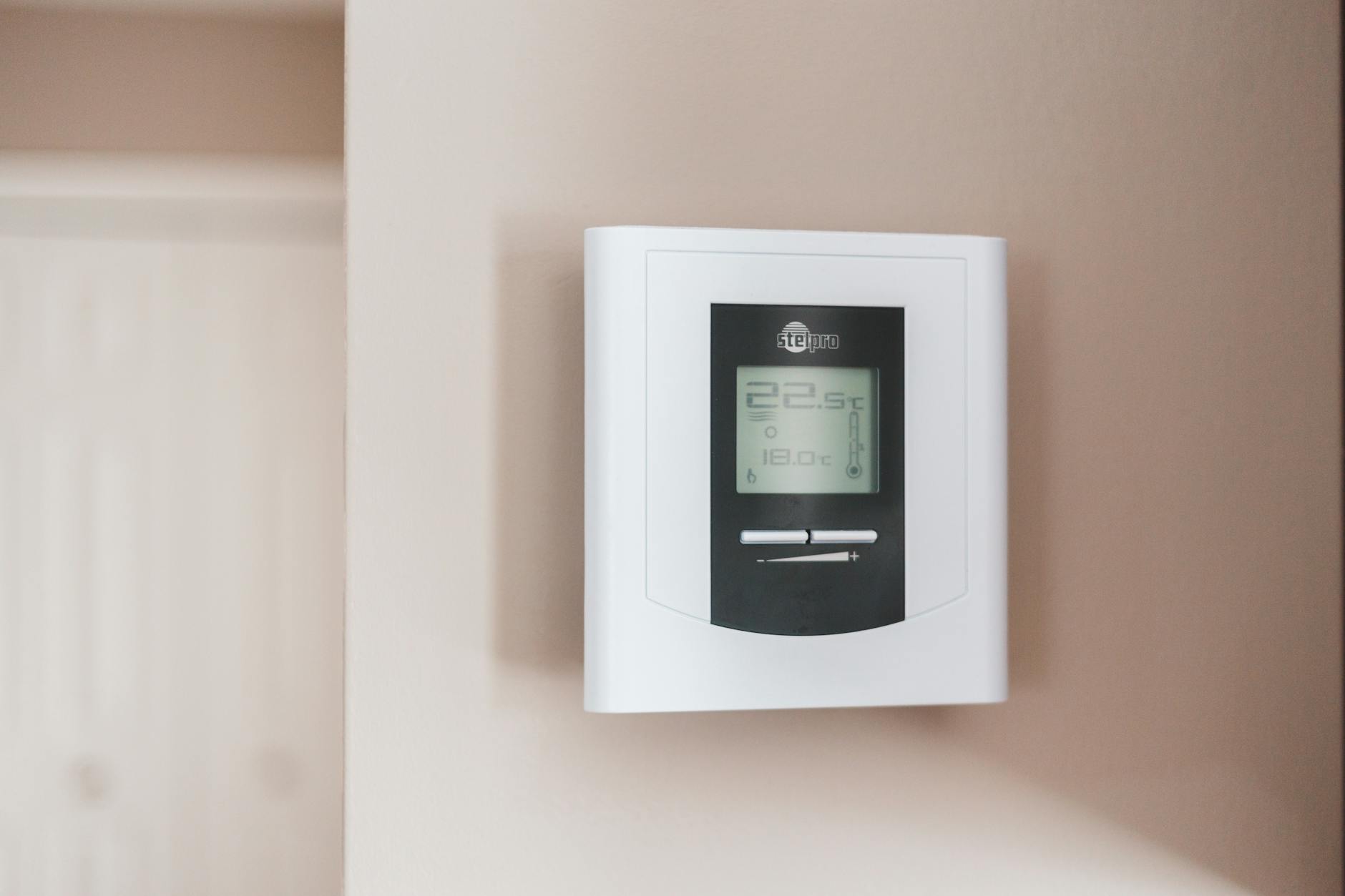
Smart Savings: Where to Buy Home Energy Monitor
buy home energy monitor

Smart Savings: Where to Buy Home Energy Monitor

Gain unparalleled insight into your home's electricity use and start saving money today.

Find Your Monitor Now

Key Takeaways

  • ✓ Home energy monitors can reduce electricity bills by 10-20%.
  • ✓ Real-time data empowers informed energy-saving decisions.
  • ✓ Monitors range from plug-in to whole-home installation.
  • ✓ Many devices integrate with smart home ecosystems.

How It Works

1
Install the Sensor

A sensor clips around your main electrical service wires, typically located in your breaker panel. This non-invasive process measures the current flowing into your home.

2
Connect to Display/App

The sensor transmits data wirelessly to a dedicated display unit or a smartphone application. This connection allows you to view your energy consumption in real-time.

3
Monitor Your Usage

Watch your electricity usage fluctuate as you turn appliances on and off. Identify energy hogs and understand patterns of consumption throughout your day.

4
Optimize & Save

Use the insights gained to make informed decisions about appliance use, identify faulty devices, and implement energy-saving habits. Track your progress and see your savings grow.

Understanding the Benefits of Residential Energy Monitoring
Two LED light bulbs on a bright yellow background, emphasizing modern energy-efficient lighting. Photo: Riki Risnandar / Pexels
In an era where sustainability and cost-efficiency are paramount, understanding your home's energy consumption is no longer a luxury but a necessity. A home energy monitor provides an invaluable window into how your household uses electricity, transforming abstract kilowatt-hours into actionable insights. When you decide to buy a home energy monitor, you're not just purchasing a gadget; you're investing in a tool that empowers you to take control of your utility bills and reduce your environmental footprint. The core benefit lies in visibility. Without a monitor, your electricity bill arrives as a lump sum, offering little detail on *what* consumed *how much* power. With a monitor, you can see real-time usage, identify energy-hungry appliances, and pinpoint peak consumption times. This granular data allows for targeted interventions, whether it's adjusting thermostat settings, upgrading inefficient appliances, or simply changing daily habits. Consider the average American household. Electricity consumption accounts for a significant portion of monthly expenses. Studies have shown that simply being aware of energy usage can lead to a reduction of 5-15% in energy consumption. A home energy monitor amplifies this effect by providing continuous feedback, often in an easy-to-understand visual format. Imagine seeing your energy consumption spike every time your old refrigerator kicks in, or realizing how much power your gaming PC draws even when idle. These insights are difficult to obtain otherwise. Furthermore, many modern energy monitors offer historical data, allowing you to track trends over days, weeks, or months. This feature is crucial for assessing the impact of energy-saving measures you implement. Did replacing those incandescent bulbs actually make a difference? Your monitor can tell you. Did insulating your attic reduce your heating and cooling load? The data will reveal it. This data-driven approach moves beyond guesswork, providing concrete evidence of your efforts. When you buy a home energy monitor, you are equipping yourself with the knowledge to make smart decisions that benefit both your wallet and the planet. It's a proactive step towards a more sustainable and economically sound home. For more information on reducing your overall usage, check out our guide on effective energy-saving strategies.

Types of Home Energy Monitors: Finding Your Perfect Match
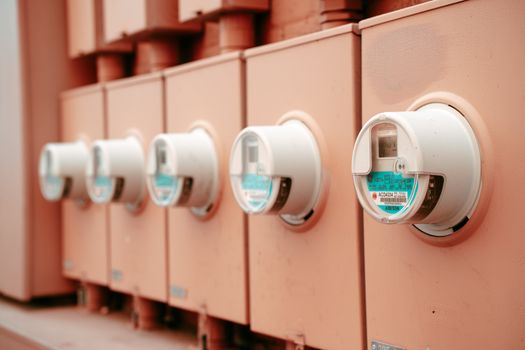
Close-up view of a row of industrial electricity meters for power monitoring and technology. Photo: Connor Scott McManus / Pexels
When you set out to buy a home energy monitor, you'll quickly discover a variety of options, each designed to meet different needs and budgets. Understanding these types is crucial for making an informed decision. The most common categories include whole-home monitors, plug-in monitors, and smart thermostat integrations. Whole-home energy monitors provide the most comprehensive data. These devices typically involve installing current transformers (CT clamps) around the main electrical service lines within your breaker panel. This installation usually requires some comfort with electrical work or the assistance of an electrician, though many DIY-friendly options are available. Once installed, these monitors track the total electricity consumption of your entire house, often breaking it down by individual circuits. They usually connect to a central hub that transmits data to a dedicated display or a smartphone app, offering real-time and historical insights. Brands like Sense, Emporia Vue, and Iotawatt are prominent in this category, offering advanced features like appliance recognition and detailed circuit-level monitoring. Plug-in energy monitors, also known as outlet monitors or power meters, offer a simpler, more portable solution. These devices plug directly into a wall outlet, and then you plug the appliance you want to monitor into the device itself. They are excellent for identifying the energy consumption of specific appliances, such as refrigerators, televisions, or desktop computers. While they don't provide a holistic view of your entire home's energy use, they are incredibly useful for targeting individual energy hogs. They are also significantly more affordable and require no complex installation. Kill A Watt is a classic example of this type. Smart thermostats, while primarily designed for temperature control, often include basic energy monitoring features, especially concerning heating and cooling usage. Some advanced models can even integrate with whole-home energy monitors to provide a more unified dashboard of your energy footprint. While not dedicated energy monitors, they contribute to the overall picture of your energy consumption. Finally, some utility companies offer their own smart meters and associated apps that provide basic energy usage data directly from your utility meter. While these might not offer the real-time granularity of dedicated monitors, they can be a free starting point for understanding your consumption. Your choice will depend on your desired level of detail, ease of installation, and budget. Consider what specific problems you're trying to solve before you buy a home energy monitor.

Key Features to Consider When You Buy Home Energy Monitor

Close-up view of a row of industrial electricity meters for power monitoring and technology. Photo: Connor Scott McManus / Pexels
Before you buy a home energy monitor, it's essential to evaluate the features that will best serve your needs and provide the most value. Not all monitors are created equal, and understanding the nuances can significantly impact your satisfaction and the effectiveness of your energy-saving efforts. One of the most critical features is **real-time monitoring**. The ability to see your electricity usage as it happens is fundamental. This immediate feedback allows you to connect actions (like turning on a light or running the dishwasher) directly to consumption, fostering a deeper understanding of your energy footprint. Look for monitors that update data frequently, ideally every few seconds or minutes. **Data visualization and reporting** are equally important. A monitor that collects data but presents it poorly is of limited use. Seek out devices with intuitive dashboards, clear graphs, and customizable reports. Can you view daily, weekly, monthly, and annual trends? Can you export data for further analysis? Some advanced monitors even offer machine learning capabilities to identify individual appliances based on their unique energy signatures. This "appliance recognition" feature, while not perfect, can significantly streamline the process of finding energy hogs without needing to monitor each appliance individually. Another crucial aspect is **connectivity and integration**. Most modern energy monitors are Wi-Fi enabled, allowing you to access data remotely via a smartphone app. Consider whether the monitor integrates with other smart home platforms like Apple HomeKit, Google Home, or Amazon Alexa. Seamless integration can enhance your overall smart home experience and enable more advanced automation scenarios, such as automating certain appliances based on peak energy pricing. For instance, you could program your dishwasher to run only during off-peak hours, saving money on your electricity bill. Compatibility with your existing smart home ecosystem can simplify management and provide a centralized view of your home's performance. When considering where to buy a home energy monitor, also look into the **installation process**. Some whole-home monitors are designed for DIY installation, while others recommend professional help. Ensure you're comfortable with the required setup or factor in the cost of an electrician. Finally, consider **alerting capabilities**. Can the monitor notify you of unusually high usage, power outages, or other anomalies? These alerts can be invaluable for identifying problems early and preventing unnecessary energy waste. Understanding these features will guide you to the best choice for your specific situation and help you make the most of your investment in energy efficiency. If you are interested in additional smart home devices, explore our smart home energy guide.

Common Mistakes and Smart Tips When Using Your Energy Monitor

Close-up view of a row of industrial electricity meters for power monitoring and technology. Photo: Connor Scott McManus / Pexels
Purchasing a home energy monitor is the first step; using it effectively is where the real savings happen. Avoid common pitfalls and maximize your monitor's potential with these smart tips. **Common Mistakes:** * **Ignoring the Data:** The most significant mistake is simply installing the monitor and then forgetting to check the data. The monitor is a tool; it requires your engagement to be effective. * **Expecting Immediate Drastic Savings:** While savings are real, they accumulate over time. Don't get discouraged if your first month's bill isn't halved. Consistent, small changes lead to big results. * **Focusing Only on Large Appliances:** While large appliances are significant, many small devices contribute to 'vampire load' (standby power). Overlooking these can leave savings on the table. * **Not Understanding Your Utility Rates:** Your monitor shows consumption, but knowing your utility's time-of-use rates or tiered pricing is crucial for optimizing when you use energy. * **Improper Installation:** For whole-home monitors, incorrect installation can lead to inaccurate readings, rendering the data useless. Always follow manufacturer instructions carefully or hire a professional. **Smart Tips for Maximizing Your Monitor:** * **Establish a Baseline:** For the first week or two, just observe your normal usage patterns without making changes. This establishes a baseline against which you can measure improvements. * **Identify Energy Hogs:** Use the real-time data to turn off appliances one by one and see the immediate drop in consumption. This helps pinpoint the biggest energy users. * **Tackle Vampire Loads:** Unplug chargers, gaming consoles, and other electronics when not in use, or connect them to smart power strips. Your monitor will show the drop in background usage. * **Optimize Appliance Usage Times:** If your utility has time-of-use pricing, schedule energy-intensive tasks like laundry or dishwashing during off-peak hours. * **Track Changes Over Time:** Regularly review historical data. This allows you to quantify the impact of energy-saving efforts, like upgrading an old refrigerator or improving insulation. * **Educate the Household:** Share insights with family members. When everyone is aware, energy-saving becomes a collective effort. * **Set Goals:** Challenge yourself to reduce consumption by a certain percentage each month. Gamification can make energy saving more engaging. * **Combine with Home Improvements:** Use your monitor to validate the energy savings from insulation upgrades, new windows, or more efficient HVAC systems. The data provides concrete proof of your investment's return. By actively engaging with your home energy monitor and applying these tips, you'll transform data into tangible savings and a more energy-efficient lifestyle.

Comparison

FeatureSense Energy MonitorEmporia Vue 2Kill A Watt P3 P4400
TypeWhole-Home (Panel)Whole-Home (Panel)Plug-in (Appliance)
InstallationDIY/ElectricianDIY/ElectricianPlug and Play
Real-time Data
Appliance RecognitionAdvanced (AI)Basic (Circuit-level)
Data VisualizationExcellent AppGood AppLCD Screen
Smart Home IntegrationAlexa, Google HomeAlexa, Google Home
Price PointHigherMid-RangeLower

What Readers Say

"Deciding to buy a home energy monitor was a game-changer. I picked up the Emporia Vue, and within weeks, I identified my old pool pump as an energy hog. My first bill was 15% lower!"

Sarah J. · Austin, TX

"The Sense monitor is incredible. It took a little while to learn my appliances, but now I can see exactly what's using power. It's truly helped me understand my home's energy footprint."

Mark D. · Denver, CO

"After I bought a home energy monitor, our electricity bill went down by $40 a month consistently. Seeing the real-time usage made us much more conscious about turning things off."

Emily R. · Seattle, WA

"Installation of my whole-home monitor was a bit tricky, but the data it provides is invaluable. I wish the app had a few more customization options, but overall, it's a solid investment."

John P. · Miami, FL

"I used a plug-in monitor to check all my older appliances. Turns out, my spare fridge was drawing way too much power! Saved me from replacing it unnecessarily and helped me optimize its use."

Lisa K. · Chicago, IL

Frequently Asked Questions

What is the best home energy monitor to buy?

The 'best' home energy monitor depends on your needs. For whole-home insights and advanced appliance recognition, Sense or Emporia Vue are top contenders. For specific appliance monitoring, a Kill A Watt meter is excellent. Consider your budget, desired installation complexity, and feature requirements.

Are home energy monitors worth the investment?

Absolutely. Most users report significant savings on their electricity bills, often recouping the cost of the monitor within a year. The knowledge gained about your energy consumption empowers you to make smarter decisions and reduce your environmental impact, making it a valuable long-term investment.

How difficult is it to install a whole-home energy monitor?

Installation for whole-home monitors typically involves working in your electrical panel. While many DIY options are available with clear instructions, if you are uncomfortable working with electricity, it's highly recommended to hire a licensed electrician to ensure safety and proper functionality.

How much can I expect to save on my electricity bill?

Savings vary widely based on your current consumption habits and the changes you implement. However, studies and user reports frequently show reductions of 10-20% on average. Proactive users who actively adjust their habits based on the data can achieve even greater savings.

Is a smart meter from my utility company the same as a home energy monitor?

Not quite. While smart meters provide your utility with detailed usage data, they often don't offer the same real-time, granular insights or user-friendly interfaces that dedicated home energy monitors do. Dedicated monitors typically provide more immediate feedback and advanced features for the homeowner.

Who should buy a home energy monitor?

Anyone looking to reduce their electricity bills, understand their energy consumption patterns, or take a more active role in energy conservation should consider buying a home energy monitor. It's particularly useful for homeowners with older appliances, high energy bills, or those interested in smart home technology.

Are there any privacy concerns with home energy monitors?

Most reputable home energy monitors prioritize data security, encrypting your usage data. However, it's always wise to review the privacy policy of any device you purchase. Generally, the data collected is anonymous and used to provide insights to you, the homeowner, and not shared with third parties without consent.

What are the future trends in home energy monitoring?

Future trends include more sophisticated AI for appliance recognition, deeper integration with smart home ecosystems for automated energy management, predictive analytics to forecast energy costs, and potentially integration with renewable energy sources like solar to optimize self-consumption.

Ready to take control of your energy consumption and start saving money? Explore our recommended home energy monitors today. Invest in knowledge, invest in savings, and make the smart choice to buy a home energy monitor that fits your lifestyle.

Topics: buy home energy monitorresidential energy monitoringelectricity usage trackersmart energy meterhome power consumption
Leo List
Brampton weed
Adultwork EstrelaBet Vai de Bet R7 Bet Betão Galera Bet Rainbet Bet9ja Shop SportyBet BetKing Sisal Loto Foot Hollywoodbets YesPlay Odibets RushBet Jugabet BetWarrior BetCity MSport betPawa Fortebet