Smart Strategies: How to Reduce Home Energy Consumption
how to reduce home energy consumption

Smart Strategies: How to Reduce Home Energy Consumption

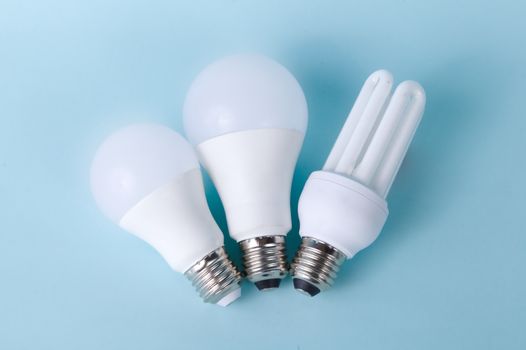
Three assorted LED and CFL light bulbs against a light blue background.Photo: Riki Risnandar / Pexels

Smart Strategies: How to Reduce Home Energy Consumption

Unlock significant savings and create a more comfortable, eco-friendly home with these actionable energy-reduction strategies.

Start Saving Today

Key Takeaways

  • ✓ Heating and cooling account for nearly half of a typical US home's energy use.
  • ✓ Drafts can waste 5-30% of a home's energy.
  • ✓ Switching to LED lighting can save up to 90% on lighting costs.
  • ✓ Smart thermostats can save 10-12% on heating and 15% on cooling costs.

How It Works

1
Assess Your Current Usage

Review past utility bills and conduct a home energy audit to pinpoint major energy drains. Understanding where your energy goes is the first step to effective reduction.

2
Implement Quick Wins

Start with easy, low-cost changes like adjusting thermostat settings, unplugging phantom loads, and sealing obvious drafts. These small actions yield immediate results.

3
Invest in Efficiency Upgrades

Consider more significant improvements such as upgrading insulation, replacing old appliances with ENERGY STAR models, or installing smart home technology. These offer long-term savings and comfort.

4
Maintain and Monitor

Regularly check and maintain your HVAC system, clean filters, and continue to monitor your energy consumption. Consistent effort ensures sustained savings and optimal performance.

Understanding Your Home's Energy Footprint
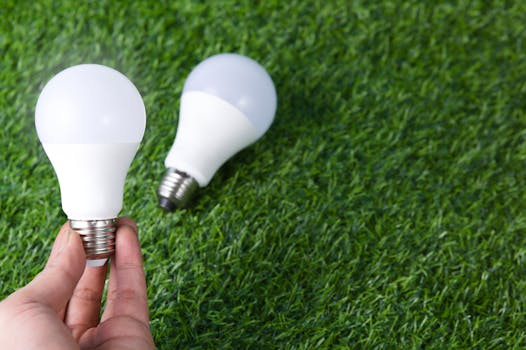
Hand holding LED light bulb on a grass surface, representing energy efficiency.Photo: Riki Risnandar / Pexels
Before you can effectively reduce home energy consumption, it's crucial to understand where your energy is currently going. Many homeowners are surprised to learn that a significant portion of their utility bills isn't just from lights and electronics, but from less obvious sources like inefficient heating and cooling systems, poor insulation, and even 'phantom loads' from plugged-in devices. In the United States, the average household spends around $2,000 annually on energy, with heating and cooling typically accounting for the largest share – often close to 50%. Water heating is usually the second-largest energy consumer, followed by appliances, lighting, and electronics. An initial step for any homeowner looking to cut costs and environmental impact is to conduct a DIY home energy audit. This doesn't require specialized equipment; simply walk through your home, looking for obvious signs of energy waste. Check for drafts around windows and doors, feel for cold spots near outlets, and examine insulation levels in your attic and crawl spaces. Pay attention to the age and condition of your major appliances – an old refrigerator or washing machine can be a significant energy hog compared to modern, energy-efficient models. Furthermore, reviewing your past utility bills can provide invaluable insights. Look for trends in consumption throughout the year. Are there spikes during certain seasons? This can indicate issues with your heating or cooling systems. Many utility companies also offer online portals or tools that break down your energy usage by category, providing a clearer picture of your home's energy profile. Understanding these patterns allows you to prioritize your efforts and focus on the areas that will yield the most significant savings. For instance, if your bills skyrocket in winter, improving insulation and sealing drafts will likely have a greater impact than just changing light bulbs. This foundational knowledge empowers you to make informed decisions and embark on a targeted approach to energy reduction, ensuring your efforts are both effective and efficient. Remember, every home is unique, and its energy consumption patterns will reflect its age, construction, and the habits of its occupants. Taking the time to truly understand your specific situation is the cornerstone of any successful strategy to save energy. This initial assessment sets the stage for implementing practical, impactful changes that will lead to a more comfortable home and a lighter wallet.

Quick Wins: Immediate Savings with Minimal Effort
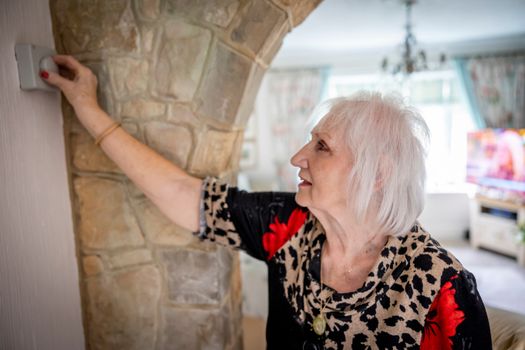
Elderly woman with gray hair adjusting temperature controller indoors.Photo: Centre for Ageing Better / Pexels
Once you have a grasp of your energy consumption, several 'quick wins' can immediately start reducing your home's energy footprint without requiring significant investment or expertise. These simple adjustments are often overlooked but collectively can lead to substantial savings. One of the easiest and most impactful changes is adjusting your thermostat. For every degree you set your thermostat back during heating season (or up during cooling season) for eight hours, you can save approximately 1% on your energy bill. A good rule of thumb is 68°F in winter and 78°F in summer when you are home. When you're away or asleep, adjust it further to maximize savings. Programmable or smart thermostats make this even easier, allowing you to set schedules or control your home's temperature remotely. Another common energy drain is 'phantom load' or 'vampire power' – the electricity consumed by electronics when they are turned off but still plugged in. Devices like TVs, phone chargers, coffee makers, and computers continuously draw a small amount of power. Unplugging these devices when not in use, or using power strips with on/off switches, can eliminate this wasted energy. While individually small, these phantom loads can add up to 5-10% of your total electricity bill. Lighting is another area for quick, impactful change. If you still have incandescent bulbs, switching to LED (Light Emitting Diode) bulbs is a no-brainer. LEDs use up to 90% less energy and last significantly longer, often paying for themselves within a year. Focus on the most frequently used lights first. Furthermore, maximizing natural light during the day can reduce the need for artificial lighting. Open blinds and curtains, and arrange furniture to take advantage of sunlight. Sealing drafts is another critical quick win. Even small gaps around windows, doors, and electrical outlets can allow conditioned air to escape and unconditioned air to enter, making your HVAC system work harder. Use weatherstripping for movable parts of windows and doors, and caulk for stationary gaps. Foam gaskets behind outlet covers can also prevent air leakage. These materials are inexpensive and easy to install, offering immediate improvements in home comfort and energy efficiency. Lastly, consider your water heating. Lowering your water heater's thermostat to 120°F is usually sufficient for most households and can save 7-11% on water heating costs. These quick, low-cost actions are excellent starting points for anyone looking for practical ways on how to reduce home energy consumption, providing immediate benefits and building momentum for more extensive energy-saving projects. Small changes can make a big difference in your energy bill and environmental impact.

Strategic Upgrades: Investing in Long-Term Energy Efficiency
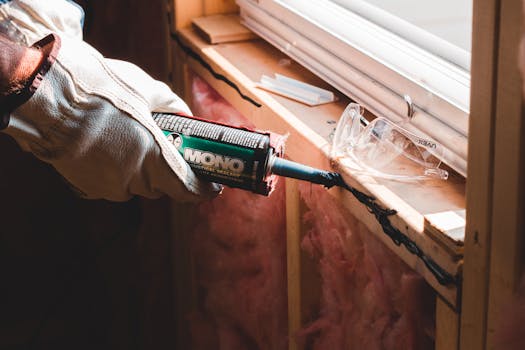
Crop unrecognizable workman in glove applying caulk from bottle on seam during window montage work in buildingPhoto: Erik Mclean / Pexels
While quick wins offer immediate relief, investing in strategic home upgrades provides long-term, substantial reductions in energy consumption and often increases your home's value and comfort. These improvements typically require a larger upfront investment but offer significant returns over time through lower utility bills and reduced maintenance. One of the most impactful upgrades involves your home's insulation and air sealing. A well-insulated home acts like a thermos, keeping heat in during winter and out during summer. Attics, walls, floors, and crawl spaces are prime areas for insulation improvements. Adding insulation to your attic, for example, is often one of the most cost-effective energy-saving measures. Coupled with professional air sealing to close larger gaps and cracks in your home's envelope, this can dramatically reduce the workload on your heating and cooling systems, potentially saving hundreds of dollars annually. Replacing old, inefficient windows and doors is another significant upgrade. Single-pane windows are notorious for energy loss. Upgrading to ENERGY STAR certified double- or triple-pane windows with low-emissivity (low-e) coatings can drastically improve thermal performance, reducing heat transfer and drafts. While a considerable investment, new windows can enhance comfort, reduce noise, and boost curb appeal. Your HVAC (Heating, Ventilation, and Air Conditioning) system is likely the largest energy consumer in your home. If your furnace or air conditioner is more than 10-15 years old, it's probably operating inefficiently. Newer, high-efficiency models, especially those with ENERGY STAR ratings, can offer substantial energy savings. Consider a heat pump, which can provide both heating and cooling more efficiently than traditional furnaces and air conditioners in many climates. Regular maintenance, such as annual tune-ups and filter changes, will also ensure your system runs at peak efficiency. Upgrading to energy-efficient appliances is another smart long-term strategy. When your refrigerator, dishwasher, washing machine, or dryer needs replacing, choose an ENERGY STAR certified model. These appliances are designed to use significantly less energy and water than standard models, leading to ongoing savings. While the initial purchase price might be slightly higher, the energy savings typically outweigh the difference over the appliance's lifespan. Finally, exploring renewable energy options like solar panels can transform your home into a net energy producer. While the upfront cost is substantial, government incentives, tax credits, and net metering programs can make solar power a financially attractive option, leading to dramatically reduced or even eliminated electricity bills. These strategic upgrades are fundamental to how to reduce home energy consumption in a lasting and impactful way, creating a more sustainable and cost-effective living environment for years to come. Consider these investments carefully for maximum long-term benefit.

Smart Habits & Maintenance: Sustaining Your Energy Savings
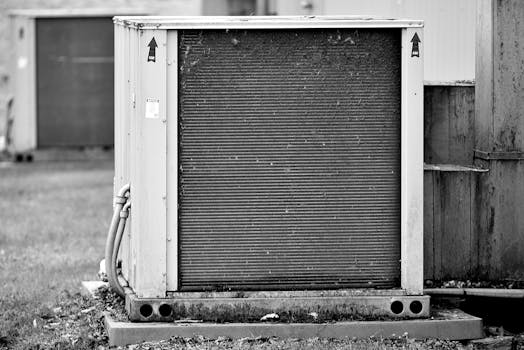
Close-up of an industrial HVAC unit outdoors, showcasing its metal texture.Photo: Jay Brand / Pexels
Achieving significant energy savings isn't just about big upgrades; it's also about cultivating smart daily habits and committing to regular maintenance. These ongoing practices ensure that your home continues to operate at peak energy efficiency, preventing wasted energy and sustaining the benefits of any investments you've made. One of the simplest habits is managing your window coverings. During winter, open curtains and blinds on south-facing windows during the day to allow sunlight to naturally warm your home, then close them at night to trap heat in. In summer, do the opposite: keep curtains and blinds closed during the hottest parts of the day to block solar gain and reduce the need for air conditioning. This passive approach to temperature regulation can make a noticeable difference. Regular HVAC maintenance is paramount. Ensure your furnace and air conditioner filters are changed monthly, especially during peak use seasons. Dirty filters restrict airflow, making your system work harder and consume more energy. Schedule annual professional tune-ups for your heating and cooling systems to ensure they are running efficiently and to catch any potential issues before they become major problems. Don't forget about your water heater. Draining a gallon or two from the bottom of your water heater tank every few months can remove sediment buildup, which improves efficiency and extends its lifespan. For electric water heaters, insulating the tank can also reduce standby heat loss. In the kitchen, adopt energy-saving cooking habits. Use microwave ovens for small meals, as they are generally more efficient than conventional ovens. When using your oven, avoid peeking inside too often; each time you open the door, the oven temperature can drop by 25-50 degrees, requiring more energy to reheat. Use lids on pots and pans to cook food faster and at lower temperatures. When doing laundry, wash clothes in cold water whenever possible – modern detergents are effective in cold water, and heating water for laundry is a significant energy expense. Always run full loads in your washing machine and dishwasher. For drying clothes, consider air-drying on a line or rack, especially for smaller items. If using a dryer, clean the lint filter before every load to improve airflow and efficiency. Lastly, remain vigilant about identifying and addressing new sources of energy waste. Periodically re-evaluate your home's energy performance. Are there new drafts? Is an appliance running hotter than usual? Continuous monitoring and adaptation are key to sustained energy reduction. By integrating these smart habits and maintenance routines into your daily life, you'll not only continue to reduce home energy consumption but also foster a more mindful and sustainable approach to living. They are the consistent actions that turn one-time savings into a lifetime of efficiency.

Comparison

FeatureBest Option (Long-term Impact)Good Alternative (Mid-range Impact)Quick Win (Immediate Impact)
Heating/CoolingHigh-Efficiency Heat Pump/HVACImproved Insulation & Air SealingSmart Thermostat & Setbacks
LightingNatural Light & LED FixturesAll LED BulbsTurn Off Lights When Leaving
Water HeatingHeat Pump Water HeaterTankless Water HeaterLower Thermostat to 120°F
AppliancesENERGY STAR Certified UpgradesRegular MaintenanceUnplug Phantom Loads

What Our Readers Say

5 ★★★★★

"Following these tips on how to reduce home energy consumption has been a game-changer! Our AC bill plummeted last summer after we sealed drafts and adjusted our thermostat. Highly recommend!"

5 ★★★★★

"The article's advice on understanding our energy footprint was spot on. We found our old water heater was a huge culprit. Replaced it, and our monthly savings are incredible."

5 ★★★★★

"After implementing several suggestions, our electricity bill dropped by 25% within three months! The section on quick wins was particularly helpful for immediate results."

4 ★★★★☆

"While some upgrades are a big investment, the article clearly outlines the long-term benefits. We started with LEDs and smart plugs, and the difference is already noticeable. Planning insulation next."

5 ★★★★★

"As someone focused on sustainable living, this guide provided practical steps beyond just turning off lights. The maintenance tips for HVAC and water heaters were new to me and very valuable."

Frequently Asked Questions

What are the easiest ways to start reducing home energy consumption?
The easiest ways to start are adjusting your thermostat by a few degrees, unplugging electronics when not in use to combat 'phantom loads,' switching to LED light bulbs, and sealing visible drafts around windows and doors. These low-cost actions can provide immediate savings.
Will I have to sacrifice comfort to save energy?
Not necessarily. Many energy-saving measures, like improved insulation and air sealing, actually enhance home comfort by eliminating drafts and maintaining more consistent temperatures. Smart thermostats allow you to optimize comfort while you're home and save energy when you're away.
How can I check for drafts in my home?
You can check for drafts by holding a lit incense stick or a thin piece of tissue paper near windows, doors, electrical outlets, and plumbing penetrations on a breezy day. If the smoke or paper moves, you have a draft that needs sealing with caulk or weatherstripping.
What's the most cost-effective energy upgrade for my home?
Often, the most cost-effective upgrade is improving your home's insulation, especially in the attic, and comprehensive air sealing. These measures prevent significant heat loss or gain, reducing the workload on your HVAC system and offering excellent returns on investment.
How do smart thermostats help reduce energy consumption compared to programmable ones?
Smart thermostats go beyond programmable schedules by learning your habits, adjusting based on occupancy sensors, and integrating with local weather forecasts. Many can be controlled remotely via smartphone, offering greater flexibility and optimization for energy savings that programmable ones can't match.
Who should consider a professional home energy audit?
Anyone experiencing unusually high utility bills, inconsistent temperatures in different rooms, or considering major home renovations should consider a professional energy audit. An auditor uses specialized equipment to pinpoint exact areas of energy loss and recommends targeted improvements.
Are there any safety concerns with DIY energy-saving projects?
Most DIY projects like changing light bulbs, weatherstripping, or unplugging devices are very safe. However, when working with insulation, electricity, or on ladders, always follow safety guidelines, wear appropriate protective gear, and consult professionals for complex tasks like electrical work or extensive HVAC modifications.
What are the future trends in home energy reduction?
Future trends include widespread adoption of smart home energy management systems that integrate all appliances and renewable energy sources, advanced building materials with superior insulation properties, increased use of heat pump technology, and personalized energy insights driven by AI and data analytics.

Ready to take control of your utility bills and make your home more sustainable? Start implementing these proven strategies on how to reduce home energy consumption today and unlock significant savings for a more comfortable and eco-friendly future. Your wallet and the planet will thank you!

Topics: how to reduce home energy consumptionsave energy at homelower electricity billshome energy efficiencysustainable living
Leo List
Brampton weed
Adultwork EstrelaBet Vai de Bet R7 Bet Betão Galera Bet Rainbet Bet9ja Shop SportyBet BetKing Sisal Loto Foot Hollywoodbets YesPlay Odibets RushBet Jugabet BetWarrior BetCity MSport betPawa Fortebet