
Unveiling the Benefits of Wind Energy: A Sustainable Future
Harnessing the power of the wind offers unparalleled advantages for our planet and economy.
Explore Wind PowerKey Takeaways
- ✓ Wind is an inexhaustible, clean energy source.
- ✓ Wind power generates zero carbon emissions during operation.
- ✓ The US wind energy sector supports over 120,000 jobs.
- ✓ Wind energy helps stabilize electricity prices by reducing reliance on volatile fossil fuels.
How It Works
Wind turbines, typically three-bladed, are designed to capture the kinetic energy from the wind. The blades rotate when wind passes over them, much like an airplane wing creates lift.
The rotating blades are connected to a shaft inside the nacelle, the housing at the top of the tower. This shaft spins a gearbox, which increases the rotational speed.
The high-speed shaft drives a generator, which converts the mechanical energy into electricity. This is the same principle used in many other power generation methods.
The electricity generated by the turbine is then fed through a transformer to increase its voltage. This high-voltage electricity is then transmitted via power lines to the electrical grid, supplying homes and businesses.
Environmental Advantages of Wind Power Generation
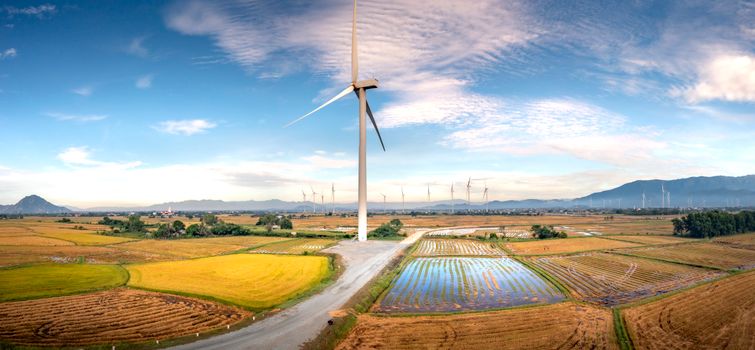 Photo: Quang Nguyen Vinh / Pexels
Economic Growth and Energy Independence
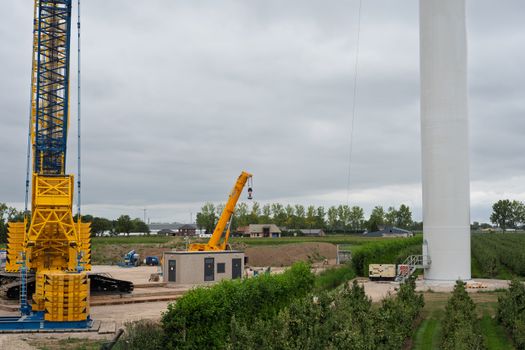 Photo: Martijn Stoof / Pexels
Technological Advancements and Future Potential
 Photo: Expect Best / Pexels
Addressing Challenges and Maximizing Benefits
 Photo: Pixabay / Pexels
Comparison
| Feature | Wind Energy | Solar Energy | Natural Gas | Coal |
|---|---|---|---|---|
| Carbon Emissions (Operational) | Zero | Zero | High | Very High |
| Fuel Cost | Free | Free | Volatile | Volatile |
| Water Consumption | Very Low | Low | High | Very High |
| Land Use Intensity | Moderate (co-use possible) | Moderate (dedicated) | Low (plant footprint) | High (mining & plant) |
| Intermittency | Yes | Yes | No | No |
| Energy Security | High (domestic) | High (domestic) | Moderate (domestic/imported) | Moderate (domestic/imported) |
| Maturity of Technology | High | High | Very High | Very High |
| Job Creation Potential | High | High | Moderate | Low (declining) |
What Readers Say
"Living near a wind farm, I've seen firsthand how it benefits our community. The lease payments help local farmers, and the tax revenue has funded improvements to our schools. It's a clean, reliable power source for us."
Sarah J. · Ames, IA"As an environmental advocate, I'm thrilled by the shift towards wind energy. It's truly carbon-free electricity that's helping us combat climate change without air pollution. The benefits are undeniable for our planet."
Mark T. · Denver, CO"Our state has invested heavily in wind power, and I've noticed our electricity bills have become more stable. It's reassuring to know our power comes from a domestic, renewable resource, strengthening our energy independence."
Emily R. · Austin, TX"While I support renewable energy, I initially had concerns about the visual impact of turbines. However, seeing them in person, they're less intrusive than I imagined, and the clean energy they provide far outweighs any aesthetic concerns for me."
David L. · Upstate NY"Working in the wind energy supply chain, I've seen the incredible job growth. It's a booming industry that offers stable, well-paying jobs, contributing significantly to the economy, especially in manufacturing and rural areas."
Carlos M. · Chicago, ILFrequently Asked Questions
What are the primary benefits of wind energy?
The primary benefits of wind energy include its status as a clean, renewable, and inexhaustible resource that produces zero greenhouse gas emissions during operation. It also enhances energy independence, creates jobs, stimulates local economies through tax revenues and land lease payments, and has a minimal water footprint compared to conventional power sources.
Is wind energy truly reliable given that wind doesn't always blow?
While wind is intermittent, its reliability is significantly improved through advanced forecasting, geographic diversity of wind farms, integration with other renewable sources, and energy storage solutions like batteries. Modern grid management techniques ensure a stable power supply by balancing varied generation sources across regions.
How does wind energy contribute to job creation?
Wind energy creates jobs across its entire lifecycle, from manufacturing turbine components (blades, towers, generators) to transportation, construction, installation, operation, and maintenance of wind farms. It also supports indirect jobs in engineering, finance, and various service sectors, contributing significantly to local and national economies.
Is wind energy more expensive than traditional fossil fuels?
The cost of wind energy has dramatically decreased over the past decade, making it one of the most competitive forms of new electricity generation. While initial capital investment can be high, the 'fuel' (wind) is free, leading to stable and often lower long-term electricity prices compared to volatile fossil fuel costs, which are subject to market fluctuations.
How does wind energy compare to solar energy?
Both wind and solar are excellent renewable energy sources with zero operational emissions. Wind typically generates more power at night and during cloudy weather, while solar excels during sunny daylight hours. Often, a combination of both provides a more consistent and reliable renewable energy supply, leveraging their complementary characteristics.
Who benefits most from wind energy development?
Everyone benefits from cleaner air and reduced carbon emissions. Specifically, rural communities often benefit from new jobs, increased tax revenues for local services, and stable land lease payments for farmers and landowners. Consumers benefit from more stable electricity prices and enhanced energy security. The nation as a whole gains from reduced reliance on foreign energy sources and a stronger, more sustainable economy.
Are there environmental concerns with wind turbines, such as impact on wildlife?
While wind turbines can impact wildlife, particularly birds and bats, significant efforts are made to mitigate these effects. This includes careful siting away from migration paths, environmental impact assessments, and technological solutions. The overall environmental footprint of wind energy is considerably smaller than that of fossil fuels, which cause widespread habitat destruction and pollution.
What is the future outlook for wind energy in the US?
The future outlook for wind energy in the US is very strong. Continued technological advancements, declining costs, and growing policy support for clean energy are expected to drive significant expansion, particularly in offshore wind. It will play an increasingly vital role in achieving national decarbonization goals and strengthening energy independence.
Embrace the power of the wind and contribute to a cleaner, more prosperous future. Explore how wind energy can benefit you, your community, and the nation by supporting sustainable energy initiatives and learning more about this vital resource.