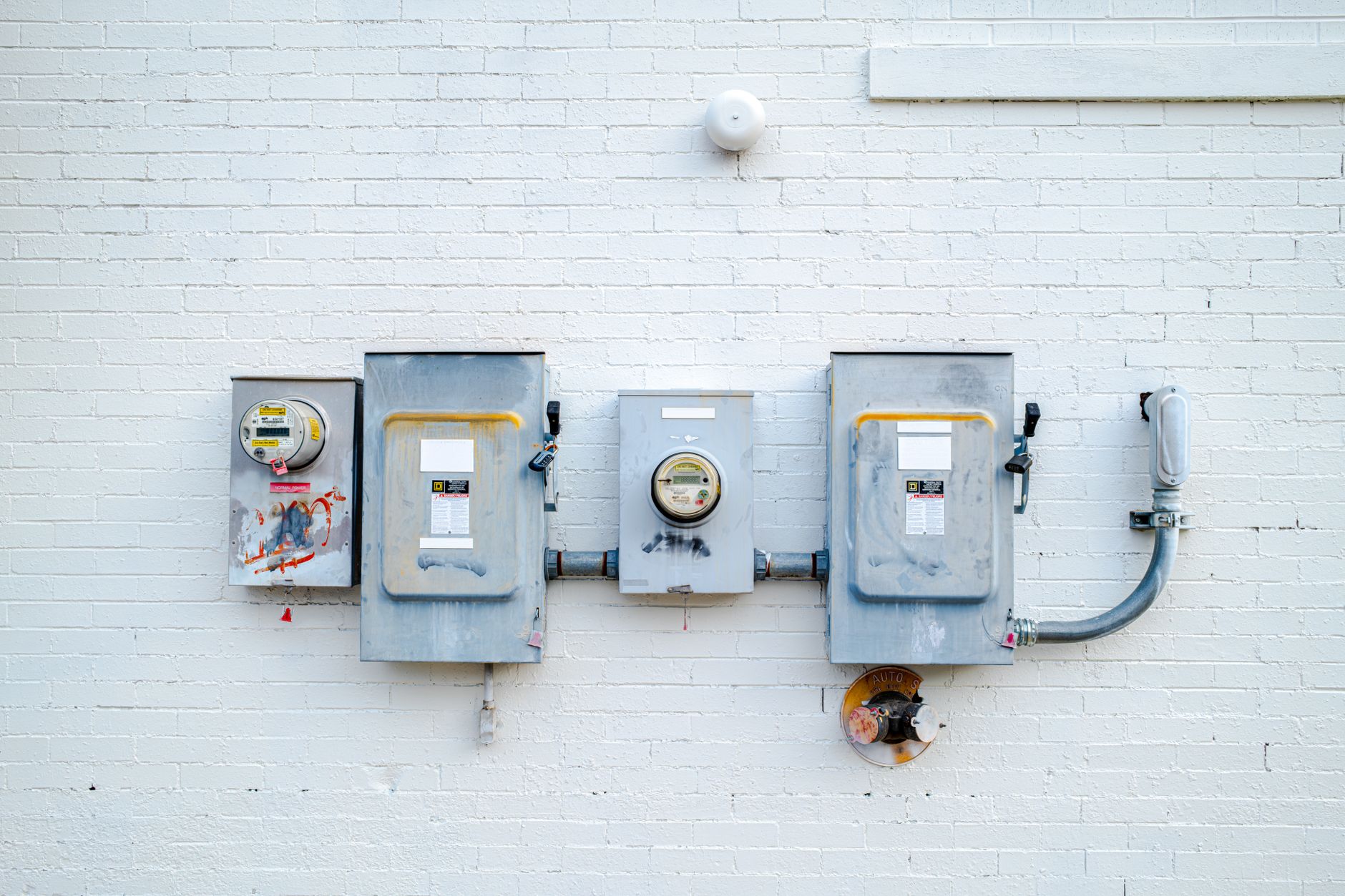
Mastering Your Bills: Understanding Energy Consumption at Home
understanding energy consumption at home

Mastering Your Bills: Understanding Energy Consumption at Home

Take control of your home's energy usage and discover powerful ways to save money and reduce your environmental footprint.

Start Saving Today

Key Takeaways

  • ✓ Heating and cooling typically account for over half of a home's energy use.
  • ✓ Phantom load (vampire drain) can contribute up to 10% of your electricity bill.
  • ✓ Smart thermostats can save an average of 10-12% on heating and 15% on cooling costs.
  • ✓ Upgrading to ENERGY STAR appliances can reduce energy consumption by 10-50%.

How It Works

1
Track Your Usage

Utilize smart meters, energy monitors, or even your utility bill to get a baseline understanding of your current energy consumption patterns. This initial data is crucial for identifying peak usage times and overall consumption levels.

2
Identify Energy Hogs

Pinpoint which appliances and systems are consuming the most energy in your home. Devices like refrigerators, water heaters, and HVAC systems are often the biggest culprits, but smaller electronics can add up too.

3
Implement Efficiency Measures

Based on your findings, apply targeted strategies to reduce consumption. This could range from simple behavioral changes like unplugging devices to larger investments like upgrading insulation or appliances.

4
Monitor & Adjust

Continuously monitor your energy usage after implementing changes to see their impact. Adjust your strategies as needed to optimize savings and maintain a high level of energy efficiency over time.

The Fundamentals of Home Energy Usage and Your Utility Bill

A man relaxes with a beer bottle while holding past due bills, highlighting financial stress. Photo: Nicola Barts / Pexels
To truly gain control over your household expenses, a foundational understanding of where your energy goes is paramount. Your monthly utility bill isn't just a charge; it's a detailed report on your home's energy consumption, often broken down into kilowatt-hours (kWh) for electricity and therms or CCFs for natural gas. Electricity, measured in kWh, represents the amount of power consumed by a 1,000-watt appliance running for one hour. Understanding this unit is key to deciphering how much energy your devices are actually using. For instance, a 100-watt light bulb left on for 10 hours consumes 1 kWh. Multiply that across all your home's devices, and you quickly see how these units add up. Beyond the raw numbers, your utility bill often provides historical usage data, allowing you to compare current consumption with previous months or even the same month last year. This historical context is invaluable for identifying trends, understanding the impact of seasonal changes, or evaluating the effectiveness of any energy-saving measures you've implemented. Many utility providers also offer online portals or apps that give you near real-time data, which can be a game-changer for active monitoring. These tools can help you visualize your usage patterns, detect anomalies, and even set alerts for high consumption, empowering you to make immediate adjustments. For a deeper dive into general energy-saving strategies, consider exploring comprehensive energy efficiency guides. Another critical aspect of your utility bill is understanding the different charges. Beyond the pure consumption cost, there are often delivery charges, taxes, and sometimes demand charges, especially for larger commercial accounts, though some residential areas are experimenting with time-of-use rates. Time-of-use rates charge different prices for electricity depending on the time of day, encouraging consumers to shift high-demand activities to off-peak hours when electricity is cheaper. Familiarizing yourself with these rate structures can significantly impact your saving potential. For example, running your dishwasher or doing laundry during off-peak hours could lead to substantial savings over time. Moreover, comprehending the various components of your bill helps you identify opportunities for savings that go beyond just reducing usage, such as opting for budget billing or participating in demand-response programs offered by your utility. By dissecting your bill, you transform it from a mere financial statement into a powerful diagnostic tool for managing your home's energy footprint. This informed approach is the first step towards truly understanding energy consumption at home and achieving substantial savings.

Pinpointing the Major Energy Hogs in Your Household
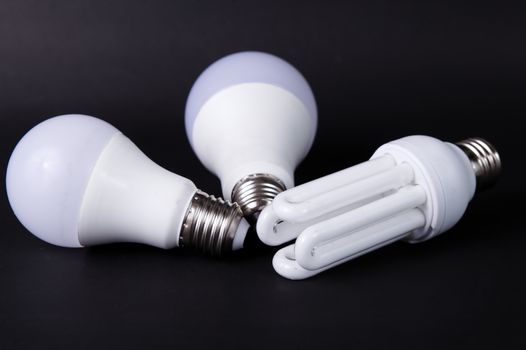
Close-up of energy-efficient LED and CFL light bulbs on black background. Photo: Riki Risnandar / Pexels
Once you grasp the basics of your utility bill, the next crucial step in understanding energy consumption at home is to identify the primary culprits behind your high usage. Not all appliances are created equal when it comes to energy demands. Heating and cooling systems (HVAC) are almost universally the largest energy consumers in a typical American home, often accounting for 40-60% of total energy use. This includes furnaces, air conditioners, and heat pumps. Their consumption varies significantly with climate, insulation quality, and thermostat settings. A well-maintained HVAC system, properly sized for your home, is fundamental to efficient operation. Beyond the HVAC, water heaters are typically the second-largest energy consumer, especially in households with high hot water demand. Both electric and gas water heaters work tirelessly to maintain a set water temperature, consuming energy around the clock. Their efficiency can be improved with insulation blankets, lower temperature settings, and regular maintenance. Appliances like refrigerators, dishwashers, washing machines, and dryers also contribute significantly to your energy bill. Refrigerators, for example, run 24/7, making their energy efficiency rating particularly important. Older models can consume significantly more electricity than newer, ENERGY STAR-certified units. Similarly, electric dryers are notorious energy users due to the heat required to dry clothes. Opting for air drying when possible or using moisture sensors can help mitigate their impact. Beyond these major appliances, don't underestimate the cumulative effect of smaller electronics and lighting. While individual light bulbs or chargers might seem insignificant, their collective usage can add up, especially if they're older, inefficient models. Incandescent bulbs, for instance, are far less efficient than LED alternatives, converting most of their energy into heat rather than light. Finally, the often-overlooked phenomenon of 'phantom load' or 'vampire drain' can surprisingly impact your energy bill. This refers to the power drawn by electronics even when they are turned off but still plugged in – think TVs, computers, phone chargers, and even coffee makers. Devices with standby modes, digital clocks, or remote control sensors are constant, low-level energy consumers. While each device might only draw a few watts, collectively, they can account for 5-10% of your total electricity bill. Using power strips with on/off switches, or simply unplugging devices when not in use, can effectively eliminate this wasted energy. Understanding which devices are your biggest energy hogs allows you to prioritize your efforts and focus on the areas where you can achieve the most significant savings when you're understanding energy consumption at home.

Actionable Strategies for Reducing Your Home's Energy Footprint
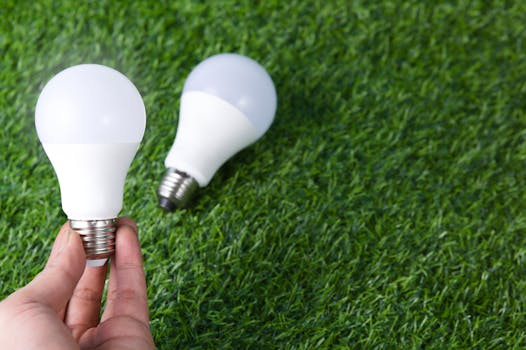
Hand holding LED light bulb on a grass surface, representing energy efficiency. Photo: Riki Risnandar / Pexels
Once you've identified your home's major energy consumers, the next logical step in understanding energy consumption at home is to implement effective strategies to reduce your overall footprint and lower your bills. These strategies can range from simple behavioral changes to more significant investments in home improvements. Starting with immediate, no-cost adjustments, simply unplugging devices when not in use is a highly effective way to combat phantom load. Turning off lights when leaving a room, adjusting your thermostat by a few degrees (up in summer, down in winter), and taking shorter showers are all easy habits to adopt that yield noticeable savings over time. These small shifts in daily routine can collectively make a substantial difference in your monthly energy expenditure. For more detailed insights into making your home more efficient, exploring advanced home energy audits can provide tailored recommendations. Mid-range investments often involve upgrading existing components. Replacing old incandescent bulbs with energy-efficient LED lighting is one of the most cost-effective upgrades, as LEDs consume significantly less power and last much longer. Sealing air leaks around windows, doors, and utility penetrations with caulk and weatherstripping can dramatically improve your home's insulation, reducing the workload on your HVAC system. Consider installing a smart thermostat, which learns your habits and adjusts temperatures automatically, or allows you to control heating and cooling remotely. These devices can optimize your comfort while minimizing energy waste. Upgrading to ENERGY STAR certified appliances when your old ones fail is another smart move, as these appliances are designed to meet strict energy efficiency guidelines, ensuring lower operating costs over their lifespan. For those ready to make larger, long-term investments, improving your home's insulation, especially in the attic and walls, can have a profound impact on heating and cooling efficiency. Replacing old, leaky windows with modern, double or triple-pane, low-emissivity (Low-E) windows can prevent significant heat transfer. Consider upgrading to a high-efficiency HVAC system, which, while a substantial upfront cost, can offer significant long-term savings and improved comfort. Exploring renewable energy options like solar panels can also dramatically reduce or even eliminate your reliance on grid electricity, offering environmental benefits and potential financial incentives. Regardless of the scale of the change, continuously monitoring your energy usage after implementing these strategies will help you track your progress and identify further opportunities for optimization, solidifying your understanding of energy consumption at home and empowering you to maintain an energy-efficient household.

Common Mistakes and Smart Tips for Sustained Energy Savings

Hand holding LED light bulb on a grass surface, representing energy efficiency. Photo: Riki Risnandar / Pexels
Even with the best intentions, it's easy to fall into common traps that undermine your efforts to reduce energy consumption. Avoiding these pitfalls is as crucial as implementing new strategies. One significant mistake is neglecting regular maintenance of your HVAC system. Dirty filters, uncleaned coils, and refrigerant leaks force your system to work harder, consuming more energy. Another common oversight is failing to address drafts and air leaks; even minor gaps around outlets or pipes can allow conditioned air to escape, negating the benefits of good insulation. Many homeowners also make the mistake of setting their thermostat to extreme temperatures, thinking it will cool or heat the house faster, which only wastes energy. Lastly, underestimating the collective impact of phantom loads across multiple devices can lead to wasted electricity. Here are some smart tips to ensure sustained energy savings:
  • Regular HVAC Maintenance: Schedule annual professional tune-ups and replace air filters monthly or quarterly.
  • Seal Air Leaks: Use caulk and weatherstripping to seal gaps around windows, doors, and any penetrations in your home's envelope.
  • Optimize Thermostat Settings: Program your thermostat to comfortable but not extreme temperatures. Consider setting it back 7-10 degrees for 8 hours a day to save up to 10% on heating and cooling.
  • Utilize Smart Power Strips: These strips cut power to devices not in use, effectively eliminating phantom load.
  • Leverage Natural Light and Ventilation: Open blinds during the day to use natural light and open windows on cooler evenings to air out your home, reducing reliance on artificial lighting and AC.
  • Insulate Water Heater and Pipes: An insulation blanket on an older water heater and foam insulation on hot water pipes can reduce heat loss.
  • Wash Clothes in Cold Water: Modern detergents are effective in cold water, saving the energy used to heat water for laundry.
  • Unplug Chargers: Phone and laptop chargers consume energy even when nothing is plugged into them.
  • Conduct a Home Energy Audit: Many utilities offer free or low-cost audits to identify specific areas for improvement.
By actively avoiding these common mistakes and consistently applying these smart tips, you can ensure that your efforts in understanding energy consumption at home translate into tangible, long-term savings and a more efficient, comfortable living environment.

Comparison

FeatureSmart ThermostatProgrammable ThermostatManual Thermostat
Remote Control
Learning Capability
Energy Usage ReportsSome
Installation DifficultyModerateEasyEasy
CostHighMediumLow
Potential SavingsHighMediumLow (behavior dependent)
Integration with Smart Home

What Readers Say

"This guide truly opened my eyes to understanding energy consumption at home. I thought I was doing enough, but realizing the impact of phantom loads was a game-changer. My last electricity bill was noticeably lower!"

Sarah J. · Austin, TX

"The breakdown of energy hogs was incredibly helpful. I focused on my water heater and HVAC maintenance, and the difference in my gas bill alone has been fantastic. Highly recommend for anyone looking to save."

Mark D. · Seattle, WA

"After reading this, I did a full home energy audit and implemented several changes. My utility bill dropped by 20% in the first month! This article provided the clear, actionable steps I needed."

Emily R. · Miami, FL

"Good insights, especially on the common mistakes. I already knew some of this, but the depth on how to track usage and the specific tips for different appliances were very useful. I'm seeing gradual improvements."

David L. · Denver, CO

"As a new homeowner, understanding energy consumption at home felt overwhelming. This guide broke it down into manageable steps, making it easy to start making smart choices for my budget and the environment."

Jessica T. · Chicago, IL

Frequently Asked Questions

What is the single biggest factor affecting home energy consumption?

For most homes, heating and cooling (HVAC systems) represent the largest portion of energy consumption, often accounting for 40-60% of your total energy bill. Factors like climate, home insulation, and thermostat settings significantly influence this.

Is it worth unplugging electronics, or is the savings negligible?

Yes, it is definitely worth unplugging electronics. The cumulative effect of 'phantom load' or 'vampire drain' from multiple devices can account for 5-10% of your electricity bill. While individual savings might seem small, they add up significantly over time.

How can I easily track my home's energy usage?

Many utility companies offer online portals or apps with detailed usage data, sometimes even in near real-time. You can also purchase plug-in energy monitors for individual appliances or consider a whole-home energy monitoring system for comprehensive insights.

Are smart thermostats truly cost-effective?

Yes, smart thermostats are generally very cost-effective. They can save 10-12% on heating and 15% on cooling costs by learning your schedule, optimizing temperatures, and allowing remote control, often paying for themselves within a few years through energy savings.

How do older appliances compare to new ENERGY STAR models in terms of energy use?

Older appliances can be significantly less energy-efficient. For example, a refrigerator from the 1990s can use two to three times more electricity than a new ENERGY STAR certified model, leading to substantial differences in operating costs.

Who benefits most from understanding energy consumption at home?

Everyone benefits, but homeowners looking to reduce monthly utility bills, increase home comfort, lower their carbon footprint, or prepare for potential home upgrades will find this knowledge particularly valuable for making informed decisions.

Is there any risk in trying to reduce energy consumption too much?

While reducing energy consumption is beneficial, extreme measures that compromise safety or comfort (e.g., setting thermostats to unsafe levels, turning off essential safety devices) should be avoided. Focus on efficiency rather than deprivation.

What is the future trend for home energy consumption monitoring?

The trend is towards increasingly integrated and intelligent systems. Expect more smart grid integration, AI-powered energy management, predictive analytics, and personalized energy-saving recommendations, making homes even more responsive to occupant needs and grid demands.

By embracing a proactive approach to understanding energy consumption at home, you're not just cutting costs – you're investing in a more sustainable, comfortable, and efficient living environment. Start implementing these strategies today and take the first step towards mastering your home's energy future.

Topics: understanding energy consumption at homehome energy auditreduce electricity billenergy efficiency tipshousehold energy usage
Leo List

IE Escorts NO Escorts US Escorts NZ Escorts AU Escorts
Brampton weed
Adultwork EstrelaBet Vai de Bet R7 Bet Betão Galera Bet Rainbet Bet9ja Shop SportyBet BetKing Sisal Loto Foot Hollywoodbets YesPlay Odibets RushBet Jugabet BetWarrior BetCity MSport betPawa Fortebet