✓ Transitioning away from fossil fuels requires significant infrastructure and policy changes.
How It Works
1
Formation of Fossil Fuels
Millions of years ago, organic matter (plants, animals) was buried under layers of sediment and subjected to intense heat and pressure. This slow decomposition process transformed the organic material into coal, oil, and natural gas.
2
Extraction and Processing
Fossil fuels are extracted from the Earth through mining (coal), drilling (oil, gas), and fracking. They are then transported to refineries or power plants for processing and conversion into usable energy forms like gasoline, electricity, or heating oil.
3
Combustion and Energy Release
When fossil fuels are burned, they release stored chemical energy, which is harnessed to generate electricity, power vehicles, heat homes, and fuel industrial processes. This combustion also releases byproducts into the atmosphere.
4
Environmental and Societal Consequences
The primary byproduct of fossil fuel combustion is carbon dioxide, a potent greenhouse gas, leading to climate change. Other impacts include air pollution, habitat destruction, geopolitical tensions, and public health concerns.
The Environmental Footprint: Climate Change and Beyond
Photo: Alfo Medeiros / Pexels
The environmental impact of fossil fuels is arguably their most discussed and critical consequence. For centuries, humanity has relied on coal, oil, and natural gas to power industrial revolutions, fuel transportation, and light our homes. While their energy density and accessibility have propelled unprecedented economic growth and technological advancement, the byproducts of their combustion have initiated a global environmental crisis. The most prominent of these is climate change, driven primarily by the emission of greenhouse gases (GHGs), predominantly carbon dioxide (CO2), methane (CH4), and nitrous oxide (N2O). When fossil fuels are burned, these gases are released into the atmosphere, where they trap heat, leading to a warming planet. This phenomenon, known as the greenhouse effect, is a natural process essential for life on Earth, but human activities have amplified it to dangerous levels.
The Intergovernmental Panel on Climate Change (IPCC) has unequivocally stated that human influence has warmed the atmosphere, ocean, and land, with widespread and rapid changes occurring across the globe. The consequences are already evident and are projected to intensify: rising global temperatures, more frequent and intense heatwaves, altered precipitation patterns leading to severe droughts or floods, melting glaciers and ice caps contributing to sea-level rise, and increased ocean acidification affecting marine ecosystems. Coastal communities, particularly in the US, face heightened risks from storm surges and erosion, while agricultural regions grapple with unpredictable weather and reduced crop yields. Ecosystems are under immense pressure, with biodiversity loss accelerating as species struggle to adapt to rapidly changing conditions. Beyond climate change, the extraction, transportation, and processing of fossil fuels contribute to significant local environmental degradation. Oil spills, for instance, can devastate marine life and coastal habitats, as seen in numerous incidents throughout history. Coal mining can lead to landscape alteration, water contamination from acid mine drainage, and air pollution from particulate matter. Natural gas extraction, particularly through hydraulic fracturing (fracking), raises concerns about groundwater contamination and seismic activity. The continuous release of pollutants from power plants and industrial facilities contributes to poor air quality, leading to respiratory illnesses and other health issues in nearby communities. The cumulative effect is a complex web of environmental challenges that demand urgent attention and systemic solutions. Understanding these multifaceted environmental consequences is the first step toward building a sustainable future. Learn more about sustainable energy alternatives and their benefits by visiting our section on renewable energy solutions.
Economic Dependencies and Geopolitical Ramifications
Photo: DeLuca G / Pexels
The economic impact of fossil fuels is deeply intertwined with global commerce, national economies, and international relations. For decades, the global economy has been heavily reliant on these energy sources, shaping trade routes, influencing foreign policy, and driving technological innovation. Oil, in particular, has been a critical commodity, dictating the rise and fall of nations and sparking geopolitical conflicts. Countries with vast fossil fuel reserves, such as those in the Middle East, Russia, and the United States, have wielded significant economic and political influence on the world stage. The stability of oil prices, for example, directly impacts transportation costs, manufacturing expenses, and consumer prices, making it a pivotal factor in global economic stability.
However, this dependency also creates vulnerabilities. Price volatility, often influenced by geopolitical events, supply disruptions, or shifts in demand, can lead to economic instability, inflation, and recessions. The 1970s oil crises, for instance, demonstrated the profound impact that disruptions in fossil fuel supply can have on global economies. Furthermore, the immense capital required for fossil fuel exploration, extraction, and infrastructure development has shaped investment patterns and financial markets. Major oil and gas companies are among the largest corporations globally, influencing stock markets and employment opportunities. In the US, the fossil fuel industry supports millions of jobs, from extraction and refining to transportation and retail, contributing significantly to the GDP of many states. This economic embeddedness makes the transition away from fossil fuels a complex challenge, requiring careful planning to avoid economic shocks and ensure a just transition for workers and communities reliant on the industry.
Geopolitically, the quest for energy security has often been a driving force behind international alliances and conflicts. Nations without significant domestic reserves often rely on imports, creating dependencies and potential vulnerabilities. The control over critical energy resources can be a source of power and leverage, leading to disputes over territories, shipping lanes, and political influence. The shift towards cleaner energy sources, while environmentally beneficial, also has profound geopolitical implications, potentially altering global power dynamics and creating new forms of energy interdependence. The US, with its significant domestic oil and gas production, has experienced shifts in its geopolitical standing and energy independence over recent decades. This interplay between economics and geopolitics underscores the complexity of addressing the impact of fossil fuels, necessitating a holistic approach that considers both environmental imperatives and socioeconomic realities.
Public Health and Social Equity Considerations
Photo: Janusz Walczak / Pexels
Beyond the environmental and economic spheres, the impact of fossil fuels extends deeply into public health and social equity. The combustion of fossil fuels releases a variety of pollutants into the atmosphere, including particulate matter (PM2.5), sulfur dioxide (SO2), nitrogen oxides (NOx), volatile organic compounds (VOCs), and heavy metals. These pollutants have well-documented adverse effects on human health, contributing to a range of respiratory and cardiovascular diseases, including asthma, bronchitis, heart attacks, and strokes. Children, the elderly, and individuals with pre-existing health conditions are particularly vulnerable to these impacts. Studies consistently link exposure to air pollution from fossil fuel sources to increased mortality and morbidity rates, placing a significant burden on healthcare systems and reducing overall quality of life. The proximity of communities to fossil fuel infrastructure—power plants, refineries, pipelines, and drilling sites—often correlates with higher rates of these health issues.
Moreover, the social equity implications of fossil fuel reliance are stark. Historically, and continuing today, low-income communities and communities of color are disproportionately located near polluting industrial facilities, including those involved in fossil fuel extraction and processing. This phenomenon, often termed environmental injustice, means that these communities bear a heavier burden of air and water pollution, leading to higher rates of associated health problems. They often lack the political power or resources to effectively advocate for cleaner environments or resist the siting of new polluting facilities. The benefits of fossil fuel consumption, such as affordable energy for transportation and heating, are distributed widely, but the negative externalities, particularly pollution and health risks, are concentrated in marginalized populations. This exacerbates existing social inequalities and creates a cycle of disadvantage.
Addressing these disparities requires a commitment to environmental justice, ensuring that the benefits of energy development are shared equitably and that the burdens are not disproportionately placed on vulnerable groups. Policies aimed at reducing emissions, transitioning to cleaner energy, and enforcing stricter environmental regulations are crucial for improving public health outcomes and promoting social equity. Furthermore, the energy transition itself must be managed in a way that creates new opportunities and supports workers and communities currently dependent on the fossil fuel industry, preventing further social dislocation. The shift towards a sustainable energy future is not just an environmental imperative but a moral one, demanding that we consider the well-being of all members of society. For more insights on community-level energy initiatives, explore our resources on local renewable energy projects.
Navigating the Energy Transition: Challenges and Opportunities
Photo: Sergej ***** / Pexels
The global recognition of the adverse impact of fossil fuels has spurred an urgent call for an energy transition – a fundamental shift from fossil fuel dependence to cleaner, more sustainable energy sources. This transition, while imperative for environmental and public health reasons, presents a complex array of challenges and significant opportunities. One of the primary challenges lies in the sheer scale of the existing fossil fuel infrastructure. Decades, if not centuries, of investment have built a vast network of mines, oil wells, pipelines, refineries, and power plants. Replacing this infrastructure with renewable energy sources like solar, wind, hydropower, and geothermal requires monumental capital investment, technological innovation, and political will. The intermittency of some renewable sources, such as solar and wind, also necessitates advancements in energy storage solutions, smart grids, and demand-side management to ensure a reliable and stable power supply.
Another significant hurdle is economic disruption. The fossil fuel industry is a massive employer, and a rapid transition could lead to job losses in traditional energy sectors. A 'just transition' is crucial, involving retraining programs, economic diversification initiatives, and social safety nets for workers and communities affected by the phasing out of fossil fuel operations. This ensures that the benefits of a green economy are broadly shared and that no community is left behind. Geopolitical considerations also play a role, as the shift in energy dominance could create new winners and losers on the international stage, potentially leading to new forms of trade imbalances or political tensions.
Despite these challenges, the opportunities presented by the energy transition are immense. Investing in renewable energy creates new industries, drives technological innovation, and generates millions of new jobs. It offers enhanced energy security by reducing reliance on volatile international markets and diversifying national energy portfolios. Furthermore, cleaner energy sources lead to improved air quality, better public health outcomes, and a more stable climate, preventing catastrophic environmental and economic damages in the long run. The US, with its vast renewable energy potential and innovative spirit, is uniquely positioned to lead in this transition. Government policies, such as tax incentives for renewables, investments in research and development, and carbon pricing mechanisms, are vital in accelerating this shift. Private sector innovation, from utility-scale solar farms to electric vehicle manufacturing, is also propelling the transition forward. Embracing this energy evolution is not merely about mitigating the negative impact of fossil fuels; it is about building a more resilient, equitable, and prosperous future for all. It demands collaboration across governments, industries, communities, and individuals to realize the full potential of a clean energy economy.
Tips for a smoother transition include:
* **Invest in Grid Modernization:** Upgrade existing electrical grids to handle distributed renewable energy sources and improve resilience.
* **Support Research & Development:** Fund innovation in energy storage, advanced nuclear, and carbon capture technologies.
* **Implement Carbon Pricing:** Create economic incentives for reducing emissions through carbon taxes or cap-and-trade systems.
* **Foster International Cooperation:** Collaborate globally on technology sharing and climate goals to accelerate worldwide decarbonization.
* **Educate and Engage the Public:** Build public understanding and support for the energy transition through transparent communication and community involvement.
Comparison
Feature
Fossil Fuels
Solar Energy
Wind Energy
Nuclear Energy
Carbon Emissions
Very High
Very Low
Very Low
Very Low
Energy Density
High
Medium
Medium
Very High
Reliability
Consistent (dispatchable)
Intermittent (daylight)
Intermittent (wind speed)
Consistent (dispatchable)
Environmental Footprint
Significant (pollution, climate)
Minimal (land use, material)
Minimal (land use, noise)
Minimal (waste disposal)
Cost (Levelized)
Variable (fuel price volatility)
Decreasing
Decreasing
High (upfront)
Job Creation
Established, but declining
Growing rapidly
Growing rapidly
Stable, specialized
Water Use
High (cooling, extraction)
Low
Very Low
High (cooling)
Waste Products
CO2, pollutants
Recyclable materials
Recyclable materials
Radioactive waste
What Readers Say
★★★★★
"This article provides an exceptionally balanced and thorough analysis of the impact of fossil fuels. As a climate scientist, I appreciate the depth of discussion on both environmental and socioeconomic factors, highlighting the urgent need for transition."
Dr. Elena Petrova · Boston, MA
★★★★★
"Working in the energy sector, I found this article to be incredibly insightful. It doesn't shy away from the complexities of phasing out fossil fuels, offering a realistic view of the challenges and opportunities for a just transition."
Mark Johnson · Houston, TX
★★★★★
"The sections on public health and social equity really resonated with me. It's crucial to understand how fossil fuel pollution disproportionately affects vulnerable communities, and this article makes that impact incredibly clear."
Sarah Chen · San Francisco, CA
★★★★★
"A very informative read. While the call for transition is clear, I would have liked a bit more detail on specific US state-level initiatives that are successfully navigating this shift, perhaps as case studies."
David Miller · Denver, CO
★★★★★
"Living in a coastal city, the discussion on sea-level rise and climate change impacts from fossil fuels felt very personal. This article is a critical resource for understanding why we need to act now."
Maria Rodriguez · Miami, FL
Frequently Asked Questions
What are the primary greenhouse gases released by fossil fuels?
The primary greenhouse gases released from the combustion of fossil fuels are carbon dioxide (CO2), methane (CH4), and nitrous oxide (N2O). CO2 is the most significant contributor to global warming due to its sheer volume, while methane, though shorter-lived, has a much higher global warming potential over a 20-year period.
Is it possible to completely eliminate fossil fuels from our energy mix?
While a complete elimination of fossil fuels is a long-term goal, a rapid and substantial reduction is both possible and necessary. Technologies for renewable energy, energy storage, and efficiency are advancing rapidly, making a significant transition feasible. However, some sectors, like heavy industry or long-haul aviation, face greater challenges in decarbonization and may require innovative solutions or alternative fuels for longer.
How does the extraction of fossil fuels impact local environments?
Fossil fuel extraction can have severe local environmental impacts. Coal mining can lead to habitat destruction, water contamination (acid mine drainage), and air pollution. Oil and gas drilling, especially fracking, raise concerns about groundwater contamination, seismic activity, and habitat fragmentation. These activities often result in landscape alteration and biodiversity loss.
What is the economic cost of relying on fossil fuels?
Beyond direct fuel costs, the economic cost of fossil fuels includes significant externalities. These comprise healthcare costs from air pollution-related illnesses, damages from climate change (e.g., extreme weather events, sea-level rise), and geopolitical instability. A 2021 IMF report estimated global fossil fuel subsidies, including environmental damages, at $5.9 trillion annually.
How do renewable energy sources compare to fossil fuels in terms of reliability?
Fossil fuels like coal and natural gas are dispatchable, meaning they can be turned on or off as needed, offering consistent power. Renewable sources like solar and wind are intermittent, depending on weather conditions. However, advancements in battery storage, smart grid technologies, and diverse renewable portfolios are rapidly improving the reliability and consistency of renewable energy systems, making them increasingly competitive.
Who benefits most from the continued use of fossil fuels?
While fossil fuels have historically provided widespread benefits by powering modern society, the primary direct financial beneficiaries of their continued use are large fossil fuel corporations, their shareholders, and nations with significant reserves. However, the indirect benefits of affordable energy have historically extended to consumers and industries globally, albeit with significant environmental and social costs.
What are the risks of a rapid transition away from fossil fuels?
A rapid, unplanned transition could lead to economic disruption, including job losses in the fossil fuel sector, increased energy prices during infrastructure changeover, and potential energy supply gaps if new sources aren't deployed quickly enough. It requires careful planning, investment in new industries, and social support for affected communities to ensure a just and orderly transition.
What role will carbon capture technologies play in the future of energy?
Carbon capture, utilization, and storage (CCUS) technologies aim to capture CO2 emissions from industrial sources before they enter the atmosphere. They are considered a potential tool to decarbonize hard-to-abate sectors (like cement or steel production) and potentially remove legacy CO2. While promising, their large-scale deployment faces cost, efficiency, and storage challenges, and they are not a substitute for reducing emissions at the source.
Understanding the profound impact of fossil fuels is the first step towards building a sustainable future. Explore the alternative energy solutions and policy changes discussed here to become part of the global effort to transition to a cleaner, healthier, and more equitable energy landscape. Your knowledge and engagement are crucial for driving this essential change.

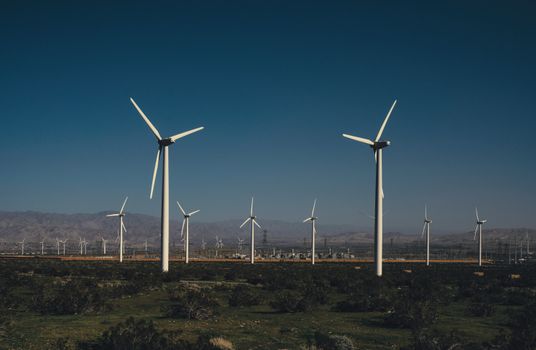 Photo: Alfo Medeiros / Pexels
 Photo: DeLuca G / Pexels
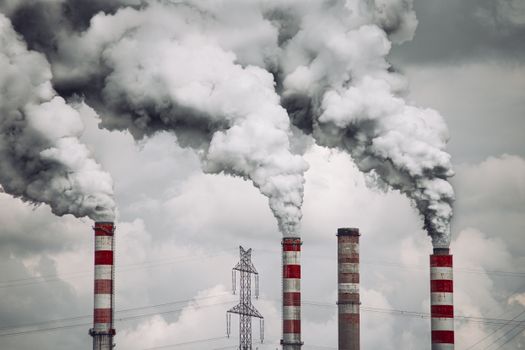 Photo: Janusz Walczak / Pexels
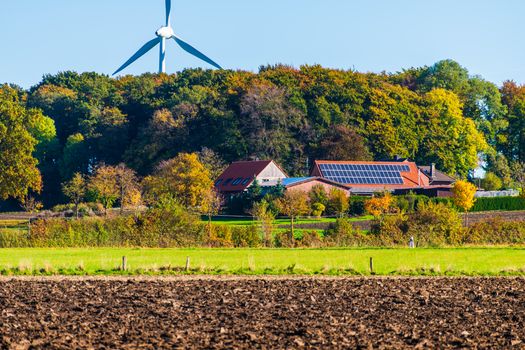 Photo: Sergej ***** / Pexels