
Mastering Your Energy Bill: Understanding Energy Bills US
Unlock the secrets of your monthly energy statement and take control of your household's power consumption and costs.
Decode My Bill NowKey Takeaways
- ✓ Energy bills in the US are typically divided into supply and delivery charges.
- ✓ Understanding your kWh usage is crucial for identifying consumption patterns.
- ✓ Many states have deregulated energy markets, allowing choice of supplier.
- ✓ Demand charges can significantly impact commercial, and sometimes residential, bills.
- ✓ Hidden fees and taxes can add 10-20% to your total energy cost.
How It Works
Find your account number, service address, and billing period. This foundational data sets the stage for understanding your energy consumption over a specific timeframe.
Identify your total kilowatt-hour (kWh) usage for electricity or therms for natural gas. Then, examine the breakdown of supply, delivery, and fixed charges to see where your money goes.
Understand your current rate structure (e.g., flat rate, time-of-use). This determines how your usage is priced and can reveal opportunities for cost savings by adjusting consumption habits.
Once you understand the components, look for energy efficiency tips, consider alternative suppliers if available, and explore assistance programs to reduce your overall bill.
The Anatomy of Your US Energy Bill: Breaking Down the Charges
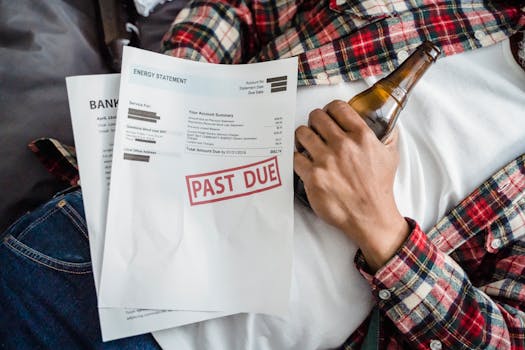 Photo: Nicola Barts / Pexels
Decoding Your Usage: Kilowatt-Hours, Therms, and Demand Charges
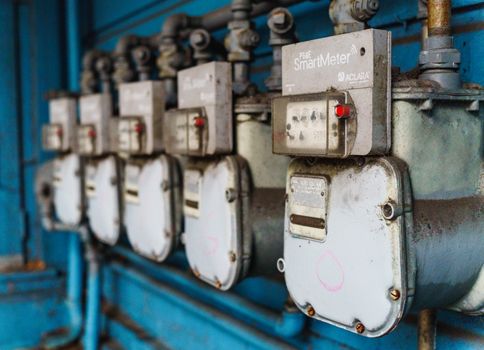 Photo: Robert So / Pexels
Navigating Rate Plans, Deregulation, and Assistance Programs
 Photo: Artem Podrez / Pexels
Practical Tips for Reducing Your Energy Bill and Avoiding Common Mistakes
 Photo: Riki Risnandar / Pexels
Comparison
| Feature | Regulated Market | Deregulated Market (Supplier) | Deregulated Market (Utility) |
|---|---|---|---|
| Energy Supplier Choice | No (Utility is sole provider) | Yes | No (Utility delivers chosen supply) |
| Price Setting | State Public Utility Commission | Competitive Market | State Public Utility Commission |
| Billing Entity | Utility Company | Supplier (often consolidated with utility) | Utility Company (for delivery) |
| Delivery & Infrastructure | Utility Company | Utility Company | Utility Company |
| Potential for Savings | Energy Efficiency, Rate Plans | Shopping for Best Supply Rate | Energy Efficiency, Rate Plans |
| Complexity | Lower | Higher (requires research) | Moderate |
What Readers Say
"This guide completely changed how I look at my electricity bill. I used to just pay it, but now I understand the kWh usage and even switched to an off-peak plan, saving me about $40 a month on understanding energy bills US."
Sarah J. · Austin, TX"The breakdown of supply vs. delivery charges was incredibly helpful. I realized I could shop for a better supplier in my deregulated market, which I've now done, leading to a noticeable reduction in my energy costs."
Mark D. · Philadelphia, PA"After reading this, I identified a consistent spike in my natural gas usage during specific hours. Turns out, my water heater was set too high. Adjusting it saved me nearly 15% on my last bill, thanks to understanding energy bills US."
Emily R. · Denver, CO"Good overview, especially the tips section. I wish there was a bit more on commercial demand charges, but for residential understanding energy bills US, it's very comprehensive and easy to follow."
David L. · Chicago, IL"As a new homeowner, my energy bills were a mystery. This article made understanding energy bills US simple and actionable. I now confidently read my bill and know exactly where my energy consumption is going."
Jessica M. · Miami, FLFrequently Asked Questions
What is the most important number to look for on my energy bill?
The most important numbers are your total energy consumption (kWh for electricity, therms for natural gas) and the corresponding cost per unit. These figures directly reflect how much energy you've used and how much you're paying for it, allowing you to track usage and identify savings opportunities.
Why does my energy bill fluctuate so much month-to-month?
Energy bills fluctuate primarily due to seasonal weather changes (heating in winter, cooling in summer), changes in household habits (e.g., more people home, new appliance use), and sometimes changes in energy rates or market prices, especially in deregulated areas.
How can I reduce my electricity usage effectively?
To reduce electricity usage, focus on optimizing your thermostat settings, sealing air leaks, upgrading to energy-efficient appliances and LED lighting, unplugging electronics when not in use, and performing regular HVAC maintenance. These actions target the biggest energy consumers in your home.
Are fixed charges on my energy bill unavoidable?
Yes, fixed charges, often called customer or basic service charges, are generally unavoidable. They cover the utility's costs for maintaining infrastructure, billing, and customer service, and are applied regardless of how much energy you consume. While you can't eliminate them, understanding them is part of understanding energy bills US.
What's the difference between a regulated and deregulated energy market?
In a regulated market, one utility company handles both the supply and delivery of energy, with rates set by state regulators. In a deregulated market, you can choose your energy supplier (for the commodity itself), while your local utility still handles the delivery and infrastructure maintenance.
Who should use understanding energy bills US?
Anyone who pays an energy bill in the United States should use this guide. It's particularly beneficial for new homeowners, renters looking to manage utility costs, and anyone seeking to reduce their environmental footprint and save money on household expenses.
Is it safe to switch energy suppliers in a deregulated market?
Yes, it is generally safe to switch energy suppliers in a deregulated market. Your local utility will continue to deliver your energy and respond to outages, ensuring service reliability. Always research potential suppliers and read contract terms carefully before switching.
What future trends might impact my energy bill?
Future trends impacting energy bills include the increasing adoption of smart home technology, growth in renewable energy sources, evolving time-of-use rate structures, and potential for grid modernization efforts. These changes aim for greater efficiency and sustainability, but may alter billing structures.
Don't let your energy bill be a source of confusion or frustration. By applying the knowledge gained from this guide on understanding energy bills US, you can take control of your consumption, identify savings, and make informed decisions about your home's energy use. Start decoding your bill today and empower yourself with financial and environmental savings.