✓ The average residential wind turbine system costs between $10,000 and $70,000 in the US.
✓ Installation costs typically represent 15-25% of the total project expense.
✓ Federal and state incentives can significantly reduce the upfront residential wind turbine price.
✓ Payback periods for residential wind turbines generally range from 6 to 20 years, depending on wind resource and energy consumption.
How It Works
1
Assess Your Wind Resource
Before anything else, determine if your property has sufficient wind speeds for a turbine to be effective. This involves site assessment and often professional wind mapping.
2
Choose the Right Turbine
Based on your energy needs and wind resource, select a turbine size and type (horizontal or vertical axis) that best suits your property. This impacts both performance and cost.
3
Secure Permits & Installation
Navigate local zoning laws and obtain necessary permits for installation. A certified installer will then erect the turbine, tower, and connect it to your home's electrical system.
4
Monitor & Maintain
Once operational, monitor your turbine's performance and schedule routine maintenance to ensure optimal energy production and longevity. Regular checks prevent costly issues.
Breaking Down the Residential Wind Turbine Price Tag
Photo: Pixabay / Pexels
When considering the transition to renewable energy for your home, understanding the residential wind turbine price is paramount. It's not a single, fixed figure but rather a spectrum influenced by numerous variables. On average, a complete residential wind turbine system in the United States can range from $10,000 for smaller, less powerful units suitable for supplemental power, up to $70,000 or more for larger, grid-tied systems designed to offset a significant portion, if not all, of a household's electricity consumption. This broad range often surprises homeowners who might initially compare it directly to the cost of a single appliance. However, a wind turbine is a sophisticated energy generation system with components designed for decades of reliable operation.
The primary cost components include the turbine itself, which accounts for a substantial portion of the expense. This includes the blades, generator, and control systems. The size and power output (measured in kilowatts, kW) directly correlate with this cost; a 1kW turbine will naturally be less expensive than a 10kW turbine. Beyond the turbine, the tower is another significant investment. Tower height is critical for accessing higher, less turbulent winds, and taller towers, especially those requiring specialized foundations, add to the overall residential wind turbine price. Installation costs, encompassing labor, crane rental (if needed), electrical wiring, and connection to your home's electrical panel or the utility grid, typically represent 15% to 25% of the total project. This percentage can fluctuate based on site accessibility and the complexity of the installation. Furthermore, additional equipment like inverters (for converting DC power to AC), battery storage systems (if going off-grid or desiring backup power), and monitoring equipment will add to the final tally. Permits, inspections, and site assessment fees, while often smaller line items, are also essential parts of the upfront investment. Understanding these individual components is the first step in accurately budgeting for your wind energy project. For a deeper dive into general renewable energy options, explore our guide on home renewable energy solutions.
Factors Influencing Your Home Wind Energy Cost
Photo: Martijn Stoof / Pexels
Several critical factors directly impact the final residential wind turbine price you can expect. Firstly, the *turbine size and power output* are arguably the most significant. Small turbines (1-5 kW) are generally sufficient for homes with moderate energy consumption, while larger homes or those aiming for complete energy independence might require systems in the 5-15 kW range. Naturally, higher power output means a more robust and expensive turbine. Secondly, the *type of tower* chosen plays a crucial role. Guyed towers are typically less expensive but require more land for the guy wires, while freestanding (self-supporting) towers are more costly but have a smaller footprint. The height of the tower is also a factor, as taller towers capture more consistent wind, but cost more to purchase and install.
Thirdly, *installation complexity* can significantly sway the overall cost. Factors like difficult terrain, remote locations, the need for extensive trenching for electrical lines, or challenging weather conditions during installation can drive up labor and equipment rental costs. Fourth, your *location and local regulations* are vital. Different states and municipalities have varying permitting requirements, zoning restrictions, and interconnection standards, which can introduce additional fees or necessitate specific (and sometimes more expensive) equipment. A property in a densely populated area might face more hurdles and costs than one in a rural setting.
Fifth, the inclusion of *battery storage* can add substantially to the residential wind turbine price. While not strictly necessary for grid-tied systems, batteries offer energy independence and backup power during outages, but come with their own significant upfront cost. Lastly, the *quality and brand of the turbine* can also affect pricing. Reputable manufacturers with proven track records often have higher initial costs but may offer better warranties, greater efficiency, and longer operational lifespans, potentially leading to lower long-term maintenance expenses and higher overall savings. Considering these factors upfront will help you get a more accurate estimate for your specific project.
Unlocking Savings: Incentives and Payback Periods for Wind Power
Photo: Pixabay / Pexels
While the initial residential wind turbine price might seem substantial, it's crucial to look beyond the upfront cost and consider the long-term financial benefits, especially with the help of various incentives. The United States government, along with many state and local entities, offers a range of programs designed to make renewable energy more accessible and affordable for homeowners. The most significant federal incentive is often the Investment Tax Credit (ITC), which currently provides a percentage (e.g., 30% for systems placed in service before a certain date) off the cost of new, qualified small wind energy property. This credit directly reduces your federal income tax liability, effectively lowering your net residential wind turbine price by a considerable margin.
Beyond federal programs, many states offer their own incentives, which can include additional tax credits, rebates, grants, or property tax exemptions for renewable energy installations. Some states also have Renewable Energy Certificate (REC) programs, where homeowners can sell the environmental attributes of the electricity they generate, providing an additional revenue stream. Additionally, net metering policies, prevalent in many areas, allow you to sell excess electricity generated by your wind turbine back to the utility grid, crediting your account and further reducing your monthly electricity bills. These policies are critical for maximizing the financial return on your investment.
The payback period, which is the time it takes for the savings from your wind turbine to offset its initial cost, can vary widely. Factors influencing the payback period include the initial residential wind turbine price (after incentives), your home's energy consumption, local electricity rates, the average wind speed at your location, and the efficiency of your turbine. Generally, payback periods for residential wind turbines range from 6 to 20 years. In areas with high electricity costs and strong, consistent wind resources, the payback can be much shorter. After the payback period, the electricity generated by your turbine is essentially free, leading to significant savings over the system's 20-30 year lifespan. This long-term financial benefit, coupled with the environmental advantages, makes the initial investment increasingly attractive. For more information on energy savings, check out our article on reducing home energy bills.
Avoiding Common Pitfalls in Your Wind Turbine Investment
Investing in a residential wind turbine is a significant decision, and being aware of common pitfalls can save you time, money, and frustration. One of the biggest mistakes homeowners make is neglecting a thorough site assessment. Without accurate data on average wind speeds and potential obstructions (like trees or buildings), you risk installing a turbine that underperforms, rendering your investment less effective. Always prioritize professional wind resource assessment. Another pitfall is underestimating the importance of local zoning laws and permitting processes. Many areas have strict regulations regarding turbine height, setback requirements, and noise levels. Failing to secure proper permits can lead to costly delays or even the forced removal of your system.
**Key Pitfalls to Avoid:**
* **Ignoring Site-Specific Wind Data:** Relying on general regional wind maps instead of a professional site assessment can lead to poor energy production.
* **Skipping Local Regulations:** Failure to comply with zoning, setback, and noise ordinances can result in fines or project termination.
* **Choosing the Wrong Size Turbine:** An undersized turbine won't meet your energy needs, while an oversized one is an unnecessary expense.
* **Overlooking Maintenance Requirements:** Like any mechanical system, wind turbines require periodic inspection and maintenance. Neglecting this can reduce efficiency and lifespan.
* **Not Factoring in Grid Interconnection:** Understanding the process and potential costs of connecting to your local utility grid is crucial for grid-tied systems.
* **DIY Installation Without Expertise:** While tempting to save on labor, improper installation can be dangerous, inefficient, and void warranties.
Another common mistake is focusing solely on the lowest residential wind turbine price without considering the overall value, including warranty, manufacturer reputation, and expected lifespan. A cheaper, less efficient turbine might end up costing more in the long run due to higher maintenance, lower energy production, or premature failure. Always seek quotes from multiple reputable installers and thoroughly review their proposals, including equipment specifications, installation details, and warranty information. By proactively addressing these potential issues, you can ensure a smoother installation process and a more rewarding return on your wind energy investment.
Comparison
Feature
Best Option (5-10kW)
Alternative 1 (1-3kW)
Alternative 2 (Off-Grid w/ Battery)
Typical Cost Range (USD)
$30,000 - $70,000
$10,000 - $25,000
$40,000 - $90,000+
Energy Output
Significant home offset
Supplemental power
Full energy independence
Grid Connection
Grid-tied (net metering)
Grid-tied or stand-alone
Stand-alone
Complexity of Installation
Moderate to High
Low to Moderate
High
Battery Storage Included
Optional
Optional
✓
Ideal Wind Speed Req.
Moderate to High
Low to Moderate
Moderate to High
What Readers Say
★★★★★
"We were pleasantly surprised by the actual residential wind turbine price after incentives. It was a significant investment, but our energy bills have plummeted, and we feel great about our reduced carbon footprint."
Sarah J. · Boulder, CO
★★★★★
"The upfront cost of our 10kW system was daunting, but the long-term savings and energy independence are invaluable. We chose a robust system, and the installation team was top-notch, making the residential wind turbine price feel justified."
Mark D. · rural Iowa
★★★★★
"After thorough research on residential wind turbine price, we opted for a 5kW system. Our monthly electricity bill went from $180 to an average of $20, and we even get credits during windy months. The payback period looks promising!"
Emily R. · Upstate NY
★★★★★
"While the residential wind turbine price was higher than our initial solar quote, the consistent wind in our area made it the better choice for year-round production. We're happy with the performance, though installation took longer than expected due to weather."
David L. · Texas Panhandle
★★★★★
"Our small off-grid cabin now runs entirely on wind and a battery bank. The residential wind turbine price for our setup was substantial, but the freedom from utility bills and reliance on fossil fuels is absolutely worth every penny."
Jessica M. · Vermont
Frequently Asked Questions
What is the average residential wind turbine price in the US?
The average residential wind turbine price in the US typically ranges from $10,000 to $70,000 for a complete installed system. This wide range depends heavily on factors like turbine size, power output, tower height, installation complexity, and whether battery storage is included. Smaller systems are at the lower end, while larger, more powerful, or off-grid systems are at the higher end.
Are residential wind turbines noisy?
Modern residential wind turbines are significantly quieter than older models. Most small wind turbines are designed to operate at noise levels comparable to a refrigerator or a quiet conversation, especially at a distance. Proper site selection and tower height can further mitigate any potential noise concerns, ensuring they don't disrupt your peace.
How do I determine if my property is suitable for a wind turbine?
Determining suitability requires a professional site assessment. This involves analyzing local wind data, measuring average wind speeds at various heights on your property, identifying potential obstructions like trees or buildings, and considering local zoning regulations. A qualified installer can perform this assessment to ensure optimal performance.
What kind of return on investment can I expect from a residential wind turbine?
The return on investment (ROI) for a residential wind turbine varies, but generally, homeowners can expect a payback period of 6 to 20 years. This depends on the initial residential wind turbine price (after incentives), your current electricity costs, the amount of energy your turbine generates, and available state and federal incentives. After the payback period, you'll enjoy virtually free electricity.
How does the residential wind turbine price compare to solar panel costs?
Generally, the upfront residential wind turbine price per kilowatt of installed capacity tends to be higher than that of solar panels. However, wind turbines can often generate power for more hours in a day and night, potentially leading to higher overall annual energy production in suitable locations. The best choice often depends on your specific site's wind and solar resources.
Who should consider investing in a residential wind turbine?
Residential wind turbines are an excellent option for homeowners in rural or semi-rural areas with consistent, unobstructed wind resources. They are particularly beneficial for those looking to significantly reduce or eliminate their electricity bills, achieve energy independence, or supplement an existing solar power system. Properties with ample land and favorable zoning laws are ideal candidates.
What are the maintenance requirements for a home wind turbine?
Residential wind turbines are relatively low maintenance, typically requiring annual inspections and occasional lubrication or minor adjustments. These checks ensure optimal performance and identify any potential issues early. Reputable installers often offer maintenance plans, and understanding these costs is part of the long-term residential wind turbine price consideration.
What are the future trends impacting residential wind turbine price and technology?
Future trends suggest a continued decrease in the residential wind turbine price due to manufacturing efficiencies and technological advancements. Innovations include more efficient blade designs, quieter operation, advanced control systems, and improved battery storage integration. There's also growing interest in smaller, more aesthetic vertical-axis turbines for urban and suburban environments, potentially broadening their appeal and accessibility.
Understanding the residential wind turbine price is your first step towards energy independence and significant long-term savings. Don't let the initial investment deter you; explore the incentives, assess your property's potential, and unlock a sustainable future for your home today.

 Photo: Pixabay / Pexels
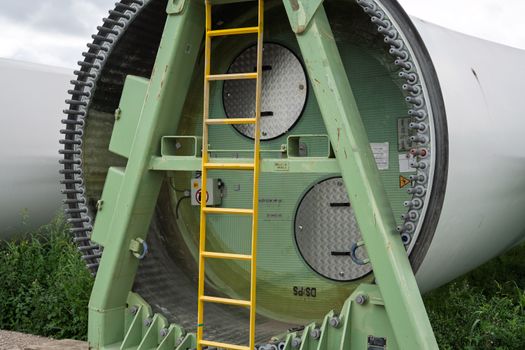 Photo: Martijn Stoof / Pexels