✓ Sustainable energy sources are naturally replenished, causing minimal environmental impact.
✓ Solar, wind, hydro, geothermal, and biomass are primary types of sustainable energy.
✓ Transitioning to sustainable energy reduces greenhouse gas emissions and fossil fuel dependence.
✓ Technological advancements are continually improving the efficiency and affordability of sustainable energy.
How It Works
1
Harnessing Natural Forces
Sustainable energy systems capture energy directly from natural, ongoing processes like sunlight, wind, or flowing water. These processes are constantly renewed by the Earth's systems.
2
Conversion to Usable Energy
Specialized technologies convert these natural forces into electricity or thermal energy. For example, solar panels convert sunlight, and wind turbines convert kinetic energy from wind.
3
Integration into Grids
The generated energy is then fed into existing electrical grids or used directly at the point of generation. This allows homes, businesses, and industries to power their operations sustainably.
4
Reducing Environmental Impact
By utilizing these renewable sources, the reliance on finite fossil fuels diminishes significantly. This leads to a substantial reduction in greenhouse gas emissions and air pollution.
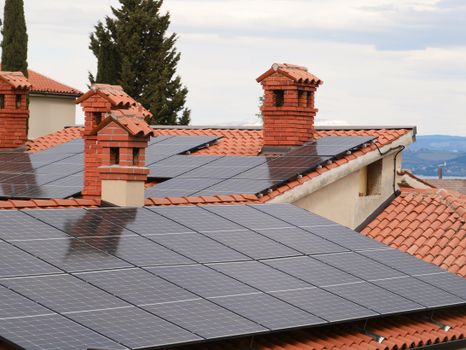
Solar Power: Harnessing the Sun's Abundance
Photo: K / Pexels
Solar power stands as one of the most prominent and rapidly expanding types of sustainable energy sources, directly converting sunlight into electricity or heat. Its fundamental principle relies on the photovoltaic (PV) effect, where certain materials generate an electric current when exposed to light. Solar panels, composed of numerous PV cells, are typically installed on rooftops or in large ground-mounted arrays to capture this solar radiation. The direct current (DC) electricity produced by these panels is then converted into alternating current (AC) by an inverter, making it suitable for use in homes, businesses, and integration into the national grid. Beyond electricity generation, solar thermal systems utilize the sun's heat to warm water for domestic use or to generate steam for electricity production in concentrated solar power (CSP) plants. These plants use mirrors to focus sunlight onto a receiver, heating a fluid that then drives a turbine.
The widespread adoption of solar power is driven by several compelling advantages. Firstly, sunlight is an inexhaustible and globally available resource, ensuring a continuous supply of energy. Secondly, solar technology has seen dramatic cost reductions over the past decade, making it increasingly competitive with traditional fossil fuels. This economic viability, coupled with government incentives and tax credits, has accelerated its deployment across residential, commercial, and utility scales. Furthermore, solar installations have a relatively low operational cost and minimal maintenance requirements once established. Environmentally, solar power generates no greenhouse gas emissions during operation, contributing significantly to cleaner air and mitigating climate change. Challenges, however, include intermittency – solar panels only produce power when the sun is shining – and the need for efficient energy storage solutions like batteries to ensure a consistent supply. Land use for large-scale solar farms can also be a consideration, although innovative solutions like floating solar arrays and building-integrated photovoltaics are addressing these concerns. The future of solar power looks bright, with ongoing research focused on improving panel efficiency, developing more advanced storage technologies, and integrating AI for better grid management. This commitment to innovation solidifies solar's position as a cornerstone of sustainable energy. For a deeper dive into the broader energy landscape, explore the future of energy.
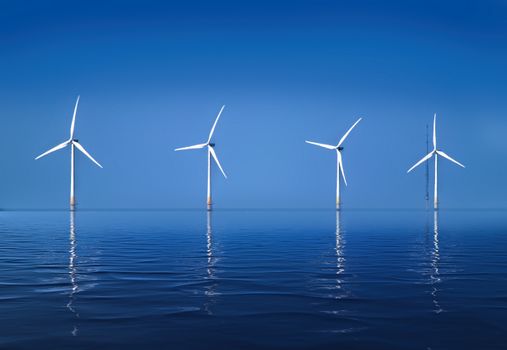
Wind Energy: Tapping into Atmospheric Currents
Photo: Athena Sandrini / Pexels
Wind energy represents another cornerstone among the types of sustainable energy sources, leveraging the kinetic energy of moving air to generate electricity. Wind turbines, the iconic structures of wind farms, consist of large blades that rotate when wind passes over them. This rotation drives a generator housed within the nacelle, converting mechanical energy into electrical energy. Modern wind turbines are engineering marvels, designed to efficiently capture wind at varying speeds and heights. They can be deployed onshore, in vast open landscapes, or offshore, where wind speeds are generally higher and more consistent, leading to greater power output. Offshore wind farms are particularly gaining traction due to their potential for massive scale and reduced visual impact on populated areas.
The benefits of wind energy are substantial. Like solar, wind is an abundant and renewable resource that produces no greenhouse gas emissions or air pollutants during operation. Once a wind farm is constructed, the 'fuel' – wind – is free, leading to low operating costs. Wind power also contributes to energy independence by reducing reliance on imported fossil fuels and creates numerous jobs in manufacturing, installation, and maintenance. Technological advancements have led to larger, more efficient turbines that can generate significantly more power per unit, pushing down the levelized cost of electricity. However, wind energy also presents its own set of challenges. Its intermittency is a primary concern; wind speeds fluctuate, meaning turbines don't always operate at full capacity. This necessitates robust grid management systems and energy storage solutions to ensure a stable power supply. Visual impact and noise pollution, particularly from onshore wind farms, can be issues for local communities, though advancements in turbine design are mitigating these factors. Furthermore, the construction and maintenance of wind farms, especially offshore, require significant upfront investment and specialized infrastructure. Despite these hurdles, ongoing research aims to improve turbine efficiency, develop advanced materials, and enhance grid integration strategies, ensuring wind power continues to play a vital role in our sustainable energy future. The sheer scale of potential wind resources, particularly offshore, positions it as a critical component in achieving global decarbonization targets.
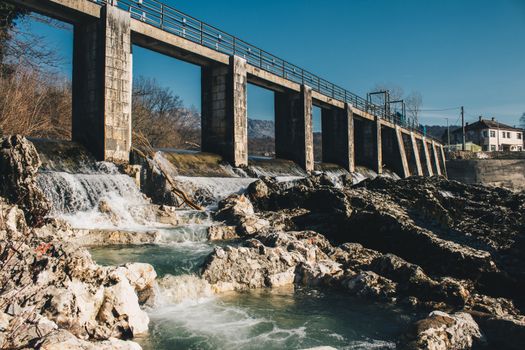
Hydropower, Geothermal, and Biomass: Diverse Green Solutions
Photo: Donovan Kelly / Pexels
Beyond solar and wind, several other types of sustainable energy sources contribute significantly to the global renewable energy mix, each with unique characteristics and applications. Hydropower, for instance, harnesses the energy of flowing water, typically by damming rivers and channeling water through turbines. This is one of the oldest and most established forms of renewable energy, providing a consistent and dispatchable power source, meaning it can be turned on or off as needed. Large-scale hydroelectric projects, while offering immense power generation capacity, can have significant environmental impacts on river ecosystems and local communities. However, smaller run-of-river projects and pumped-storage hydropower, which stores energy by pumping water to an upper reservoir, offer more environmentally benign alternatives. Hydropower's reliability and long lifespan make it a crucial component of many national grids, offering grid stability and load balancing capabilities. Its ability to provide baseload power is a distinct advantage over intermittent sources like solar and wind.
Geothermal energy taps into the Earth's internal heat. In certain regions, geological conditions allow for the extraction of hot water or steam from underground reservoirs, which can then be used to drive turbines for electricity generation or directly for heating and cooling purposes. Geothermal power plants have a small land footprint and provide a continuous, reliable source of energy, operating 24/7 regardless of weather conditions. While not universally available, regions with active seismic or volcanic activity are prime candidates for geothermal development. The initial drilling costs can be high, but the operational costs are relatively low, and the resource is virtually limitless. Environmental concerns are minimal, primarily involving the potential for minor seismic activity and the release of some gases, though these are typically well-managed. Understanding energy efficiency can further enhance the benefits of these sustainable solutions.
Biomass energy utilizes organic matter, such as agricultural waste, forestry residues, or dedicated energy crops, to produce electricity, heat, or biofuels. This process involves burning the biomass directly, converting it into biogas through anaerobic digestion, or transforming it into liquid biofuels. Biomass is considered carbon-neutral if the rate of regrowth of the organic material equals the rate at which it is consumed, effectively recycling atmospheric carbon. It offers a way to manage waste and can provide a dispatchable power source. However, concerns exist regarding land use, potential deforestation if not managed sustainably, and air quality impacts from burning. Careful sourcing and sustainable management practices are crucial to ensure biomass truly contributes to a sustainable energy future. Each of these diverse sources plays a vital role in creating a robust and resilient sustainable energy infrastructure.
Challenges and Opportunities in Sustainable Energy Transition
Photo: panumas nikhomkhai / Pexels
The transition to a global sustainable energy system, while imperative, is not without its significant challenges, yet it simultaneously presents immense opportunities for innovation and growth. One of the primary challenges across many types of sustainable energy sources is intermittency. Solar power is only available when the sun shines, and wind power depends on the wind blowing. This variability poses a hurdle for grid stability and requires sophisticated energy storage solutions, such as large-scale battery banks, pumped-hydro storage, or even hydrogen production, to ensure a constant supply of electricity. The development of more efficient and cost-effective storage technologies is critical for the widespread adoption of renewables. Another challenge lies in the initial capital investment required for building new sustainable energy infrastructure, which can be substantial, although decreasing costs and supportive policies are helping to mitigate this.
Grid modernization is also a crucial aspect. Existing electrical grids were primarily designed for centralized, fossil fuel-based power plants. Integrating a diverse mix of distributed renewable energy sources requires significant upgrades to transmission lines, smart grid technologies, and advanced control systems to manage bidirectional power flow and ensure reliability. Policy and regulatory frameworks also need to evolve to support this transition, including carbon pricing, renewable energy mandates, and incentives for sustainable practices. Public perception and acceptance can also be a challenge, particularly concerning land use for large-scale projects or visual impact.
However, these challenges are dwarfed by the opportunities presented by the sustainable energy transition. It fosters significant economic growth through job creation in manufacturing, installation, research, and development. It enhances energy security by reducing reliance on volatile fossil fuel markets and geopolitical risks. The health benefits from reduced air pollution are substantial, leading to fewer respiratory illnesses and associated healthcare costs. Furthermore, sustainable energy drives technological innovation, pushing boundaries in materials science, artificial intelligence for grid management, and advanced manufacturing. It also empowers communities through distributed generation, allowing for greater energy independence and resilience against outages. Investing in sustainable energy is not just an environmental imperative; it's an economic and social one, promising a cleaner, healthier, and more prosperous future for all. The ongoing advancements and global commitment highlight a promising trajectory towards overcoming these challenges and fully realizing the potential of sustainable energy.
Comparison
Feature
Solar Power
Wind Power
Hydropower
Geothermal Energy
Resource Availability
Global, intermittent (daylight)
Global, intermittent (wind speed)
Regional, consistent (flowing water)
Regional, consistent (earth's heat)
Environmental Impact (Operational)
Very Low (no emissions)
Low (no emissions, but ecosystem impact)
Very Low (minimal emissions)
Cost Trend
Rapidly Decreasing
Decreasing
Stable/High upfront
Stable/High upfront
Dispatchability
✗ (requires storage)
✓ (can be controlled)
✓ (baseload power)
Land Use
Moderate (panels/arrays)
Moderate (wind farms)
High (reservoirs)
Low (power plant site)
What Readers Say
★★★★★
"Understanding the different types of sustainable energy sources has completely changed my perspective on our future. This article was incredibly comprehensive and easy to digest, making complex topics accessible."
Sarah J. · Boulder, CO
★★★★★
"As a homeowner considering solar, this article provided invaluable insights into not just solar, but also wind and geothermal. It helped me appreciate the broader ecosystem of clean energy solutions."
Mark D. · Austin, TX
★★★★★
"The detailed breakdown of each sustainable energy type, including challenges and opportunities, is exactly what I needed. It confirmed my belief that investing in these technologies yields long-term environmental and economic benefits."
Dr. Emily R. · Seattle, WA
★★★★★
"Very informative article! I appreciated the clear explanations, though I would have loved even more depth on the latest battery storage technologies for solar and wind. Still, a fantastic resource overall."
Carlos M. · Miami, FL
★★★★★
"Working in urban planning, I often field questions about sustainable development. This article is a perfect primer on the various energy options, making it easier to discuss and advocate for green solutions in our city."
Jessica L. · Portland, OR
Frequently Asked Questions
What are the most common types of sustainable energy sources?
The most common and widely adopted types of sustainable energy sources include solar power (photovoltaic and thermal), wind energy (onshore and offshore), hydropower (dams and run-of-river), geothermal energy (from Earth's heat), and biomass energy (from organic matter). Each offers unique benefits and applications in reducing reliance on fossil fuels.
Are sustainable energy sources truly limitless?
While the 'fuel' for sustainable energy sources like sunlight, wind, and geothermal heat is continuously replenished by natural processes, their practical harnessability is subject to geographical, technological, and economic limitations. However, compared to finite fossil fuels, they are considered practically limitless on a human timescale, making them 'renewable' and 'sustainable'.
How can I incorporate sustainable energy into my home?
You can incorporate sustainable energy into your home in several ways. The most common is installing rooftop solar panels to generate electricity. Other options include using solar water heaters, exploring small-scale wind turbines if your location is suitable, and improving overall energy efficiency through insulation and smart appliances. Consulting with local energy experts can help determine the best fit for your specific needs.
What is the cost comparison between sustainable energy and traditional fossil fuels?
The upfront cost of installing sustainable energy systems can be higher than traditional fossil fuel infrastructure. However, the operational costs of sustainable energy are significantly lower as the 'fuel' (sun, wind, water) is free. With decreasing technology costs, government incentives, and rising fossil fuel prices, sustainable energy is increasingly cost-competitive and often cheaper over the lifespan of the system, offering long-term savings.
How do sustainable energy sources impact the environment compared to fossil fuels?
Sustainable energy sources generally have a significantly lower environmental impact than fossil fuels. They produce little to no greenhouse gas emissions or air pollutants during operation, helping to combat climate change and improve air quality. While there are some localized impacts from manufacturing or construction, these are typically far less severe and often mitigable compared to the continuous pollution and resource depletion associated with fossil fuel extraction and combustion.
Who should consider switching to sustainable energy?
Anyone concerned about their carbon footprint, rising energy costs, or energy independence should consider switching to sustainable energy. This includes homeowners, businesses of all sizes, and governmental bodies. The benefits extend from individual financial savings and property value increases to broader societal advantages like improved public health and energy security. Even partial adoption can make a significant difference.
Are there any safety concerns with sustainable energy technologies?
Like any energy technology, sustainable energy sources have specific safety considerations, but they are generally very safe when properly installed and maintained. For solar, this includes electrical safety and structural integrity on roofs. For wind turbines, public safety zones are established around installations. Hydropower involves dam safety. Regulatory bodies and industry standards ensure that these systems meet stringent safety requirements to protect both workers and the public.
What is the future outlook for sustainable energy development?
The future outlook for sustainable energy is extremely positive. Continuous technological advancements are making these sources more efficient, affordable, and accessible. Global investment is soaring, and policies worldwide are increasingly favoring renewable deployment. The trend points towards a future dominated by diverse sustainable energy sources, integrated with smart grids and advanced storage, leading to a resilient, decentralized, and carbon-neutral energy system.
Embrace the future of energy by exploring the diverse types of sustainable energy sources available today. Make an informed decision to power your life, business, and community with clean, renewable energy, contributing to a healthier planet for generations to come.