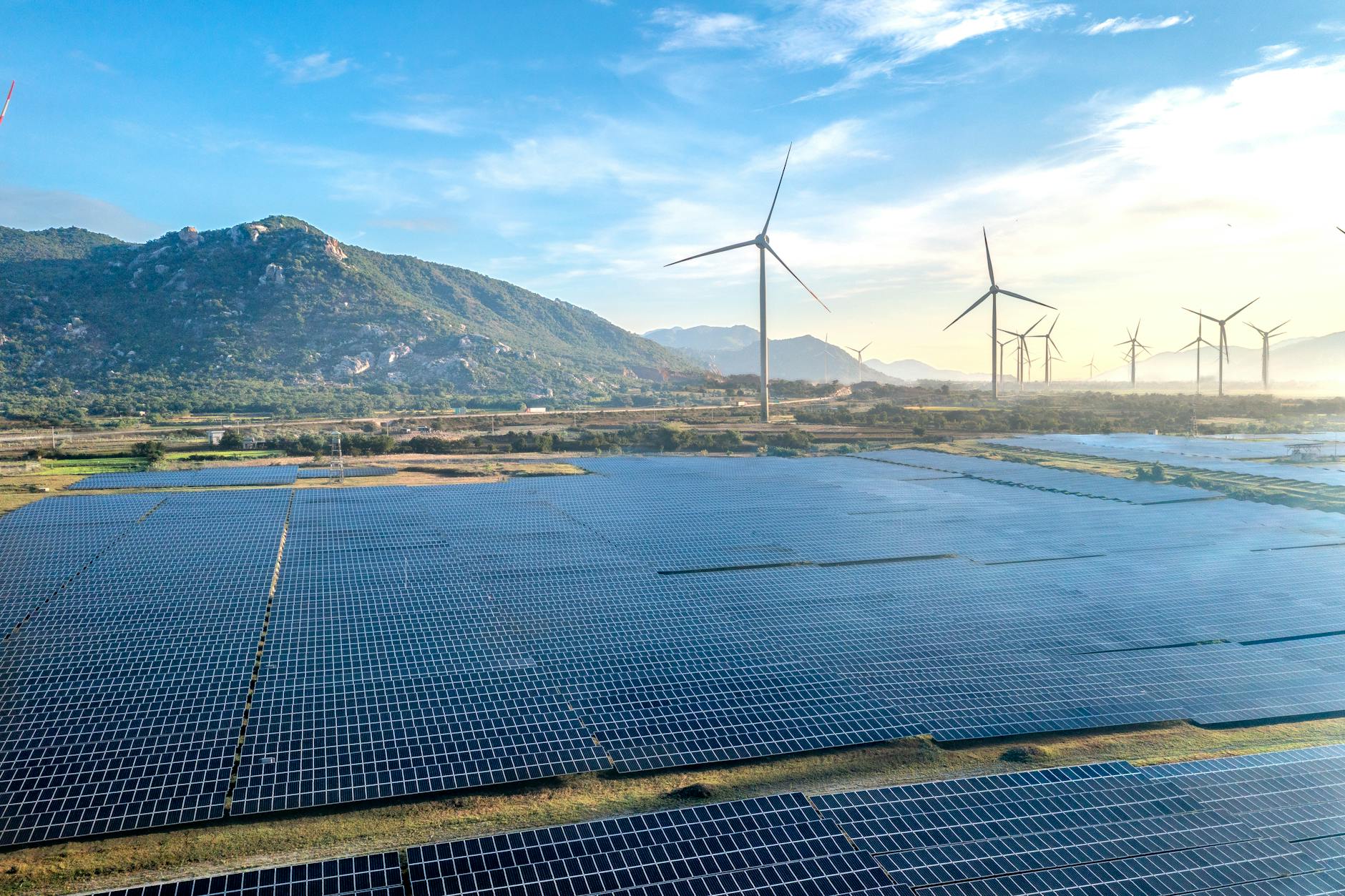
Unlocking the Future: Exploring Types of Sustainable Energy
Understand the power of renewable resources and how they are shaping a resilient, eco-friendly energy landscape.
Explore Sustainable SolutionsKey Takeaways
- ✓ Sustainable energy sources replenish naturally and do not deplete over time.
- ✓ Transitioning to sustainable energy significantly reduces greenhouse gas emissions and air pollution.
- ✓ Technological advancements are continuously making sustainable energy more efficient and cost-effective.
- ✓ Diversifying energy portfolios with sustainable options enhances energy security and independence.
How It Works
Sustainable energy systems capture power from naturally occurring phenomena like sunlight, wind, and flowing water. This initial capture converts raw environmental energy into a usable form.
Specialized technologies, such as solar panels or wind turbines, convert these natural forces into electricity or heat. This conversion process is typically clean, producing minimal to no emissions.
The generated energy can either be used immediately, stored in batteries for later use, or fed directly into the electrical grid. Efficient distribution networks ensure power reaches homes and businesses.
By utilizing sustainable energy, consumers reduce their reliance on fossil fuels and lower their carbon footprint. This contributes to a healthier environment and a more resilient energy infrastructure.
Solar Power: Tapping into the Sun's Abundance
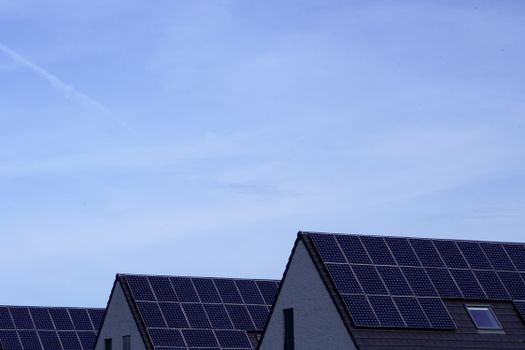 Photo: Budget Bizar / Pexels
Concentrated solar power, on the other hand, employs mirrors or lenses to focus a large area of sunlight onto a small receiver. This concentrated light generates heat, which is then used to boil water, creating steam to drive a turbine and generate electricity. CSP plants are often utility-scale projects, capable of producing large amounts of power. The advantages of solar power are manifold. It's a truly renewable resource, meaning the sun’s energy is virtually inexhaustible. It significantly reduces greenhouse gas emissions, contributing to cleaner air and mitigating climate change. Moreover, solar technology has seen dramatic cost reductions over the past decade, making it increasingly competitive with traditional fossil fuels. The modular nature of PV systems also allows for flexible deployment, from small residential installations to vast solar farms. Challenges, however, include intermittency – solar panels only produce power when the sun is shining – and the need for efficient energy storage solutions to ensure a consistent supply. Research into advanced materials, more efficient panels, and better battery technologies continues to push the boundaries of solar power's capabilities, solidifying its role as a cornerstone of sustainable energy. Understanding how solar power works is crucial for anyone interested in the future of energy independence and environmental stewardship.
Wind Energy: Harnessing the Invisible Power of Air
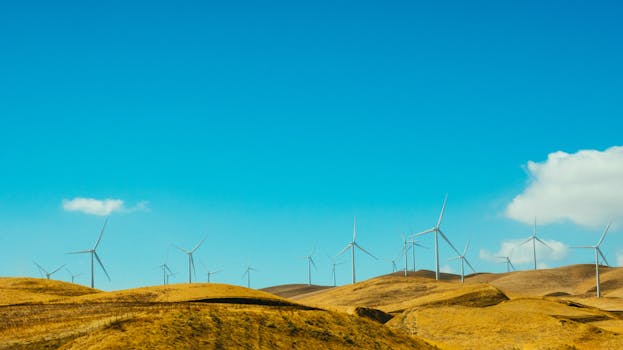 Photo: Athena Sandrini / Pexels
The principle behind wind power is elegant in its simplicity: capitalize on a natural, abundant resource. Wind is caused by uneven heating of the Earth’s surface by the sun, making it an indirect form of solar energy and therefore perpetually renewable. The environmental benefits are substantial; wind power produces no air pollution, no greenhouse gases, and uses no water for cooling during operation, unlike many conventional power plants. It also contributes to energy security by reducing reliance on imported fuels and diversifying a nation's energy portfolio. Furthermore, wind farms can often coexist with agricultural land use, allowing for dual-purpose land utilization. However, wind energy also presents its own set of challenges. Its intermittency is a primary concern; wind doesn't blow consistently, meaning power generation fluctuates. This necessitates integration with other energy sources or robust energy storage solutions. Visual impact and noise concerns from turbines can also be issues for local communities. Technological advancements continue to address these challenges, with larger, more efficient turbines and advanced forecasting models enhancing wind power's reliability and appeal. Offshore wind farms, in particular, are gaining traction due to stronger, more consistent winds and fewer land-use conflicts, albeit with higher installation and maintenance costs.
Hydropower and Geothermal: Earth's Natural Energy Reserves
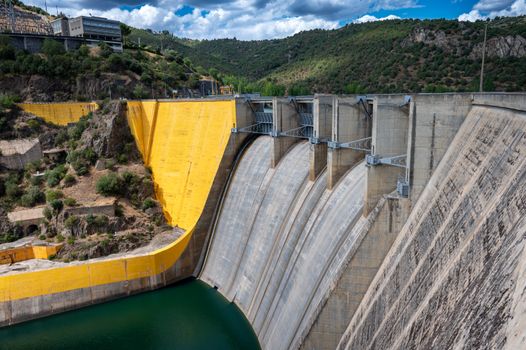 Photo: Christian Palau / Pexels
Geothermal energy, on the other hand, taps into the heat stored beneath the Earth's surface. This heat originates from the Earth's molten core and from the decay of radioactive isotopes in the crust. In regions with high geothermal activity, such as volcanic areas, hot water and steam can be directly accessed through wells. This steam can then be used to drive turbines and generate electricity in geothermal power plants. In other areas, ground source heat pumps utilize the stable temperatures just a few feet below the surface to provide heating and cooling for buildings. Geothermal energy is highly reliable, offering a constant, 24/7 power supply regardless of weather conditions. It also has a very small land footprint per unit of energy produced compared to other renewables. While initial drilling costs can be high, the operational costs are relatively low. Environmental concerns are minimal, primarily limited to the release of some gases (though far less than fossil fuels) and potential seismic activity in rare cases. Both hydropower and geothermal energy are vital components of a diversified sustainable energy portfolio, providing unique benefits and contributing to a resilient and low-carbon energy future.
Emerging Sustainable Energy Technologies and Best Practices
 Photo: Amélie Vialla / Pexels
Ocean energy, encompassing wave power and tidal power, is another frontier. Tidal barrages and stream generators harness the predictable rise and fall of tides, while wave energy converters capture the motion of ocean waves. These technologies hold immense potential, especially for coastal regions, but face challenges related to harsh marine environments, high installation costs, and ecological impacts on marine life.
Beyond specific generation methods, best practices in sustainable energy extend to grid modernization, energy storage, and smart energy management. Advanced battery storage solutions, like lithium-ion and flow batteries, are crucial for addressing the intermittency of solar and wind, ensuring a stable power supply. Smart grids utilize digital technology to monitor and manage the transportation of electricity from all generation sources to meet the varying electricity demands of end-users. This includes demand-side management, where consumers are incentivized to shift their energy use to off-peak hours.
Here are some key emerging technologies and best practices:
- Advanced Energy Storage: Beyond batteries, research into hydrogen fuel cells and pumped-hydro storage continues to offer solutions for long-duration energy storage.
- Perovskite Solar Cells: A new generation of solar cell technology promising higher efficiencies and lower manufacturing costs.
- Small Modular Reactors (SMRs): While nuclear energy is not strictly renewable, SMRs offer a carbon-free, high-density power source with enhanced safety features and scalability, often considered a crucial part of a sustainable energy mix.
- Distributed Energy Resources (DERs): Localized generation and storage systems (e.g., rooftop solar, community batteries) that enhance grid resilience and efficiency.
- Energy Efficiency and Conservation: The most sustainable energy is the energy not used. Improving insulation, using LED lighting, and optimizing industrial processes are fundamental.
- Circular Economy Principles: Designing energy systems and products for longevity, reuse, and recycling to minimize waste and resource consumption.
Comparison
| Feature | Solar PV | Wind Onshore | Hydropower | Geothermal |
|---|---|---|---|---|
| Resource Availability | Global, abundant | Widespread, variable | Site-specific, reliable | Site-specific, constant |
| Carbon Emissions | Very Low (operational) | Very Low (operational) | Very Low (operational) | Very Low (operational) |
| Intermittency | High (day/night) | Medium (wind speed) | Low (reservoirs) | None (24/7) |
| Land Footprint | Medium (per MWh) | High (per MWh) | High (reservoirs) | Low (per MWh) |
| Cost Competitiveness | ✓ | ✓ | ✓ | ✗ (initial) |
What Readers Say
"Understanding the different types of sustainable energy helped me choose the best solar panel system for my home. My electricity bills have plummeted, and I feel good about my environmental impact."
Sarah J. · Austin, TX"This article provided such a clear breakdown of wind and hydro power. It really opened my eyes to the potential of these clean energy sources for our community."
Mark D. · Portland, OR"After reading about geothermal energy, I invested in a ground-source heat pump. My heating and cooling costs are down by 40%, a fantastic result for my budget and the planet."
Emily R. · Denver, CO"While the details on ocean energy were fascinating, I appreciated the balanced view on the challenges of each sustainable type. It's not a one-size-fits-all solution, but the progress is encouraging."
David L. · Sacramento, CA"As a small business owner, learning about the various types of sustainable energy has inspired me to explore green energy options for my office building. It's a smart investment for the future."
Jessica M. · Burlington, VTFrequently Asked Questions
What are the main types of sustainable energy?
The main types of sustainable energy include solar power, wind energy, hydropower, geothermal energy, and bioenergy. These sources are considered sustainable because they are naturally replenished and produce significantly lower environmental impacts compared to fossil fuels, primarily reducing greenhouse gas emissions.
Is sustainable energy reliable, given its dependence on weather?
While some sustainable energy sources like solar and wind are intermittent, reliability is addressed through several strategies. These include diversification of energy sources, advanced energy storage technologies (like batteries), smart grid management, and integrating predictable sources such as hydropower and geothermal energy.
How can I incorporate sustainable energy into my home?
You can incorporate sustainable energy into your home by installing rooftop solar panels, investing in a ground-source heat pump for heating and cooling, or purchasing green energy from your utility provider if available. Additionally, improving energy efficiency through better insulation and LED lighting significantly reduces your energy footprint.
Is sustainable energy more expensive than traditional fossil fuels?
The cost of sustainable energy has decreased dramatically over the past decade, making it increasingly competitive. While initial installation costs can sometimes be higher for certain technologies, the operational costs are often lower, and incentives like tax credits can further reduce the overall investment, leading to long-term savings.
How does sustainable energy compare to nuclear energy?
Sustainable energy sources are naturally replenishing, while nuclear energy uses finite uranium as fuel. Both produce very low operational greenhouse gas emissions. Nuclear offers high, consistent power, but has concerns regarding radioactive waste and safety. Sustainable sources vary in output but are continually improving in storage and grid integration.
Who should consider switching to sustainable energy?
Anyone concerned about their carbon footprint, rising energy costs, or energy independence should consider switching to sustainable energy. This includes homeowners, businesses, and even large industrial complexes looking for long-term, environmentally friendly, and often more stable energy solutions.
Are there any environmental risks associated with sustainable energy?
While generally cleaner, some sustainable energy types have localized environmental impacts. Large hydropower dams can alter ecosystems, wind farms can affect bird migration, and geothermal projects may have minor seismic risks or release some gases. However, these impacts are typically mitigated through careful planning and are far less significant than those from fossil fuel extraction and combustion.
What is the future outlook for sustainable energy in the US?
The future of sustainable energy in the US is very promising, with continuous growth projected across all sectors. Policy support, technological advancements, falling costs, and increasing public awareness are driving a rapid transition towards a cleaner, more resilient, and diversified energy grid, aiming for significant carbon emission reductions.
Embracing the diverse types of sustainable energy is not just an environmental imperative, but a smart economic decision for a resilient future. Explore these innovative solutions to power your life, your business, and our planet more responsibly. Start your sustainable energy journey today.