✓ Home energy storage can reduce electricity bills by optimizing energy use.
✓ Battery systems provide backup power during outages, enhancing grid resilience.
✓ Integrating storage with solar panels maximizes renewable energy self-consumption.
✓ Federal and state incentives can significantly lower the upfront cost of systems.
How It Works
1
Energy Generation & Collection
Solar panels or the grid generate electricity. This power then flows to an inverter, which converts it into usable AC electricity for your home.
2
Intelligent Energy Management
A smart energy management system directs excess electricity not immediately used by your home to charge your battery storage system. It prioritizes charging during off-peak hours or from solar.
3
Power Storage & Release
The battery stores the collected energy as DC power. When your home needs power, especially during peak rates, outages, or at night, the battery converts its stored DC energy back to AC for use.
4
Seamless Grid Interaction
The system intelligently switches between solar, battery, and grid power to ensure your home always has electricity. Any surplus can often be sent back to the grid for credits.
Understanding the Need for Residential Battery Storage
Photo: Kindel Media / Pexels
In an increasingly unpredictable world, the stability of our home's power supply is paramount. From extreme weather events causing widespread outages to fluctuating electricity prices driven by peak demand, relying solely on the traditional grid presents a growing number of challenges. This is where residential battery storage steps in, transforming how homeowners interact with their energy consumption and provision. Far more than just a backup generator, these sophisticated systems offer a multifaceted approach to energy independence and financial savings.
At its core, residential battery storage allows you to capture and store electricity for later use. This can come from various sources: excess power generated by your rooftop solar panels, or even electricity drawn from the grid during off-peak hours when rates are lower. The stored energy can then be deployed when needed most – during a power outage, when utility rates are at their highest, or simply to reduce your reliance on the grid at night when solar panels aren't producing. The impact of this capability is profound. For instance, in regions prone to wildfires or severe storms, having a reliable energy reservoir can mean the difference between comfort and distress during an emergency. Beyond emergency preparedness, the economic benefits are substantial. By shifting your energy consumption to times when electricity is cheaper or self-generated, you can significantly reduce your monthly utility bills. This intelligent management of energy not only saves money but also contributes to a more sustainable lifestyle by maximizing the use of renewable energy sources.
The advent of smart home technology has further enhanced the utility of home energy storage solutions. Modern battery systems are often integrated with intelligent energy management platforms that learn your usage patterns and optimize charging and discharging cycles automatically. This means your system can anticipate peak demand, charge when electricity is cheapest, and discharge when it's most expensive, all without manual intervention. This level of automation ensures maximum efficiency and savings, making the transition to energy independence smoother and more rewarding. Furthermore, as the grid evolves, distributed energy resources like home batteries play a crucial role in grid stability. By providing localized power, they can reduce strain on the centralized grid, especially during periods of high demand. This not only benefits individual homeowners but also contributes to a more resilient and sustainable national energy infrastructure. The decision to invest in home energy storage is a forward-thinking one, offering peace of mind, financial advantages, and a significant step towards a greener future.
Types of Home Energy Storage Solutions and Their Advantages
Photo: Ramesh Kambattan / Pexels
The landscape of home energy storage solutions is diverse, with several key technologies dominating the market, each offering distinct advantages. Understanding these differences is crucial for selecting the system that best aligns with your specific needs, budget, and energy goals. The most prevalent type for residential applications is lithium-ion batteries, specifically lithium iron phosphate (LiFePO4). These batteries are favored for their high energy density, long cycle life, and relatively compact size. They can store a significant amount of energy in a small footprint, making them ideal for home installations where space might be a concern. Their efficiency in charging and discharging also means less energy loss, translating to more usable power for your home. Lithium-ion systems are excellent for daily cycling with solar panels, providing reliable backup, and participating in demand response programs.
Another option, though less common for new residential installations due to their size and maintenance requirements, are lead-acid batteries. While they typically have a lower upfront cost, their shorter lifespan, lower energy density, and need for ventilation make them less appealing for modern home setups, especially when compared to the advancements in lithium-ion technology. However, for certain off-grid or remote applications with specific budget constraints, they can still be a viable choice. The choice between these technologies often comes down to a balance of initial investment versus long-term performance and convenience.
Beyond the battery chemistry itself, the configuration of the system is equally important. Some systems are designed as standalone units, purely for backup power, while others are deeply integrated with solar photovoltaic (PV) systems, forming a comprehensive solar battery system. These integrated systems are designed to maximize solar self-consumption, storing excess solar energy generated during the day to be used at night or during cloudy periods. This synergy between solar generation and battery storage is particularly powerful for achieving true energy independence and minimizing your reliance on the utility grid. Furthermore, the capacity of these systems varies widely, from smaller units designed to power essential loads for a few hours to larger, modular systems that can sustain an entire home for days. Many modern systems also offer expandability, allowing homeowners to add more battery modules as their energy needs grow or as their budget allows, providing flexibility for future adjustments. The decision process should involve evaluating your typical energy consumption, your desired level of grid independence, and the specific incentives available in your region, all of which influence the optimal type and size of home energy storage solution for your property.
Integrating Home Energy Storage with Solar Panels for Maximum Efficiency
Photo: Kindel Media / Pexels
The true potential of home energy storage solutions is fully realized when integrated with a solar panel system. This powerful combination creates a synergistic ecosystem where your home becomes a microgrid, capable of generating, storing, and intelligently managing its own electricity. Without a battery, excess solar energy generated during the day, when your home's consumption might be low, is typically sent back to the grid for minimal credit (net metering). While beneficial, this doesn't fully capture the value of your self-generated power. With a battery, that surplus energy is instead stored, becoming a valuable asset you can deploy precisely when it benefits you most.
The primary advantage of combining solar with storage is maximizing self-consumption. This means you use more of the clean energy you produce, rather than exporting it to the grid at a lower value and then buying back grid power at a higher rate later. For example, during sunny afternoons when your solar panels are producing peak power, the battery charges. Then, in the evening when the sun sets and electricity demand (and often utility rates) climb, your home seamlessly switches to drawing power from the battery. This significantly reduces your reliance on the grid during expensive peak hours, leading to substantial savings on your electricity bill and accelerating the return on investment for your entire solar-plus-storage system. Moreover, some utilities offer time-of-use (TOU) rates, where electricity prices vary throughout the day. A smart solar battery system can automatically optimize its charging and discharging based on these rates, further enhancing your financial benefits.
Beyond financial savings, integrating storage provides unparalleled energy resilience. In the event of a grid outage, a solar-plus-storage system can continue to power your home. While a grid-tied solar system without a battery typically shuts down during an outage for safety reasons, a system with a battery can automatically disconnect from the grid (a process called 'islanding') and continue to supply your home with power from the stored energy and any new solar generation. This ensures essential appliances, lighting, and communication systems remain operational, providing peace of mind during emergencies. This capability is particularly attractive in regions with unreliable grids or frequent extreme weather events. The sophisticated inverters and energy management systems that accompany these setups ensure a smooth transition between solar, battery, and grid power, often imperceptible to the homeowner. This seamless operation, coupled with the environmental benefits of maximizing renewable energy use, makes the integration of home energy storage with solar panels the ultimate step towards achieving comprehensive energy independence and a sustainable future for your home.
Choosing and Maintaining Your Home Energy Storage System
Photo: Elite Power Group / Pexels
Selecting the right home energy storage solution involves careful consideration of several factors beyond just battery chemistry and capacity. First, assess your energy needs: how much power do you typically consume daily, and what critical loads do you need to power during an outage? A professional energy audit can provide precise data. Next, consider your budget and the available incentives. Federal tax credits, state rebates, and local programs can significantly offset the upfront cost. Research these thoroughly, as they can vary greatly by location. Compatibility with existing or planned solar systems is also crucial; ensure the inverter and battery system can communicate effectively for optimal performance. Finally, look at the warranty, expected lifespan, and the reputation of the manufacturer and installer. A long warranty on cycle life and performance degradation indicates manufacturer confidence in their product.
Once installed, maintaining your home energy storage system is generally straightforward, especially for modern lithium-ion batteries. These systems are largely maintenance-free, designed for longevity and minimal intervention. However, there are a few best practices to ensure optimal performance and extend their lifespan. Keep the battery system in a well-ventilated area with stable temperatures, as extreme heat or cold can degrade performance over time. Most systems have internal thermal management, but avoiding direct sunlight or uninsulated spaces is wise. Regularly monitor the system's performance through its accompanying app or display. This allows you to track charging/discharging cycles, overall efficiency, and identify any potential issues early. Ensure that the software and firmware of your battery management system are kept up-to-date, as manufacturers frequently release updates to improve efficiency, add features, and enhance security. Periodically check for any visible damage or loose connections, although professional inspection during routine solar panel maintenance is typically sufficient.
Understanding the terms of your warranty is also part of good maintenance. Most warranties cover a certain number of cycles or years, whichever comes first, and also guarantee a minimum capacity retention (e.g., 70% of original capacity after 10 years). Following manufacturer guidelines for operation and avoiding extreme deep discharges will help you stay within warranty parameters. While home energy storage systems represent a significant investment, their durability and low maintenance requirements, combined with the benefits of energy independence and financial savings, make them a compelling choice for the modern homeowner. By choosing wisely and performing basic care, your home energy storage system will reliably serve your energy needs for years to come. This commitment to intelligent energy management not only benefits your household but also contributes to a more resilient and sustainable energy future for everyone. Investing in these solutions is investing in peace of mind and a smarter way to power your life.
Comparison
Feature
Lithium-ion (e.g., LiFePO4)
Lead-Acid (Flooded/AGM)
Flow Battery
Energy Density
High
Low
Medium
Cycle Life
Very Long (6,000+)
Short (500-1,500)
Very Long (10,000+)
Efficiency (Round-trip)
High (90-98%)
Medium (70-85%)
Medium (75-85%)
Maintenance
Low
High (for flooded)
Medium
Safety
Good (with BMS)
Good
Excellent
Cost (per kWh)
Moderate to High
Low
High
Footprint
Compact
Large
Very Large
Primary Use Case
Daily cycling, backup
Backup, off-grid (budget)
Long-duration storage
What Readers Say
★★★★★
"Installing our home energy storage solution with our solar panels was a game-changer. Our electricity bills dropped dramatically, and we haven't lost power during any of the recent storms. It's truly amazing to see our energy usage optimized."
Sarah J. · Austin, TX
★★★★★
"We've been looking into home energy storage solutions for years, and finally took the plunge. The peace of mind knowing we have backup power is invaluable, especially with time-of-use rates, we're saving a significant amount each month. Best investment for our home."
Mark D. · San Diego, CA
★★★★★
"Our new battery system has made our home virtually immune to power outages. Last week, when the neighborhood went dark for 8 hours, our lights stayed on, our fridge kept running, and we could even charge our phones. It's a complete relief."
Emily R. · Boston, MA
★★★★★
"The initial cost for our home energy storage solution was substantial, even with incentives. However, the performance has been flawless, and we're seeing the savings accumulate faster than expected. The installation process was smooth, and the system is very quiet."
David L. · Phoenix, AZ
★★★★★
"Living off-grid, reliable home energy storage solutions are critical. Our new lithium-ion system has exceeded expectations, handling our daily needs and providing consistent power. It's robust, efficient, and truly enables our sustainable lifestyle."
Jessica M. · Rural, OR
Frequently Asked Questions
What are the primary benefits of home energy storage solutions?
The primary benefits include significant electricity bill savings through time-of-use optimization, reliable backup power during grid outages, increased energy independence, and a reduced carbon footprint by maximizing the use of renewable energy sources like solar. They provide both economic advantages and peace of mind.
Are home battery systems safe?
Yes, modern home battery systems, especially lithium-ion batteries, are designed with advanced safety features, including sophisticated battery management systems (BMS) that monitor temperature, voltage, and current to prevent overheating or overcharging. When installed by certified professionals according to manufacturer guidelines, they are very safe.
How do I size a home energy storage system for my needs?
Sizing depends on your average daily energy consumption and which appliances you want to power during an outage, and for how long. It's best to consult with a qualified installer who can assess your energy bills, conduct an energy audit, and recommend a system with appropriate capacity (kWh) and power output (kW) to meet your specific requirements.
What is the typical cost of home energy storage solutions?
The cost of home energy storage solutions can vary widely, typically ranging from $10,000 to $20,000+ for a complete installed system, depending on capacity, brand, and installation complexity. However, various federal tax credits (like the ITC), state rebates, and local incentives can significantly reduce the net cost, making them more affordable.
How do home energy storage solutions compare to traditional generators?
Home energy storage solutions are quieter, produce zero emissions, require no fuel, and often integrate seamlessly with solar power for continuous charging. Generators, while providing backup, are noisy, require fuel, produce emissions, and often need more maintenance. Batteries offer continuous, silent, and eco-friendly power without the recurring fuel costs.
Who should consider installing home energy storage solutions?
Homeowners who experience frequent power outages, live in areas with high electricity rates or time-of-use billing, have solar panels and want to maximize self-consumption, or those seeking greater energy independence and a reduced carbon footprint should strongly consider home energy storage solutions. They are ideal for enhancing resilience and saving money.
What is the lifespan of a typical home battery?
Most modern lithium-ion home batteries come with warranties guaranteeing performance for 10 to 15 years, often covering a certain number of charge/discharge cycles or a minimum capacity retention (e.g., 70% of original capacity). With proper care and optimal operating conditions, many systems can exceed these warranty periods.
Will home energy storage become more affordable in the future?
Yes, the cost of battery technology has been steadily decreasing over the past decade due to advancements in manufacturing, economies of scale, and increased research and development. This trend is expected to continue, making home energy storage solutions more accessible and affordable for a wider range of homeowners in the coming years.
Embrace the future of energy for your home. Explore how home energy storage solutions can provide unparalleled reliability, significant savings, and true energy independence. Take control of your power today and invest in a smarter, more sustainable tomorrow for your household.

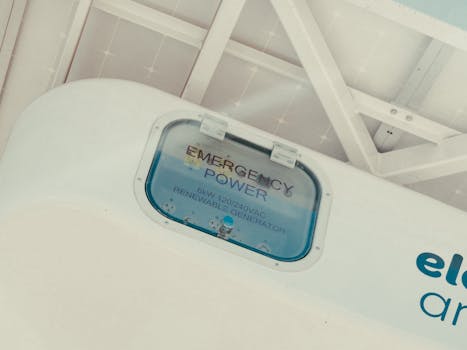 Photo: Kindel Media / Pexels
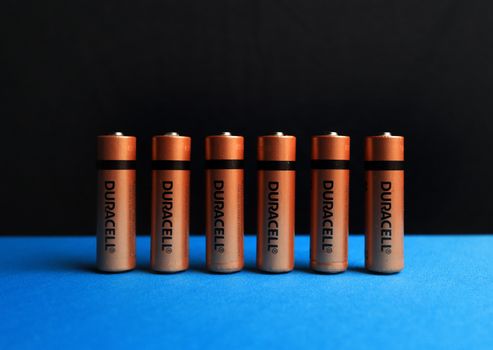 Photo: Ramesh Kambattan / Pexels
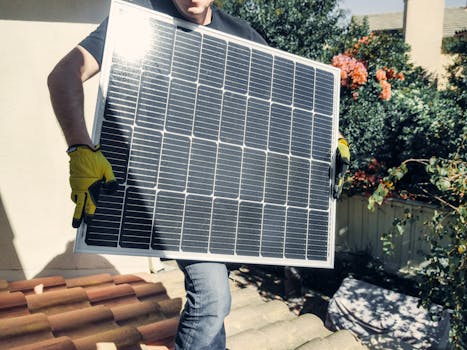 Photo: Kindel Media / Pexels
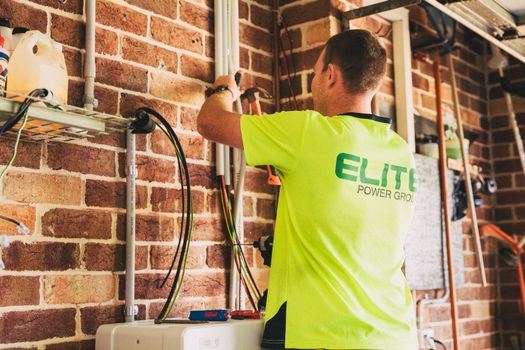 Photo: Elite Power Group / Pexels