✓ Energy is the capacity to do work or cause change.
✓ The Law of Conservation of Energy states that energy cannot be created or destroyed, only transformed.
✓ Energy exists in various forms, broadly categorized as potential and kinetic.
✓ Renewable and non-renewable sources refer to how energy is obtained, not its fundamental type.
How It Works
1
Understand the Basics
Begin by grasping the core definition of energy as the ability to do work. This foundational concept underpins all subsequent understanding of energy forms.
2
Differentiate Potential & Kinetic
Learn to distinguish between potential energy (stored energy) and kinetic energy (energy of motion). These two broad categories encompass all specific types of energy.
3
Explore Specific Forms
Delve into individual types like thermal, chemical, electrical, and nuclear energy. Understand their unique characteristics and real-world applications.
4
Recognize Transformations
Observe how energy constantly transforms from one type to another, never being lost. This continuous conversion is key to understanding energy's role in systems.
The Fundamental Concept of Energy and Its Importance
Photo: Artem Podrez / Pexels
Energy is, without a doubt, one of the most fundamental concepts in physics and, by extension, in our everyday lives. At its core, energy is defined as the capacity to do work or cause change. This seemingly simple definition belies a vast and intricate web of phenomena that dictate everything from the smallest subatomic particles to the grandest cosmic events. From the moment you wake up, the energy stored in your breakfast fuels your body, allowing you to move, think, and interact with the world. The electricity powering your devices, the light illuminating your room, and the heat warming your home are all manifestations of different types of energy at play. Understanding energy isn't just an academic exercise; it's crucial for comprehending how our world functions, for developing sustainable technologies, and for making informed decisions about our future.
The Law of Conservation of Energy is a cornerstone principle that states energy cannot be created or destroyed, only transformed from one form to another. This law is incredibly powerful because it means that the total amount of energy in an isolated system remains constant. For example, when you drop a ball, its potential energy (stored energy due to its height) is converted into kinetic energy (energy of motion) as it falls. When it hits the ground, some of that kinetic energy is converted into sound energy (the thud) and thermal energy (a slight warming of the ball and ground). The total energy, however, remains the same. This constant transformation is what makes energy so dynamic and ubiquitous. Recognizing these transformations is key to understanding how various systems operate, from a car engine converting chemical energy into mechanical energy, to a solar panel converting light energy into electrical energy. The sheer versatility of energy and its ability to morph into different forms is what makes it such a vital subject of study and application across all scientific and engineering disciplines. Without a deep understanding of these energy conservation principles, we couldn't design efficient machines or predict natural phenomena. The pursuit of new energy sources and more efficient energy utilization is a testament to its central role in human progress and survival. It’s the invisible force that orchestrates change and drives every process imaginable.
Unpacking Potential and Kinetic Energy: The Primary Categories
Photo: Ron Lach / Pexels
Before we delve into the specific types of energy, it's essential to grasp the two overarching categories into which all energy forms can be broadly classified: potential energy and kinetic energy. These two concepts are foundational to understanding how energy is stored and how it manifests as motion. Potential energy is essentially stored energy – energy that an object possesses due to its position, condition, or state. It's the energy that has the 'potential' to do work. Imagine a book resting on a high shelf; it has gravitational potential energy because of its height. If it falls, that stored energy will be converted into kinetic energy. Similarly, a stretched rubber band holds elastic potential energy, and a battery stores chemical potential energy. The key characteristic of potential energy is that it's waiting to be released or converted into another form.
Kinetic energy, on the other hand, is the energy of motion. Any object that is moving possesses kinetic energy. The faster an object moves and the more mass it has, the greater its kinetic energy. A moving car, a flowing river, a spinning turbine, or even the vibrating atoms within a warm object all exhibit kinetic energy. The relationship between potential and kinetic energy is a dynamic one, constantly demonstrating the law of conservation. As an object falls, its gravitational potential energy decreases while its kinetic energy increases. As a pendulum swings, its energy continuously shifts between maximum potential energy at the peak of its swing and maximum kinetic energy at the bottom. Understanding this interplay is critical because many real-world applications involve converting potential energy into kinetic energy to perform work, or vice versa. For instance, hydroelectric power plants convert the gravitational potential energy of water stored behind a dam into kinetic energy as it flows, which then drives turbines to generate electricity. This fundamental duality of potential versus kinetic energy provides a robust framework for analyzing and comprehending all other specific types of energy we encounter in our world, from the microscopic dance of molecules to the macroscopic movement of planets. Without this distinction, our understanding of energy would lack a crucial organizational structure, making it difficult to categorize and study its myriad manifestations effectively.
Exploring the Diverse Forms of Energy: From Thermal to Nuclear
Photo: Los Muertos Crew / Pexels
Beyond the broad categories of potential and kinetic, energy manifests in numerous specific forms, each with unique characteristics and applications. One of the most common forms is thermal energy, also known as heat energy. This is the kinetic energy of atoms and molecules moving randomly within a substance. The hotter an object, the faster its particles are moving, and thus the more thermal energy it possesses. Thermal energy is crucial for everything from cooking food to generating electricity in power plants, where heat is used to boil water and produce steam that drives turbines. Related to thermal energy is radiant energy, or electromagnetic energy, which travels in waves and includes visible light, X-rays, microwaves, and radio waves. This energy comes from the vibration of electric charges and is how the sun's energy reaches Earth, making life possible.
Mechanical energy is the sum of an object's kinetic and potential energy due to its motion and position. It's the energy associated with the motion and position of an object, like a rolling ball or a car speeding down a highway. Sound energy, a specific type of mechanical energy, is produced by vibrations that travel through a medium as waves. Chemical energy is potential energy stored in the bonds of molecules. When these bonds are broken during a chemical reaction, energy is released, often as heat or light. This is the energy that powers our bodies (from food), fuels our cars (from gasoline), and even lights a fire (from wood). Electrical energy is the energy of moving electrons. It's incredibly versatile and powers most of our modern devices, from computers to refrigerators. It can be easily converted into other forms, such as light, heat, or mechanical energy. Lastly, nuclear energy is stored in the nucleus of an atom. It's released during nuclear reactions, such as fission (splitting atoms) or fusion (combining atoms). This form of energy is incredibly potent, capable of generating vast amounts of electricity in nuclear power plants or, in uncontrolled reactions, leading to destructive forces. Understanding each of these diverse energy sources and their transformations is fundamental to appreciating the intricate ways energy powers our world and addressing global energy challenges.
The Interplay of Energy: Transformations and Practical Applications
Photo: Kindel Media / Pexels
The true marvel of energy lies in its ability to transform seamlessly from one form to another, enabling virtually every process and technology we rely on. These energy transformations are not merely theoretical concepts; they are the bedrock of our modern existence. Consider a simple flashlight: chemical energy stored in the battery is converted into electrical energy, which then flows to the bulb. Inside the bulb, electrical energy is transformed into light energy and thermal energy (which is why bulbs get hot). No energy is lost, but it changes form to serve a specific purpose. This principle of transformation is at the heart of all energy generation and consumption.
In practical applications, these transformations are harnessed on a massive scale. A power plant, whether coal-fired, nuclear, or hydroelectric, exemplifies this. In a coal plant, chemical energy in coal is burned, releasing thermal energy. This thermal energy heats water, creating steam (kinetic energy of water molecules). The steam drives a turbine (mechanical energy), which in turn spins a generator, producing electrical energy. This electrical energy is then transmitted to homes and businesses, where it's converted back into light, heat, or mechanical energy by various appliances. Renewable energy technologies also rely heavily on these transformations. Solar panels convert radiant energy from the sun directly into electrical energy. Wind turbines convert the kinetic energy of wind into mechanical energy, and then into electrical energy. Even our own bodies are complex machines performing constant energy transformations: chemical energy from food is converted into mechanical energy for movement, thermal energy to maintain body temperature, and electrical energy for nerve impulses. Understanding these transformations is not just academic; it empowers us to design more efficient systems, reduce waste, and innovate solutions for a sustainable future. Recognizing the interconnectedness of these energy forms allows us to appreciate the intricate balance that sustains life and technology on Earth, highlighting why efficiency in conversion is paramount for minimizing environmental impact and maximizing resource utilization.
Comparison
Energy Type
Primary Characteristics
Typical Source
Common Use
Kinetic Energy
Energy of motion
Moving objects, wind, water flow
Driving turbines, vehicles
Potential Energy
Stored energy due to position/state
Elevated objects, stretched springs, chemical bonds
Hydroelectric dams, batteries
Thermal Energy
Heat from molecular motion
Burning fuels, geothermal, friction
Heating homes, cooking, power generation
Chemical Energy
Energy stored in molecular bonds
Food, fossil fuels, batteries
Body metabolism, car fuel, portable power
Electrical Energy
Energy of moving electrons
Generators, solar panels, batteries
Powering electronics, lighting, motors
Radiant Energy
Energy traveling in electromagnetic waves
Sun, light bulbs, radio transmitters
Lighting, communication, solar power
Nuclear Energy
Energy in atomic nuclei
Uranium, plutonium (fission); Hydrogen (fusion)
Electricity generation (nuclear power plants)
What Readers Say
★★★★★
"This article on types of energy explained everything I needed to know. The distinction between potential and kinetic energy was especially clear and helpful for my science project."
Sarah J. · Austin, TX
★★★★★
"As an engineering student, I found the breakdown of different energy forms incredibly well-structured. It's a fantastic reference for understanding energy transformations in real-world systems."
David M. · Chicago, IL
★★★★★
"After reading this, I finally grasp why my electric bill is higher in winter! The explanation of thermal energy and its use in heating made everything click. Highly recommend for anyone curious about energy."
Emily R. · Seattle, WA
★★★★★
"Very comprehensive overview. While some sections were a bit dense, the overall quality and depth of explanation for each energy type were excellent. A great resource for learning."
Mark T. · Denver, CO
★★★★★
"I used this guide to explain energy to my high school class, and they found it much easier to understand than their textbook. The examples of energy transformations were particularly effective."
Jessica L. · Miami, FL
Frequently Asked Questions
What is the most common type of energy we use daily?
The most common type of energy we use daily is electrical energy, which powers our homes, workplaces, and devices. This electrical energy is often generated from other forms, such as chemical energy (fossil fuels), nuclear energy, or radiant energy (solar), through various conversion processes before it reaches our outlets.
Can energy truly be created or destroyed?
No, according to the Law of Conservation of Energy, energy cannot be created or destroyed. It can only be transformed from one form to another. While it might seem to disappear, it merely changes into a different type of energy, often thermal, and disperses into the environment.
How can I better understand energy transformations?
To better understand energy transformations, observe everyday phenomena. Think about a car moving (chemical to mechanical), a light bulb glowing (electrical to light and heat), or a ball bouncing (potential to kinetic and back). Breaking down these common occurrences into their energy components helps solidify the concept.
Is renewable energy a type of energy?
Renewable energy isn't a 'type' of energy in the same classification as kinetic or thermal. Instead, it refers to the source from which energy is harvested. Renewable sources like solar, wind, and hydro provide radiant, kinetic, or potential energy respectively, which are then converted into usable forms like electrical energy.
What's the difference between energy and power?
Energy is the capacity to do work, measured in joules (J) or kilowatt-hours (kWh). Power, on the other hand, is the rate at which energy is transferred or used, measured in watts (W) or kilowatts (kW). Think of energy as the total amount of fuel in a tank, and power as how quickly that fuel is being burned.
Who should learn about the types of energy explained here?
Anyone with an interest in how the world works, from students and educators to engineers, policymakers, and environmentally conscious citizens, should learn about the types of energy explained here. A foundational understanding of energy is crucial for making informed decisions about technology, resource management, and sustainability.
Are there any risks associated with energy transformations?
Yes, while energy transformations are essential, they often come with risks. For example, burning fossil fuels to release chemical energy creates greenhouse gas emissions, contributing to climate change. Nuclear energy, while powerful, carries risks of radiation and waste disposal challenges. Understanding these risks is vital for responsible energy use.
What future trends are expected in energy types and usage?
Future trends in energy are heavily focused on increasing the efficiency of energy transformations and expanding the use of renewable sources. We can expect advancements in battery technology, fusion energy research, smart grids, and more localized energy production, all aiming for a cleaner, more sustainable, and decentralized energy future.
Understanding the types of energy explained here is the first step towards a more informed and sustainable future. Continue your journey of discovery and apply this knowledge to make a positive impact on your world.

 Photo: Artem Podrez / Pexels
 Photo: Ron Lach / Pexels
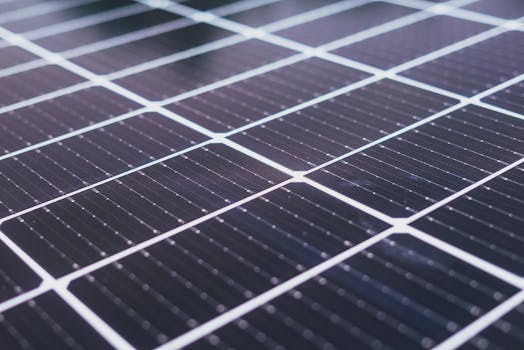 Photo: Los Muertos Crew / Pexels
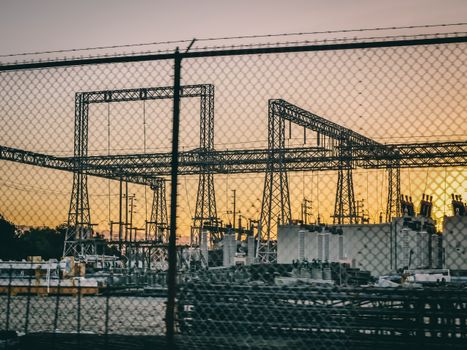 Photo: Kindel Media / Pexels