
Exploring All Types of Clean Energy Sources for a Brighter Future
Uncover the essential role of diverse clean energy options in shaping a sustainable and resilient future.
Explore Clean EnergyKey Takeaways
- ✓ Clean energy sources produce minimal to zero greenhouse gas emissions, mitigating climate change.
- ✓ Renewable energy technologies are becoming increasingly cost-competitive with fossil fuels.
- ✓ Diversifying energy sources enhances national energy security and reduces reliance on volatile global markets.
- ✓ The U.S. has vast untapped potential for various clean energy resources, from solar to geothermal.
How It Works
Clean energy systems capture power directly from natural, continuously replenishing phenomena like sunlight, wind, water, or geothermal heat. This process converts raw natural energy into usable electricity or thermal energy.
Once captured, this raw energy is converted into a suitable form, often electricity, using specialized technologies such as solar panels or wind turbines. For intermittent sources, energy storage solutions like batteries or pumped-hydro are crucial for continuous supply.
The generated clean energy is then fed into the existing electrical grid or used for localized applications. Advanced grid management systems ensure efficient distribution and balance between supply and demand, often with smart grid technologies.
Finally, consumers and industries utilize this clean energy for their daily needs, reducing their carbon footprint and contributing to a more sustainable economy. This cycle of generation and consumption minimizes environmental impact.
Solar Power: Harnessing the Sun's Abundance
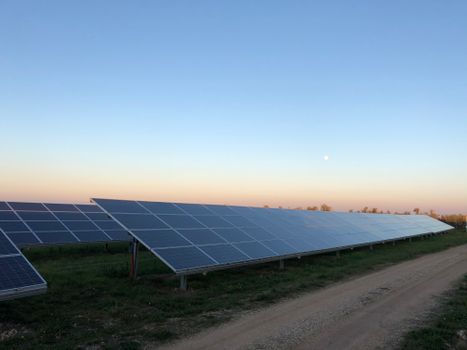 Photo: Diego Vivanco / Pexels
Wind Energy: Harnessing the Invisible Power
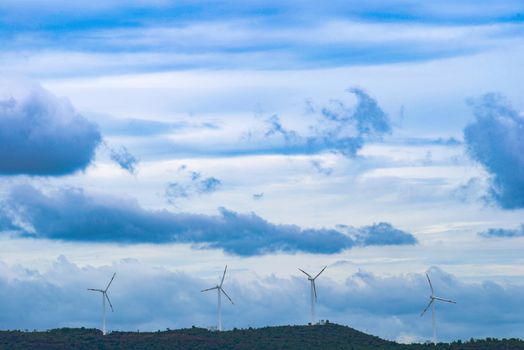 Photo: Visual Entity / Pexels
Hydropower and Geothermal: Consistent Renewable Energy
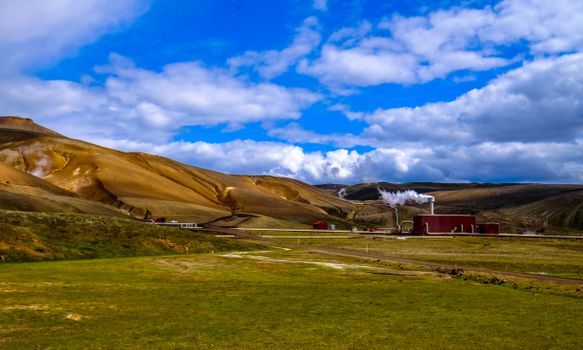 Photo: Francesco Ungaro / Pexels
Emerging Clean Energy: Pioneering New Pathways
 Photo: Mathias Reding / Pexels
Comparison
| Feature | Solar PV | Wind Onshore | Hydropower (Large Scale) | Geothermal |
|---|---|---|---|---|
| Availability | Daytime (Intermittent) | Variable (Intermittent) | Dispatchable (Consistent) | 24/7 (Consistent) |
| Carbon Emissions (Operation) | Zero | Zero | Zero | Very Low |
| Land Footprint | Moderate to High | High | High (Reservoir) | Low |
| Cost Competitiveness | High | High | Moderate | Moderate |
| Storage Needs | High | High | Low (Built-in) | None |
| Environmental Impact | Low (Visual, Habitat) | Low (Visual, Wildlife) | Moderate (Ecosystems, Social) | Low (Seismic, Gases) |
| Typical Capacity Factor | 15-25% | 25-45% | 40-90% | 60-95% |
What Readers Say
"Understanding the types of clean energy sources helped me choose solar for my home. My electricity bills have plummeted, and I feel great about my reduced carbon footprint. It's a tangible way to make a difference."
Sarah J. · Austin, TX"This article clarified so much about renewable energy. I now appreciate the diversity of options, from wind farms to geothermal, and how they collectively contribute to a more sustainable grid. Very insightful!"
David M. · Boulder, CO"After reading about the different types of clean energy sources, our community group successfully advocated for more local investment in community solar projects. It truly empowered us with knowledge to drive change."
Emily R. · Portland, OR"While I'm a strong advocate for clean energy, I recognize the challenges, especially with intermittency. This article did a good job explaining both the benefits and the hurdles each type faces. Informative and balanced."
Michael T. · Phoenix, AZ"As an educator, I'm always looking for clear explanations of complex topics. This breakdown of types of clean energy sources is excellent for teaching students about sustainable energy solutions and their real-world applications."
Jessica L. · Burlington, VTFrequently Asked Questions
What are the primary types of clean energy sources?
The primary types of clean energy sources include solar, wind, hydropower, geothermal, and certain forms of bioenergy. These sources are considered 'clean' because they produce little to no greenhouse gas emissions or air pollutants during operation, helping to combat climate change and improve air quality.
Is clean energy truly reliable given its intermittency?
While some clean energy sources like solar and wind are intermittent, their collective integration into a diversified grid, coupled with advancements in energy storage (like batteries or pumped-hydro), smart grid technologies, and consistent sources like geothermal and hydropower, ensures reliability. A mix of technologies helps balance supply and demand.
How can I personally contribute to using more clean energy?
You can contribute by installing solar panels on your home, switching to an electricity provider that offers renewable energy plans, purchasing energy-efficient appliances, reducing overall energy consumption, and advocating for clean energy policies in your community. Even small changes make a difference.
What is the cost comparison of clean energy versus fossil fuels?
The cost of clean energy, particularly solar and wind, has decreased dramatically over the past decade, making them increasingly competitive with and often cheaper than new fossil fuel power plants. While initial investment can be higher for some technologies, operating costs are typically lower due to free 'fuel' and fewer environmental externalities.
How do clean energy sources impact the environment compared to fossil fuels?
Clean energy sources have significantly lower environmental impacts than fossil fuels. They produce minimal to zero greenhouse gas emissions, reduce air and water pollution, and avoid the risks associated with fossil fuel extraction and transportation. While they have some localized impacts (e.g., land use for solar farms, wildlife concerns for wind), these are generally far less severe than those of fossil fuels.
Who should consider adopting clean energy solutions?
Anyone concerned about their environmental impact, looking to reduce long-term energy costs, seeking greater energy independence, or living in regions with abundant renewable resources should consider adopting clean energy solutions. This applies to homeowners, businesses, and entire communities.
Are there any safety concerns associated with clean energy technologies?
Like any technology, clean energy sources have specific safety considerations, but generally, they are very safe. For example, solar panel installations require proper electrical wiring, and wind turbines have maintenance safety protocols. These are well-regulated and pose significantly fewer risks to public health and safety compared to the pollution and accident risks associated with fossil fuel industries.
What is the future outlook for clean energy in the U.S.?
The future outlook for clean energy in the U.S. is very positive. Driven by technological advancements, declining costs, increasing public demand, and supportive policies, clean energy sources are projected to become the dominant forms of electricity generation. Continued innovation in storage, grid modernization, and new technologies will further accelerate this transition.
Understanding the vast array of types of clean energy sources is the first step towards a sustainable future. Whether you're a homeowner, business owner, or simply an informed citizen, embracing these technologies is crucial. Explore how you can integrate clean energy into your life and contribute to a healthier planet today.