✓ Clean energy sources produce minimal to zero greenhouse gas emissions during operation.
✓ Renewable energy, a subset of clean energy, replenishes naturally on a human timescale.
✓ The U.S. is rapidly expanding its clean energy infrastructure, investing in solar, wind, and hydropower.
✓ Transitioning to clean energy offers benefits like reduced air pollution, energy independence, and job creation.
How It Works
1
Harnessing Natural Forces
Clean energy systems capture power from natural, ongoing processes like sunlight, wind, and water flow. These methods transform environmental phenomena into usable electricity or heat.
2
Conversion and Transmission
Specialized technologies, such as solar panels or wind turbines, convert these natural forces into electricity. This power is then transmitted through grids to homes and businesses.
3
Storage and Distribution
For intermittent sources like solar and wind, energy storage solutions (e.g., batteries) play a crucial role. Stored energy ensures a consistent supply, balancing demand and generation.
4
Sustainable Consumption
Ultimately, clean energy powers our daily lives without depleting finite resources or contributing significantly to climate change. This creates a sustainable energy ecosystem for future generations.
Solar Power: Harnessing the Sun's Abundance
Photo: Dimitri C / Pexels
Solar power stands as one of the most prominent and rapidly expanding types of clean energy sources, directly converting sunlight into electricity. This technology leverages the sun's abundant and freely available energy, offering a compelling alternative to fossil fuels. The primary methods of solar energy utilization are photovoltaic (PV) systems and concentrated solar power (CSP). PV systems, commonly seen as solar panels on rooftops, use semiconductor materials to convert photons from sunlight into electrons, generating a direct current (DC) electricity. This DC electricity is then converted into alternating current (AC) by an inverter, making it suitable for household and grid use. The efficiency of solar panels has significantly improved over the years, with modern panels capable of converting a substantial portion of incident sunlight into usable electricity. Advances in materials science and manufacturing processes have driven down costs, making solar power increasingly competitive with traditional energy sources.
Concentrated Solar Power (CSP) systems, on the other hand, use mirrors or lenses to concentrate a large area of sunlight onto a small area, converting sunlight into heat. This heat is then used to drive a turbine, which in turn generates electricity. CSP plants often incorporate thermal energy storage, allowing them to generate electricity even after the sun has set, addressing the intermittency challenge inherent in solar power. Both PV and CSP technologies contribute significantly to reducing greenhouse gas emissions and decreasing reliance on finite fossil fuels. The United States, with its vast sunny regions, has tremendous potential for solar energy deployment, from large-scale solar farms in deserts to distributed rooftop installations in urban areas. The economic benefits extend beyond environmental protection, creating numerous jobs in manufacturing, installation, and maintenance. Furthermore, solar power contributes to energy independence, reducing vulnerability to geopolitical instabilities affecting global fuel markets. As technology continues to evolve, we can expect even more efficient and cost-effective solar solutions, further solidifying its role among the leading renewable energy solutions. The scalability of solar technology means it can be deployed at various scales, from powering a single remote cabin to contributing gigawatts to national grids, demonstrating its versatility and widespread applicability in diverse energy landscapes.
Wind Power: Capturing Nature's Breath
Photo: Brett Sayles / Pexels
Wind power represents another cornerstone among the diverse types of clean energy sources, utilizing the kinetic energy of moving air to generate electricity. Wind turbines, the iconic symbols of this technology, consist of large blades that rotate when wind passes over them. This rotation drives a generator, producing electricity. Wind energy is a mature and cost-effective technology, particularly in regions with consistent and strong wind resources. There are two main types of wind farms: onshore and offshore. Onshore wind farms are located on land, often in open plains or elevated areas where wind speeds are optimal. Offshore wind farms are built in oceans or large lakes, typically experiencing stronger and more consistent winds due to less surface friction. While offshore installations are more complex and costly to build, their higher capacity factors often make them more productive in the long run.
The environmental benefits of wind power are substantial. It produces no greenhouse gas emissions during operation, helps reduce air pollution, and conserves water resources compared to fossil fuel-based power plants. Technological advancements have led to larger, more efficient turbines with increased power output, making wind energy an increasingly attractive option for utility-scale power generation. Challenges associated with wind power include its intermittency (wind doesn't always blow), potential impacts on wildlife (e.g., birds and bats), and visual aesthetics for some communities. However, ongoing research and development are addressing these issues through advanced forecasting models, improved turbine designs, and strategic siting. In the U.S., states like Texas, Iowa, and Oklahoma have significant wind power capacity, contributing substantially to the national electricity mix. The continued expansion of wind power infrastructure, coupled with improvements in energy storage and grid management, will be crucial for achieving a robust and resilient clean energy system. Wind power not only provides clean electricity but also creates economic opportunities in rural areas, offering lease payments to landowners and employment in turbine manufacturing, installation, and maintenance, thus fostering local economic growth and diversification.
Hydropower: The Power of Flowing Water
Photo: Quang Nguyen Vinh / Pexels
Hydropower, or hydroelectricity, is one of the oldest and most established types of clean energy sources, harnessing the energy of moving water to generate electricity. It accounts for a significant portion of the world's renewable electricity generation. The basic principle involves water flowing from a higher elevation to a lower one, passing through a turbine that spins a generator. There are several types of hydropower facilities, including conventional dammed-hydro facilities, run-of-river hydropower, and pumped-storage hydropower. Conventional dammed-hydro facilities use a dam to create a reservoir, storing water which can then be released through turbines to generate electricity on demand. This allows for excellent control over electricity generation and provides grid stability, acting as a reliable baseload power source. Run-of-river systems divert a portion of a river's flow through a channel and turbine, returning it to the river downstream, typically without a large reservoir. These systems have a smaller environmental footprint but are more dependent on natural river flow.
Pumped-storage hydropower (PSH) is a unique form of hydropower that acts as a large-scale energy storage system. It uses excess electricity (often from intermittent sources like solar or wind) to pump water from a lower reservoir to an upper one. When electricity is needed, the water is released back down through turbines to generate power. PSH plays a critical role in balancing the grid and integrating other intermittent clean power sources. While hydropower offers significant advantages in terms of reliability, low operating costs, and long lifespan, it also presents environmental challenges. These can include altered river ecosystems, fish migration barriers, and potential greenhouse gas emissions from reservoir decomposition in some cases. However, modern hydropower planning increasingly incorporates ecological considerations and mitigation strategies to minimize these impacts. The U.S. has a long history of hydropower development, with major projects across the country contributing to a stable and clean energy supply. As we look to a future powered by diverse clean energy sources, hydropower will continue to be a vital component, particularly for its ability to provide flexible and dispatchable power that complements other renewable technologies.
Emerging & Alternative Clean Energy Technologies
Photo: Budget Bizar / Pexels
Beyond the established giants of solar, wind, and hydro, several other types of clean energy sources are gaining traction and promise significant contributions to our sustainable future. Geothermal energy harnesses the Earth's internal heat. Geothermal power plants tap into underground reservoirs of hot water and steam to drive turbines and generate electricity. This source offers continuous, baseload power, making it highly reliable and independent of weather conditions. The U.S. is a global leader in geothermal energy production, particularly in western states. While site-specific, its consistent output makes it an invaluable part of a diversified clean energy portfolio.
Bioenergy, derived from organic matter (biomass), is another versatile clean energy option. This includes biofuels like ethanol and biodiesel for transportation, as well as biomass combustion for electricity generation or heat. Biomass can come from agricultural waste, forest residues, energy crops, and municipal solid waste. While biomass combustion does release CO2, it is considered carbon-neutral if the feedstock is grown sustainably, as the CO2 released is reabsorbed by new plant growth. However, careful management is crucial to ensure sustainability and avoid land-use conflicts. Waste-to-energy facilities also fall under this category, converting waste into electricity or heat, simultaneously addressing waste management and energy needs.
Ocean energy, though still largely in its nascent stages, holds immense potential. This category includes wave power (harnessing the motion of ocean waves), tidal power (using the rise and fall of tides), and ocean thermal energy conversion (OTEC), which utilizes the temperature difference between warm surface water and cold deep water. These technologies are currently more expensive and face engineering challenges in harsh marine environments, but ongoing research and pilot projects are demonstrating their viability. Their predictability, especially tidal energy, offers a significant advantage for grid stability. The future of clean energy will undoubtedly rely on a mosaic of these diverse sources, each playing a role in creating a resilient, environmentally sound, and economically viable energy landscape. Investing in these varied technologies ensures a robust transition away from fossil fuels, leveraging different natural resources and technological strengths across various regions.
Comparison
Feature
Solar PV
Wind Onshore
Hydropower (Dam)
Geothermal
Availability
Daylight dependent
Wind dependent
Water flow dependent
24/7 baseload
Carbon Emissions
Near zero
Near zero
Near zero
Near zero
Land Footprint
Moderate (can be rooftop)
High
High (reservoir)
Low (power plant)
Cost Competitiveness
High
High
High
Moderate
Storage Potential
Needs batteries
Needs batteries
Integrated (reservoir)
N/A (baseload)
Scalability
✓
✓
✗
✓
What Readers Say
★★★★★
"Understanding the different types of clean energy sources helped me make an informed decision about installing solar panels on my home. It's truly empowering to generate my own electricity!"
Sarah Chen · Austin, TX
★★★★★
"This article beautifully breaks down how wind and hydro power work. It's clear that investing in these technologies is crucial for our planet's future, and I feel more educated about it now."
David Ramirez · Portland, OR
★★★★★
"After reading about the various clean energy sources, I joined a community solar program. My electricity bills have dropped by 15% and I feel good about my environmental impact."
Emily White · Denver, CO
★★★★★
"While I appreciate the depth on solar and wind, I wish there was a bit more on the practical challenges and solutions for grid integration. Still, a very comprehensive overview of clean energy types."
Mark Johnson · Phoenix, AZ
★★★★★
"As an educator, this resource on types of clean energy sources is fantastic for explaining complex concepts to my students. It's clear, engaging, and provides a great foundation for understanding sustainable energy."
Linda Green · Boise, ID
Frequently Asked Questions
What are the primary types of clean energy sources?
The primary types of clean energy sources include solar power (from sunlight), wind power (from moving air), hydropower (from flowing water), geothermal energy (from Earth's heat), and bioenergy (from organic matter). These sources are considered clean because they produce minimal to no greenhouse gas emissions during operation, contributing to a reduction in climate change impacts and air pollution.
Is nuclear power considered a clean energy source?
Nuclear power is often debated in the context of clean energy. While it produces no greenhouse gas emissions during electricity generation, it does generate radioactive waste that requires careful long-term storage. Its 'clean' status is therefore conditional on effective waste management and safety protocols, distinguishing it from truly renewable sources.
How can I personally switch to clean energy in my home?
You can transition to clean energy at home by installing rooftop solar panels, subscribing to a community solar program, or choosing a utility provider that offers a 100% renewable energy option. Even small steps like improving energy efficiency through better insulation and LED lighting can reduce your overall energy consumption.
Are clean energy sources more expensive than traditional fossil fuels?
The cost of clean energy sources has dramatically decreased over the past decade, making them increasingly competitive with, and often cheaper than, fossil fuels. While initial installation costs for some technologies can be higher, their operating costs are typically very low, and they offer long-term savings and price stability, often supported by government incentives.
How do clean energy sources compare to 'renewable energy sources'?
All renewable energy sources are considered clean energy sources because they naturally replenish and produce little to no emissions. However, not all clean energy sources are necessarily renewable; for example, nuclear power is clean in terms of emissions but relies on finite uranium resources. The terms are often used interchangeably, but 'clean' broadly refers to low-emission, while 'renewable' refers to replenishable.
Who benefits most from the expansion of clean energy sources?
Everyone benefits from the expansion of clean energy sources. Individuals benefit from cleaner air, stable energy prices, and potential energy independence. Local communities benefit from job creation in the clean energy sector and new tax revenues. The planet benefits from reduced greenhouse gas emissions, mitigating climate change and preserving natural ecosystems for future generations.
What are the environmental risks associated with clean energy technologies?
While generally low-impact, some clean energy technologies have specific environmental considerations. Hydropower can alter river ecosystems; wind turbines can pose risks to birds and bats (though mitigable); and large-scale solar farms require significant land. However, these impacts are typically localized and significantly less severe than the widespread, long-term environmental damage caused by fossil fuel extraction and combustion.
What is the future outlook for clean energy in the United States?
The future outlook for clean energy in the United States is highly optimistic. Driven by technological advancements, decreasing costs, supportive policies, and growing public demand, clean energy sources are projected to become the dominant form of electricity generation. Significant investments in grid modernization and energy storage will further accelerate this transition towards a decarbonized energy system.
Embrace the future of energy by exploring the diverse types of clean energy sources. Whether for your home, business, or community, understanding these sustainable options is the first step towards a cleaner, more resilient, and healthier planet. Join the movement towards a sustainable energy landscape today.

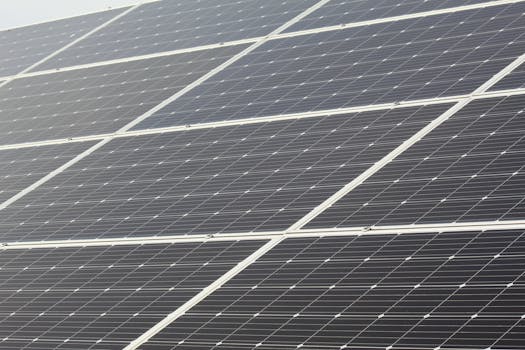 Photo: Dimitri C / Pexels
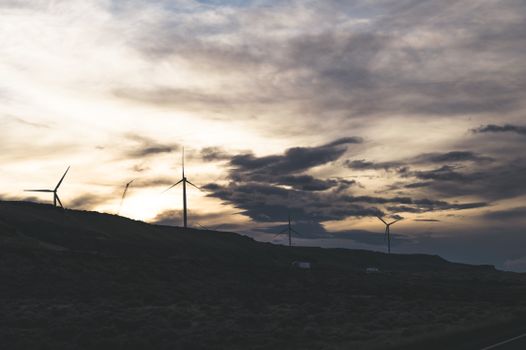 Photo: Brett Sayles / Pexels
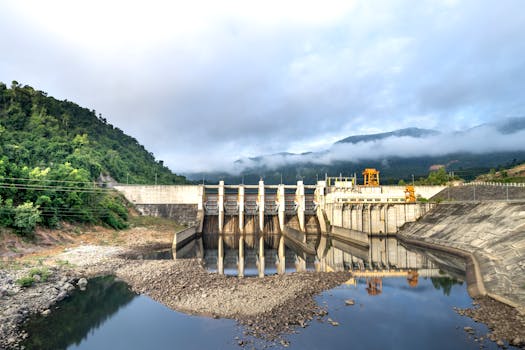 Photo: Quang Nguyen Vinh / Pexels
 Photo: Budget Bizar / Pexels