
How Does Solar Power Work? Your Complete Energy Guide
Dive deep into the mechanics of solar energy, from sunlight to your wall socket, and understand its profound impact.
Explore Solar NowKey Takeaways
- ✓ Solar panels convert sunlight into electricity using the photovoltaic effect.
- ✓ The average US home can significantly reduce or eliminate its electricity bill with solar.
- ✓ Solar energy is a clean, renewable resource, reducing carbon emissions.
- ✓ Grid-tied solar systems can send excess electricity back to the utility grid for credits.
How It Works
Photovoltaic (PV) panels, typically made of silicon, are exposed to sunlight. Each panel contains multiple solar cells designed to capture photons.
When photons strike the silicon cells, they knock electrons loose, creating an electric current. This current is direct current (DC).
The DC electricity flows to an inverter, which converts it into alternating current (AC). AC is the standard electricity used in homes and businesses.
The AC electricity then powers your home's appliances. Any excess electricity not immediately used is sent to the utility grid or stored in batteries.
The Fundamental Science: Unpacking the Photovoltaic Effect
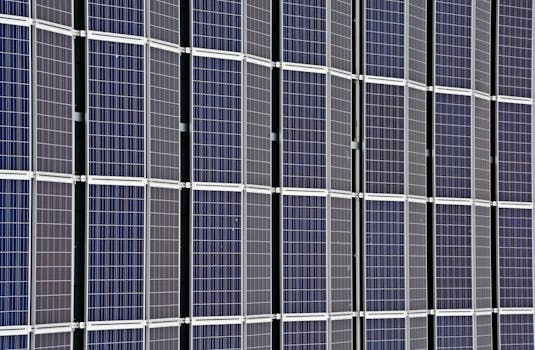 Photo: Pixabay / Pexels
A typical solar cell is composed of two layers of silicon, each treated with different impurities to create an electric field. One layer is 'n-type' silicon, doped with phosphorus to have extra electrons, giving it a negative charge. The other is 'p-type' silicon, doped with boron to have 'holes' (missing electrons), giving it a positive charge. When these two layers are placed together, a junction forms, creating an electric field. When a photon hits an electron in the silicon, it gives that electron enough energy to break free from its atomic bond. The electric field at the junction then acts like a tiny conveyor belt, pushing the freed electrons to the n-type side and the 'holes' to the p-type side. This separation of charges creates a voltage difference. If an external circuit is connected to the two sides of the cell, the electrons will flow from the n-type side, through the circuit, and back to the p-type side to fill the holes, creating a continuous electric current. This current is direct current (DC) electricity. The more photons that hit the panel, and the more efficiently the panel converts these photons, the more electricity is generated. Understanding this foundational process is crucial to appreciating the elegance and efficiency of solar technology. It's a direct conversion of light energy into electrical energy, with no moving parts involved in the primary generation, which contributes to the longevity and low maintenance of solar systems. This direct conversion also makes solar power incredibly efficient in its fundamental energy transfer, paving the way for a cleaner, more sustainable future. For more details on the broader impact of this technology, explore the benefits of renewable energy.
From DC to AC: The Role of the Inverter and Grid Connection
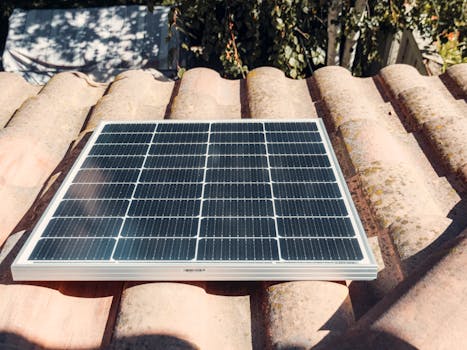 Photo: Kindel Media / Pexels
The inverter is the brain of your solar system, responsible for taking the DC electricity from the panels and transforming it into usable AC electricity. There are several types of inverters, each with its own advantages. String inverters are common for many residential systems, where multiple panels are wired together in a 'string' that feeds into one central inverter. Microinverters, on the other hand, are installed on each individual solar panel, converting DC to AC at the panel level. This offers benefits like optimized performance for each panel and easier troubleshooting. Power optimizers are a hybrid solution, often paired with a string inverter, to optimize output at the panel level before sending DC to a central inverter.
After the inversion process, the AC electricity is ready to power your home. It flows through your home's electrical panel, directly supplying power to your lights, appliances, and electronic devices. If your solar panels are generating more electricity than your home is currently consuming, that excess electricity doesn't go to waste. In a grid-tied system, which is the most common type for residential installations, this surplus electricity is sent back to the utility grid. Your electricity meter, often a smart meter, will measure the amount of electricity you send back to the grid. This process, known as net metering, allows you to receive credits on your electricity bill for the power you contribute. Essentially, the grid acts as a large battery, storing your excess energy for you to use later, or compensating you for it. This seamless integration with the existing electrical infrastructure makes solar power a highly practical and financially attractive option for many homeowners, demonstrating a sophisticated interplay between your personal energy generation and the broader public utility system. This clever system maximizes the value of every ray of sunshine your panels capture.
Components of a Complete Solar System Beyond the Panels
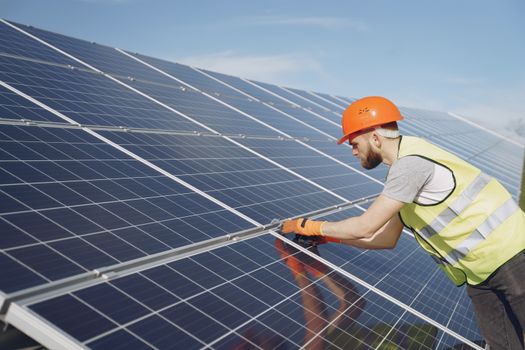 Photo: Gustavo Fring / Pexels
Mounting hardware is essential for securing the solar panels safely and optimally. This typically includes rails, clamps, and brackets that attach the panels to your roof or a ground-mounted structure. The design of the mounting system is critical for ensuring the panels are angled correctly to maximize sunlight exposure throughout the day and year, while also withstanding local weather conditions like high winds and snow loads. Properly installed mounting hardware ensures the longevity and efficiency of your entire solar array. The electrical panel, or breaker box, in your home plays a vital role. This is where the AC electricity from your inverter is routed. It distributes power throughout your home and serves as the connection point to the utility grid. Dedicated breakers are installed for the solar system, ensuring safety and allowing for system isolation if needed.
Monitoring systems are increasingly standard in modern solar installations. These systems allow homeowners to track their solar energy production in real-time, often through a mobile app or online portal. You can see how much electricity your panels are generating, how much your home is consuming, and how much is being sent back to the grid. This data is invaluable for understanding system performance, identifying potential issues, and optimizing energy usage. Finally, battery storage systems are becoming a popular addition, though not strictly necessary for every installation. Batteries allow you to store excess solar electricity generated during the day for use at night or during power outages. This offers greater energy independence and resilience, especially in regions prone to grid instability. When considering an investment in solar, understanding these interconnected parts helps to appreciate the comprehensive engineering behind a reliable and efficient solar power solution. For more insights into energy systems, consider exploring different energy sources.
Maximizing Your Solar Investment: Efficiency, Maintenance, and Common Mistakes
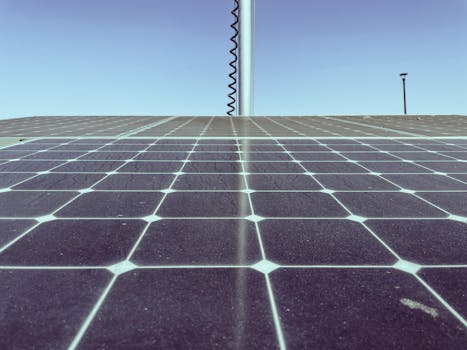 Photo: Kindel Media / Pexels
Regular maintenance for solar panels is surprisingly minimal, but important. The most common maintenance task is simply keeping the panels clean. Dust, dirt, leaves, and bird droppings can accumulate on the surface, blocking sunlight and reducing efficiency. While rain often helps to wash panels clean, occasional manual cleaning with water and a soft brush can be beneficial, especially in dry or dusty climates. It's also wise to periodically inspect the panels and wiring for any visible damage or loose connections. Most reputable solar installers offer warranties that cover performance and equipment, and many provide optional maintenance plans.
Common mistakes to avoid when going solar include:
- Ignoring your energy consumption: Before installing solar, conduct an energy audit to understand where your electricity goes. Reducing consumption first means you might need fewer panels, saving money.
- Not checking roof condition: Ensure your roof is in good condition and has at least 10-15 years of life left. Replacing a roof after solar installation is more complex and costly.
- Underestimating shading: Even partial shading from trees or nearby buildings can significantly reduce the output of an entire string of panels if not mitigated by microinverters or optimizers.
- Choosing the wrong installer: Research and select a reputable, experienced local installer with good reviews and proper certifications.
- Overlooking incentives: Federal, state, and local incentives (like the federal solar tax credit, net metering, and SRECs) can drastically reduce the upfront cost and improve ROI. Don't leave money on the table!
- Not understanding your utility's policies: Familiarize yourself with your local utility's net metering, interconnection, and billing policies.
Comparison
| Feature | Grid-Tied Solar | Off-Grid Solar | Hybrid Solar |
|---|---|---|---|
| Connection to Utility | Yes | No | Yes |
| Battery Storage | Optional | Required | Required |
| Net Metering Benefits | ✓ | ✗ | ✓ (if connected) |
| Power Outage Backup | ✗ (without battery) | ✓ | ✓ |
| Complexity | Moderate | High | High |
What Readers Say
"Understanding how does solar power work really helped me appreciate my system. My electric bills have dropped by over 80% since installation, and it's great knowing I'm using clean energy. The process was explained clearly, and the results speak for themselves."
Sarah J. · Austin, TX"I was initially intimidated by the technology, but this article broke down how does solar power work in an easy-to-understand way. Our new panels are consistently producing more power than we use, and the federal tax credit made it surprisingly affordable. Highly recommend the switch!"
Mark D. · Denver, CO"After reading up on how does solar power work, I decided to install panels. My initial bill was $250, and now it's consistently under $30, often even showing a credit. It's truly transformed our home's energy consumption and saved us thousands."
Emily R. · San Diego, CA"The explanation of how does solar power work was very thorough. While the upfront cost was a consideration, the long-term savings and environmental benefits are compelling. I'm happy with my system, though I wish battery storage was more affordable."
David L. · Boston, MA"Living off-grid, truly understanding how does solar power work is essential. This guide helped me fine-tune my system and optimize my battery usage. My cabin runs entirely on solar, and it's reliable even in harsh winters."
Jessica M. · rural MontanaFrequently Asked Questions
What is the main principle behind how does solar power work?
The main principle is the photovoltaic effect. Solar cells, typically made of silicon, absorb photons from sunlight, which then knock electrons loose. These freed electrons create an electric current, which is then captured and converted into usable electricity.
Is solar power reliable, especially when the sun isn't shining?
Yes, solar power systems are designed for reliability. While panels only generate electricity when the sun is out, grid-tied systems draw power from the utility grid at night or on cloudy days. With battery storage, you can store excess solar power for use during these times, ensuring continuous electricity supply.
How do I know if my home is suitable for solar panels?
To determine suitability, consider your roof's age, size, and orientation (south-facing is ideal in the Northern Hemisphere). Also, assess any potential shading from trees or nearby structures. A professional solar installer can provide a detailed site assessment and energy production estimate.
How much does it cost to install a solar power system?
The cost of a solar system varies widely based on system size, panel efficiency, location, and installation complexity. However, significant federal tax credits (like the Investment Tax Credit) and various state/local incentives can substantially reduce the net cost, making solar increasingly affordable over its long lifespan.
How does solar power compare to traditional fossil fuel electricity?
Solar power is a clean, renewable energy source that produces no greenhouse gas emissions during operation, unlike fossil fuels. While fossil fuels have a constant supply, solar power harnesses an inexhaustible resource (the sun), reducing dependence on finite and price-volatile fossil fuels. It offers long-term energy independence and environmental benefits.
Who should consider installing solar power?
Anyone looking to reduce their electricity bills, decrease their carbon footprint, increase their home's value, or gain energy independence should consider solar power. It's particularly beneficial for homeowners in sunny regions with high electricity rates and suitable roof space.
Are there any safety concerns with solar power systems?
Modern solar power systems are very safe when installed by certified professionals according to electrical codes. They include safety features like rapid shutdown capabilities. The primary risks, such as electrical shock or roof damage, are mitigated through proper installation and adherence to safety standards.
What are the future trends in solar power technology?
Future trends include even more efficient and aesthetically pleasing panels (e.g., solar shingles), advancements in battery storage technology (lower costs, higher capacity), integration with smart home energy management systems, and the development of perovksite solar cells with potentially higher efficiencies and lower manufacturing costs.
Now that you understand how does solar power work, take the next step towards energy independence. Explore solar solutions for your home and join the millions benefiting from clean, sustainable energy.