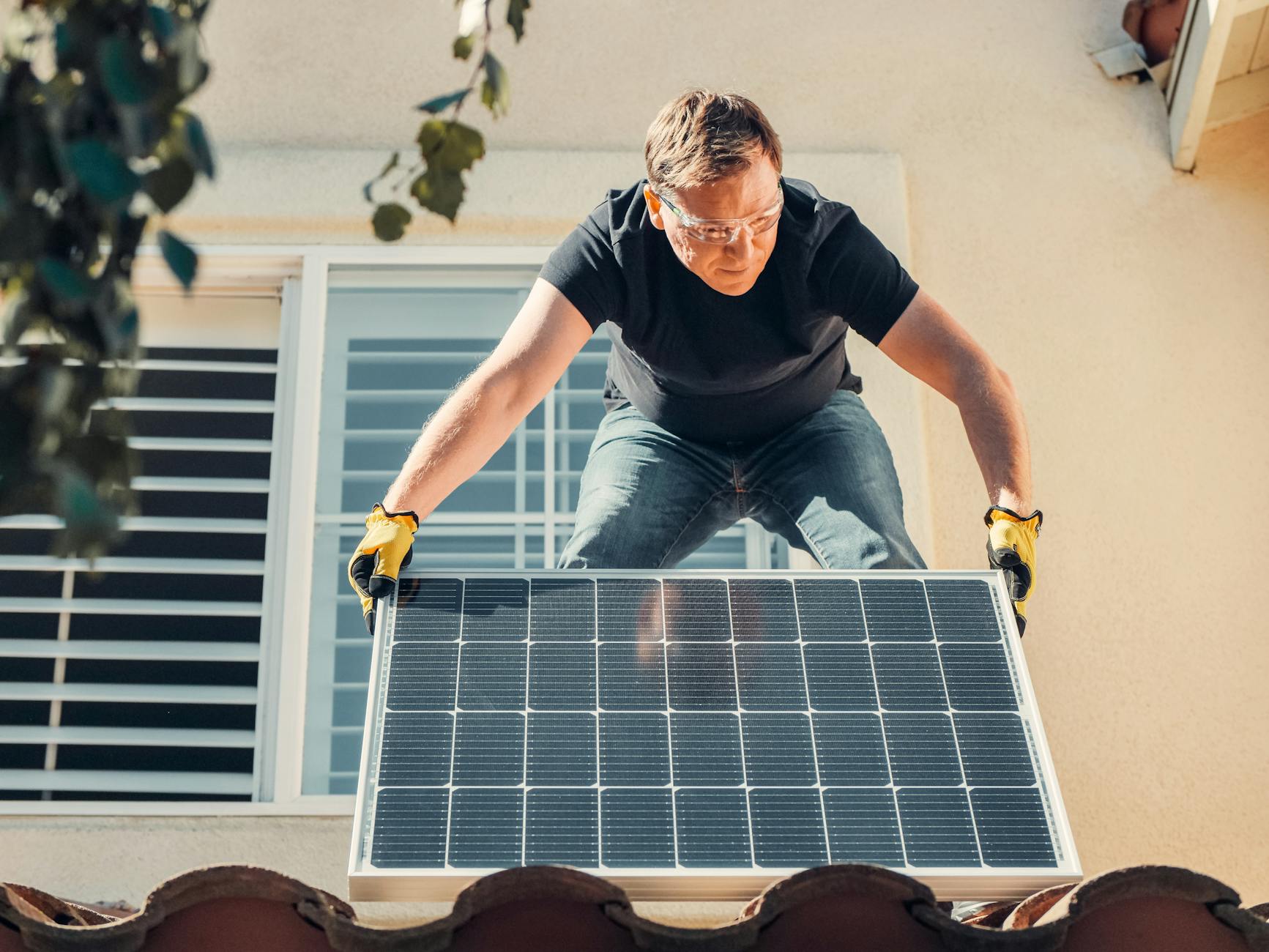
Affordable Green Energy Solutions for Your Home & Wallet
affordable green energy solutions

Affordable Green Energy Solutions for Your Home & Wallet

Unlock significant savings and a greener lifestyle with accessible renewable energy options designed for US homeowners.

Explore Your Options

Key Takeaways

  • ✓ Residential solar costs have dropped over 70% in the last decade.
  • ✓ Energy efficiency improvements can save US households hundreds annually.
  • ✓ Federal tax credits can cover up to 30% of renewable energy system costs.
  • ✓ Community solar programs offer green energy without rooftop installations.

How It Works

1
Assess Your Current Usage

Understand your electricity bills and identify peak consumption times. This forms the baseline for calculating potential savings and system sizing.

2
Prioritize Efficiency Upgrades

Before generating your own power, reduce demand. Sealing air leaks, upgrading insulation, and replacing old appliances minimize the energy needed.

3
Explore Renewable Options

Research solar, wind, geothermal, or community solar based on your location and budget. Compare upfront costs, long-term savings, and environmental impact.

4
Leverage Incentives & Financing

Take advantage of federal, state, and local incentives like tax credits, rebates, and low-interest loans. These significantly reduce the net cost of green energy systems.

Unlocking Solar Power: More Accessible Than Ever
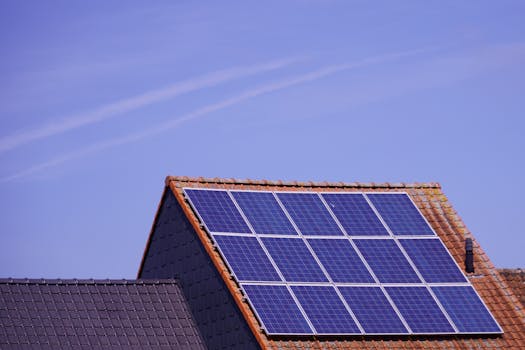
Close-up of solar panels on a tiled rooftop under a clear sky, showcasing renewable energy. Photo: Budget Bizar / Pexels
The dream of harnessing the sun's energy for your home is no longer a luxury reserved for the affluent; it's an increasingly affordable reality for millions of Americans. The cost of residential solar panel installation has plummeted dramatically over the past decade, making it one of the most compelling affordable green energy solutions available today. This decline is largely due to advancements in technology, economies of scale in manufacturing, and robust government incentives. For instance, the federal Investment Tax Credit (ITC) allows homeowners to deduct a significant percentage of the cost of installing a solar energy system from their federal taxes. This credit, combined with various state and local rebates, property tax exemptions, and performance-based incentives (like Solar Renewable Energy Credits or SRECs in some states), can reduce the net cost of a solar installation by a substantial margin. Beyond direct ownership, several innovative models have emerged to make solar power even more accessible. Solar leases and Power Purchase Agreements (PPAs) allow homeowners to install solar panels with little to no upfront cost. Under a lease, you pay a fixed monthly rate for the solar equipment, while with a PPA, you pay for the electricity generated by the panels at a reduced rate compared to your utility company. These options transfer the burden of maintenance and performance to the solar provider, making green energy adoption simple and worry-free. Furthermore, community solar programs are gaining traction, enabling renters and homeowners with unsuitable rooftops to subscribe to a share of a local solar farm. Participants receive credits on their electricity bills for the power generated by their share, effectively democratizing access to solar energy. This approach is particularly beneficial in urban areas or for properties with significant shading. Understanding the myriad financing and ownership options is crucial to finding the most affordable path to solar for your specific situation. Many companies offer free consultations to assess your home's solar potential and provide detailed cost-benefit analyses, factoring in all available incentives. Exploring these options can illuminate a clear path to significant long-term savings and a reduced carbon footprint, proving that going green doesn't have to break the bank. For more general information on how energy systems work, consider reading about home energy systems.

Maximizing Savings Through Home Energy Efficiency
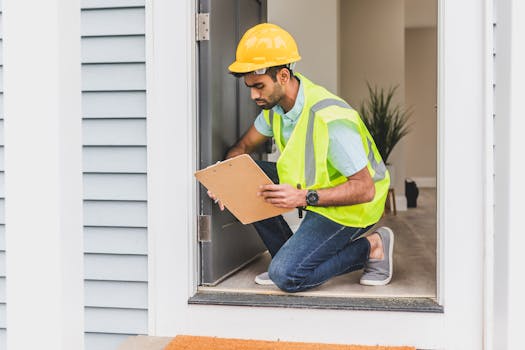
A home inspector wearing safety gear examines a house interior for safety compliance. Photo: RDNE Stock project / Pexels
Before investing in any new energy generation system, the single most cost-effective step homeowners can take is to improve their home's energy efficiency. This isn't just about being green; it's about smart financial management. Reducing your energy consumption directly translates to lower utility bills, making other green energy solutions more affordable in the long run because you'll need a smaller system to meet your reduced demand. Simple upgrades can yield significant results. Sealing air leaks around windows, doors, and utility penetrations with caulk and weatherstripping is an inexpensive fix that can prevent a substantial amount of conditioned air from escaping, thus reducing the workload on your HVAC system. Upgrading insulation in attics, walls, and crawl spaces provides a barrier against heat transfer, keeping your home warmer in winter and cooler in summer. The Department of Energy estimates that homeowners can save an average of 15% on heating and cooling costs by air sealing their homes and adding insulation. Beyond insulation and air sealing, consider upgrading to energy-efficient appliances. While the upfront cost may be higher, ENERGY STAR certified appliances use significantly less electricity, water, or gas over their lifetime, leading to considerable savings. For example, a new ENERGY STAR refrigerator can save you over $200 in energy costs over its lifespan compared to an older model. Smart thermostats, like Nest or Ecobee, learn your habits and adjust temperatures automatically, optimizing heating and cooling schedules and preventing energy waste. Replacing old incandescent bulbs with LED lighting is another quick win, as LEDs use up to 90% less energy and last much longer. Furthermore, conducting a professional home energy audit can pinpoint specific areas of inefficiency in your home. Auditors use specialized equipment, like thermal cameras, to identify hidden drafts and inadequate insulation. They then provide a prioritized list of recommendations, often with estimated cost savings. Many utility companies offer free or low-cost energy audits and rebates for efficiency upgrades, making these improvements even more affordable and accessible for US households. These foundational steps are crucial for any homeowner looking to truly embrace affordable green energy solutions.

Beyond Solar: Diverse & Affordable Renewable Options

A stunning view of geothermal hot springs in Iceland's rugged landscape. Photo: Raul Ling / Pexels
While solar power often dominates the conversation around affordable green energy solutions, a variety of other renewable technologies are becoming increasingly viable and accessible for US homeowners. Exploring these options can provide tailored solutions depending on your geographic location, property characteristics, and specific energy needs. For homes with sufficient land, small-scale wind turbines can be a powerful addition, particularly in regions with consistent wind resources. While often perceived as complex and expensive, advancements in design have led to more compact and efficient residential wind turbines that can significantly offset electricity consumption. Federal and state incentives similar to those for solar are often available for wind installations, further improving their economic feasibility. Geothermal heating and cooling systems represent another highly efficient and environmentally friendly option. These systems utilize the stable temperature of the earth a few feet below the surface to provide heating in winter and cooling in summer, drastically reducing the energy consumption associated with HVAC. While the upfront installation cost for geothermal can be higher than traditional systems, the long-term operational savings are substantial, and the systems have an exceptionally long lifespan. Federal tax credits, such as the Geothermal Heat Pump tax credit, can cover a significant portion of these costs, making them a more affordable investment over time. For homes not suitable for on-site generation, subscribing to a green energy plan from your utility provider is a simple and immediate way to support renewable energy. Many utility companies now offer options where you can pay a small premium to ensure that a percentage, or even 100%, of your electricity comes from renewable sources like wind or solar farms within their grid. This allows you to contribute to a greener grid without any physical installation on your property. Exploring these diverse renewable options, alongside energy efficiency measures, empowers homeowners to create a comprehensive and truly affordable green energy strategy. For a broader understanding of different energy types, you might find information on various energy sources helpful.

Common Mistakes & Smart Tips for Going Green Affordably
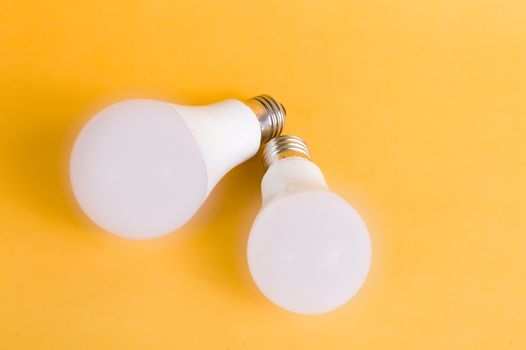
Two LED light bulbs on a bright yellow background, emphasizing modern energy-efficient lighting. Photo: Riki Risnandar / Pexels
Navigating the landscape of affordable green energy solutions can feel overwhelming, and it's easy to make missteps that can diminish your savings or impact the effectiveness of your chosen solutions. Being aware of common pitfalls and employing smart strategies can ensure a smoother and more financially rewarding transition to sustainable living. **Common Mistakes to Avoid:** * **Ignoring Energy Efficiency First:** Jumping straight to solar panels without first optimizing your home's energy usage means you'll likely overspend on a larger system than necessary. Always prioritize insulation, air sealing, and efficient appliances. * **Not Researching All Incentives:** Federal, state, local, and even utility company incentives are constantly changing. Failing to research and apply for all available tax credits, rebates, and grants can leave significant money on the table. * **Choosing the Cheapest Option Without Due Diligence:** The lowest upfront cost doesn't always mean the best long-term value. Consider equipment quality, warranty, installer reputation, and system performance guarantees. * **Overlooking Maintenance:** While many green energy systems require minimal maintenance, ignoring manufacturer recommendations can lead to reduced efficiency and a shorter lifespan, eroding your investment. * **Not Understanding Your Electricity Bill:** Many homeowners don't fully grasp their electricity rate structure, including peak demand charges or time-of-use rates. This understanding is crucial for calculating true savings from green energy. **Smart Tips for Affordable Green Energy:** * **Start Small:** If a full solar installation is out of reach, begin with smaller, impactful projects like LED lighting, smart thermostats, or a home energy audit. Each step contributes to savings. * **Bundle Upgrades:** Some contractors offer discounts when installing multiple energy efficiency or renewable energy components simultaneously. * **Consider DIY for Simple Upgrades:** Projects like weatherstripping, caulking, and installing smart thermostats can often be done by homeowners, saving on labor costs. * **Monitor Your Usage:** Use smart home devices or utility apps to track your energy consumption. Understanding where and when you use energy empowers you to make smarter choices. * **Get Multiple Quotes:** For larger installations like solar or geothermal, always obtain at least three quotes from reputable, certified installers to compare pricing, equipment, and warranties fairly. * **Explore PACE Financing:** Property Assessed Clean Energy (PACE) programs, available in some areas, allow homeowners to finance energy efficiency and renewable energy upgrades through an assessment on their property tax bill, often with favorable terms and no upfront payment. By avoiding these common mistakes and implementing these smart tips, homeowners can confidently pursue affordable green energy solutions that genuinely benefit both their wallets and the planet.

Comparison

FeatureResidential SolarCommunity SolarGeothermal HVACEnergy Efficiency Upgrades
Upfront CostMedium-HighLow-NoneHighLow-Medium
Carbon Footprint ReductionHighHighHighMedium-High
Utility Bill SavingsHighMedium-HighHighMedium-High
Installation RequiredYes (Rooftop/Ground)No (Subscription)Yes (Ground Loop)Yes (Home-based)
Federal Tax Credit Eligibility✗ (Indirect)✗ (Often Local Rebates)
Maintenance LevelLowNoneLowLow

What Readers Say

"Installing solar panels was far more affordable than I expected, especially with the tax credits. My electricity bill has dropped by over 80% every month, and I feel great about my reduced environmental impact. It's truly a game-changer for our family."

Sarah J. · Austin, TX

"We opted for a community solar subscription because our roof isn't suitable. It was incredibly easy to sign up, and we're seeing noticeable savings on our monthly bill, all while supporting local green energy. Highly recommend for renters or shaded homes."

Mark D. · Portland, OR

"After upgrading our insulation and switching to LED lights, our winter heating bills were nearly cut in half! These affordable green energy solutions made a huge difference without requiring a massive investment. The comfort level inside our home also significantly improved."

Emily R. · Denver, CO

"The initial cost for our geothermal system was high, even with incentives. However, the consistent heating and cooling, plus the incredibly low operational costs, are already proving its worth. It's a long-term investment that definitely pays off."

David L. · Atlanta, GA

"We participated in a local energy audit program, and the recommendations were so practical. Simple things like sealing drafts and programming our thermostat made a big impact on our energy consumption and saved us money immediately. These small, affordable green energy solutions really add up."

Jessica M. · Boston, MA

Frequently Asked Questions

What is the most affordable green energy solution for a typical US home?

For most US homes, the most immediate and affordable step is to invest in energy efficiency upgrades, such as improved insulation, air sealing, and LED lighting. These measures reduce overall energy consumption, which directly lowers your bills and makes any future renewable energy system more cost-effective as it can be smaller in size.

Are green energy solutions really affordable, or are they only for wealthy homeowners?

Green energy solutions are increasingly affordable for a wide range of homeowners, not just the wealthy. Significant cost reductions in technology, coupled with generous federal tax credits (like the 30% solar ITC), state rebates, and innovative financing options (leases, PPAs, community solar), have made sustainable living financially accessible for many.

How can I start implementing affordable green energy in my home?

Begin by conducting a home energy audit (often free or low-cost from utilities) to identify inefficiencies. Then, prioritize simple upgrades like LED lighting, smart thermostats, and air sealing. After that, explore solar options like community solar or consider a leased/PPA solar system to minimize upfront costs.

How much money can I really save by switching to green energy?

Savings vary widely based on your current energy consumption, local electricity rates, the specific solutions implemented, and available incentives. However, homeowners can often save hundreds to thousands of dollars annually on utility bills, with some solar users reducing their electricity bills to near zero after installation.

How do solar leases and Power Purchase Agreements (PPAs) compare to buying solar panels outright?

Solar leases and PPAs offer little to no upfront cost, making them very affordable. You pay a fixed monthly fee (lease) or a per-kWh rate (PPA) for the electricity. Buying outright, while having a higher initial cost, offers maximum long-term savings, eligibility for all incentives, and increases your home's value.

Who should consider community solar as an affordable green energy solution?

Community solar is ideal for renters, homeowners with shaded roofs, those with small properties, or anyone who wants to support green energy without installing panels on their own home. It allows you to subscribe to a share of a local solar farm and receive credits on your utility bill.

Are there any risks associated with installing green energy systems like solar or geothermal?

When installed by certified professionals, green energy systems like solar and geothermal are very safe. Risks are generally low and primarily involve improper installation or rare equipment malfunctions. Reputable installers provide warranties and ensure adherence to local building codes and safety standards.

What future trends will make green energy even more affordable?

Future trends include continued technological advancements driving down manufacturing costs, improved battery storage solutions becoming more economical for residential use, and further government policies and incentives promoting renewable energy adoption. Grid modernization and smart home integration will also enhance efficiency and affordability.

Embracing affordable green energy solutions is a powerful step towards a sustainable future and significant savings. Don't wait to transform your home into an energy-efficient haven; start exploring your options today to discover the perfect green energy fit for your budget and lifestyle.

Topics: affordable green energy solutionsrenewable energy for homecost-effective solar panelsenergy efficiency upgradessustainable living US
Leo List
Brampton weed
Adultwork EstrelaBet Vai de Bet R7 Bet Betão Galera Bet Rainbet Bet9ja Shop SportyBet BetKing Sisal Loto Foot Hollywoodbets YesPlay Odibets RushBet Jugabet BetWarrior BetCity MSport betPawa Fortebet