Geothermal Energy Pros Cons: Your Guide to Sustainable Power
geothermal energy pros cons

Geothermal Energy Pros Cons: Your Guide to Sustainable Power

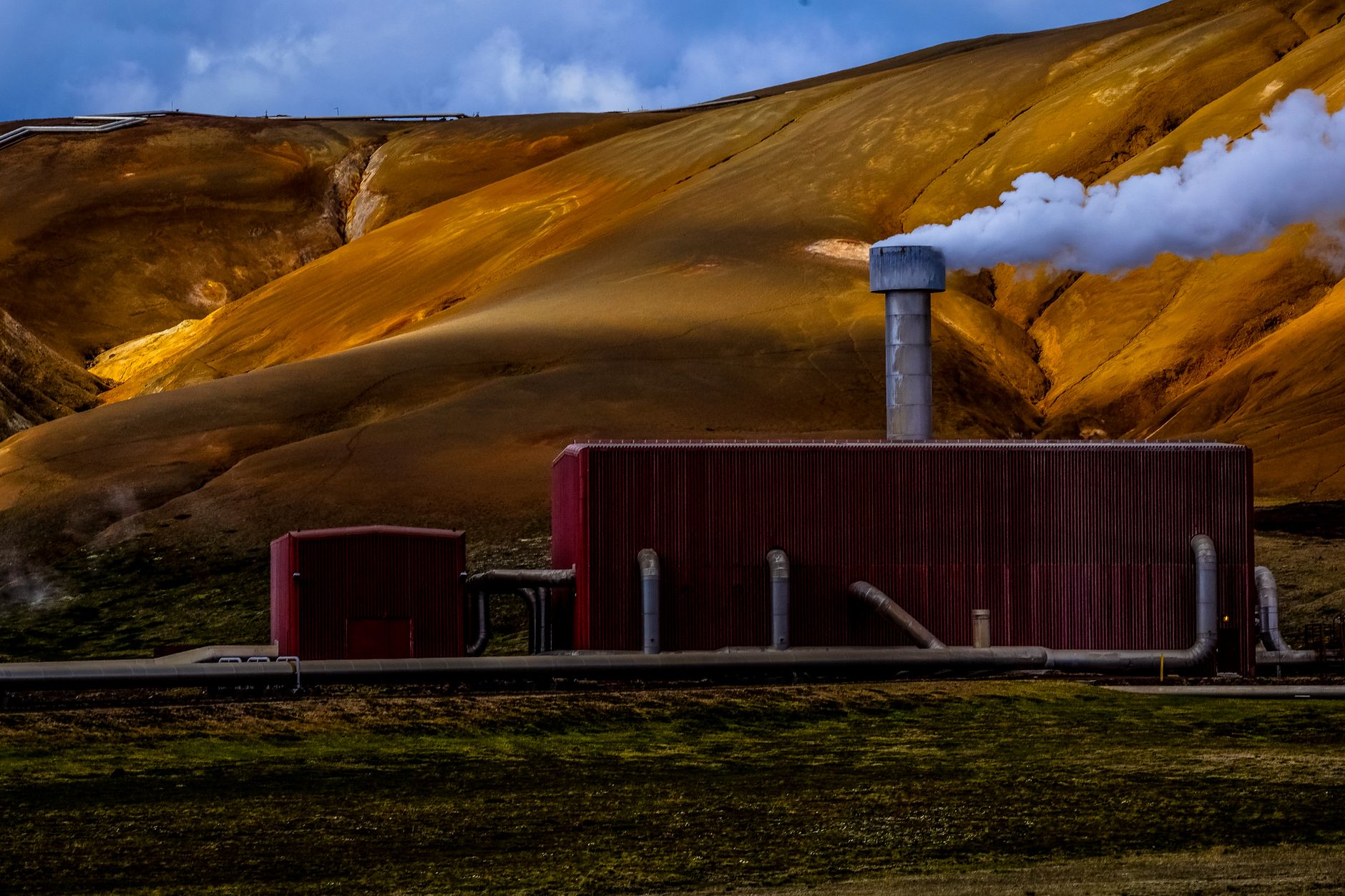
Red geothermal power plant emitting steam against a dramatic yellow-brown mountainous backdrop.Photo: Francesco Ungaro / Pexels

Geothermal Energy Pros Cons: Your Guide to Sustainable Power

Uncover the full picture of geothermal energy to make informed decisions for a greener future.

Discover Geothermal Now

Key Takeaways

  • ✓ Geothermal energy taps into Earth's internal heat.
  • ✓ It provides consistent, baseload power, unlike solar or wind.
  • ✓ Geothermal systems can reduce heating/cooling costs by 25-70%.
  • ✓ Initial installation costs are higher but pay back over time.
  • ✓ The U.S. is a global leader in geothermal power generation.

How It Works

1
Harnessing Earth's Heat

Geothermal power plants drill deep wells into the Earth to access reservoirs of hot water and steam. This heat is a continuous resource generated by the planet's core.

2
Converting Heat to Electricity

The extracted hot fluid or steam is used to spin turbines. These turbines are connected to generators, which then produce electricity that is fed into the power grid.

3
Residential Heating/Cooling

For homes, ground-source heat pumps (GSHPs) use underground loops to exchange heat with the stable earth temperature. This system transfers heat into the home during winter and extracts it during summer.

4
Closed-Loop System

After use, the cooled water is injected back into the Earth, ensuring a sustainable and environmentally friendly cycle. This maintains the reservoir and minimizes waste.

The Unquestionable Advantages of Geothermal Energy Systems

Red geothermal power plant emitting steam against a dramatic yellow-brown mountainous backdrop.Photo: Francesco Ungaro / Pexels
Geothermal energy represents a profound leap forward in our quest for sustainable power. Its primary appeal lies in its inherent reliability and minimal environmental footprint, making it a compelling alternative to traditional fossil fuels. Unlike intermittent sources such as solar or wind, geothermal power plants operate 24/7, providing a stable, baseload electricity supply that is crucial for grid stability. This consistent output means no reliance on weather conditions, ensuring a continuous flow of energy regardless of day or night, or seasonal changes. This reliability is a major 'pro' when considering overall energy security and planning. From an environmental perspective, the benefits are substantial. Geothermal power plants produce significantly lower greenhouse gas emissions compared to coal or natural gas plants. While there might be some minor emissions during drilling or from non-condensable gases, they are orders of magnitude less impactful. Furthermore, geothermal systems require a relatively small land footprint per megawatt of electricity generated, especially when compared to large-scale solar farms or wind turbine installations, preserving valuable ecosystems. The fuel source – the Earth's heat – is virtually inexhaustible, ensuring a truly renewable energy supply for generations to come. This sustainability is a cornerstone of modern energy policy and aligns with global efforts to combat climate change. For homeowners, geothermal heat pumps offer incredible efficiency, reducing heating and cooling costs by an average of 25-70%. This translates into significant long-term savings on utility bills, a direct financial benefit that enhances property value and comfort. The systems are also quiet, operate independently of outdoor air temperatures, and have a long lifespan, often exceeding 20-25 years for indoor components and 50+ years for ground loops. Understanding renewable energy sources is key to appreciating geothermal's role. These systems are not just about reducing carbon footprint; they are about creating a more resilient and cost-effective energy future. The stability of energy prices, insulated from volatile fossil fuel markets, offers long-term predictability for consumers and businesses alike. Moreover, many governments offer incentives and tax credits for geothermal installations, further sweetening the deal for early adopters and making the initial investment more manageable. The consistent performance and environmental stewardship offered by geothermal make it an attractive option for both large-scale power generation and individual property owners seeking energy independence and sustainability.

Addressing the Challenges and Drawbacks of Geothermal Energy

Dramatic silhouette of an oil pump jack against a vibrant sunset sky, emphasizing energy extraction.Photo: Jan Zakelj / Pexels
Despite its many advantages, geothermal energy is not without its challenges, and a balanced view requires a thorough examination of its 'cons.' Perhaps the most significant hurdle for widespread adoption, particularly for large-scale power plants, is the high upfront capital cost. Drilling deep wells, especially for enhanced geothermal systems, is an expensive and complex undertaking. These initial investments can be substantially higher than those for conventional power plants, making financial viability a critical factor. For homeowners considering geothermal heat pumps, the installation cost, including drilling boreholes and installing underground piping, is considerably higher than traditional HVAC systems, even with the promise of long-term savings. This initial cost barrier can deter many potential adopters, despite the attractive return on investment over the system's lifespan. Geographical limitations also play a crucial role. High-temperature geothermal resources suitable for large-scale electricity generation are not uniformly distributed across the globe; they are primarily found in geologically active regions, such as the Western United States or Iceland. While ground-source heat pumps can be installed almost anywhere, the efficiency and economic feasibility of large power plants are highly dependent on the availability of accessible hot rock formations or hydrothermal reservoirs. This regional specificity limits its potential as a global primary energy source without significant technological advancements in enhanced geothermal systems, which are still under development and face their own challenges. Environmental concerns, though significantly less than fossil fuels, do exist. The drilling process can sometimes trigger minor seismic activity, though this is typically small-scale and rarely causes damage. There's also the potential for the release of non-condensable gases, such as hydrogen sulfide, during the extraction process. While modern plants are designed to mitigate these emissions, they are still a consideration. Furthermore, the extensive use of water in some geothermal processes, particularly for flash steam plants or hydraulic fracturing in enhanced geothermal systems, raises questions about water availability and potential contamination of groundwater, especially in arid regions. The long-term sustainability of specific geothermal reservoirs also requires careful management to prevent over-extraction and ensure the resource remains viable for decades. Understanding these potential drawbacks is essential for informed decision-making and for developing strategies to mitigate their impact, ensuring that geothermal development proceeds responsibly and sustainably. The complexity of subsurface geology means that resource assessment can be challenging, leading to exploration risks where drilling efforts might not yield the expected geothermal resource, adding to the financial burden and uncertainty.

Geothermal Heat Pumps: A Homeowner's Perspective on Efficiency and Investment
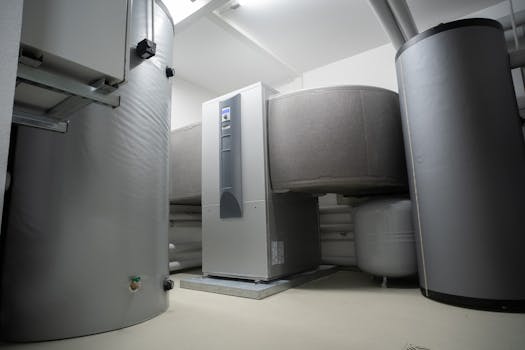
Efficient and innovative heat pump system in an indoor setting for advanced heating solutions.Photo: alpha innotec / Pexels
For individual homeowners, the discussion around geothermal energy often centers on ground-source heat pumps (GSHPs) – a technology that leverages the stable underground temperature to provide highly efficient heating and cooling. The core principle is ingenious: below a certain depth, the Earth's temperature remains relatively constant year-round, typically between 45-75°F (7-24°C) in the U.S. A GSHP system circulates a fluid through a loop of buried pipes, exchanging heat with the ground. In winter, the fluid absorbs heat from the Earth and carries it indoors; in summer, it pulls heat from the indoor air and transfers it to the cooler ground. This process is vastly more efficient than traditional air-source heat pumps, which rely on fluctuating outdoor air temperatures. The 'pros' for homeowners are compelling. Energy efficiency is paramount, with GSHPs often operating at 300-500% efficiency, meaning they deliver 3 to 5 units of heating or cooling for every unit of electricity consumed. This translates directly into substantial savings on utility bills, often reducing heating costs by 50% and cooling costs by 30% compared to conventional systems. The systems are also exceptionally durable and long-lasting; the underground loop system can last 50+ years, while the indoor components typically have a lifespan of 20-25 years, far exceeding conventional HVAC units. They operate quietly, as the main components are indoors, and there's no noisy outdoor unit. Furthermore, GSHPs provide consistent comfort, eliminating hot and cold spots often associated with less efficient systems. The environmental benefits are also a significant draw, as they drastically reduce a home's carbon footprint. However, the 'cons' often revolve around the initial investment. Installing a GSHP system typically costs more than a traditional HVAC system, primarily due to the excavation and drilling required for the ground loop installation. This can range from $20,000 to $45,000 or more, depending on system size, ground conditions, and local labor rates. While federal tax credits and state incentives can help offset these costs, the upfront capital can be a barrier for many. The installation process itself can be disruptive, requiring significant yard work. Moreover, not all properties are suitable for every type of ground loop (e.g., horizontal loops require more land than vertical loops). Finding experienced and certified installers is also crucial, as improper installation can lead to reduced efficiency and costly repairs. Despite these challenges, the long-term financial savings, enhanced home comfort, and environmental stewardship make GSHPs a highly attractive option for homeowners committed to sustainable living. Exploring different types of renewable energy for home use will show GSHPs as a leading contender for efficiency and reliability.

Making Informed Decisions: Tips for Evaluating Geothermal Energy

Red geothermal power plant emitting steam against a dramatic yellow-brown mountainous backdrop.Photo: Francesco Ungaro / Pexels
When considering geothermal energy, whether for a large-scale project or a residential heat pump, a thorough evaluation is essential to maximize its benefits and mitigate potential drawbacks. Here are some critical tips for making an informed decision: * **Assess Site Suitability:** For power plants, geological surveys are paramount to confirm viable geothermal resources. For homeowners, evaluate your property's land availability for ground loops. Vertical loops require less space but are more expensive to drill, while horizontal loops need more land but can be cheaper to install. Soil composition also impacts drilling and heat exchange efficiency. * **Conduct a Detailed Cost-Benefit Analysis:** Beyond the sticker price, calculate the long-term savings on energy bills. Factor in available federal tax credits (e.g., the 30% federal tax credit for residential GSHPs) and any state or local incentives, rebates, or grants. Consider the payback period – how long it takes for the energy savings to offset the initial investment. Don't forget maintenance costs, which are generally lower for geothermal systems due to fewer moving parts and indoor placement of main components. * **Research Installer Expertise:** This is crucial. For residential systems, choose a NATE-certified (North American Technician Excellence) or IGSHPA-accredited (International Ground Source Heat Pump Association) installer. Proper design and installation are key to system efficiency and longevity. Request references and check reviews. For larger projects, partner with experienced engineering firms specializing in geothermal development. * **Understand System Types:** Geothermal heat pumps come in open-loop, closed-loop (horizontal, vertical, pond/lake), and direct exchange varieties. Each has specific advantages and disadvantages depending on your location, water availability, and budget. For power generation, understand flash, dry steam, and binary cycle plants and their suitability for different resource temperatures. * **Consider Financing Options:** Explore energy-efficient mortgages (EEMs) or specialized loans designed for renewable energy installations. These can help spread the upfront cost over a longer period, making the investment more manageable. Many utility companies also offer financing programs or incentives for energy-efficient upgrades. * **Long-Term Resilience:** Geothermal systems offer energy independence and protection against fluctuating fossil fuel prices. This stability is a significant advantage for both residential and commercial users looking for predictable operational costs and a reduced carbon footprint. Ensure your evaluation accounts for this long-term value beyond immediate financial returns. By meticulously evaluating these factors, you can navigate the complexities of geothermal energy and determine if it aligns with your specific needs and sustainability goals, ensuring a wise investment in a clean, reliable energy future.

Comparison

FeatureGeothermalSolar PVNatural Gas Furnace
Energy SourceEarth's Internal HeatSunlightFossil Fuel (Natural Gas)
Reliability/Consistency24/7 Baseload PowerIntermittent (Daylight Dependent)Consistent (Fuel Dependent)
Environmental ImpactVery Low EmissionsLow Emissions (Manufacturing Impact)High Emissions
Efficiency (Heating)300-500%N/A (Electricity Generation)80-98%
Installation Cost (Residential)HighModerate to HighLow to Moderate
Operating CostLowLow (After Payback)Moderate (Volatile Fuel Prices)
Lifespan (Major Components)50+ Years (Ground Loop)25-30 Years (Panels)15-20 Years
Land FootprintSmall (Power Plant), Variable (Residential)Moderate to LargeSmall

What Our Readers Say

5 ★★★★★

"After weighing the geothermal energy pros cons, we installed a GSHP last year. Our utility bills have plummeted, and the house is consistently comfortable. The initial cost was a stretch, but the savings are real."

5 ★★★★★

"As an engineer, I appreciate the reliability of geothermal power plants. It's a fantastic baseload renewable source, crucial for grid stability, and its environmental footprint is minimal compared to coal."

5 ★★★★★

"Our old furnace died, and we decided to invest in geothermal. Our monthly energy bills are now 60% lower, and the system is so quiet! It's a big upfront cost, but the long-term benefits are undeniable."

4 ★★★★☆

"We've been very happy with our geothermal heating and cooling. The installation was a bit messy, and it took longer than expected, but the comfort and energy savings make it worthwhile. Just be prepared for the upfront investment."

5 ★★★★★

"For our commercial building, a geothermal HVAC system was the perfect fit. It drastically cut our operating expenses, and our tenants appreciate the consistent indoor climate. A solid investment for businesses aiming for sustainability."

Frequently Asked Questions

What are the biggest geothermal energy pros cons for homeowners?
For homeowners, the biggest pros are significantly reduced heating and cooling costs (25-70%), quiet operation, long system lifespan (50+ years for ground loops), and a minimal environmental footprint. The main cons are the high upfront installation cost, which can be substantial, and the need for significant excavation or drilling on your property.
Is geothermal energy truly renewable and sustainable?
Yes, geothermal energy is considered highly renewable and sustainable. It taps into the Earth's continuously generated internal heat, which is virtually inexhaustible. While careful management of geothermal reservoirs is necessary to ensure long-term viability, the resource itself regenerates naturally, unlike finite fossil fuels.
How do I find a qualified geothermal installer in my area?
To find a qualified installer, look for certifications from organizations like the International Ground Source Heat Pump Association (IGSHPA) or North American Technician Excellence (NATE). Check local utility company websites for recommended contractors or incentive programs, and always request multiple quotes and references.
How much does a residential geothermal system cost, and what's the payback period?
Residential geothermal system costs typically range from $20,000 to $45,000 or more, depending on system size and ground conditions. The payback period varies widely but is often between 5 to 15 years, especially when factoring in federal tax credits (currently 30% through 2032) and state incentives, which significantly reduce the net cost.
How does geothermal compare to solar power in terms of benefits?
Geothermal offers consistent, 24/7 baseload power, making it highly reliable, whereas solar is intermittent and dependent on daylight. Both have low environmental impacts, but geothermal heat pumps are highly efficient for heating and cooling, a function solar PV doesn't directly provide. Solar often has lower upfront costs for electricity generation, but geothermal typically has a longer lifespan for ground components and lower operating costs for climate control.
Who should consider investing in geothermal energy?
Geothermal energy is ideal for individuals, businesses, or municipalities looking for highly efficient, reliable, and sustainable heating, cooling, or power generation. Homeowners planning to stay in their home for many years, those with high energy bills, or anyone committed to reducing their carbon footprint are excellent candidates, provided they can manage the initial investment.
Are there any safety risks associated with geothermal energy systems?
For residential geothermal heat pumps, safety risks are minimal as the systems are typically closed-loop and contain non-toxic fluids. For large-scale power plants, minor seismic activity can occasionally occur during drilling or fluid injection, though significant events are rare. There's also a low risk of releasing non-condensable gases like hydrogen sulfide, which modern plants are designed to capture.
What is the future outlook for geothermal energy in the US?
The future of geothermal energy in the U.S. is promising. Continued advancements in enhanced geothermal systems (EGS) are expanding viable resource areas, while federal incentives and a strong push for renewable energy are driving increased adoption. The U.S. Department of Energy aims to make geothermal a significant contributor to the nation's energy portfolio, especially as a reliable baseload power source.

Understanding the geothermal energy pros cons empowers you to make smarter choices for your energy future. Whether for your home or business, explore how this reliable, sustainable power source can benefit you and contribute to a greener planet. Take the next step towards energy independence today.

Topics: geothermal energy pros consgeothermal heating and coolingrenewable energy benefitsgeothermal power disadvantagessustainable energy solutions
Leo List
Brampton weed
Adultwork EstrelaBet Vai de Bet R7 Bet Betão Galera Bet Rainbet Bet9ja Shop SportyBet BetKing Sisal Loto Foot Hollywoodbets YesPlay Odibets RushBet Jugabet BetWarrior BetCity MSport betPawa Fortebet