Unpacking Solar Panel Installation Cost: Your US Guide
solar panel installation cost

Unpacking Solar Panel Installation Cost: Your US Guide

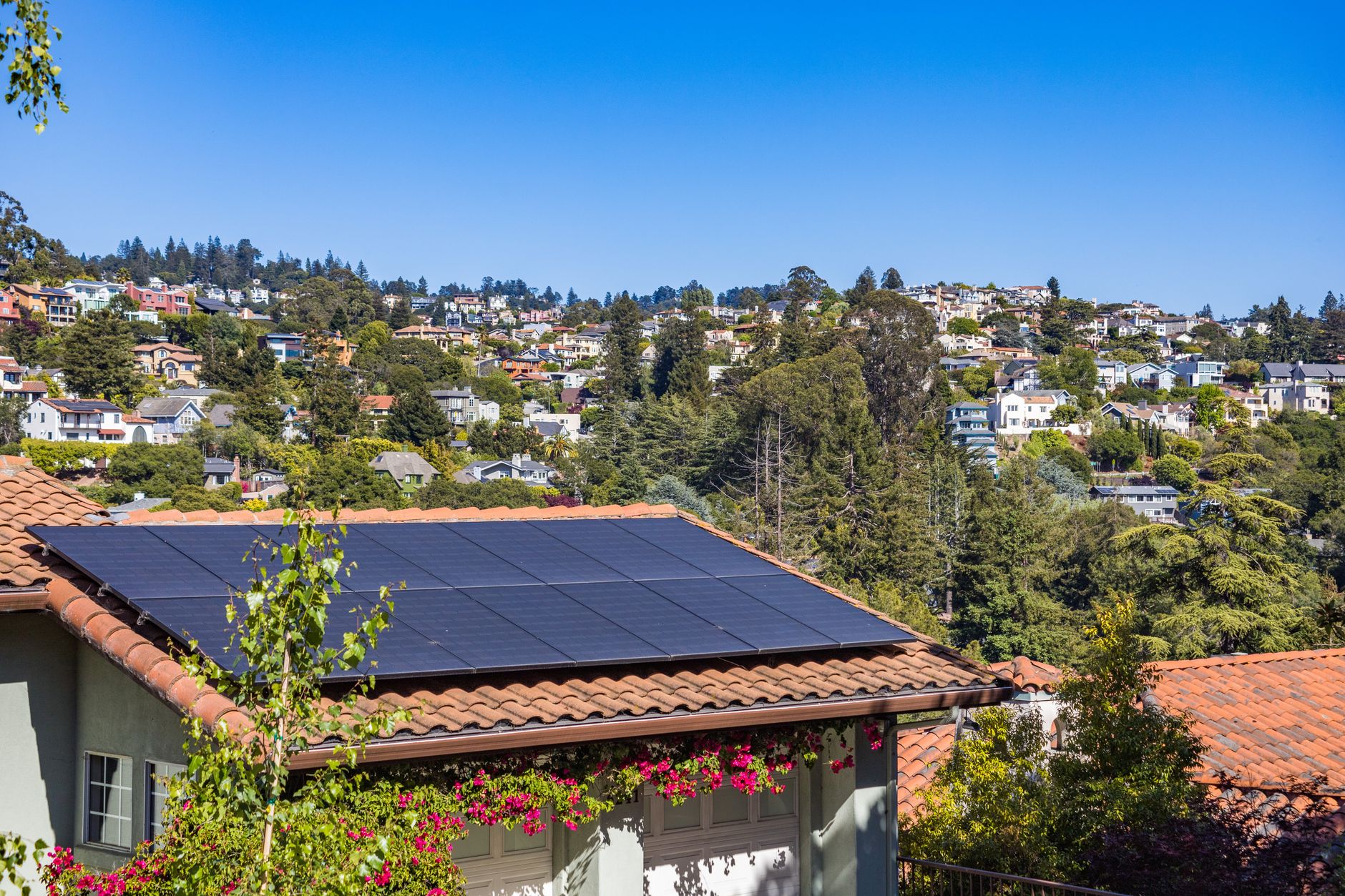
Solar panels on a suburban home, surrounded by lush greenery and a sunny blue sky.Photo: Robert So / Pexels

Unpacking Solar Panel Installation Cost: Your US Guide

Unlock the true value of solar energy for your home with a comprehensive breakdown of costs and benefits.

Get Your Free Solar Quote

Key Takeaways

  • ✓ Average US solar panel installation cost ranges from $15,000 to $25,000 before incentives.
  • ✓ The federal Investment Tax Credit (ITC) covers 30% of your solar system cost.
  • ✓ System size, panel type, and labor rates significantly impact the final price.
  • ✓ Solar panels can increase home value by an average of 4.1%.

How It Works

1
Initial Consultation & Site Assessment

A solar professional evaluates your home's energy needs, roof suitability, and sun exposure. They'll provide a preliminary design and cost estimate based on this assessment.

2
System Design & Proposal

Engineers design a custom solar system tailored to your energy consumption and property. You receive a detailed proposal outlining equipment, costs, savings projections, and financing options.

3
Permitting & Installation

The solar company handles all necessary permits and inspections with local authorities. Once approved, certified technicians install the solar panels, inverters, and electrical components on your roof.

4
System Activation & Monitoring

After final inspections and utility approval, your solar system is activated, connecting to the grid. You begin generating clean energy and can often monitor your system's performance via an app.

Understanding the Average Solar Panel Installation Cost in the US
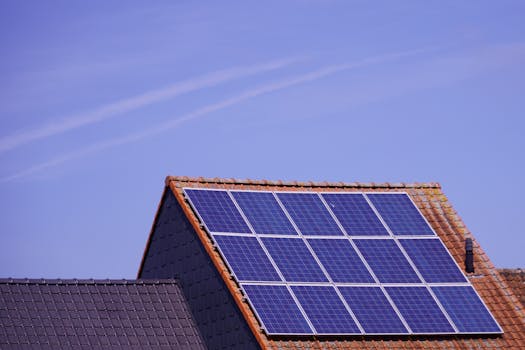
Close-up of solar panels on a tiled rooftop under a clear sky, showcasing renewable energy.Photo: Budget Bizar / Pexels
Embarking on the journey to solar energy for your home is an exciting prospect, promising environmental benefits and significant long-term savings. However, one of the first and most crucial questions homeowners ask is, 'What is the typical solar panel installation cost?' In the United States, the average cost for a residential solar system generally falls within the range of $15,000 to $25,000 before any incentives are applied. This figure represents the 'gross cost' or 'sticker price' for a standard 6 kW to 8 kW system, which is suitable for many average-sized American homes. It's important to understand that this is a broad average, and your specific costs can vary considerably based on a multitude of factors we'll explore in detail. When we talk about solar panel installation cost, we're not just referring to the panels themselves. The total price encompasses a comprehensive package that includes all necessary equipment, labor, permits, and connection services. Key components contributing to this cost are the solar panels (PV modules), inverters (which convert DC power from panels to AC power for your home), mounting hardware, wiring, and a performance monitoring system. The labor costs involve the skilled electricians and installers who design, connect, and physically install the system on your roof or property. Additionally, there are often administrative costs associated with obtaining local permits, inspections, and utility interconnection agreements, all of which are typically managed by your chosen solar installer. To better grasp the cost, it's often discussed in terms of 'cost per watt' ($/W). This metric helps homeowners compare different systems and quotes on an apples-to-apples basis. For residential solar in the US, the average cost per watt typically ranges from $2.50 to $3.50. So, for an average 7 kW (7,000 W) system, the calculation would be 7,000 W x $3.00/W = $21,000. This per-watt pricing includes all the aforementioned components and services. While a lower cost per watt might seem immediately attractive, it's essential to ensure that the quality of equipment, warranty, and installer reputation are not compromised. A slightly higher upfront cost for a more efficient system or a highly reputable installer can lead to greater long-term savings and peace of mind. It's also crucial to distinguish between the gross cost and the net cost. The gross cost is the price you pay before accounting for any financial incentives. The net cost, on the other hand, is the final out-of-pocket expense after federal, state, and local incentives have been applied. These incentives, particularly the federal Investment Tax Credit (ITC), can dramatically reduce your overall solar panel installation cost, making solar power more accessible and affordable. Understanding these various components and how they contribute to the total cost is the first step in making an informed decision about investing in solar energy. For more information on how to make your home more energy-efficient, explore our guide on home energy audits.

Key Factors Influencing Your Specific Solar Panel Costs
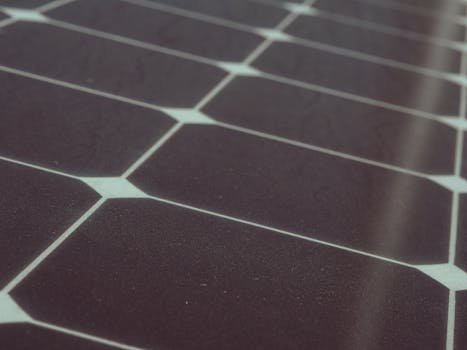
Detailed view of solar panel cells for alternative energy generation and innovation in technology.Photo: Kindel Media / Pexels
While national averages provide a useful benchmark, your actual solar panel installation cost will be shaped by several specific factors unique to your home and location. Understanding these variables is key to getting an accurate estimate and making an informed decision. The size of your solar system is perhaps the most significant determinant. System size is measured in kilowatts (kW) and directly correlates with your household's electricity consumption. A larger home with higher energy needs will require more panels and a larger inverter, naturally leading to a higher total cost. Conversely, a smaller home with lower energy usage will need a smaller, less expensive system. Your solar installer will analyze your past electricity bills to determine the optimal system size to offset your consumption. Another critical factor is the type and quality of solar panels and inverters you choose. There are various brands and technologies available, each with different efficiencies, warranties, and price points. Premium monocrystalline panels, for instance, offer higher efficiency and a sleeker appearance but come at a higher cost than standard polycrystalline panels. Similarly, microinverters, which optimize each panel individually, are typically more expensive than string inverters but can offer better performance in shaded conditions. While opting for higher-quality components might increase the initial solar panel installation cost, they often provide better long-term performance, durability, and a stronger warranty, potentially leading to greater savings over the system's lifetime. Labor costs can vary significantly depending on your geographic location within the US. States with a higher cost of living or a more competitive solar market might see different labor rates. The complexity of the installation also plays a role. A simple roof installation on a single-story home with good sun exposure will generally be less expensive than a complex installation on a multi-story home with multiple roof planes, shading issues, or a need for extensive electrical upgrades. Ground-mounted systems, while offering flexibility in panel orientation, often incur additional costs for trenching and racking infrastructure. Furthermore, your roof's condition and characteristics can impact the price. If your roof needs repairs or an upgrade before solar panels can be installed, those costs will be added to your total project expense. The type of roofing material also matters; some materials, like metal or asphalt shingles, are easier and less expensive to work with than others, such as slate or cedar shakes. Electrical upgrades to your main service panel might also be required to accommodate the new solar system, adding to the overall solar panel installation cost. Finally, the choice of solar installer can influence the price, with larger, well-established companies potentially offering different pricing structures or premium services compared to smaller, local businesses. It's always advisable to obtain multiple quotes to compare pricing and services.

Maximizing Savings: Incentives and Financing for Your Solar Panel Installation Cost
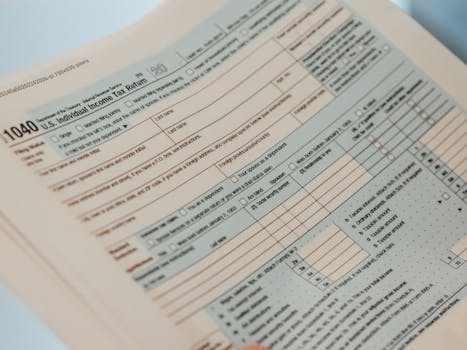
Detailed close-up image of a U.S. 1040 Individual Income Tax Return form, ideal for finance-related content.Photo: Kindel Media / Pexels
The upfront solar panel installation cost can seem substantial, but numerous incentives and flexible financing options are available to significantly reduce your out-of-pocket expenses and make solar energy an incredibly attractive investment. The most impactful incentive is the federal Investment Tax Credit (ITC), often referred to as the solar tax credit. This allows homeowners to claim 30% of the cost of their solar system as a credit against their federal income taxes. This is a direct reduction of your tax liability, not just a deduction, making it incredibly powerful. For example, if your system costs $20,000, the ITC would provide a $6,000 tax credit, effectively reducing your net solar panel installation cost to $14,000. This credit is scheduled to remain at 30% until 2032, making now an excellent time to go solar. It's crucial to consult with a tax professional to understand how this credit applies to your specific financial situation. Beyond the federal ITC, many states and local municipalities offer their own incentives. These can include additional tax credits, property tax exemptions (meaning the added value of solar won't increase your property taxes), sales tax exemptions, and rebates. Some states also have Solar Renewable Energy Credits (SRECs), where you earn credits for the solar electricity your system generates, which can then be sold on a market to utility companies, providing an additional revenue stream. Net metering is another vital policy, allowing you to send excess electricity generated by your panels back to the grid in exchange for credits on your utility bill, further reducing your energy expenses. The availability and specifics of these state and local incentives vary widely, so it's essential to research what's offered in your particular region. A reputable solar installer should be well-versed in local programs and help you navigate the application process. For insights into reducing overall energy consumption, consider resources on energy-efficient home improvements. When it comes to financing your solar panel installation cost, you have several options beyond an outright cash purchase. A solar loan is a popular choice, allowing you to own the system without a large upfront payment. These loans can be secured (against your home) or unsecured, with varying interest rates and terms. The monthly loan payments are often offset, or even exceeded, by the savings on your electricity bill, making solar a cash-flow positive investment from day one. Another option is a Power Purchase Agreement (PPA) or a solar lease. With a PPA, you don't own the system; a third-party company installs, owns, and maintains the panels on your roof. You then purchase the electricity generated at a fixed rate, often lower than your utility's rate. A solar lease is similar, where you pay a fixed monthly fee to lease the equipment. While PPAs and leases typically have no upfront cost, you don't receive the federal tax credit or other ownership-based incentives, and the long-term savings might be less compared to owning the system outright. Each financing option has its pros and cons, and the best choice depends on your financial situation, risk tolerance, and long-term goals. Carefully evaluate each option to determine which one best aligns with your objectives for your solar panel installation cost. Finally, the long-term savings from solar energy are a significant incentive in themselves. By generating your own electricity, you become less reliant on utility companies and are insulated from rising electricity rates. Over the 25-30+ year lifespan of a solar system, the accumulated savings can be tens of thousands of dollars, far outweighing the initial solar panel installation cost. Solar also enhances your home's value, making it a sound financial investment that pays dividends for decades.

Avoiding Common Pitfalls and Maximizing Value for Your Solar Investment

Investing in solar energy is a significant decision, and navigating the options to ensure you get the best value for your solar panel installation cost requires careful consideration. One of the most common pitfalls homeowners encounter is failing to get multiple quotes. Relying on a single proposal can lead to overpaying or missing out on better equipment or service offerings. Always aim to get at least three to five detailed quotes from different reputable solar installers. This allows you to compare not only the bottom-line price but also the quality of components, warranty terms, installation timelines, and customer service. A comprehensive quote should break down all costs, including equipment, labor, permits, and any potential upgrades. Another mistake is focusing solely on the lowest price. While budget is important, the cheapest option isn't always the best. A significantly lower quote might indicate lower-quality panels, less experienced installers, or a lack of comprehensive warranties. It's crucial to evaluate the long-term value: how efficient are the panels? What is the inverter's lifespan? What kind of production guarantee does the installer offer? A slightly higher solar panel installation cost for premium equipment and a solid warranty from a reputable company can lead to greater savings and fewer headaches over the system's 25+ year lifespan. Always check installer reviews, certifications, and their track record with local permitting offices. Here are some essential tips to maximize value and avoid common pitfalls: * **Understand Your Energy Needs:** Before getting quotes, have a clear idea of your annual electricity consumption (e.g., from past utility bills). This helps installers size your system correctly, preventing oversizing (which costs more upfront) or undersizing (which won't meet your energy goals). * **Research All Incentives:** Don't just rely on your installer to tell you about incentives. Proactively research federal, state, and local programs yourself. Websites like DSIRE (Database of State Incentives for Renewables & Efficiency) are excellent resources. * **Read the Fine Print:** Carefully review all contracts, warranties, and financing agreements. Understand what's covered, what's excluded, and the terms of your production guarantee. Pay close attention to escalation clauses in PPAs or leases. * **Assess Roof Condition:** Have your roof inspected by a professional if it's nearing the end of its lifespan. Replacing your roof before solar installation is far more cost-effective than removing and reinstalling panels later. * **Consider Future Plans:** If you plan to purchase an electric vehicle or install a heat pump, factor in the increased electricity demand when sizing your solar system. * **Ask About Monitoring:** Ensure your system comes with robust performance monitoring. This allows you to track energy production and quickly identify any issues. Good monitoring can ensure your system is always performing optimally, maximizing your return on your solar panel installation cost. By being diligent and informed, you can make a smart investment that provides clean energy and significant financial benefits for decades to come, ensuring your solar panel installation cost delivers maximum value.

Comparison

FeatureOwning (Cash/Loan)Solar LeasePower Purchase Agreement (PPA)
Upfront CostHigh (Cash) / Low (Loan)Typically $0Typically $0
Federal Tax Credit (ITC)Yes, homeowner gets 30%No, developer gets itNo, developer gets it
OwnershipHomeownerDeveloperDeveloper
Monthly PaymentLoan payment (if financed)Fixed monthly lease paymentPay per kWh consumed
Long-term SavingsHighest potential savingsGood, but less than ownershipGood, but less than ownership
Home Value Increase✗ (depends on lease transferability)✗ (depends on PPA transferability)
MaintenanceHomeowner (often covered by warranty)Developer responsibleDeveloper responsible

What Our Readers Say

5 ★★★★★

"The solar panel installation cost initially seemed daunting, but with the federal tax credit and state incentives, it became incredibly affordable. Our installer walked us through every step, and now our electricity bills are practically zero!"

5 ★★★★★

"We compared three quotes for our solar panel installation cost and found a great local company. The process was smooth, and we're already seeing significant savings on our monthly energy expenses, which is fantastic."

5 ★★★★★

"After installing solar, our average monthly electric bill went from $200 to about $15. The solar panel installation cost was an investment that paid off much faster than we anticipated, especially with net metering."

4 ★★★★☆

"The solar panel installation cost was on the higher end due to our older roof, but the quality of the panels and the professionalism of the crew were excellent. We're very happy with the energy independence."

5 ★★★★★

"Living in Arizona, solar was a no-brainer. The solar panel installation cost was transparent, and the installer helped us secure a great loan. Our AC runs constantly, and we barely pay for electricity now."

Frequently Asked Questions

What is the average solar panel installation cost in the US?
The average solar panel installation cost in the US typically ranges from $15,000 to $25,000 before incentives for a 6 kW to 8 kW residential system. This translates to about $2.50 to $3.50 per watt. Your specific cost will depend on system size, panel type, labor, and local market conditions.
Will solar panels really save me money in the long run?
Yes, absolutely. While there's an upfront solar panel installation cost, solar panels significantly reduce or eliminate your monthly electricity bills. Over the 25-30 year lifespan of a system, the cumulative savings, combined with incentives like the federal tax credit, almost always far exceed the initial investment, making it a very strong financial decision.
How do I get an accurate quote for my home's solar panel installation cost?
To get an accurate quote, you should contact several reputable solar installers. They will typically conduct a site assessment, analyze your energy bills to determine optimal system size, and then provide a detailed proposal that outlines equipment, costs, and projected savings. Ensure you compare at least three different quotes.
What incentives are available to reduce the solar panel installation cost?
The primary incentive is the federal Investment Tax Credit (ITC), which offers a 30% tax credit on your system's cost. Additionally, many states and local municipalities offer their own incentives, such as rebates, property tax exemptions, sales tax exemptions, and Solar Renewable Energy Credits (SRECs). Net metering policies also help reduce your utility bills.
Is it better to buy or lease solar panels?
Owning (buying with cash or a loan) typically provides the greatest long-term financial benefits, including eligibility for the federal tax credit and higher overall savings. Leasing or Power Purchase Agreements (PPAs) often have no upfront cost but offer fewer financial benefits as you don't own the system or claim the incentives. The 'best' option depends on your financial situation and priorities.
Who should consider solar panel installation?
Homeowners with stable roofs, sufficient sun exposure, and a desire to reduce their electricity bills and carbon footprint should consider solar panel installation. It's also an excellent option for those looking to increase their home's value and gain energy independence from utility companies.
Are there any hidden costs associated with solar panel installation?
Reputable installers should provide a transparent, all-inclusive quote. However, potential 'hidden' costs can arise if your roof needs repairs or replacement before installation, or if your electrical panel requires an upgrade to accommodate the solar system. Always clarify these possibilities with your installer upfront.
How long do solar panels last, and how does that affect the initial cost?
Modern solar panels are designed to last 25-30 years or more, typically with warranties guaranteeing 80-85% production after 25 years. This long lifespan means that while the initial solar panel installation cost might be significant, the investment continues to pay dividends for decades, leading to substantial cumulative savings and a strong return on investment.

Ready to take control of your energy future and understand your specific solar panel installation cost? Get a personalized quote today and discover how affordable and beneficial going solar can be for your home and the planet.

Topics: solar panel installation costsolar incentives UShome solar costresidential solar panelssolar energy savings
Leo List
Brampton weed
Adultwork EstrelaBet Vai de Bet R7 Bet Betão Galera Bet Rainbet Bet9ja Shop SportyBet BetKing Sisal Loto Foot Hollywoodbets YesPlay Odibets RushBet Jugabet BetWarrior BetCity MSport betPawa Fortebet