✓ The federal Investment Tax Credit (ITC) offers a 30% tax credit for solar systems installed through 2032.
✓ Many states and local municipalities offer additional rebates, grants, and property tax exemptions.
✓ Net metering policies allow homeowners to sell excess solar energy back to the grid, reducing electricity bills.
✓ Low-interest loans and property-assessed clean energy (PACE) programs provide accessible financing options.
How It Works
1
Assess Your Solar Potential
Evaluate your property's suitability for solar panels, considering sunlight exposure, roof condition, and energy consumption. This initial assessment helps determine the optimal system size.
2
Understand Available Incentives
Research federal, state, and local solar programs applicable to your location. This includes tax credits, rebates, and performance-based incentives that can dramatically lower your net cost.
3
Get Quotes and Plan Installation
Obtain multiple quotes from reputable solar installers who can design a system tailored to your needs and help navigate incentive applications. They will handle the permitting and installation process.
4
Claim Your Incentives
After installation, file for the federal ITC on your tax return and apply for any state or local rebates. Ensure all paperwork is submitted correctly and within specified deadlines to maximize your savings.
Navigating Federal Solar Tax Credits and Benefits
Photo: Leeloo The First / Pexels
The cornerstone of solar panel government incentives in the US is undoubtedly the federal Investment Tax Credit (ITC), often referred to as the solar tax credit. This powerful incentive allows homeowners and businesses to deduct a significant percentage of the cost of installing a solar energy system from their federal taxes. Currently, the ITC stands at a robust 30% for systems installed through 2032, making it an incredibly attractive proposition for anyone considering the switch to solar. This credit applies to both residential and commercial solar projects, including not just the solar panels themselves, but also associated equipment like inverters, mounting hardware, and even labor costs for installation. It's crucial to understand that the ITC is a tax credit, not a deduction. This means it directly reduces the amount of income tax you owe, dollar for dollar, rather than just reducing your taxable income. If the credit exceeds your tax liability in a given year, it can often be carried forward to subsequent tax years, ensuring you don't lose out on any of the benefit. The Inflation Reduction Act (IRA) of 2022 significantly extended and enhanced the ITC, solidifying its role as a long-term driver for solar adoption. Before the IRA, the ITC was scheduled to gradually step down, but now it's locked in at 30% for a decade, providing much-needed certainty for consumers and the solar industry alike. Beyond the initial installation, the federal government also supports renewable energy through various other mechanisms. For instance, businesses can benefit from accelerated depreciation schedules (MACRS) for solar equipment, allowing them to recover the costs of their solar investments more quickly. While primarily focused on commercial entities, these provisions indirectly support the broader solar market by making solar development more financially viable for large-scale projects, which can lead to lower component costs for everyone. Understanding the nuances of the ITC, such as eligible expenses and how to claim it on your tax return (typically IRS Form 5695 for residential properties), is vital. Most reputable solar installers will guide you through this process, providing the necessary documentation and advice. However, it's always wise to consult with a tax professional to ensure you maximize your eligible credit and comply with all federal regulations. The federal commitment to solar energy through the ITC is a clear signal of the nation's push towards a cleaner, more sustainable energy future, making solar an increasingly smart financial decision for many Americans. This consistent support has been instrumental in the rapid growth of solar installations across the country, driving down costs and making solar power more accessible to the average consumer. The long-term stability of the 30% ITC until 2032 provides a strong incentive for homeowners and businesses to invest in solar now, knowing they will receive a substantial return on their investment through tax savings. This predictability is key for financial planning and encourages widespread adoption, contributing significantly to national energy independence and environmental goals. The federal government's continued investment in renewable energy through these incentives underscores a broader strategy to transition away from fossil fuels and embrace sustainable power sources, benefiting both individual consumers and the planet. This makes the federal ITC one of the most impactful solar panel government incentives US citizens can leverage today. The availability of this significant tax credit dramatically alters the financial landscape for solar adoption, often making the upfront investment much more manageable and accelerating the payback period for the system. It's not just about saving money on taxes; it's about making a long-term investment in your property and the environment with substantial government backing. This federal support acts as a powerful catalyst, encouraging more and more Americans to consider solar as a viable and attractive energy solution. The clarity and duration of the current ITC structure provide a compelling reason to explore solar options now, ensuring you can capitalize on these generous federal provisions. The impact of the ITC extends beyond individual savings; it stimulates job growth in the renewable energy sector, fosters technological innovation, and reduces the nation's carbon footprint, aligning personal financial benefits with broader societal and environmental objectives. This comprehensive federal backing is a primary reason why solar energy continues to gain momentum across the United States. It's a win-win scenario where consumers save money, and the nation moves closer to its clean energy targets.
Exploring State and Local Solar Rebates and Programs
Photo: Tom Fisk / Pexels
While federal incentives provide a strong foundation, many states and local municipalities offer additional solar panel government incentives US residents can leverage, often stacking on top of the federal ITC to create truly compelling financial opportunities. These state and local programs vary widely, reflecting regional energy policies, climate goals, and utility structures. Therefore, understanding what's available in your specific area is a critical step in maximizing your solar savings. Common state-level incentives include direct rebates, which provide an upfront cash payment or credit for installing a solar system. These rebates can significantly reduce the initial out-of-pocket costs, making solar more accessible. Some states also offer performance-based incentives (PBIs), such as Solar Renewable Energy Credits (SRECs). Under an SREC program, homeowners earn one SREC for every megawatt-hour (MWh) of electricity their solar panels generate. These SRECs can then be sold on a market to utility companies that need to meet renewable energy mandates, providing an ongoing revenue stream for the solar system owner. The value of SRECs fluctuates based on market demand, but they can add substantial long-term value to a solar investment. Property tax exemptions are another popular state and local incentive. These exemptions prevent the increase in property value due to a solar panel installation from raising your property taxes. Without such an exemption, adding a valuable asset like a solar system could lead to higher annual property tax bills, somewhat offsetting the energy savings. Net metering policies, while not always a direct financial incentive in the form of a rebate or credit, are incredibly important for the economics of residential solar. Net metering allows solar system owners to send excess electricity generated by their panels back to the grid. In return, they receive credits on their electricity bill, often at the full retail rate. This effectively turns your utility meter backward when your panels produce more power than you're consuming, dramatically reducing or even eliminating your monthly electricity bill. The specifics of net metering policies, including credit rates and carryover provisions, vary by state and utility. Some states offer grant programs, particularly for low-income households or specific community solar projects, designed to make solar accessible to a broader demographic. These grants do not need to be repaid and can cover a substantial portion of the installation costs. Additionally, many states provide sales tax exemptions for solar equipment, further reducing the upfront cost of your system. Researching your state's energy office website, local utility company programs, and resources like the Database of State Incentives for Renewables & Efficiency (DSIRE) are excellent starting points for uncovering these localized benefits. The cumulative effect of federal, state, and local incentives can often reduce the net cost of a solar system by 50% or more, making solar an exceptionally attractive investment with a relatively short payback period. This layered approach to incentives is designed to accelerate the transition to renewable energy by making it financially advantageous for individuals and businesses across diverse economic landscapes. Each state and even individual utility companies may have unique programs, so a thorough investigation into your specific location is essential to unlock all potential savings. For example, states like California, Massachusetts, and New York are known for their robust incentive programs, while others might offer more modest but still significant benefits. Understanding these local nuances is key to maximizing the financial benefits of going solar. These incentives are dynamic and can change over time, so staying informed about the latest policies is crucial when planning your solar installation. The combination of these various programs creates a powerful financial ecosystem that supports and encourages the widespread adoption of solar technology across the United States, driving down energy costs for consumers and contributing to a more sustainable future for all. This multi-tiered incentive structure ensures that solar adoption is not just a federal priority but a local one, with tailored programs addressing specific regional needs and goals. The ability to combine these incentives makes solar an increasingly compelling option for a vast majority of American households and businesses looking to reduce their carbon footprint and save on energy bills.
Financing Your Solar Journey: Loans, PACE, and More
Photo: RDNE Stock project / Pexels
Beyond direct grants and tax credits, various financing mechanisms exist to help make solar panel government incentives US accessible to a wider range of consumers, even those who may not have the upfront capital for a full purchase. Understanding these options is crucial for anyone considering solar, as they can significantly impact the overall cost and financial benefits of your system. One of the most common financing methods is a solar loan. These are typically unsecured personal loans or secured home equity loans (HELOCs) specifically designed for solar installations. Solar loans allow homeowners to purchase their system outright, thus qualifying for all available incentives, including the federal ITC. The payments for these loans are often structured to be less than or equal to the savings on your electricity bill, making the transition to solar cash-flow positive from day one. Interest rates for solar loans can be very competitive, especially for homeowners with good credit, and the interest on home equity loans may even be tax-deductible. Many solar installers partner with specific lenders to offer streamlined financing options, simplifying the application process for consumers. Another innovative financing model is Property Assessed Clean Energy (PACE) programs. PACE programs allow property owners to finance energy efficiency, renewable energy, and water conservation upgrades through a voluntary assessment on their property tax bill. This means the loan is tied to the property, not the individual, and is repaid over an extended period, often 10 to 20 years. The unique aspect of PACE is that if the property is sold, the remaining assessment typically transfers to the new owner, as the improvements are considered to benefit the property itself. PACE programs can be particularly attractive because they often require no upfront payment, and eligibility is based on property equity rather than personal credit scores, making them accessible to a broader range of homeowners. However, it's important to understand the terms and conditions of PACE loans, as they can have implications for refinancing or selling your home. Not all states or localities offer PACE programs, so checking availability in your area is essential. Solar leases and Power Purchase Agreements (PPAs) represent alternative financing structures where a third-party company owns and maintains the solar system on your property. With a solar lease, you pay a fixed monthly fee to the solar provider for the use of the panels. With a PPA, you agree to purchase the electricity generated by the panels at a fixed rate per kilowatt-hour, which is typically lower than your utility's rate. Both leases and PPAs often require little to no upfront cost, making them an attractive option for those who prefer not to buy the system outright. However, under these arrangements, the third-party owner typically claims the federal ITC and other incentives, as they are the system owner. While you benefit from lower electricity bills, you don't directly receive the tax credits or other ownership-based incentives. It's crucial to carefully compare the long-term financial implications of purchasing a system with a loan versus leasing or entering into a PPA. Factors to consider include the total cost over the system's lifetime, potential for increased home value, and your ability to claim incentives. For many, outright ownership, even with a loan, often provides the greatest long-term financial benefit due to the ability to claim all available incentives and fully realize the value of the generated electricity. Consulting with a financial advisor specializing in renewable energy investments can help you navigate these complex options and choose the best path for your specific financial situation and energy goals. The landscape of solar financing is constantly evolving, with new products and programs emerging to make solar more affordable and accessible. This diverse array of financing choices ensures that nearly every homeowner or business can find a pathway to going solar, regardless of their initial capital availability. The combination of strong government incentives and flexible financing options has democratized solar power, moving it from a niche technology to a mainstream energy solution. Understanding these options is key to unlocking the full potential of solar panel government incentives US offers, transforming an initial investment into significant long-term savings and environmental benefits. The availability of these diverse financing tools is a testament to the growing maturity and accessibility of the solar market, making it easier than ever for individuals and businesses to make the switch to clean, renewable energy. This comprehensive approach to financing, coupled with robust incentives, creates a powerful ecosystem that supports the widespread adoption of solar technology across the nation.
Maximizing Your Solar Savings: Tips and Common Mistakes
Photo: https://kaboompics.com/ / Pexels
To truly capitalize on solar panel government incentives in the US and ensure your investment pays off, it's essential to approach the process strategically. Avoiding common pitfalls and implementing smart practices can significantly enhance your long-term savings and satisfaction with your solar system. Here are some key tips and mistakes to avoid:
**Tips for Maximizing Savings:**
* **Get Multiple Quotes:** Don't settle for the first offer. Obtain at least three to five quotes from different reputable solar installers. This allows you to compare pricing, equipment quality, warranties, and proposed system designs. Different installers may have access to different financing options or specialized incentives.
* **Understand All Available Incentives:** Beyond the federal ITC, thoroughly research state, local, and utility-specific programs. Websites like DSIRE (Database of State Incentives for Renewables & Efficiency) are invaluable resources. Some incentives are time-sensitive or have specific eligibility criteria, so early research is key.
* **Consider System Ownership:** While leases and PPAs offer low upfront costs, purchasing your system (either with cash or a loan) allows you to claim the federal ITC and other ownership-based incentives, often leading to greater long-term financial benefits. Calculate the total cost and savings over 20-25 years for each option.
* **Optimize for Net Metering:** If your utility offers net metering, design your system to produce as much electricity as you consume, or even a bit more, to maximize your credits and potentially eliminate your electricity bill. Understand the specific net metering rules in your area, as they can vary.
* **Factor in Energy Efficiency:** Before going solar, consider improving your home's energy efficiency. Insulating, sealing air leaks, and upgrading to energy-efficient appliances can reduce your overall energy demand, potentially allowing for a smaller, less expensive solar system to meet your needs.
* **Read the Fine Print:** Carefully review all contracts, warranties, and incentive application forms. Understand what's covered, what's not, and any performance guarantees. Don't hesitate to ask questions.
* **Work with Reputable Installers:** Choose installers with strong track records, proper licensing, certifications (like NABCEP), and positive customer reviews. They can guide you through the complex incentive application processes and ensure a quality installation.
**Common Mistakes to Avoid:**
* **Ignoring Local Incentives:** Focusing solely on the federal ITC and overlooking valuable state, local, or utility-specific rebates and programs is a significant missed opportunity. These can add thousands to your savings.
* **Not Understanding Your Tax Liability:** The federal ITC is a tax credit, meaning you need sufficient tax liability to claim it. If you don't owe enough federal taxes, you might not be able to fully utilize the credit in one year, though it can often be carried forward. Consult a tax professional.
* **Underestimating Energy Needs:** Installing a system that's too small for your actual energy consumption means you'll still rely heavily on grid power, reducing your savings. Conversely, an oversized system can be an unnecessary expense if net metering policies limit compensation for excess generation.
* **Failing to Maintain Your System:** While solar panels require minimal maintenance, occasional cleaning and monitoring ensure optimal performance. Neglecting this can lead to reduced energy production and slower payback.
* **Signing Up for Unfavorable Financing:** Some solar leases or PPAs can have escalator clauses that increase your monthly payments over time, potentially eroding your savings. Always compare the total cost over the contract term.
* **Not Considering Future Plans:** If you plan to sell your home in the near future, understand how your solar system (especially if leased) might impact the sale. Owned systems generally add value, while leased systems can sometimes complicate transactions.
By being diligent in your research, carefully evaluating your options, and working with trusted professionals, you can navigate the landscape of solar panel government incentives in the US effectively and make a truly informed decision that maximizes your financial and environmental benefits for decades to come.
Comparison
Feature
Federal ITC (Owned System)
State/Local Rebates
SREC Programs
PACE Loans
Type of Incentive
Tax Credit
Direct Payment/Credit
Performance-Based Payment
Financing Mechanism
Upfront Cost Reduction
Indirect (via tax return)
Direct
After generation
No upfront payment
Eligibility
All homeowners/businesses (US)
Varies by location
Varies by state/utility
Property equity (varies)
Claimed By
System Owner
System Owner
System Owner
Property Owner
Portability (on sale)
✓ (adds home value)
✓ (adds home value)
✓ (adds home value)
✗ (transfers with property)
Complexity
Moderate (tax form)
Varies (application)
Moderate (market-based)
Moderate (property assessment)
What Readers Say
★★★★★
"The federal solar panel government incentives US, combined with Texas's strong net metering, made going solar a no-brainer. We saved thousands on installation and our electricity bills are practically zero now. It was easier than I expected to claim the tax credit."
Sarah J. · Austin, TX
★★★★★
"Massachusetts has fantastic state incentives, including SRECs, which really sweetened the deal. Our installer helped us navigate all the paperwork for the solar panel government incentives US, and we're seeing significant returns on our investment."
Mark D. · Boston, MA
★★★★★
"Thanks to the federal ITC and a local rebate program, our solar installation cost was cut almost in half. Our energy bills went from $250 to under $20 a month, a concrete result of leveraging solar panel government incentives US."
Emily R. · San Diego, CA
★★★★★
"The solar panel government incentives US are great, especially the federal tax credit. While the process for claiming everything was a bit involved, the long-term savings are definitely worth the effort. Just make sure you track all your expenses carefully."
David L. · Phoenix, AZ
★★★★★
"As a small business owner, the commercial solar panel government incentives US were a game-changer. We were able to offset a huge portion of our operating costs, making our business more sustainable and profitable. Highly recommend exploring these options."
Jessica M. · Orlando, FL
Frequently Asked Questions
What is the primary solar panel government incentive in the US?
The primary incentive is the federal Investment Tax Credit (ITC), which allows homeowners and businesses to deduct 30% of the cost of installing a solar energy system from their federal taxes. This credit is available through 2032 and applies to both residential and commercial installations, significantly reducing the upfront cost of solar.
Will these incentives last forever, or should I act soon?
While the federal ITC is currently set at 30% through 2032, incentives can change. State and local programs are often subject to budget availability or legislative changes. Acting sooner rather than later ensures you can take advantage of the most favorable current solar panel government incentives US offers.
How do I apply for the federal solar tax credit?
To apply for the federal ITC, you will typically file IRS Form 5695, 'Residential Energy Credits,' with your federal income tax return. You'll need documentation from your solar installer detailing the cost of your system. It's advisable to consult with a tax professional to ensure correct filing.
How much can I realistically save with solar panel government incentives US?
The amount you can save varies significantly based on your location, system size, and specific incentives available. However, combining the 30% federal ITC with state rebates, SRECs, and net metering can often reduce your net installation cost by 40-60% or more, leading to thousands in savings over the system's lifetime.
Are solar leases or PPAs eligible for the federal tax credit?
No, if you lease your solar panels or enter into a Power Purchase Agreement (PPA), you are not the system owner. Therefore, you are not eligible to claim the federal Investment Tax Credit (ITC). The third-party company that owns the system will typically claim these solar panel government incentives US.
Who should consider utilizing solar panel government incentives US?
Anyone who owns a home or business in the US with suitable sun exposure and a desire to reduce their electricity bills, decrease their carbon footprint, and increase their property value should consider utilizing these incentives. They make solar significantly more affordable for a wide range of budgets.
Are there any risks associated with claiming solar incentives?
The primary 'risk' is ensuring you meet all eligibility requirements and correctly file the necessary paperwork. Incorrect filing or misinterpreting incentive rules can lead to delays or forfeiture of benefits. Working with reputable installers and tax professionals minimizes these risks.
What is the future outlook for solar panel government incentives US?
The outlook is positive, with the federal ITC extended through 2032 and a strong national push for renewable energy. While specific state and local programs may evolve, the general trend is towards continued support for solar adoption, making it a sustainable long-term investment.
Don't miss out on the incredible financial benefits of going solar. Explore the solar panel government incentives US has to offer today and take the first step towards energy independence and significant savings. Your journey to a cleaner, more affordable energy future starts now.

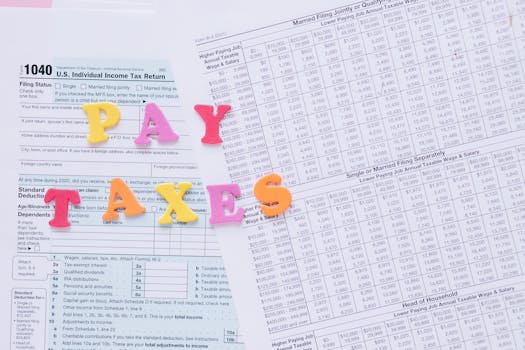 Photo: Leeloo The First / Pexels
 Photo: Tom Fisk / Pexels
 Photo: RDNE Stock project / Pexels
 Photo: https://kaboompics.com/ / Pexels