
Power Your Home: A Guide to Small Wind Turbine for Home
Unlock energy independence and reduce your electricity bills with efficient, reliable small wind turbine technology for your residence.
Explore Wind Power NowKey Takeaways
- ✓ Small wind turbines can significantly reduce or eliminate your electricity bill.
- ✓ Ideal locations for home wind turbines have an average wind speed of at least 10 mph (4.5 m/s).
- ✓ Turbine sizes for homes typically range from 400W to 10kW, depending on energy needs.
- ✓ Installation costs can be offset by federal tax credits and state incentives, reducing the overall investment.
How It Works
Wind turns the turbine's blades, which are designed to efficiently capture kinetic energy from the air. The rotational force is then transferred to a generator.
Inside the nacelle, the generator converts the mechanical energy from the spinning blades into electricity. This electricity is typically in AC (alternating current) form.
The generated electricity is often converted from AC to DC (direct current) for battery storage, or from one AC frequency/voltage to another for direct home use or grid connection via an inverter. Batteries store excess power for use when the wind isn't blowing.
The converted electricity powers your home appliances. Excess power can be fed back into the utility grid (net metering) to earn credits, or stored in batteries for off-grid systems, ensuring a continuous power supply.
Understanding Residential Wind Energy Systems
 Photo: Ayşegül Aytören / Pexels
Key Considerations Before Installing a Small Wind Turbine
 Photo: Efrem Efre / Pexels
Installation Process and Maintenance for Home Wind Turbines
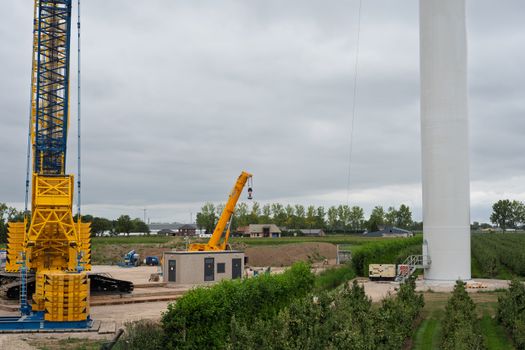 Photo: Martijn Stoof / Pexels
Choosing Your Small Wind Turbine: Types, Costs, and Common Mistakes
Comparison
| Feature | Grid-Tied System | Off-Grid System | Hybrid System |
|---|---|---|---|
| Connection | Utility Grid | No Grid | Grid + Batteries |
| Power Backup | No (unless battery bank added) | Yes (battery bank) | Yes (battery bank + grid) |
| Net Metering | ✓ | ✗ | ✓ |
| Complexity | Medium | High | Very High |
| Initial Cost | Medium | High | Very High |
| Energy Independence | Partial | Full | High |
| Ideal For | Lowering bills, selling excess | Remote locations | Reliability, max savings |
What Readers Say
"Our small wind turbine for home has been a game-changer! Our electricity bill has plummeted by over 70%, and it's incredibly satisfying to know our power comes from clean energy."
Sarah J. · Boulder, CO"Living off-grid, reliability is key. Our small wind turbine for home, combined with solar, ensures we always have power, even during long winter nights. Installation was smooth."
Mark D. · Rural Maine"After installing our residential wind turbine, our monthly utility savings average $150. The initial investment was significant, but the return has been fantastic, and we're thrilled with the reduced carbon footprint."
Emily R. · North Platte, NE"The small wind turbine for home performs well, especially on windy days. While some noise is noticeable during high winds, it's generally quiet, and the energy production is consistent with what was promised."
David L. · Upstate NY"We combined our small wind turbine with solar, and the hybrid system is perfect for our remote ranch. It provides consistent power when the sun isn't shining, making our energy supply truly resilient."
Jessica M. · Desert SouthwestFrequently Asked Questions
How much does a small wind turbine for home cost?
The cost of a small wind turbine for home can vary widely, typically ranging from $8,000 to $70,000, including installation. This depends on factors like turbine size (power output), tower height, the complexity of the electrical system (grid-tied vs. off-grid), and local labor costs. Federal tax credits and state incentives can significantly offset these upfront costs.
Are small wind turbines noisy?
Modern small wind turbines are significantly quieter than older models, with many designed to operate below typical ambient noise levels. While some sound is produced, especially in high winds, it's generally comparable to a refrigerator hum at a distance. Proper siting away from living areas and choosing a quality turbine can minimize noise concerns.
How do I know if my property is suitable for a small wind turbine?
The most crucial factor is your property's average wind speed. A professional wind resource assessment is highly recommended to accurately measure this. Additionally, check for obstructions like tall trees or buildings that could create turbulence, and research local zoning laws and permitting requirements regarding tower height and setbacks.
Can a small wind turbine power my entire house?
Yes, depending on your household's energy consumption and the turbine's size and efficiency, a small wind turbine can potentially power your entire house. For consistent power, especially in areas with fluctuating wind, it's often combined with a battery storage system or integrated with the utility grid (net metering) or even solar panels in a hybrid system.
How does a small wind turbine compare to solar panels for home energy?
Small wind turbines are generally more effective in areas with strong, consistent wind resources, while solar panels excel in sunny climates. Wind turbines can often generate power during nighttime and cloudy days when solar panels are less effective. Many homeowners opt for a hybrid wind-solar system to maximize energy production and reliability, leveraging the strengths of both technologies.
Who should consider a small wind turbine for home?
Homeowners in rural or semi-rural areas with consistent, unobstructed wind resources are ideal candidates. Those looking to significantly reduce or eliminate their electricity bills, achieve greater energy independence, or contribute to renewable energy efforts will find small wind turbines a compelling option. They are also excellent for off-grid applications where utility power is unavailable or too costly to extend.
What are the safety considerations for residential wind turbines?
Safety is paramount. Professional installation ensures proper grounding, secure tower erection, and correct electrical connections to prevent hazards like lightning strikes or electrical fires. Modern turbines have automatic braking systems for high winds. Regular maintenance checks are essential to ensure all components are in good working order and to prevent potential failures.
What are the future trends for small wind turbine technology?
Future trends include more efficient blade designs, quieter operation, and improved integration with smart home energy management systems. Advancements in materials are leading to lighter, more durable turbines. We're also seeing more aesthetically pleasing designs and continued development in vertical-axis turbines, making them more competitive for urban and suburban environments. Hybrid systems combining wind, solar, and battery storage are also becoming increasingly sophisticated.
Embrace the power of the wind and take a significant step towards energy independence. A small wind turbine for home is not just an investment in your property; it's an investment in a sustainable future. Explore your options today and start generating your own clean, renewable energy.