
Smart Ways to Save Energy at Home & Slash Your Bills
Unlock significant savings and contribute to a healthier planet with these essential energy-saving techniques for your home.
Start Saving NowKey Takeaways
- ✓ Heating and cooling account for over half of a typical U.S. home's energy consumption.
- ✓ Upgrading to ENERGY STAR certified appliances can save you hundreds of dollars annually.
- ✓ Sealing air leaks around windows and doors can reduce heat loss by 10-20%.
- ✓ Switching to LED lighting can cut lighting energy use by 75% or more.
How It Works
Understand where your energy goes by reviewing past utility bills and conducting a home energy audit. Identify the biggest energy drains to prioritize your efforts.
Start with easy, low-cost changes like adjusting thermostat settings, unplugging phantom loads, and sealing minor drafts. These small actions yield immediate results.
Consider more significant investments such as insulation improvements, smart thermostats, or appliance upgrades. These offer substantial long-term savings and increased comfort.
Regularly check your energy consumption and perform routine maintenance on heating, cooling, and other systems. Continuous monitoring ensures sustained savings and optimal performance.
Understanding Your Home's Energy Footprint and Why It Matters
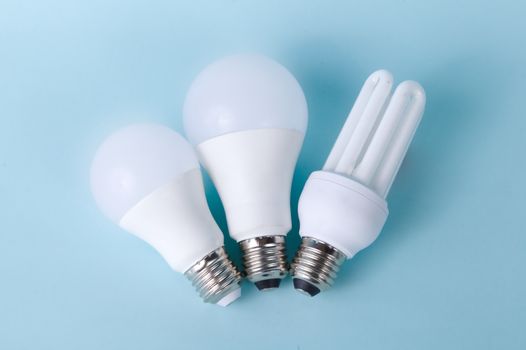 Photo: Riki Risnandar / Pexels
Smart HVAC Strategies: Heating and Cooling Your Home Efficiently
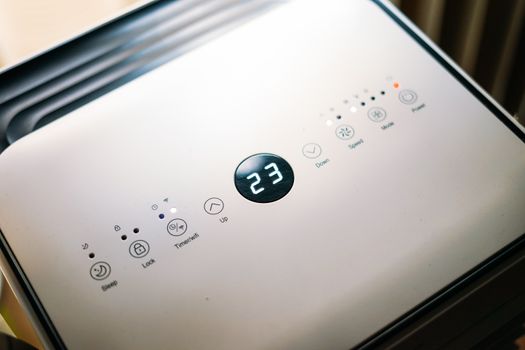 Photo: Geri Tech / Pexels
Illuminating Savings: Lighting, Appliances, and Water Heating Efficiency
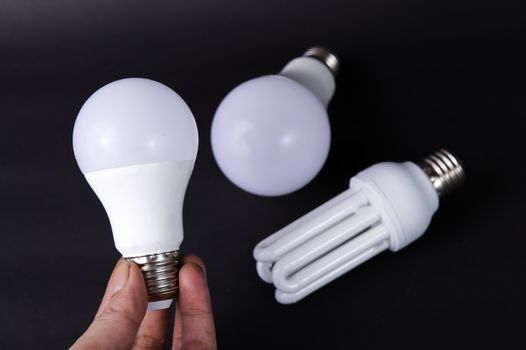 Photo: Riki Risnandar / Pexels
Smart Home Tech & Behavioral Changes: Maximizing Your Energy Savings
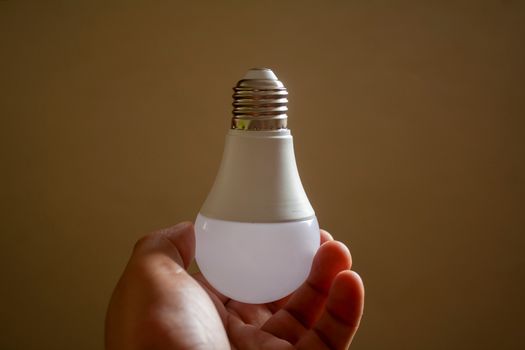 Photo: Arturo Añez. / Pexels
Comparison
| Feature | Best Option for Savings | Good Alternative | Budget-Friendly Option |
|---|---|---|---|
| Thermostat | Smart Thermostat (e.g., Nest, Ecobee) | Programmable Thermostat | Manual Setback |
| Lighting | LED Bulbs | CFL Bulbs | Natural Daylight/Turn Off Lights |
| Insulation | Blown-in Cellulose/Fiberglass | Rigid Foam Boards | Weatherstripping/Caulking |
| Water Heating | Heat Pump Water Heater | Tankless Water Heater | Lower Temp/Insulate Tank |
What Readers Say
"Following the tips on how to save energy at home, especially about smart thermostats and unplugging devices, has been a game-changer. My electricity bill dropped by 15% last month!"
Sarah J. · Austin, TX"The advice on insulating pipes and lowering my water heater temperature was so simple yet effective. I've noticed a significant reduction in my gas bill, and hot water still feels plenty warm."
Mark D. · Denver, CO"I replaced all my incandescent bulbs with LEDs after reading this guide, and my lighting energy consumption is practically negligible now. It's amazing how much you can save with a few smart choices on how to save energy at home."
Emily R. · Seattle, WA"The article provided a comprehensive overview. While some recommendations require an upfront investment, the behavioral changes like using ceiling fans efficiently and air drying clothes have already made a noticeable difference."
David L. · Miami, FL"As a new homeowner, I was overwhelmed. This guide on how to save energy at home broke it down into manageable steps. The home energy audit suggestion led me to discover several air leaks I never knew existed, and fixing them has made my home so much more comfortable."
Jessica M. · Chicago, ILFrequently Asked Questions
What's the single most effective way to save energy at home?
While many factors contribute, optimizing your heating and cooling system (HVAC) is often the most impactful. This includes smart thermostat usage, regular maintenance, and ensuring your home is well-insulated and air-sealed. These areas typically account for the largest portion of your energy consumption.
Will making my home energy efficient be expensive?
Not necessarily. Many effective strategies, like adjusting thermostat settings, unplugging devices, and sealing minor drafts, are low-cost or free. While larger investments like new appliances or insulation have upfront costs, they often pay for themselves through significant long-term savings and increased home comfort and value.
How do I conduct a simple DIY home energy audit?
Start by checking for drafts around windows and doors with a lit incense stick. Inspect insulation levels in your attic and walls. Note the age and energy ratings of your major appliances. Review past utility bills to identify peak usage times. This helps pinpoint obvious areas for improvement.
What are 'vampire loads' and how do I stop them?
Vampire loads (or phantom loads) refer to the electricity consumed by electronics when they are turned off but still plugged in. To stop them, simply unplug devices when not in use, or use smart power strips and smart plugs that can cut power to multiple devices simultaneously.
Are ENERGY STAR appliances really worth the extra cost?
Absolutely. ENERGY STAR certified appliances are independently verified to be more energy-efficient than conventional models, leading to significant savings on your utility bills over their lifespan. The higher upfront cost is typically recouped through reduced operating expenses, making them a smart long-term investment.
Who should prioritize saving energy at home?
Anyone looking to reduce their monthly expenses, increase their home's comfort, decrease their environmental footprint, or boost their property value should prioritize saving energy at home. It benefits homeowners, renters, and the planet alike.
Is it safe to lower my water heater temperature?
Yes, for most households, lowering your water heater's thermostat to 120 degrees Fahrenheit is perfectly safe and recommended. It's hot enough for sanitation and comfort while significantly reducing energy consumption and the risk of scalding, especially for children and the elderly.
What future trends will impact home energy savings?
Future trends include widespread adoption of AI-powered home energy management systems, more efficient renewable energy integration (like rooftop solar and battery storage), advanced building materials with superior insulation, and grid-interactive appliances that optimize usage based on energy prices and demand.
Embark on your journey to a more energy-efficient and cost-effective home today. By implementing these strategies on how to save energy at home, you'll not only enjoy lower utility bills but also contribute to a healthier planet. Start making smart changes now and experience the benefits firsthand.