
Residential Wind Turbine Cost: Your Guide to Energy Freedom
residential wind turbine cost

Residential Wind Turbine Cost: Your Guide to Energy Freedom

Explore the financial investment and long-term savings of installing a wind turbine at your home for sustainable power.

Calculate Your Savings

Key Takeaways

  • ✓ Average residential wind turbine cost ranges from $10,000 to $70,000, installed.
  • ✓ Turbine size, tower height, and installation complexity are primary cost drivers.
  • ✓ Federal and state incentives can significantly reduce the net cost.
  • ✓ Payback periods typically range from 6 to 20 years, depending on wind resource and electricity rates.

How It Works

1
Assess Your Wind Resource

Before anything else, a professional assessment determines if your location has sufficient wind speed for efficient power generation. This is crucial for calculating potential energy output.

2
Select Turbine Type & Size

Based on your energy needs and wind resource, choose between horizontal or vertical axis turbines and determine the optimal power rating (kW). This impacts both performance and cost.

3
Permitting & Installation

Obtain necessary local permits and then proceed with professional installation, including tower erection, turbine mounting, wiring, and grid connection. This phase requires specialized expertise.

4
Connect & Generate Power

Once installed and inspected, your wind turbine connects to your home's electrical system, either offsetting grid usage or feeding excess back into the grid. Enjoy clean, renewable energy.

Understanding the Core Residential Wind Turbine Cost Factors

Peaceful countryside with wind turbines during sunset, showcasing sustainable energy. Photo: Pixabay / Pexels
Delving into the specifics of residential wind turbine cost requires a comprehensive look at the various components that contribute to the overall investment. Unlike a simple appliance purchase, a wind turbine system is a complex installation with several distinct cost categories. The initial purchase price of the turbine itself is just one piece of the puzzle. This typically includes the turbine head (nacelle, blades, generator), the controller, and the inverter. These components vary significantly in cost based on the turbine's power output, measured in kilowatts (kW). Smaller turbines (1-5 kW) suitable for supplementing household electricity might range from $4,000 to $15,000 for the unit alone, while larger systems (10-20 kW) capable of powering a substantial portion of a home could be $20,000 to $50,000 or more. The technology and efficiency of the turbine also play a role, with more advanced designs often commanding a higher price point but potentially offering better performance and longevity. Beyond the turbine unit, the tower is a significant expense. Tower costs depend on height and construction material (e.g., lattice, monopole, guyed). Taller towers are generally more expensive but allow the turbine to access stronger, less turbulent winds, leading to greater energy production. A 60-foot tower might cost $3,000-$8,000, while a 100-foot tower could be $8,000-$20,000. Installation labor is another major factor. This includes site preparation, foundation pouring, tower erection, turbine assembly, and electrical wiring. Due to the specialized nature and safety requirements, professional installation can add $5,000 to $20,000 or more, depending on the complexity of the site and the size of the system. Then there are balance-of-system components, such as wiring, meters, disconnects, and potentially battery storage if you opt for an off-grid or hybrid system. Each of these elements adds to the total residential wind turbine cost. It's crucial to obtain detailed quotes that itemize these components to get a clear picture of your investment. Understanding these fundamental cost drivers is the first step in making an informed decision about integrating renewable energy into your home.

Installation, Permitting, and Hidden Costs of Residential Wind Power
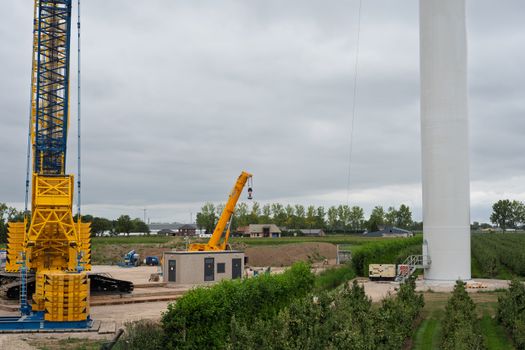
A construction site featuring cranes and a large wind turbine, set in a rural landscape. Photo: Martijn Stoof / Pexels
While the core components form the bulk of the residential wind turbine cost, several other critical expenses often get overlooked, significantly impacting the final investment. Installation costs are multifaceted and extend beyond just erecting the tower. Site assessment is an initial, non-negotiable step. This involves evaluating your property's wind resource, topography, and potential obstructions. Professional wind assessments can range from a few hundred dollars for basic data analysis to several thousand for detailed on-site monitoring over an extended period. This initial investment is vital because an improperly sited turbine will underperform, negating any potential savings. Permitting and regulatory hurdles represent another layer of expense and complexity. Local zoning laws, building codes, and homeowners' association rules can dictate everything from tower height restrictions to setback requirements. Obtaining the necessary permits can involve application fees, engineering reviews, and potentially legal consultations, adding hundreds to thousands of dollars to the project. The process can also be time-consuming, requiring patience and thorough documentation. Furthermore, grid interconnection fees, if you plan to connect to the utility grid (known as net metering), can be an additional cost imposed by your local utility company. These fees cover the cost of upgrading infrastructure or administrative processing. Beyond these, there are potential 'hidden' costs. For instance, foundation work can be substantial, especially if the soil conditions require extensive excavation or specialized concrete mixes. Transportation of the turbine and tower components to your site, particularly if it's remote, can also add considerable expense. Electrical upgrades to your home's main panel might be necessary to accommodate the new power source. While not always applicable, some homeowners might also consider aesthetic landscaping to integrate the turbine more seamlessly into their property. It's imperative to discuss all these potential expenses with your installer upfront to avoid surprises and ensure your residential wind turbine cost estimate is as accurate as possible. A reputable installer will provide a detailed breakdown, including contingencies for unforeseen issues, offering transparency and helping you budget effectively for this significant renewable energy investment.

Maximizing ROI: Incentives, Savings, and Long-Term Value

Wind turbines under a clear blue sky symbolize clean energy and sustainability. Photo: Scott Platt / Pexels
Understanding the return on investment (ROI) is paramount when considering the residential wind turbine cost. While the upfront expense can be substantial, the long-term savings and available incentives can significantly offset this investment, making wind power a financially attractive option for many homeowners. The primary financial benefit comes from reducing or eliminating your monthly electricity bills. By generating your own power, you become less reliant on utility companies and are insulated from rising electricity rates, which can fluctuate unpredictably. The amount saved depends directly on your current electricity consumption, the local cost of electricity, and the energy output of your turbine. Crucially, various incentives are available to help reduce the net residential wind turbine cost. The federal Investment Tax Credit (ITC) for renewable energy currently offers a significant percentage of the installed cost back as a tax credit. This is a dollar-for-dollar reduction in your federal income tax liability, not just a deduction. State and local governments, as well as utility companies, often offer additional incentives, which can include rebates, grants, property tax exemptions, or favorable net metering policies. Net metering allows you to sell excess electricity generated by your turbine back to the grid, often at the retail rate, further improving your financial returns. Researching these specific programs applicable to your region is a vital step in calculating your true net cost and potential savings. You can find more information on these programs at government energy resources websites. The payback period for a residential wind turbine – the time it takes for the savings to equal the initial investment – typically ranges from 6 to 20 years. This wide range is influenced by the initial cost, available incentives, your average wind speed, and your utility rates. In areas with high electricity prices and strong, consistent winds, the payback period can be much shorter. After the payback period, the electricity generated by your turbine is essentially free, representing pure savings for the remainder of its operational lifespan, which can be 20-30 years with proper maintenance. Moreover, installing a renewable energy system like a wind turbine can increase your property value, although this benefit is harder to quantify precisely. The long-term environmental benefits and energy independence also offer intangible value that extends beyond purely financial metrics.

Choosing the Right System: Tips to Avoid Common Mistakes

Silhouette of wind turbines on a hill with a dramatic cloudy sky at sunset. Photo: Brett Sayles / Pexels
Selecting the appropriate residential wind turbine system is critical for optimizing your investment and ensuring long-term satisfaction. Avoiding common pitfalls can save you significant money and headaches down the road. Here are essential tips: * **Prioritize a Professional Site Assessment:** Never guess your wind resource. An accurate wind assessment is the single most important factor. Without sufficient, consistent wind, even the best turbine will not perform as expected, leading to a poor return on your residential wind turbine cost. Insist on data-driven analysis. * **Right-Size Your System:** Don't automatically go for the largest or smallest turbine. Calculate your actual energy consumption and choose a turbine that can realistically meet a significant portion of it. Oversizing leads to unnecessary expense; undersizing means you'll still rely heavily on the grid. A good installer will help you with this calculation. * **Understand Permitting Requirements Early:** Research local zoning laws, building codes, and any HOA restrictions *before* making a commitment. Permitting issues can cause significant delays and added costs, or even prevent installation altogether. * **Get Multiple Quotes:** Obtain at least three detailed quotes from reputable installers. Compare not just the total residential wind turbine cost but also the breakdown of components, warranties, installation specifics, and estimated energy production. * **Check Installer Credentials and References:** Verify that your chosen installer is licensed, insured, and has a proven track record with residential wind turbine installations. Ask for references and speak to past clients about their experience. * **Consider Maintenance Needs:** While wind turbines require less maintenance than some other systems, they are not maintenance-free. Factor in potential maintenance costs (e.g., annual inspections, occasional parts replacement) into your long-term budget. Ask about warranty coverage for parts and labor. * **Evaluate Noise and Aesthetics:** Be aware of potential noise output from turbines, especially for those in close proximity to homes. Also, consider the visual impact of a turbine tower on your property and neighborhood. Discuss these aspects with your installer and consider vertical-axis turbines if noise or aesthetics are a major concern. By carefully considering these factors, you can make a more informed decision and ensure your investment in residential wind power delivers the expected benefits.

Comparison

FeatureGrid-Tied Wind SystemOff-Grid Wind SystemSolar Panel System
Upfront Cost (Avg.)$10,000 - $70,000$20,000 - $100,000+$15,000 - $35,000
Energy SourceWindWindSunlight
Battery Storage Included?Optional (Hybrid)✓ (Essential)Optional (Hybrid)
Grid Connection
Noise FactorModerate (Turbine)Moderate (Turbine)Silent
Best forGood wind resource, high electricity ratesRemote locations, energy independenceGood sunlight, widespread adoption
MaintenanceLow to ModerateModerate (incl. batteries)Low

What Readers Say

"The residential wind turbine cost seemed high initially, but with the federal tax credit and state rebate, it became much more manageable. Our electricity bills have plummeted, and we love being less reliant on the utility."

Sarah J. · Boulder, CO

"After a thorough wind assessment, we invested in a 5kW turbine. The installation was smooth, and the energy savings have exceeded our expectations. It's a significant investment, but the long-term benefits are clear."

Mark T. · Upstate NY

"Our residential wind turbine paid for itself in just 8 years thanks to strong winds and net metering. We're now generating more power than we use, effectively getting paid for our clean energy contribution."

Emily R. · Portland, OR

"The upfront residential wind turbine cost was a hurdle, but the ability to power our remote farm independently was worth it. We did have some initial noise concerns, but proper siting mitigated most of that."

David L. · Rural Kansas

"We combined our wind turbine with solar panels for a hybrid system, and the energy security is incredible. While each had its own residential wind turbine cost, the combined system provides consistent power year-round."

Jessica M. · Vermont

Frequently Asked Questions

What is the average residential wind turbine cost?

The average residential wind turbine cost, including installation, typically ranges from $10,000 to $70,000. This wide range depends on factors like turbine size (kW), tower height, site complexity, and whether battery storage is included.

Are residential wind turbines noisy?

Modern residential wind turbines are designed to be much quieter than older models. While there is some sound, especially in strong winds, it's generally a gentle swoosh. Proper siting away from living areas can further minimize any audible impact.

How do I know if my home is suitable for a wind turbine?

The most crucial factor is consistent, strong wind. A professional site assessment using wind maps and potentially on-site monitoring is essential. You'll also need sufficient land for the tower and to meet local zoning setback requirements.

What kind of return on investment (ROI) can I expect?

ROI varies significantly based on your residential wind turbine cost, local electricity rates, available incentives (like the federal tax credit), and your wind resource. Payback periods typically range from 6 to 20 years, after which you enjoy free electricity.

How does residential wind power compare to solar power?

Both are excellent renewable options. Wind turbines are generally more efficient in areas with strong, consistent winds, especially at night or on cloudy days when solar output is low. Solar panels are often preferred for urban areas due to less space and noise concerns, and generally have a lower upfront cost per watt, but wind can offer a more consistent year-round output in the right location.

Who should consider installing a residential wind turbine?

Homeowners with sufficient land, good wind resources, a desire for energy independence, and those looking to significantly reduce or eliminate their electricity bills are ideal candidates. It's also suitable for properties in remote locations where grid connection is expensive.

Are residential wind turbines safe?

When professionally installed and maintained according to manufacturer guidelines and local codes, residential wind turbines are very safe. They are designed with safety features and adhere to rigorous engineering standards to prevent failures or accidents.

What are the future trends for residential wind turbine cost?

Similar to solar, the residential wind turbine cost is expected to continue decreasing as technology advances and manufacturing scales. Innovations in turbine design, materials, and installation techniques will likely make them more efficient, quieter, and potentially more accessible to a broader range of homeowners in the future.

Understanding the residential wind turbine cost is the first step towards embracing energy independence and a sustainable future. While it represents a significant investment, the long-term savings, environmental benefits, and available incentives make it a compelling option for many homeowners. Take the next step and explore how wind power can work for your home.

Topics: residential wind turbine costhome wind energy pricesmall wind turbine investmentwind power for homesrenewable energy cost
Leo List

IE Escorts NO Escorts US Escorts NZ Escorts AU Escorts
Brampton weed
Adultwork EstrelaBet Vai de Bet R7 Bet Betão Galera Bet Rainbet Bet9ja Shop SportyBet BetKing Sisal Loto Foot Hollywoodbets YesPlay Odibets RushBet Jugabet BetWarrior BetCity MSport betPawa Fortebet