✓ Renewable energy now accounts for over 30% of global electricity generation.
✓ Solar and wind power are the fastest-growing energy sources worldwide.
✓ The cost of renewable energy technologies has decreased significantly over the last decade.
✓ Renewable energy reduces greenhouse gas emissions, combating climate change.
How It Works
1
Harness Natural Resources
Renewable energy systems capture energy from naturally replenished sources like sunlight, wind, water, and geothermal heat. These resources are inexhaustible on a human timescale.
2
Convert to Usable Energy
Specialized technologies, such as solar panels, wind turbines, or hydropower dams, convert these natural forces into electricity or heat. This conversion process is often highly efficient.
3
Distribute and Store
Once converted, the energy is fed into the electrical grid for widespread distribution or stored in batteries for later use. This ensures a consistent and reliable energy supply.
4
Power Homes and Industries
The clean energy then powers homes, businesses, and transportation without producing harmful emissions. This sustainable cycle helps reduce our reliance on fossil fuels.
Understanding the Fundamentals of Renewable Energy
Photo: Artem Podrez / Pexels
In an era defined by growing environmental concerns and volatile fossil fuel markets, the concept of 'renewable energy sources explained' has never been more critical. Renewable energy refers to energy derived from natural processes that are replenished constantly. This includes sunlight, geothermal heat, wind, tides, water, and various forms of biomass. Unlike fossil fuels, which are finite and contribute significantly to greenhouse gas emissions when burned, renewable sources offer a sustainable alternative that can power our world without depleting resources or exacerbating climate change. The shift towards these cleaner alternatives is not just an environmental imperative but also an economic opportunity, fostering innovation, creating jobs, and enhancing energy independence for nations. The United States, in particular, has seen a significant push towards integrating more renewable sources into its energy portfolio, driven by policy incentives, technological advancements, and increasing public awareness. Understanding the fundamentals means recognizing that these energy sources are inherently sustainable, meaning they can be used indefinitely without running out. They represent a paradigm shift from an extractive, carbon-intensive energy model to one that is circular and environmentally harmonious. This fundamental understanding is the first step in appreciating the profound impact and potential of renewable energy. It encompasses not just the technology, but also the ecological principles behind why these sources are so vital for our planet's future. The continuous flow of energy from the sun, the persistent movement of wind, and the relentless cycle of water evaporation and precipitation all provide endless energy streams waiting to be harnessed. These natural phenomena are the very essence of renewable power, offering a stark contrast to the finite nature of coal, oil, and natural gas. Moreover, the environmental benefits extend beyond just reducing carbon emissions; they also include improved air quality, reduced water pollution associated with fossil fuel extraction, and less land degradation from mining. As we delve deeper into specific types of renewable energy, remember that each method, while unique in its approach, shares the common goal of providing clean, sustainable power. The evolution of energy technologies has made these sources increasingly viable and cost-effective, challenging the long-held dominance of traditional energy forms. This foundational knowledge is essential for anyone looking to understand the future of energy and their role in a more sustainable world.
A Deep Dive into Key Renewable Energy Technologies
Photo: Kristina Kutleša / Pexels
When we talk about 'renewable energy sources explained,' it's crucial to explore the diverse technologies that make this sustainable future possible. Each source has unique characteristics, applications, and levels of maturity, contributing to a robust and diversified energy mix. Solar energy, for instance, harnesses the sun's abundant radiation, converting it into electricity through photovoltaic (PV) panels or concentrating solar power (CSP) systems that use mirrors to focus sunlight and generate heat for steam turbines. PV technology has seen remarkable cost reductions and efficiency improvements, making rooftop solar an increasingly popular option for homes and businesses across the US. Wind power, another prominent renewable, utilizes the kinetic energy of moving air. Giant wind turbines, often grouped in wind farms on land or offshore, capture this energy to spin a generator and produce electricity. The US boasts significant wind resources, particularly in the central states and along its coastlines, leading to a rapid expansion of wind energy capacity. Hydropower, one of the oldest and most established renewable energy sources, uses the force of flowing water to spin turbines. Large-scale hydroelectric dams are significant contributors to the grid, offering reliable, dispatchable power, while smaller run-of-river systems minimize environmental impact. Geothermal energy taps into the Earth's internal heat. Geothermal power plants use steam from underground reservoirs to drive turbines, providing continuous, baseload power. Geothermal heat pumps can also be used for heating and cooling buildings directly. Biomass energy involves converting organic matter – such as agricultural waste, wood, and dedicated energy crops – into electricity, heat, or biofuels. While biomass is renewable, its sustainability depends heavily on responsible sourcing and management to avoid deforestation and compete with food production. Tidal and wave energy, though less developed, hold immense potential. Tidal power harnesses the rise and fall of ocean tides, while wave energy converts the motion of ocean waves into electricity. These nascent technologies face engineering challenges but offer predictable power generation due to the consistent nature of ocean movements. Each of these technologies plays a vital role in our transition away from fossil fuels, offering distinct advantages and contributing to a resilient and diverse renewable energy infrastructure. The ongoing research and development in these areas promise even greater efficiency and accessibility in the years to come, making the vision of a fully renewable-powered world increasingly attainable. Understanding these specific applications helps to fully grasp the breadth and depth of renewable energy's potential.
The Economic and Environmental Benefits of Renewable Energy Adoption
Photo: Amol Mande / Pexels
The widespread adoption of 'renewable energy sources explained' offers a myriad of benefits, extending far beyond simply providing electricity. Economically, the renewable energy sector is a powerful engine for job creation. From manufacturing and installation to maintenance and research, the growth of solar, wind, and other clean energy industries is generating hundreds of thousands of jobs across the United States. This economic activity stimulates local economies, particularly in rural areas where many large-scale renewable projects are located. Furthermore, renewable energy reduces our reliance on volatile global fossil fuel markets. By generating power domestically from inexhaustible resources, countries like the US can achieve greater energy independence and price stability, shielding consumers and businesses from geopolitical risks and unpredictable fuel costs. The declining cost of renewable technologies, especially solar PV and wind power, has made them competitive with, and often cheaper than, new fossil fuel power plants, leading to significant cost savings for utilities and ultimately for consumers. Environmentally, the advantages are even more profound. The most critical benefit is the drastic reduction in greenhouse gas emissions. Unlike burning coal, oil, or natural gas, renewable energy generation produces little to no carbon dioxide, methane, or other climate-altering pollutants during operation. This directly combats climate change, helping to mitigate its devastating effects such as rising sea levels, extreme weather events, and disruptions to ecosystems. Beyond climate change, renewable energy improves air quality by reducing particulate matter, sulfur dioxide, and nitrogen oxides – pollutants that cause respiratory illnesses and acid rain. It also minimizes water pollution associated with fossil fuel extraction and processing, as well as the risks of spills and leaks. The reduced need for large-scale mining operations for coal or drilling for oil also preserves natural habitats and reduces land degradation. Moreover, many renewable projects, particularly solar and wind farms, have a relatively small operational footprint compared to the vast areas often disturbed by fossil fuel extraction. Investing in renewable energy is an investment in public health, economic stability, and the long-term sustainability of our planet. These interwoven benefits underscore why understanding and embracing renewable energy is not just a choice, but a necessity for a prosperous future. The continued growth and integration of these sources into our national infrastructure represents a crucial step towards a more resilient and healthy society, proving that environmental responsibility and economic growth can go hand-in-hand. For more insights on the broader landscape, consider exploring innovations in energy production.
Challenges and the Future Outlook for Renewable Energy
Photo: Ramesh Kambattan / Pexels
While the promise of 'renewable energy sources explained' is immense, the transition to a fully renewable-powered grid is not without its challenges. One of the primary hurdles is intermittency. Solar power is only available when the sun shines, and wind power only when the wind blows. This variability requires robust energy storage solutions, such as advanced battery technologies, pumped-hydro storage, or hydrogen production, to ensure a constant and reliable supply of electricity. Grid infrastructure also needs significant upgrades to handle the decentralized nature of renewable generation and transmit electricity efficiently from remote renewable energy sites to urban demand centers. The current grid was largely built for centralized fossil fuel plants, and modernization efforts are ongoing but require substantial investment. Land use is another consideration, particularly for large-scale solar farms and wind farms. Siting these projects requires careful planning to minimize environmental impact and address concerns from local communities regarding aesthetics, noise, and potential effects on wildlife. Furthermore, the manufacturing of renewable energy technologies, such as solar panels and wind turbines, requires raw materials and energy, and their end-of-life disposal needs sustainable recycling solutions. Addressing these challenges is crucial for the continued growth and integration of renewables. The future outlook, however, remains overwhelmingly positive. Technological advancements are continually improving efficiency and reducing costs across all renewable sectors. Breakthroughs in battery technology are making energy storage more affordable and scalable. Smart grid technologies and artificial intelligence are enhancing grid management and forecasting, allowing for better integration of intermittent sources. Policy support, including tax incentives, subsidies, and renewable energy mandates, continues to drive investment and deployment in the US. Research into novel renewable sources like enhanced geothermal systems, advanced ocean energy technologies, and next-generation biofuels is expanding the potential for clean energy. The global commitment to climate action, coupled with increasing energy demand and the desire for energy independence, ensures that renewable energy will remain at the forefront of our energy strategy. As these challenges are met with innovation and concerted effort, the vision of a world powered predominantly by clean, inexhaustible sources becomes an increasingly tangible reality, promising a healthier planet and a more secure energy future for generations to come. The trajectory is clear: renewables are not just an alternative, but the inevitable future of energy.
Comparison
Feature
Solar (PV)
Wind Power
Hydropower
Geothermal
Source
Sunlight
Wind
Flowing Water
Earth's Heat
Availability
Intermittent (daytime)
Intermittent (windy)
Consistent (reservoirs)
Consistent (baseload)
Emissions (Operational)
Very Low
Very Low
Very Low
Very Low
Land Use
Moderate-High
Moderate-High
High (dams)
Low (plant)
Cost Trend
Decreasing Rapidly
Decreasing Rapidly
Stable-Decreasing
Stable
Storage Needs
High
High
Low
None
What Readers Say
★★★★★
"This article on renewable energy sources explained everything I needed to know in such an accessible way. I finally understand the differences and benefits!"
Sarah Chen · Austin, TX
★★★★★
"As someone considering solar, this deep dive into renewable energy sources explained the economic upsides and environmental impact clearly. Highly recommend!"
Mark Johnson · Denver, CO
★★★★★
"After reading this, I'm convinced about the future of green energy. The section on challenges and future outlook was particularly insightful, showing a balanced view."
Emily Rodriguez · Portland, OR
★★★★★
"A very thorough explanation of renewable energy sources. While excellent, I would have liked a bit more detail on specific state-level incentives in the US."
David Lee · Boston, MA
★★★★★
"This guide truly breaks down renewable energy sources explained in a way that's easy to grasp, even for someone new to the topic. It's a fantastic resource for homeowners and students alike."
Jessica White · Miami, FL
Frequently Asked Questions
What are the main types of renewable energy sources?
The main types include solar (from the sun), wind (from moving air), hydropower (from flowing water), geothermal (from Earth's internal heat), and biomass (from organic matter). Each harnesses natural processes to generate clean power.
Is renewable energy truly reliable given its intermittency?
Yes, renewable energy is becoming increasingly reliable. While some sources like solar and wind are intermittent, advancements in energy storage technologies (like batteries) and sophisticated grid management systems are effectively addressing these challenges, ensuring a consistent power supply.
How can I incorporate renewable energy into my home?
You can install rooftop solar panels, explore geothermal heat pumps for heating/cooling, or purchase green energy from your utility provider if available. Many states offer incentives and rebates to help homeowners adopt renewable energy solutions.
Is renewable energy more expensive than traditional fossil fuels?
The cost of renewable energy has dramatically decreased, making it competitive with, and often cheaper than, fossil fuels, especially for new power generation. While initial installation costs can be higher, long-term operational costs are significantly lower, with no fuel expenses.
How do renewable energy sources compare to nuclear power?
Both renewable energy and nuclear power are low-carbon electricity sources. Renewables derive from inexhaustible natural processes, while nuclear power uses finite uranium. Nuclear offers continuous baseload power but carries waste disposal and safety concerns not present with renewables.
Who benefits most from the shift to renewable energy?
Everyone benefits! Homeowners and businesses benefit from stable, lower energy costs. The planet benefits from reduced greenhouse gas emissions and pollution. Future generations benefit from a cleaner, more sustainable environment, and economies benefit from new job creation and energy independence.
What are the environmental impacts of renewable energy production?
While operational emissions are minimal, renewable energy production can have environmental impacts, such as land use for solar/wind farms, raw material extraction for manufacturing, and potential effects on wildlife (e.g., birds and bats with wind turbines). Careful siting and technological advancements aim to mitigate these impacts.
What future trends can we expect in renewable energy?
Expect continued cost reductions, significant advancements in battery storage, the expansion of offshore wind, greater integration of smart grid technologies, and the development of novel sources like advanced geothermal and ocean energy. Policy support and public demand will also drive further innovation and adoption.
Ready to embrace a sustainable future? By understanding renewable energy sources explained, you're taking the first step towards making informed choices that benefit both your wallet and the planet. Explore the possibilities and join the clean energy revolution today.

 Photo: Artem Podrez / Pexels
 Photo: Kristina Kutleša / Pexels
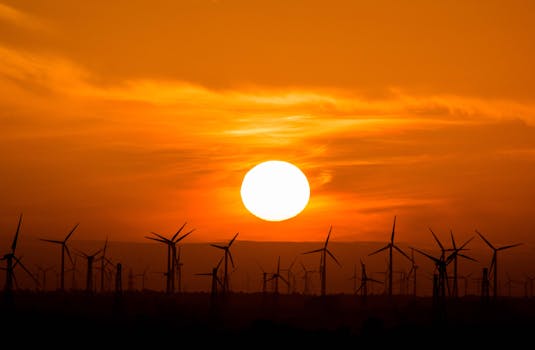 Photo: Amol Mande / Pexels
 Photo: Ramesh Kambattan / Pexels