25 Best Energy Saving Tips Home: Slash Bills Now!
best energy saving tips home

25 Best Energy Saving Tips Home: Slash Bills Now!

Implement these proven strategies to drastically lower your energy consumption and enjoy a more comfortable, eco-friendly home.

Start Saving Today

Key Takeaways

  • ✓ Heating and cooling account for nearly half of a typical U.S. home's energy consumption.
  • ✓ Sealing air leaks can save homeowners 10-20% on heating and cooling costs.
  • ✓ Replacing old incandescent bulbs with LEDs can save $75 or more per year.
  • ✓ Smart thermostats can save an average of 10-12% on heating and 15% on cooling bills.

How It Works

1
Assess Your Current Usage

Review past utility bills to identify peak consumption periods and understand your baseline. This helps in targeting areas for improvement.

2
Implement Easy Changes

Start with no-cost or low-cost adjustments like adjusting thermostat settings, unplugging phantom loads, and optimizing natural light. These yield immediate benefits.

3
Invest in Upgrades

Consider more significant investments such as insulation, window replacements, or energy-efficient appliances. These offer substantial long-term savings and increased home value.

4
Monitor and Maintain

Regularly check your energy consumption and perform routine maintenance on systems like HVAC. Continuous monitoring ensures sustained savings and optimal performance.

Optimizing Your HVAC System for Peak Efficiency
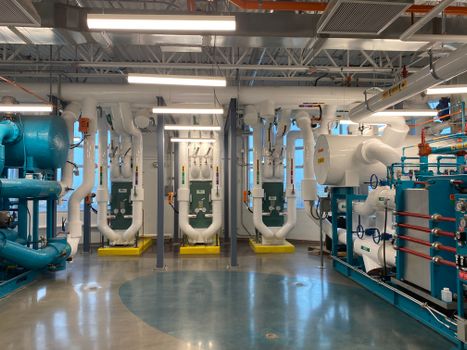
State-of-the-art HVAC system setup showcasing cooling and heating technology. Photo: namrata kotak / Pexels
Your heating, ventilation, and air conditioning (HVAC) system is likely the biggest energy consumer in your home, often accounting for 40-50% of your total utility bill. Therefore, optimizing its performance is paramount when looking for the best energy saving tips home. A well-maintained and efficiently operating HVAC system not only reduces energy consumption but also improves indoor air quality and extends the lifespan of your equipment. Start with regular maintenance. Schedule professional tune-ups at least once a year, preferably before the peak heating and cooling seasons. During these check-ups, technicians will clean coils, check refrigerant levels, inspect electrical connections, and lubricate moving parts. This preventative care can prevent minor issues from escalating into costly breakdowns and ensure your system runs at its maximum efficiency. Changing your air filters regularly is a simple yet incredibly effective step. A clogged filter restricts airflow, forcing your HVAC system to work harder and consume more energy. Aim to replace or clean filters every 1-3 months, or more frequently if you have pets or allergies. Consider upgrading to a smart thermostat. These devices learn your preferences, can be controlled remotely via smartphone, and automatically adjust temperatures based on occupancy or weather forecasts. Many utility companies offer rebates for smart thermostat installations, making them a wise investment with a quick return. The ability to program different temperature settings for various times of the day or when you're away can lead to significant savings without sacrificing comfort. For instance, setting your thermostat a few degrees higher in summer and lower in winter when you're not home can save 10-15% on your energy costs. Another critical aspect is ensuring your ductwork is properly sealed. Leaky ducts can lose 20-30% of the air moving through them, meaning you're paying to heat or cool spaces like your attic or crawl space instead of your living areas. Professional duct sealing can rectify this, dramatically improving HVAC efficiency. Also, ensure that your outdoor AC unit is clear of debris, plants, or anything that could obstruct airflow. A clear path for air helps the unit dissipate heat more effectively. Finally, if your HVAC system is more than 10-15 years old, it might be time to consider a replacement with a more energy-efficient model. Modern units, particularly those with a high SEER (Seasonal Energy Efficiency Ratio) rating for AC or AFUE (Annual Fuel Utilization Efficiency) for furnaces, can offer substantial long-term savings. For more comprehensive strategies to reduce your utility expenses, explore these energy efficiency measures for your household. Even small changes in your thermostat settings can make a big difference. For every degree you adjust your thermostat in the direction of the outside temperature (e.g., higher in summer, lower in winter) for eight hours a day, you can save approximately 1% on your energy bill. So, setting your thermostat to 78°F in summer when you're home and 82°F when you're out, and 68°F in winter when you're home and 60°F when you're out, can lead to substantial savings over time. Don't forget about zoning. If your home has multiple levels or distinct areas, consider a zoned HVAC system that allows you to control temperatures independently in different sections. This prevents you from heating or cooling unoccupied areas unnecessarily, further optimizing your energy usage.

Mastering Insulation and Air Sealing for a Tighter Home
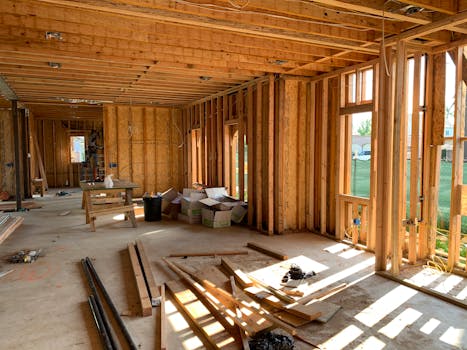
Sunlit interior with wood framing, showcasing home construction progress. Photo: Brett Rogers / Pexels
A well-insulated and properly air-sealed home acts like a thermos, keeping desired temperatures in and unwanted temperatures out. This is a foundational element among the best energy saving tips home, directly impacting your heating and cooling costs. Air leaks and insufficient insulation are major culprits behind energy waste, allowing conditioned air to escape and unconditioned air to infiltrate your living spaces. Addressing these issues can lead to significant and lasting reductions in your energy bills. Start by identifying and sealing air leaks. Common culprits include gaps around windows and doors, electrical outlets, plumbing penetrations, recessed lighting, and attic hatches. Use caulk for stationary cracks and gaps, and weatherstripping for movable components like windows and doors. A simple trick is to light an incense stick near these areas on a windy day; if the smoke wavers, you have an air leak. Another method is to perform a home energy audit, often available through your local utility company, which can pinpoint less obvious leaks using specialized equipment like blower doors. Proper insulation is crucial for maintaining comfortable indoor temperatures year-round. The attic is typically the most critical area for insulation, as heat rises in winter and enters through the roof in summer. Check your attic insulation; if it's below the top of your floor joists, or if it's uneven, you likely need more. The Department of Energy recommends R-values (a measure of thermal resistance) based on your climate zone. For much of the US, R-38 to R-60 is recommended for attics. Types of insulation include fiberglass, cellulose, and spray foam, each with its own advantages regarding cost, R-value, and ease of installation. Beyond the attic, consider insulating walls, floors, and crawl spaces. Wall insulation can be a bigger project, but if you're undertaking a renovation, it's an excellent time to add it. For existing walls, blown-in insulation can be an option. Insulating floors, especially those over unheated basements or crawl spaces, can prevent cold drafts and keep your living areas warmer. Vapor barriers are also essential in certain climates to prevent moisture buildup within your insulation, which can reduce its effectiveness and lead to mold issues. Don't overlook the importance of sealing and insulating around pipes and ducts in unconditioned spaces. Hot water pipes can lose a significant amount of heat as water travels from your water heater to your faucet. Insulating these pipes, especially those in unheated basements or crawl spaces, can reduce heat loss and ensure hot water arrives faster, reducing water waste. Similarly, ducts running through attics or crawl spaces should be well-sealed and insulated to prevent heat loss or gain before the conditioned air even reaches your rooms. These measures contribute to a holistic approach to energy conservation, creating a truly energy-efficient envelope for your home. By making your home's shell as tight and well-insulated as possible, you create a stable indoor environment that requires less energy to heat and cool, leading to substantial savings and enhanced comfort.

Smart Appliance Use and Lighting Upgrades
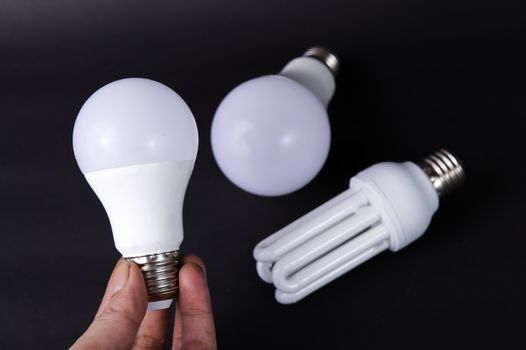
Close-up of energy-efficient LED and CFL light bulbs on a black surface. Photo: Riki Risnandar / Pexels
Beyond the major systems like HVAC and insulation, everyday appliance use and lighting choices offer significant opportunities for energy savings, forming a crucial part of the best energy saving tips home. Making conscious decisions about how you use your electronics and upgrading to more efficient options can noticeably chip away at your utility bills without requiring a massive overhaul of your home. Let's start with lighting. Incandescent light bulbs are notoriously inefficient, converting only about 10% of the energy they consume into light, with the rest wasted as heat. Switching to LED (Light Emitting Diode) bulbs is one of the quickest and most impactful changes you can make. LEDs consume up to 90% less energy and last 15 to 25 times longer than traditional bulbs, leading to substantial savings over their lifetime. While the initial cost of LEDs might be higher, their longevity and efficiency mean they pay for themselves many times over. Also, remember to turn off lights when leaving a room, or consider installing motion sensors in low-traffic areas like bathrooms, closets, and hallways. Utilize natural light whenever possible by opening blinds and curtains during the day, reducing the need for artificial lighting. When it comes to appliances, the concept of "phantom load" or "vampire draw" is critical. Many electronics continue to draw power even when turned off but still plugged in. This includes TVs, computers, phone chargers, coffee makers, and game consoles. These phantom loads can account for 5-10% of your household's electricity use. The simplest solution is to unplug devices when not in use. For convenience, use power strips with on/off switches or smart power strips that automatically cut power to idle devices. For major appliances like refrigerators, dishwashers, and washing machines, look for ENERGY STAR® certified models when it's time to replace them. These appliances meet strict energy efficiency guidelines set by the EPA and Department of Energy, often using significantly less electricity and water than standard models. When using these appliances, maximize their efficiency: run your dishwasher and washing machine only when full, and use cold water settings for laundry whenever possible, as heating water accounts for a large portion of the energy consumed by these machines. Air-drying dishes instead of using the heated dry cycle on your dishwasher can also save energy. Optimizing appliance usage is key to sustained savings. Your water heater is another significant energy consumer. Set its thermostat to 120°F (about medium setting) to save energy and prevent scalding. Insulating your water heater tank, especially if it's an older model, can reduce standby heat loss. For those considering a replacement, tankless water heaters or heat pump water heaters offer significant energy savings over traditional tank models. Finally, be mindful of cooking habits. Use microwave ovens for small meals as they are more energy-efficient than conventional ovens. Use appropriately sized pots and pans for your stove burners, and keep lids on pots to reduce cooking time and energy use. Every small adjustment contributes to a more energy-efficient home.

Outdoor & Water-Saving Strategies for Comprehensive Savings

Hand holding a cardboard sign with 'Save the Earth' message advocating environmental conservation. Photo: Artem Podrez / Pexels
While much of the focus on energy saving tips home centers indoors, significant opportunities exist outside and in your water consumption habits. Integrating outdoor improvements and water conservation into your strategy creates a more holistic approach to reducing your home's overall environmental footprint and utility expenses. These elements often work in tandem, reinforcing each other for greater impact. **Landscaping for Energy Efficiency:** Strategic landscaping can act as a natural insulator and shade provider for your home. Planting deciduous trees on the south and west sides of your house can provide cooling shade in the summer when their leaves are full, and allow warming sunlight through in the winter after their leaves have fallen. Evergreen trees and shrubs planted on the north and northwest sides can act as windbreaks, reducing heat loss from your home during colder months. Shading your outdoor air conditioning unit can also improve its efficiency by keeping it out of direct sunlight, but ensure there's still adequate airflow around it. Ground cover and vines can also help moderate ground temperatures around your foundation, reducing heat transfer. **Water Heater Efficiency & Usage:** Your water heater is one of the largest energy users in your home. Beyond setting the thermostat to 120°F and insulating the tank, consider low-flow showerheads and faucet aerators. These devices significantly reduce the amount of hot water used without compromising water pressure, directly translating to lower water heating costs. Fixing leaky faucets and toilets is also crucial; a drip a second can waste thousands of gallons of water per year, and if it's a hot water drip, you're literally watching money go down the drain. For larger households or those considering a replacement, heat pump water heaters are incredibly efficient, using ambient air to heat water rather than direct electricity or gas, offering substantial long-term savings. **Appliance and Lifestyle Adjustments:** When doing laundry, always use cold water for rinsing and washing whenever possible. Modern detergents are formulated to work effectively in cold water, and heating water for laundry is a major energy consumer. Air-dry clothes on a line or drying rack when weather permits, reducing reliance on your energy-intensive dryer. For dishwashing, only run the dishwasher when it’s full, and opt for the air-dry setting if available. In the kitchen, use a microwave or toaster oven for small meals rather than a full-sized oven, which consumes much more energy. When cooking on the stovetop, use lids on pots and pans to trap heat and reduce cooking time. Unplug small appliances and chargers when not in use to combat phantom load. **Exterior Maintenance:** Regularly inspect your roof, siding, and foundation for any cracks or damage that could allow air or moisture infiltration. Sealing these areas with appropriate materials not only prevents energy loss but also protects your home from water damage and structural issues. Ensuring your gutters are clean and properly directing water away from your foundation also helps maintain the integrity of your home's envelope, which is essential for consistent energy performance. By combining these indoor and outdoor strategies, you create a comprehensive plan for maximum energy savings.

Comparison

FeatureSmart ThermostatProgrammable ThermostatManual Thermostat
Remote Control
Learning Capability
Energy Savings (Est.)10-15%5-10%0-5%
Initial CostHighMediumLow
InstallationDIY/ProDIYDIY

What Readers Say

"Implementing these best energy saving tips home has been a game-changer! Our AC bill dropped by nearly 25% last summer just by sealing air leaks and optimizing our thermostat. It's truly amazing how much difference small changes make."

Sarah J. · Austin, TX

"We followed the advice on insulation and switching to LED bulbs. Our home feels so much more comfortable now, and our overall electricity consumption has noticeably decreased. Highly recommend these practical tips."

Mark D. · Denver, CO

"After focusing on our HVAC maintenance and duct sealing, our heating bill was 30% lower this past winter compared to the previous year. The investment in a professional tune-up paid for itself in just a few months. These tips really work!"

Emily R. · Chicago, IL

"The article provided many actionable insights. While I haven't implemented every suggestion, the phantom load tips alone have made a difference. I appreciate the clear breakdown of where to start for maximum impact."

John P. · Miami, FL

"As a homeowner looking to be more eco-conscious, these best energy saving tips home were invaluable. We focused on water heating efficiency and got a smart thermostat, and our bills are definitely lower, plus we feel good about our reduced footprint."

Lisa M. · Seattle, WA

Frequently Asked Questions

What are the most effective best energy saving tips home for immediate impact?

For immediate impact, focus on adjusting your thermostat settings (up in summer, down in winter when away), unplugging 'phantom load' electronics, switching to LED lighting, and sealing obvious air leaks around windows and doors with caulk or weatherstripping. These low-cost or no-cost changes can yield noticeable savings quickly.

Will these energy-saving tips make my home uncomfortable?

No, the goal of these tips is to increase efficiency without sacrificing comfort. Many strategies, like improved insulation and air sealing, actually enhance comfort by eliminating drafts and maintaining more stable indoor temperatures. Smart thermostats also learn your preferences, ensuring comfort while optimizing energy use.

How can I check for air leaks in my home?

You can perform a simple check by holding an incense stick or a lit candle near windows, doors, electrical outlets, and plumbing penetrations on a windy day. If the smoke or flame flickers, you've found an air leak. For a more comprehensive assessment, consider a professional home energy audit, often offered by local utility companies, which uses specialized equipment like blower doors.

What's the typical return on investment for energy-efficient upgrades?

The ROI varies greatly depending on the upgrade. Low-cost items like LED bulbs pay for themselves within months. Larger investments like insulation or new ENERGY STAR appliances can have a payback period of 3-7 years, but they also significantly increase home comfort and potentially resale value. Many utility companies and government programs offer rebates or tax credits that can shorten the payback period.

How do these tips compare to installing solar panels?

These energy-saving tips are complementary to solar panel installation. Solar panels generate electricity, reducing your reliance on the grid. However, improving your home's energy efficiency (reducing the amount of electricity you need) first means you can install a smaller, less expensive solar system to meet your reduced demand, maximizing your overall savings and environmental impact. Efficiency first, then renewables.

Who should implement these best energy saving tips home?

Everyone! Homeowners, renters, and even those in commercial spaces can benefit from these tips. Whether you're looking to save money, reduce your environmental footprint, or simply increase the comfort of your living space, these strategies are universally applicable and beneficial for anyone paying an energy bill.

Are there any safety risks associated with energy-saving measures?

Most energy-saving measures are safe. However, ensure proper ventilation when sealing air leaks to prevent indoor air quality issues, especially if you have combustion appliances. Always follow manufacturer guidelines for appliance use and professional advice for major installations like insulation or HVAC. Carbon monoxide detectors are crucial if you have gas appliances.

What are future trends in home energy saving?

Future trends include advanced smart home integration with AI-powered energy management systems, more widespread adoption of renewable energy sources like geothermal and micro-wind, sophisticated building materials with superior insulation properties, and grid-interactive homes that can optimize energy use based on real-time electricity pricing and demand.

Embracing the best energy saving tips home is more than just cutting costs; it's an investment in your comfort, the value of your property, and a more sustainable future. Start implementing these practical strategies today to experience a noticeable difference in your utility bills and enjoy a more efficient, eco-friendly living space. Your wallet and the planet will thank you.

Topics: best energy saving tips homereduce energy billshome energy efficiencyconserve energy USsmart home energy
Leo List
Brampton weed
Adultwork EstrelaBet Vai de Bet R7 Bet Betão Galera Bet Rainbet Bet9ja Shop SportyBet BetKing Sisal Loto Foot Hollywoodbets YesPlay Odibets RushBet Jugabet BetWarrior BetCity MSport betPawa Fortebet