✓ Fossil fuels (coal, oil, natural gas) currently supply over 80% of global energy.
✓ Burning fossil fuels is the primary driver of anthropogenic climate change.
✓ The U.S. remains a major consumer and producer of fossil fuels, influencing global markets.
✓ Transitioning away from fossil fuels presents significant economic and social challenges, alongside environmental benefits.
How It Works
1
Extraction and Processing
Fossil fuels are extracted from the Earth through mining (coal) or drilling (oil, gas). They then undergo refining and processing to become usable energy sources.
2
Combustion for Energy
These processed fuels are burned in power plants, vehicles, and industrial facilities to generate electricity, power transportation, and heat homes, releasing energy.
3
Emissions and Byproducts
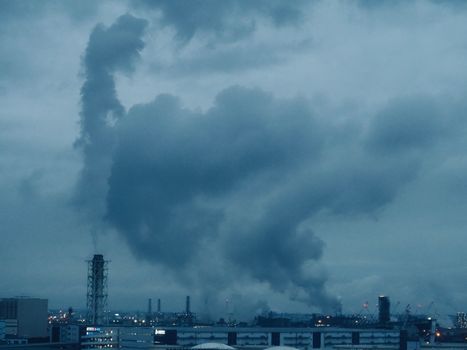
The combustion process releases greenhouse gases (like CO2, methane) and pollutants (like sulfur dioxide, nitrogen oxides) into the atmosphere, impacting air quality and climate.
4
Global Distribution and Consumption
Fossil fuels are transported globally, fueling economies and societies, but also creating geopolitical dependencies and contributing to localized environmental damage.
The Environmental Impact of Fossil Fuels: A Critical Examination
The environmental impact of fossil fuels is arguably the most widely discussed and pressing concern associated with their use. For centuries, humanity has relied on coal, oil, and natural gas as the bedrock of industrialization and technological advancement. While these energy sources have undeniably propelled progress, their combustion releases a cascade of pollutants and greenhouse gases that are fundamentally altering our planet's delicate ecosystems. The primary culprit is carbon dioxide (CO2), a potent greenhouse gas that traps heat in the atmosphere, leading to a phenomenon known as global warming. This warming trend is directly linked to a host of severe consequences, including rising global temperatures, more frequent and intense heatwaves, and shifts in precipitation patterns. These changes manifest as increased droughts in some regions and more severe flooding in others, disrupting agriculture, water supplies, and human settlements. Beyond CO2, the burning of fossil fuels also releases other harmful pollutants. Sulfur dioxide (SO2) and nitrogen oxides (NOx) are key contributors to acid rain, which damages forests, acidifies lakes, and degrades infrastructure. Particulate matter, tiny airborne particles, can penetrate deep into the lungs, exacerbating respiratory and cardiovascular diseases, particularly in urban areas with high industrial activity and traffic. Methane, a greenhouse gas significantly more potent than CO2 over a shorter timescale, is released during the extraction, processing, and transportation of natural gas, adding another layer to the climate challenge. The extraction process itself, whether through open-pit coal mining, offshore oil drilling, or hydraulic fracturing (fracking) for natural gas, often leads to significant environmental degradation. These activities can destroy habitats, contaminate local water sources, and cause land subsidence. Oil spills, though less frequent than continuous emissions, can devastate marine ecosystems, impacting wildlife, fisheries, and coastal communities for decades. The cumulative effect of these environmental assaults is a profound alteration of natural systems, threatening biodiversity, disrupting ecological balances, and ultimately jeopardizing the long-term health of the planet. Understanding the scale of this environmental burden is the first crucial step in formulating effective strategies for mitigation and transition. The challenge lies in balancing the immediate energy needs of a growing global population with the urgent imperative to protect our shared environment. The shift towards cleaner energy sources is not merely an environmental preference but a critical necessity for planetary survival and human well-being. This transition requires significant investment in renewable energy technologies and robust policies to incentivize their adoption, alongside international cooperation to address a problem that transcends national borders. Exploring renewable energy sources is crucial for mitigating these severe impacts.
Economic and Geopolitical Ramifications of Fossil Fuel Dependence
The economic and geopolitical landscape of the world has been inextricably shaped by fossil fuels for over a century. Nations with abundant reserves of oil, gas, or coal have often wielded significant economic and political power, influencing global markets and international relations. The United States, for instance, has historically been both a major consumer and producer, with its domestic energy policies having ripple effects worldwide. The price volatility of fossil fuels, particularly oil, has a direct and often immediate impact on global economies. Spikes in oil prices can lead to inflation, increased transportation costs, and reduced consumer spending, potentially triggering economic slowdowns or recessions. Conversely, price drops can destabilize oil-producing nations, leading to social unrest and political instability. This inherent instability underscores the vulnerability of economies heavily reliant on these finite resources. Furthermore, the global trade in fossil fuels creates complex geopolitical dynamics. Competition for access to energy resources has been a historical driver of international conflict and alliances. Energy security, or the uninterrupted availability of energy sources at an affordable price, is a paramount concern for most nations, especially those heavily dependent on imports. This often leads to strategic partnerships, diplomatic maneuvering, and sometimes, military interventions to secure supply lines and influence energy-rich regions. The concentration of fossil fuel reserves in a relatively small number of countries also creates power imbalances. These nations can use their energy resources as leverage in international negotiations, affecting trade agreements, foreign policy decisions, and regional stability. This dependence makes importing countries vulnerable to supply disruptions due to political instability, natural disasters, or deliberate actions by exporting nations. The transition away from fossil fuels, while environmentally necessary, also presents significant economic challenges and opportunities. For fossil fuel-dependent economies, it means diversifying their economic base, retraining their workforce, and investing in new industries. For nations leading the renewable energy revolution, it offers new avenues for economic growth, job creation, and enhanced energy independence. The shift impacts global investment patterns, with capital increasingly flowing into renewable energy projects and sustainable technologies. This reorientation of investment can reshape financial markets and create new centers of economic power. Moreover, the costs associated with mitigating climate change – from adapting infrastructure to extreme weather events to investing in carbon capture technologies – represent a substantial economic burden that must be factored into national budgets and international development aid. The economic implications extend to job markets, with the decline of traditional fossil fuel industries necessitating new skills and employment opportunities in sectors like solar, wind, and battery manufacturing. This requires proactive government policies and educational initiatives to ensure a just transition for affected communities. The intertwining of energy, economy, and geopolitics makes the impact of fossil fuels a multifaceted issue, demanding comprehensive strategies for a sustainable future.
Social and Public Health Consequences of Fossil Fuel Usage
Beyond the environmental and economic spheres, the impact of fossil fuels profoundly affects human societies and public health. Air pollution, a direct consequence of burning coal, oil, and natural gas, is a leading cause of premature death and illness worldwide. The pollutants released, such as particulate matter, nitrogen oxides, sulfur dioxide, and volatile organic compounds, contribute to a wide array of health problems. Respiratory diseases like asthma, bronchitis, and chronic obstructive pulmonary disease (COPD) are exacerbated or even caused by exposure to these pollutants. Children, the elderly, and individuals with pre-existing health conditions are particularly vulnerable. Studies have also linked air pollution to cardiovascular diseases, strokes, and certain types of cancer, placing a significant burden on healthcare systems and reducing overall quality of life. The extraction and transportation of fossil fuels also pose direct risks to communities. Mining accidents, oil spills, and pipeline explosions can lead to immediate fatalities, injuries, and long-term health issues for those exposed to contaminants. Indigenous communities and low-income populations often bear a disproportionate share of these burdens, as extraction sites and polluting industries are frequently located in or near their ancestral lands or neighborhoods. This environmental injustice highlights the unequal distribution of the negative consequences of fossil fuel dependency. Climate change, driven by fossil fuel emissions, further compounds social and public health challenges. Extreme weather events, such as heatwaves, floods, and wildfires, directly threaten lives, destroy homes and infrastructure, and displace populations. Heatwaves can lead to heatstroke and dehydration, particularly among vulnerable groups. Floods can contaminate water sources, leading to outbreaks of waterborne diseases, and create conditions for mold growth, impacting respiratory health. Wildfires release vast amounts of smoke and particulate matter, affecting air quality far beyond the immediate burn zones. Changes in climate patterns also influence the spread of vector-borne diseases, as mosquitoes and ticks expand their geographical ranges, potentially introducing illnesses to new regions. Food security is another critical social impact. Climate change-induced droughts, floods, and altered growing seasons can devastate agricultural yields, leading to food shortages and price hikes, disproportionately affecting impoverished communities. This can exacerbate malnutrition and hunger, creating humanitarian crises. The displacement of populations due to climate-related disasters can also lead to social disruption, conflict over resources, and mental health challenges for those forced to leave their homes. The long-term societal costs associated with these health and social impacts are immense, encompassing healthcare expenditures, lost productivity, humanitarian aid, and the erosion of community well-being. Addressing these issues requires a holistic approach that prioritizes public health in energy policy, invests in clean air technologies, and ensures a just transition for communities reliant on fossil fuel industries. Promoting sustainable energy solutions and reducing our collective reliance on these finite resources is essential for safeguarding human health and fostering equitable societies for future generations. Understanding sustainable energy practices is key to mitigating these social costs.
Navigating the Transition: Challenges and Opportunities Beyond Fossil Fuels
The global imperative to address the profound impact of fossil fuels has catalyzed an unprecedented push towards a comprehensive energy transition. This shift, however, is fraught with both significant challenges and immense opportunities. One of the primary challenges is the sheer scale of the existing fossil fuel infrastructure. Decades of investment have built a vast network of power plants, pipelines, refineries, and transportation systems that cannot be replaced overnight. The economic inertia associated with these assets, often referred to as 'stranded assets' as their value diminishes in a decarbonized world, creates resistance to change from vested interests. Furthermore, the intermittency of many renewable energy sources like solar and wind power presents technical hurdles. Ensuring a stable and reliable electricity supply requires robust energy storage solutions, such as advanced battery technologies, and smart grid systems that can manage fluctuating inputs. Developing these technologies at scale and integrating them into existing grids is a monumental engineering task that demands continuous innovation and substantial investment. Another significant challenge is the social and economic impact on communities and workers currently dependent on the fossil fuel industry. Coal miners, oil rig workers, and refinery employees face job displacement as the industry contracts. A 'just transition' is crucial, involving retraining programs, economic diversification initiatives for fossil fuel-dependent regions, and social safety nets to support affected individuals and families. Without such measures, resistance to the energy transition can intensify, hindering progress. Geopolitically, the transition presents both risks and opportunities. While it can reduce dependence on volatile oil and gas markets, it can also create new dependencies on critical minerals required for renewable technologies and batteries, many of which are concentrated in specific regions. Securing these supply chains and ensuring ethical sourcing are emerging challenges. However, the opportunities presented by this transition are equally transformative. Investment in renewable energy creates millions of new jobs in manufacturing, installation, and maintenance, fostering economic growth in innovative sectors. Enhanced energy independence reduces national vulnerabilities to global energy price shocks and geopolitical instability. Improved air quality stemming from reduced fossil fuel combustion leads to significant public health benefits, lowering healthcare costs and increasing productivity. The development of new technologies, from advanced biofuels to carbon capture and storage (though controversial), continues to expand the toolkit for decarbonization. Moreover, the transition fosters innovation across various sectors, from materials science to artificial intelligence for grid management. Nations that lead in developing and deploying these technologies stand to gain significant economic and technological advantages. The shift also empowers consumers with more choices, from rooftop solar to electric vehicles, allowing for greater control over their energy consumption and carbon footprint. Ultimately, navigating this transition requires concerted effort from governments, industries, and individuals. Policy frameworks that incentivize renewable energy, carbon pricing mechanisms, and international collaboration are essential to accelerate the shift. While the path is complex, the long-term benefits – a stable climate, cleaner air, resilient economies, and healthier societies – far outweigh the challenges of moving beyond our reliance on fossil fuels.
Comparison
Feature
Fossil Fuels
Renewable Energy
Nuclear Energy
Carbon Emissions
High
Very Low/Zero
Very Low/Zero
Energy Source
Finite
Infinite (Sun, Wind, Water)
Finite (Uranium)
Reliability
Dispatchable (on-demand)
Intermittent (needs storage)
Consistent (baseload)
Environmental Impact
Pollution, Climate Change
Habitat disruption (minor)
Waste disposal, Safety concerns
Cost (Levelized)
Variable (fuel costs)
Decreasing (high upfront)
High (upfront & waste)
Geopolitical Risk
High (resource concentration)
Low (distributed sources)
Medium (fuel sourcing, proliferation)
Scalability
High (established tech)
Rapidly increasing
High (large plants)
What Readers Say
★★★★★
"This article clearly lays out the complex impact of fossil fuels. It's not just about climate change, but the ripple effects on our economy and health. Very insightful and thought-provoking."
Sarah J. · Austin, TX
★★★★★
"As someone working in the energy sector, I found the breakdown of economic and geopolitical factors particularly relevant. It's a balanced view of the challenges and opportunities in this critical transition."
Mark D. · Denver, CO
★★★★★
"I always knew fossil fuels were bad, but this article provided such detailed insights into the specific health impacts and environmental injustices. It really solidified my commitment to advocating for clean energy solutions."
Emily R. · Boston, MA
★★★★★
"A comprehensive overview. While it effectively highlights the problems, I would have appreciated a bit more focus on specific, actionable steps individuals can take beyond just understanding the issues, though the overall analysis is excellent."
David L. · Seattle, WA
★★★★★
"Living in a coastal city, the climate change aspects of fossil fuels hit home. This article eloquently explained how intertwined all these issues are, from air pollution to economic stability. Essential reading for anyone concerned about our future."
Maria S. · Miami, FL
Frequently Asked Questions
What are the primary greenhouse gases released by fossil fuels?
The primary greenhouse gases released by burning fossil fuels are carbon dioxide (CO2), methane (CH4), and nitrous oxide (N2O). CO2 is the most abundant, while methane is significantly more potent over a shorter period, and nitrous oxide also contributes to the greenhouse effect.
Is natural gas a 'cleaner' fossil fuel than coal or oil?
While natural gas burns cleaner than coal or oil, producing less CO2 and fewer air pollutants per unit of energy, it is still a fossil fuel. Methane leaks during its extraction and transportation also contribute significantly to global warming, making its 'cleaner' status relative and debated.
How can the U.S. transition away from fossil fuels?
Transitioning away from fossil fuels in the U.S. involves several key strategies: investing heavily in renewable energy sources like solar, wind, and hydropower; improving energy efficiency in homes, industries, and transportation; developing advanced energy storage solutions; modernizing the electricity grid; and implementing policies that incentivize clean energy and carbon reduction.
What are the economic costs of relying on fossil fuels?
The economic costs include price volatility and geopolitical instability due to reliance on finite resources, the rising costs of climate change adaptation and disaster recovery, healthcare costs associated with air pollution, and the potential for 'stranded assets' in fossil fuel industries as the world shifts to renewables.
How do fossil fuels impact public health?
Fossil fuels severely impact public health through air pollution, which causes respiratory and cardiovascular diseases, and premature deaths. Climate change, driven by fossil fuels, also exacerbates health risks through extreme weather events, heat stress, and the spread of vector-borne diseases.
Who benefits most from the continued use of fossil fuels?
Historically, fossil fuel companies, oil-producing nations, and industries heavily reliant on cheap energy have benefited most. However, these benefits often come at a significant cost to the environment and public health, with profits often concentrated while negative impacts are broadly distributed.
Are there any safe ways to use fossil fuels?
No method of using fossil fuels is entirely 'safe' for the environment or long-term climate stability. While technologies like carbon capture and storage aim to mitigate emissions, they are costly, energy-intensive, and not yet proven at the scale needed to fully offset the environmental impact of continued fossil fuel combustion.
What is the future outlook for fossil fuels in the U.S. energy mix?
The future outlook for fossil fuels in the U.S. suggests a gradual decline, but they will likely remain part of the energy mix for some time, particularly in sectors difficult to decarbonize. Policy shifts, technological advancements in renewables, and public pressure are driving a steady, albeit challenging, transition towards cleaner energy sources.
Understanding the profound impact of fossil fuels is the first step towards building a sustainable future. Explore the alternative energy solutions and policy changes needed to transition effectively, ensuring a healthier planet and more resilient societies for generations to come. Your informed engagement is crucial.