Unlock Savings: Your Guide to Power Purchase Agreement Solar
power purchase agreement solar

Unlock Savings: Your Guide to Power Purchase Agreement Solar

Experience the benefits of solar energy without the financial burden of ownership through a PPA.

Get Your Free Quote

Key Takeaways

  • ✓ A Power Purchase Agreement (PPA) allows you to pay for solar energy, not the panels.
  • ✓ PPAs typically require no upfront capital investment from the host customer.
  • ✓ Customers often secure a lower, predictable electricity rate for the contract duration.
  • ✓ Maintenance, monitoring, and repairs of the solar system are handled by the PPA provider.

How It Works

1
Assessment & Design

A solar developer evaluates your property's energy needs and sunlight exposure. They design a custom solar system tailored to maximize energy production and savings for your site.

2
Agreement & Installation

You sign a PPA with the developer, agreeing to purchase the generated electricity at a fixed or escalating rate. The developer then finances, installs, and owns the solar panel system on your property.

3
Energy Generation & Billing

The solar system begins generating electricity, which you consume directly. You receive a monthly bill from the PPA provider for the energy produced by the solar panels, typically at a rate lower than your utility.

4
Operations & Maintenance

Throughout the contract term (usually 15-25 years), the solar developer is responsible for all operation, maintenance, and performance guarantees. This ensures optimal system functionality and removes any burden from the customer.

Understanding the Power Purchase Agreement Solar Model in the US
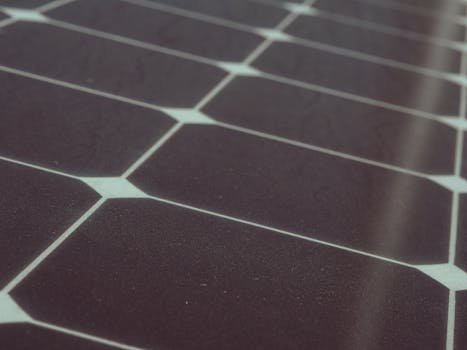
Detailed view of solar panel cells for alternative energy generation and innovation in technology. Photo: Kindel Media / Pexels
The landscape of renewable energy adoption in the United States has been dramatically reshaped by innovative financing mechanisms, and among the most impactful is the Power Purchase Agreement (PPA) for solar. A power purchase agreement solar model is essentially a financial arrangement where a third-party developer owns, operates, and maintains a solar photovoltaic (PV) system, typically installed on a customer's property, and the customer agrees to purchase the system's electric output for a predetermined period. This model has democratized access to solar energy, making it feasible for a broader range of entities, from homeowners and small businesses to large corporations and municipalities, to harness the power of the sun without the significant upfront capital investment traditionally associated with solar ownership. In the US, the power purchase agreement solar structure has flourished due to several factors, including federal and state incentives, declining solar technology costs, and a growing desire for energy independence and sustainability. For the host customer, the primary allure of a PPA lies in its simplicity and financial predictability. Instead of buying and owning a complex solar system, which entails substantial initial costs, the customer becomes a consumer of clean electricity at a locked-in or incrementally escalating rate, often lower than prevailing utility prices. This not only translates into immediate savings on electricity bills but also provides a hedge against volatile energy markets. The developer, on the other hand, benefits from predictable revenue streams over the long term, often leveraging tax credits, depreciation benefits, and other incentives that are more accessible to large-scale investors. This division of responsibilities is a cornerstone of the PPA model. The developer assumes all the technical and financial risks associated with the system's performance, maintenance, and regulatory compliance. This includes everything from the initial design and permitting to ongoing monitoring, repairs, and even insurance. For many organizations, particularly those without in-house expertise in solar technology or the capital for large infrastructure projects, offloading these responsibilities is a massive advantage. It allows them to focus on their core business operations while still benefiting from sustainable energy. The contract terms for a power purchase agreement solar typically range from 15 to 25 years, providing long-term price stability and environmental benefits. At the end of the term, customers often have options to extend the PPA, purchase the system outright, or have the system removed. This flexibility, combined with the zero-down aspect, makes PPAs a compelling option for many seeking to transition to renewable energy. The growth of the PPA market is a testament to its effectiveness in accelerating solar deployment across diverse sectors in the United States, driving down carbon emissions and fostering local economic development.

The Unbeatable Benefits of Opting for a Solar PPA
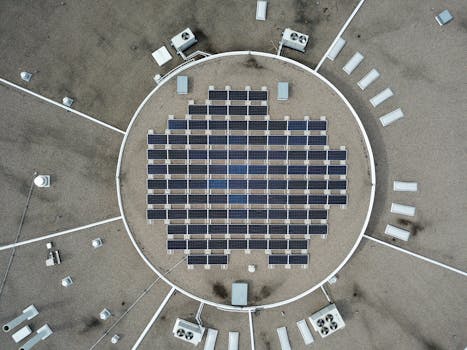
Aerial photo of a solar panel grid on a rooftop, maximizing renewable energy. Photo: Giant Asparagus / Pexels
Choosing a power purchase agreement solar model offers a compelling suite of advantages that address common barriers to solar adoption, making it an attractive option for a wide array of energy consumers. Perhaps the most significant benefit is the elimination of upfront capital costs. Traditional solar ownership requires a substantial initial investment for equipment, installation, and associated soft costs. For many businesses and institutions, this capital outlay can be prohibitive, diverting funds from core operations or other critical investments. With a PPA, the solar developer shoulders these expenses entirely, allowing the customer to transition to solar power without any initial financial burden. This 'zero-down' approach dramatically lowers the entry barrier to renewable energy, making it accessible to organizations that might otherwise be unable to afford it. Beyond cost avoidance, PPAs deliver predictable energy expenses. Utility rates are notoriously volatile, subject to fluctuations based on fuel costs, grid infrastructure investments, and regulatory changes. A power purchase agreement solar typically locks in an electricity rate for the duration of the contract, often at a rate lower than the prevailing utility rate. This predictability allows businesses to forecast their energy expenditures with greater accuracy, simplifying budgeting and mitigating the risk of unexpected cost spikes. Over a 15 to 25-year contract term, these savings can accumulate significantly, directly impacting the bottom line. Some PPAs include a modest annual escalator, but even with this, the rate remains competitive and predictable compared to traditional utility bills. Another major advantage is the complete transfer of operational and maintenance responsibilities. When you own a solar system, you are responsible for its performance, cleaning, repairs, and insurance. This requires expertise, time, and additional financial resources. Under a power purchase agreement solar, the developer is fully responsible for all aspects of the system's operation and maintenance (O&M). This includes monitoring performance, undertaking necessary repairs, cleaning panels, and ensuring the system operates at peak efficiency. This hands-off approach is invaluable for customers who lack the technical staff or desire to manage a complex energy asset. It ensures that the system is always performing optimally, maximizing energy production and the customer's savings, without any additional effort or cost on their part. Furthermore, embracing a PPA allows organizations to enhance their sustainability profile and achieve environmental goals. By utilizing clean, renewable energy, customers reduce their carbon footprint, demonstrating a commitment to environmental stewardship. This can improve public perception, attract environmentally conscious customers and employees, and meet corporate social responsibility objectives. In many cases, it also provides access to green energy without the administrative burden of claiming renewable energy credits (RECs), as these are often retained by the PPA provider to monetize the environmental attributes. The combination of financial savings, operational simplicity, and environmental benefits makes the power purchase agreement solar an exceptionally powerful tool for sustainable energy adoption.

Navigating the Nuances: Key Considerations for Your Solar PPA

Detailed view of solar panel cells for alternative energy generation and innovation in technology. Photo: Kindel Media / Pexels
While the power purchase agreement solar model offers numerous advantages, entering into one requires careful consideration of several key factors to ensure it aligns with your specific energy needs and financial objectives. One of the most crucial aspects is the PPA rate structure. PPAs can have fixed rates, meaning the price per kilowatt-hour (kWh) remains constant throughout the contract, or escalating rates, where the price increases by a small percentage annually. Fixed rates offer maximum predictability, while escalating rates might start lower but could eventually surpass utility rates depending on market conditions. Understanding the proposed rate and comparing it against your current and projected utility costs is essential. It's also vital to scrutinize any minimum purchase requirements or demand charges that might be embedded in the agreement, as these can impact overall savings. Contract length is another significant consideration. Power purchase agreement solar contracts typically range from 15 to 25 years. A longer contract often means lower initial rates and greater long-term savings predictability, but it also represents a longer commitment. Assess your organization's long-term plans, including property ownership and energy needs, before committing to a lengthy term. The end-of-term options are equally important. What happens when the PPA expires? Common options include extending the agreement, purchasing the system at fair market value (or a pre-determined price), or having the developer remove the system. Understanding these options upfront provides clarity and helps in future planning, ensuring a smooth transition or continued benefit from the solar asset. The reputation and financial stability of the PPA provider are paramount. You are entering into a long-term relationship, so you want to ensure the developer has a proven track record of successful installations, reliable system performance, and excellent customer service. Researching their past projects, checking references, and assessing their financial health can mitigate risks. A financially sound developer is better equipped to honor maintenance agreements and ensure the system's longevity. Furthermore, understanding the performance guarantees included in the power purchase agreement solar is critical. What happens if the system doesn't produce the promised amount of electricity? Reputable PPAs will include performance guarantees with clear remedies, such as credits or payments, if the system underperforms due to factors within the developer's control. Lastly, ensure you understand the interaction of the solar PPA with existing utility agreements and any local or state regulations. Some utilities have specific interconnection requirements or fees for third-party-owned solar systems. Your legal team should review the PPA thoroughly, paying close attention to termination clauses, liability provisions, and insurance requirements. Understanding these intricate details will help you make an informed decision and maximize the long-term benefits of your solar investment without the ownership burden.

Avoiding Common Pitfalls and Maximizing Your PPA Solar Savings

Real estate agent explaining home inspection checklist to clients in an office setting. Photo: RDNE Stock project / Pexels
While power purchase agreement solar offers significant advantages, being aware of potential pitfalls and implementing strategic considerations can further maximize your savings and ensure a smooth experience. One common mistake is not thoroughly comparing multiple PPA offers. Just as with any major service, different providers will offer varying rates, contract terms, performance guarantees, and levels of customer service. Obtaining quotes from at least three reputable solar PPA developers allows you to benchmark offers, negotiate better terms, and identify the most favorable agreement for your specific needs. Don't simply opt for the lowest per-kWh rate without considering the full package. Another pitfall is overlooking the fine print regarding annual escalators. While a low starting rate is attractive, a high annual escalator (e.g., 2.9% or more) can erode savings over a 20-year term, potentially making the PPA more expensive than utility power in later years. Always perform a detailed financial analysis of the total cost over the entire contract length, factoring in any escalators, and compare it against projected utility rate increases. A PPA with a slightly higher starting rate but a lower or no escalator might be more financially beneficial in the long run. **Tips for Maximizing PPA Solar Savings:** * **Optimize Energy Efficiency First:** Before installing solar, invest in energy efficiency upgrades (e.g., LED lighting, improved insulation, efficient HVAC). Reducing your overall energy consumption means you'll need a smaller, less costly solar system, leading to greater PPA savings. * **Understand Your Usage Profile:** A PPA's value is directly tied to your energy consumption. Ensure the system is sized appropriately for your actual energy needs, not just historical averages. Over-sizing can lead to purchasing more solar energy than you need, while under-sizing limits potential savings. * **Negotiate End-of-Term Options:** Don't wait until the last minute to consider what happens at the end of your PPA. Negotiate favorable purchase options (e.g., a fixed purchase price or fair market value with clear valuation methods) or removal clauses during the initial contract signing. * **Review Performance Guarantees:** Ensure the PPA includes robust performance guarantees that outline consequences if the system underperforms due to developer fault. This protects your expected savings. * **Legal Review is Crucial:** Always have legal counsel review the PPA document. An attorney experienced in energy contracts can identify unfavorable clauses, clarify ambiguities, and ensure your interests are protected throughout the long-term agreement. * **Monitor System Performance:** While the developer handles O&M, you should still have access to monitoring data. Periodically review the system's output to ensure it aligns with expectations and guarantees. This proactive approach helps identify and address any issues promptly. By diligently reviewing contracts, understanding financial implications, and implementing these strategic tips, you can significantly enhance the benefits derived from your power purchase agreement solar and make a truly impactful investment in sustainable energy.

Comparison

FeatureSolar PPASolar Loan (Ownership)Cash Purchase (Ownership)
Upfront CostNoneLow to None (depending on loan terms)High
System OwnershipDeveloperCustomerCustomer
Maintenance & RepairDeveloper ResponsibleCustomer ResponsibleCustomer Responsible
Energy Bill SavingsImmediate, Predictable RateImmediate, Variable Rate (post-loan)Immediate, Max Savings
Tax Incentives (ITC, etc.)Developer BenefitsCustomer BenefitsCustomer Benefits
Property Value IncreasePotential, but less directSignificantSignificant
Ease of AdoptionVery HighModerateLow

What Readers Say

"Our business switched to a power purchase agreement solar, and it's been fantastic. No upfront costs, and our monthly electricity bill is noticeably lower and more predictable. The whole process was seamless from start to finish."

Sarah J. · Austin, TX

"As a non-profit, capital investment is always a challenge. The power purchase agreement solar allowed us to go green without spending a dime upfront, and we're now saving hundreds on our energy costs every month. Highly recommend this model."

Mark L. · Phoenix, AZ

"We reduced our utility bill by 30% within the first year thanks to our power purchase agreement solar. The provider handles everything, so we literally haven't had to think about maintenance or performance, just enjoying the savings."

Erica R. · Denver, CO

"The power purchase agreement solar has been great for our manufacturing facility. We appreciate the stable rates and not having to worry about system upkeep. My only minor critique is understanding the annual escalator, but overall, it's a solid financial decision."

David K. · Sacramento, CA

"Our school district used a power purchase agreement solar for our new campus, and it's been a game-changer. We're teaching students about sustainability daily while saving taxpayer money on electricity. It's a win-win for everyone involved."

Maria P. · Orlando, FL

Frequently Asked Questions

What is a power purchase agreement solar (PPA)?

A Power Purchase Agreement (PPA) solar is a financing arrangement where a third-party developer owns, operates, and maintains a solar energy system on a customer's property. The customer then purchases the generated electricity from the developer at a predetermined rate, typically lower than utility rates, avoiding any upfront costs for the solar equipment or installation.

Will a solar PPA really save me money?

Yes, a solar PPA is designed to save you money on your electricity bills. By securing a fixed or incrementally escalating rate for solar energy, you can hedge against rising utility costs. While the exact savings depend on your current utility rates, consumption, and PPA terms, most customers experience immediate and long-term reductions in their energy expenses.

How do I choose the right PPA provider?

To choose the right PPA provider, compare offers from multiple reputable companies. Look for transparent pricing, clear contract terms (including escalators and end-of-term options), strong performance guarantees, and a solid track record of customer service and successful installations. It's also advisable to have a legal professional review the contract.

What are the typical costs involved with a solar PPA?

The primary cost involved with a solar PPA is the monthly payment for the electricity generated by the solar system, billed at the agreed-upon per-kilowatt-hour rate. There are typically no upfront costs for equipment, installation, or maintenance. Some PPAs may include minimum purchase clauses or demand charges, which should be clearly outlined in the agreement.

How does a solar PPA compare to buying or leasing solar panels?

A solar PPA differs from buying or leasing in ownership and responsibility. With a PPA, a third party owns the system, and you pay for the energy it produces, with no upfront cost or maintenance burden. Buying means you own the system, pay upfront or via loan, and get all incentives and maintenance responsibility. Leasing means you pay a fixed monthly fee for the system, but don't own it or the energy it generates, and typically don't receive incentives.

Who should consider a power purchase agreement solar?

A power purchase agreement solar is ideal for businesses, non-profits, schools, and even large residential properties that want to go solar without the upfront capital investment, desire predictable energy costs, and prefer to avoid the responsibilities of system ownership and maintenance. It's a great option for organizations focused on their core operations while still wanting to embrace clean energy.

Are there any risks associated with a solar PPA?

While generally low-risk for the customer, potential risks include being locked into a long-term contract with potentially less favorable rates compared to future market prices, or issues if the PPA provider goes out of business. Mitigate these by choosing a financially stable provider, thoroughly reviewing contract terms, and understanding end-of-term options and performance guarantees.

What is the future outlook for power purchase agreement solar in the US?

The future outlook for power purchase agreement solar in the US is strong and continues to grow. With ongoing advancements in solar technology, declining costs, and increasing demand for sustainable energy solutions, PPAs are expected to remain a popular and accessible financing mechanism, driving further expansion of solar energy adoption across all sectors.

Ready to harness the power of the sun without the upfront investment? Explore how a Power Purchase Agreement Solar can transform your energy consumption, reduce costs, and propel your organization towards a sustainable future. Contact a reputable solar PPA provider today to get a customized assessment and unlock your savings potential.

Topics: power purchase agreement solarsolar PPAcommercial solar financingrenewable energy savingssolar energy contracts
Leo List

IE Escorts NO Escorts US Escorts NZ Escorts AU Escorts
Brampton weed
Adultwork EstrelaBet Vai de Bet R7 Bet Betão Galera Bet Rainbet Bet9ja Shop SportyBet BetKing Sisal Loto Foot Hollywoodbets YesPlay Odibets RushBet Jugabet BetWarrior BetCity MSport betPawa Fortebet