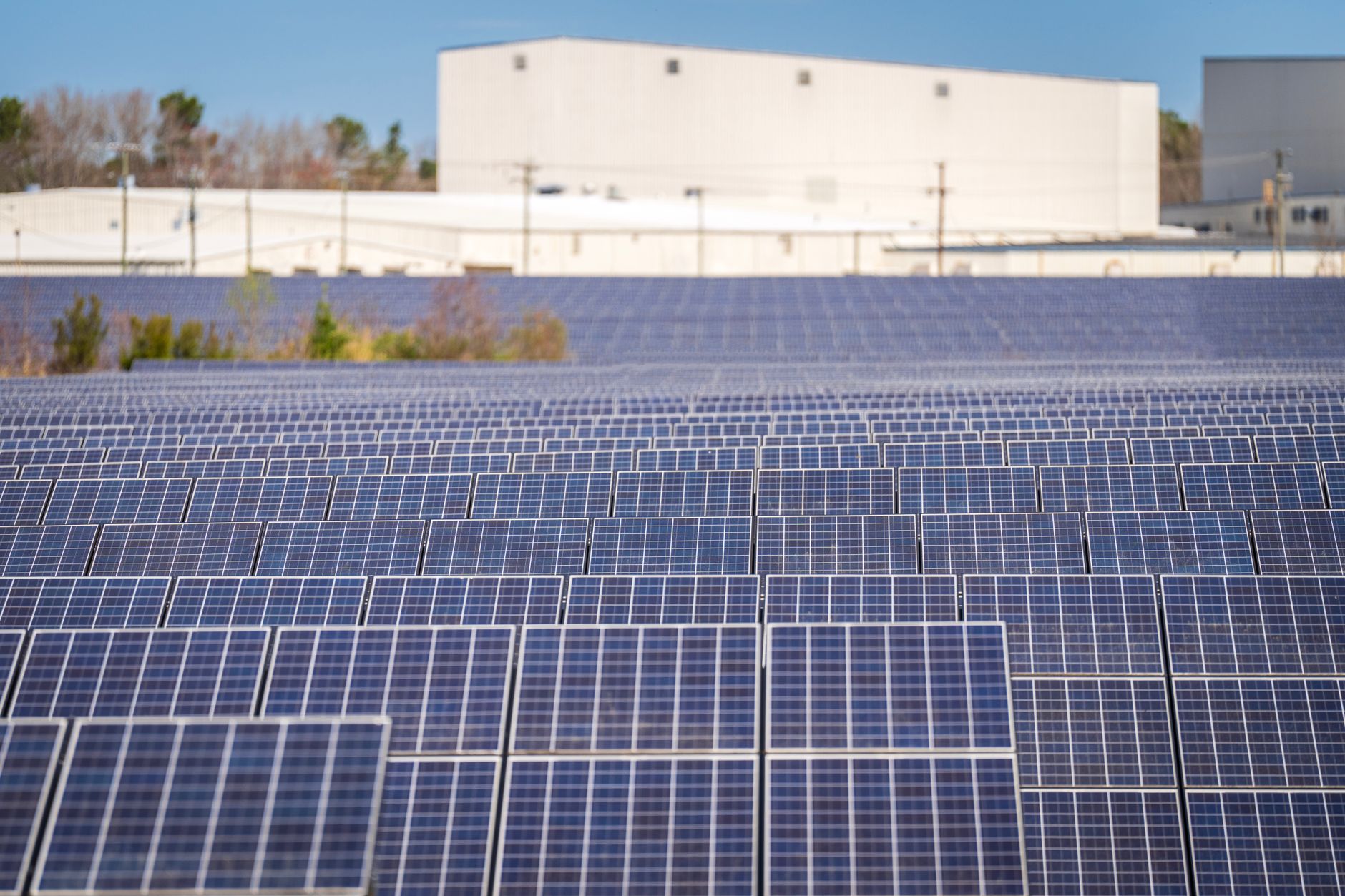
Navigating the Future of Energy Sources in the US
future of energy sources

Navigating the Future of Energy Sources in the US

Uncover the groundbreaking technologies and policies shaping America's energy landscape for a sustainable tomorrow.

Discover Your Energy Future

Key Takeaways

  • ✓ Renewable energy is projected to become the primary source of US electricity generation by 2030.
  • ✓ Battery storage technology is critical for integrating intermittent renewable sources like solar and wind.
  • ✓ Advanced nuclear reactors, including Small Modular Reactors (SMRs), are poised for a resurgence as a clean, baseload power.
  • ✓ Hydrogen is emerging as a versatile energy carrier for transportation, industry, and long-duration storage.

How It Works

1
Decarbonization Imperative

The global push to reduce greenhouse gas emissions is driving a rapid shift away from fossil fuels. This necessitates a complete overhaul of our energy infrastructure and consumption patterns.

2
Technological Advancements

Breakthroughs in solar panel efficiency, wind turbine design, battery storage, and smart grid systems are making clean energy more viable and cost-effective. Innovation is accelerating at an unprecedented pace.

3
Policy & Investment

Government incentives, regulations, and significant private sector investments are channeling resources into renewable energy projects and research. This creates a supportive environment for growth and deployment.

4
Grid Modernization

Integrating diverse and distributed energy sources requires a resilient, intelligent, and flexible electricity grid. Smart grid technologies, demand response, and microgrids are essential components of this evolution.

The Shifting Landscape of US Energy Production
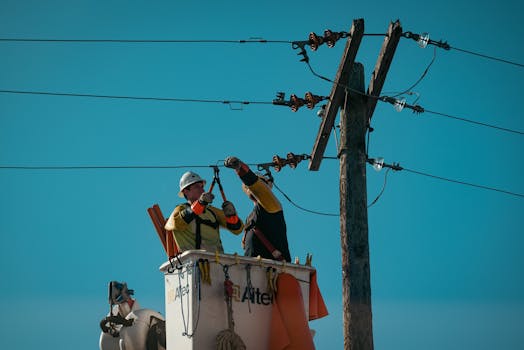
Electricians in safety gear working on power lines in bright daylight. Energy industry focus. Photo: Chris F / Pexels
The United States is on the precipice of a profound energy transformation, moving away from a fossil fuel-dominated past towards a diversified, cleaner, and more resilient energy future. This shift is not merely an environmental imperative but an economic opportunity, driven by technological advancements, evolving policy landscapes, and increasing public demand for sustainable solutions. For decades, coal, natural gas, and oil have formed the bedrock of American energy production. However, concerns about climate change, energy security, and the volatility of fossil fuel markets have spurred a vigorous pursuit of alternatives. The energy transition is accelerating, with significant implications for consumers, industries, and the global climate. Renewable energy sources, particularly solar and wind, have experienced exponential growth in the last decade, driven by plummeting costs and improved efficiency. These intermittent sources, however, present unique challenges for grid stability and reliability. This has led to a parallel focus on energy storage solutions, smart grid technologies, and baseload clean power options like advanced nuclear. Beyond electricity generation, the future of energy sources also encompasses decarbonizing transportation, industrial processes, and heating. This broader scope involves exploring alternative fuels like green hydrogen, sustainable biofuels, and electrification across various sectors. The scale of this transformation is immense, requiring unprecedented investment in infrastructure, research and development, and workforce training. Furthermore, the US energy landscape is highly regional, with different states and localities possessing unique resource endowments and regulatory environments. This necessitates a flexible and adaptive approach to energy planning, ensuring that solutions are tailored to local needs while contributing to national goals. The pursuit of energy independence and security remains a guiding principle, but it is now intertwined with the imperative of environmental stewardship. This section will delve into the current state of play, highlighting the decline of traditional energy sources and the ascendance of new paradigms, setting the stage for a deeper exploration of specific technologies that will define the coming decades. Understanding these foundational shifts is crucial for anyone seeking to comprehend the trajectory of energy in the United States and its global implications. The interplay between policy, innovation, and market forces will ultimately determine the pace and success of this monumental undertaking. The US is not just observing this global shift; it is actively shaping it through its own policies, research, and industrial capacity, aiming to maintain its position as a leader in energy innovation and deployment.

Renewable Energy: Solar, Wind, and Hydropower's Expanding Role
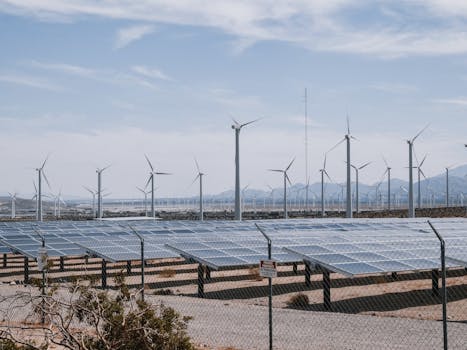
A renewable energy farm with wind turbines and solar panels under a clear sky. Photo: Kindel Media / Pexels
Renewable energy sources are no longer niche alternatives; they are mainstream power generators, rapidly becoming the most cost-effective options for new electricity generation in many parts of the US. Solar photovoltaic (PV) technology, in particular, has seen remarkable cost reductions and efficiency gains. From large-scale utility solar farms stretching across deserts to rooftop panels on residential homes, solar energy is becoming ubiquitous. Innovations in bifacial panels, which capture sunlight from both sides, and perovskite solar cells, promising even higher efficiencies, continue to push the boundaries of what's possible. The integration of solar with battery storage is overcoming the challenge of intermittency, allowing energy generated during the day to be used at night or during peak demand periods. Wind power has also undergone a dramatic evolution. Modern wind turbines are taller, more powerful, and more efficient, capable of harnessing stronger winds at higher altitudes. Offshore wind farms, capitalizing on consistent coastal winds, represent a massive untapped resource for the US, particularly along the East and West coasts. Projects like Vineyard Wind 1 are pioneering this sector, promising clean energy to millions of homes. However, challenges remain, including transmission infrastructure development to bring power from remote wind farms to population centers, and environmental considerations for wildlife. Hydropower, a long-standing renewable energy source, continues to provide reliable baseload power. While new large-scale dam projects are rare due to environmental impacts, efforts are focused on upgrading existing facilities and developing small-scale hydro and pumped-hydro storage solutions. Geothermal energy, harnessing the Earth's internal heat, offers another continuous, clean power source, particularly in geologically active regions. Advancements in enhanced geothermal systems (EGS) aim to unlock this potential in broader areas. The growth of renewables is not just about environmental benefits; it's also about energy independence and economic development. The renewable energy sector is creating millions of jobs in manufacturing, installation, and maintenance, contributing significantly to local economies. Furthermore, the decentralized nature of some renewable installations can enhance grid resilience against disruptions. As these technologies mature, their integration into a unified, smart grid becomes paramount, requiring sophisticated energy management systems and demand-side response mechanisms to balance supply and demand effectively. The future of energy sources in the US is inextricably linked to the continued expansion and refinement of these vital renewable technologies, forming the backbone of a sustainable energy system.

Beyond Renewables: Nuclear, Hydrogen, and Advanced Storage
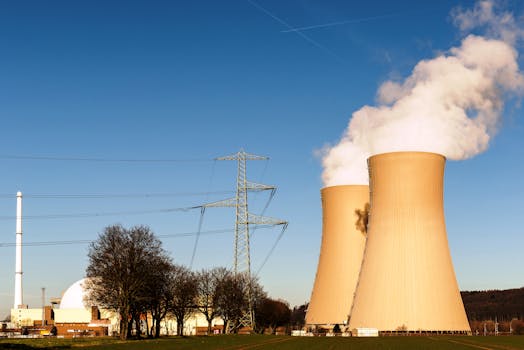
A nuclear power plant in Hameln, Germany, showcasing cooling towers and electricity pylons. Photo: Wolfgang Weiser / Pexels
While solar and wind are leading the charge, the future of energy sources in the US is far more diverse, incorporating advanced nuclear power, the burgeoning hydrogen economy, and revolutionary energy storage solutions. These technologies are crucial for achieving a fully decarbonized and resilient energy system. Advanced nuclear technology, particularly Small Modular Reactors (SMRs), is experiencing a renaissance. Unlike traditional large-scale nuclear plants, SMRs are smaller, can be factory-built, and are designed with enhanced safety features, including passive cooling. Their modular nature allows for flexible deployment, potentially in remote locations or to replace retiring fossil fuel plants. SMRs offer a reliable, carbon-free, baseload power source that can complement intermittent renewables, providing grid stability and reducing reliance on natural gas peaker plants. Companies like NuScale Power are at the forefront of this innovation, with the first SMR designs nearing commercial deployment. The potential of hydrogen as a clean energy carrier is immense. 'Green hydrogen,' produced by electrolyzing water using renewable electricity, offers a pathway to decarbonize hard-to-abate sectors like heavy industry (steel, cement), long-haul transportation (trucking, shipping, aviation), and grid-scale energy storage. When hydrogen is combusted or used in fuel cells, its only byproduct is water, making it an exceptionally clean fuel. The US Department of Energy's 'Hydrogen Shot' initiative aims to reduce the cost of clean hydrogen significantly, accelerating its adoption. Challenges include developing efficient production methods, establishing robust distribution infrastructure, and reducing costs across the entire value chain. Energy storage is the lynchpin for a renewable-dominated grid. While lithium-ion batteries are excellent for short to medium-duration storage, research is intensifying on long-duration storage solutions. These include flow batteries, which store energy in liquid electrolytes; compressed air energy storage (CAES); and gravity-based systems. These technologies are vital for balancing seasonal fluctuations in renewable output and ensuring grid reliability over extended periods. Furthermore, vehicle-to-grid (V2G) technology, where electric vehicles (EVs) can feed power back into the grid, represents a massive distributed storage potential. The convergence of these diverse technologies – reliable nuclear, versatile hydrogen, and advanced storage – will create a robust, multifaceted energy ecosystem. This integrated approach is essential for achieving net-zero emissions while ensuring energy security and economic competitiveness. The transition is complex, but the array of innovations in these sectors provides optimism for a truly sustainable sustainable energy future.

Challenges and Opportunities: Navigating the Energy Transition
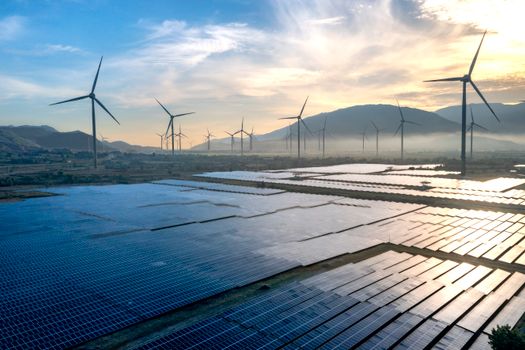
Scenic view of wind turbines and solar panels in Ninh Thuan, Vietnam, capturing sustainable energy efforts. Photo: Quang Nguyen Vinh / Pexels
The transition to a cleaner energy future, while promising, is fraught with significant challenges that require strategic planning and innovative solutions. Understanding these hurdles is critical for effectively navigating the path ahead. One of the primary challenges is the sheer scale of infrastructure transformation required. Our existing grid was built for centralized fossil fuel generation, not for distributed, intermittent renewables. Modernizing the grid to be smarter, more resilient, and capable of handling two-way power flow from diverse sources demands massive investment and complex engineering. Transmission lines need upgrades and expansion to carry renewable energy from remote generation sites to urban load centers. Permitting processes for new infrastructure can be lengthy and contentious, slowing deployment. Another significant hurdle is energy storage. While battery costs are falling, achieving truly long-duration, cost-effective storage for seasonal variations or extended periods of low renewable output remains an active area of research and development. Without sufficient storage, reliance on natural gas as a 'bridge fuel' will persist, hindering full decarbonization. The economic and social impacts of phasing out fossil fuels also present complex challenges. Communities historically reliant on coal mining or oil and gas production face job losses and economic dislocation. A just transition requires comprehensive workforce retraining programs, economic diversification initiatives, and support for affected communities. This ensures that the benefits of the clean energy transition are broadly shared and that no one is left behind. Furthermore, raw material supply chains for renewable technologies and batteries are a growing concern. The extraction and processing of critical minerals like lithium, cobalt, and rare earth elements raise environmental and geopolitical questions. Diversifying supply chains, promoting recycling, and developing alternative materials are essential for long-term sustainability. Despite these challenges, each presents a corresponding opportunity. The need for grid modernization fuels innovation in smart grid technologies, cybersecurity, and energy management systems. The demand for storage drives breakthroughs in battery chemistry and alternative storage solutions. The just transition creates opportunities for new industries and skilled jobs in the clean energy sector. Finally, the US has the opportunity to lead globally in developing and exporting these cutting-edge energy technologies, fostering economic growth and enhancing its geopolitical influence. Embracing these challenges proactively, with a focus on innovation, equity, and strategic investment, will be paramount to realizing the full potential of the future of energy sources in the United States. It's a complex journey, but one that promises a more sustainable and prosperous future.

Comparison

FeatureSolar PVWind PowerAdvanced NuclearGreen Hydrogen
Carbon EmissionsVery LowVery LowVery LowZero (at point of use)
IntermittencyHigh (day/night)High (wind speed)Low (baseload)Low (storage/on-demand)
Land Use IntensityModerateModerate to HighLowLow (for production facilities)
Cost TrendDeclining RapidlyDeclining RapidlyStable/DecliningDeclining (with scale)
Grid ContributionDistributed/PeakingBaseload/DistributedBaseloadFlexible/Storage

What Readers Say

"This article provided an incredibly comprehensive look into where our energy is headed. I particularly appreciated the detailed breakdown of advanced nuclear and hydrogen's potential. It's clear the future of energy sources is brighter than I imagined."

Sarah Chen · Austin, TX

"As someone in the energy sector, this piece offered excellent insights into the integration challenges of renewables and the solutions being developed. The discussion on grid modernization and storage was spot on."

Mark Johnson · Denver, CO

"I was overwhelmed by all the news about energy, but this article made the future of energy sources understandable and exciting. I now feel much more informed about clean energy and its role in our country's future."

Emily Rodriguez · Boston, MA

"A very thorough overview, though I would have liked a bit more emphasis on the role of energy efficiency and demand-side management. Still, a highly valuable read for anyone interested in sustainable power."

David Lee · San Francisco, CA

"Working in manufacturing, I'm keenly aware of the need for clean industrial processes. The section on green hydrogen was particularly relevant to my work, highlighting how it could revolutionize heavy industry."

Jessica Kim · Detroit, MI

Frequently Asked Questions

What are the most promising future of energy sources for the US?

The most promising future energy sources for the US include advanced solar and wind power, enhanced with sophisticated battery and long-duration storage systems. Additionally, advanced nuclear technologies like Small Modular Reactors (SMRs) and green hydrogen are poised to play critical roles in providing baseload power and decarbonizing hard-to-abate sectors.

Will the US grid be able to handle a large increase in renewable energy?

Yes, but it requires significant investment and modernization. The current grid needs to be upgraded with smart grid technologies, expanded transmission capacity, and robust energy storage solutions to effectively integrate intermittent renewable sources and ensure reliability. This transformation is already underway with various federal and private initiatives.

How can I personally contribute to the future of energy sources?

You can contribute by reducing your personal energy consumption, adopting energy-efficient appliances, considering rooftop solar if feasible, switching to an electric vehicle, and advocating for clean energy policies in your community. Supporting companies and products that prioritize sustainable energy practices also makes a difference.

What is the cost implication of transitioning to new energy sources?

While the initial investment in new energy infrastructure can be substantial, the long-term benefits include reduced operating costs, stable energy prices (less susceptible to fossil fuel volatility), improved public health, and job creation in new industries. The costs of renewables have fallen dramatically, making them increasingly competitive with traditional fuels.

How do new energy sources compare to fossil fuels in terms of reliability?

Traditional fossil fuels offer dispatchable power, meaning they can be turned on or off as needed. New energy sources like solar and wind are intermittent. However, combining them with advanced energy storage, smart grid technology, and reliable baseload sources like advanced nuclear or geothermal creates a highly reliable and resilient energy system, often surpassing the reliability of older, centralized fossil fuel plants.

Who stands to benefit most from the future of energy sources?

Everyone stands to benefit from a cleaner, more stable energy future through improved air quality, reduced climate impacts, and enhanced energy security. Specific beneficiaries include consumers through potentially lower and more stable energy bills, new industries and workers in the clean energy sector, and communities gaining economic development opportunities.

Are there any safety concerns with advanced nuclear reactors?

Advanced nuclear reactors, particularly SMRs, are designed with significantly enhanced safety features compared to older designs. Many incorporate passive safety systems that rely on natural forces like gravity or convection to prevent accidents, even in the event of power loss, making them inherently safer and reducing the risk of human error.

What major trends will shape the future of energy sources in the next decade?

The next decade will be shaped by rapid advancements in battery and long-duration storage, the scaling up of green hydrogen production and infrastructure, increased deployment of offshore wind, the commercialization of SMRs, and widespread adoption of smart grid technologies and artificial intelligence for energy management. Electrification of transportation and heating will also accelerate significantly.

The future of energy sources in the US is dynamic, innovative, and brimming with potential. By understanding these shifts and supporting sustainable practices, you can play a vital role in shaping a cleaner, more resilient energy landscape for generations to come. Explore these possibilities and become an informed participant in America's energy evolution.

Topics: future of energy sourcesrenewable energy USenergy transitionsustainable powerclean energy innovation
Leo List

DK Escorts LU Escorts AT Escorts SE Escorts FI Escorts CH Escorts DE Escorts HR Escorts IE Escorts GR Escorts CZ Escorts NO Escorts BE Escorts FR Escorts SI Escorts IL Escorts NL Escorts PL Escorts HU Escorts ES Escorts IT Escorts PT Escorts SK Escorts RO Escorts ZA Escorts UY Escorts US Escorts UK Escorts NZ Escorts AU Escorts
Brampton weed
Adultwork EstrelaBet Vai de Bet R7 Bet Betão Galera Bet Rainbet Bet9ja Shop SportyBet BetKing Sisal Loto Foot Hollywoodbets YesPlay Odibets RushBet Jugabet BetWarrior BetCity MSport betPawa Fortebet