Unlock Savings: Understanding Your Install Smart Thermostat Cost
install smart thermostat cost

Unlock Savings: Understanding Your Install Smart Thermostat Cost

Investing in a smart thermostat is a smart move for energy efficiency and comfort, and understanding the costs is your first step.

Calculate Your Savings

Key Takeaways

  • ✓ Average smart thermostat unit cost ranges from $100 to $300.
  • ✓ Professional installation adds $100 to $250 to the total cost.
  • ✓ Potential energy savings can be 10-15% annually, offsetting installation costs within 1-2 years.
  • ✓ Many utility companies offer rebates for smart thermostat installation.

How It Works

1
Choose Your Smart Thermostat

Research different brands and models (e.g., Nest, Ecobee, Honeywell) based on features, compatibility, and your budget. Consider features like learning capabilities, zone control, and smart home integration.

2
Assess Installation Complexity

Determine if your existing wiring (C-wire) is compatible or if an adapter is needed. Simple replacements often allow for DIY, while complex systems may require professional help.

3
Professional vs. DIY Installation

Decide whether to tackle the installation yourself or hire a licensed HVAC technician. DIY can save money but requires careful attention to instructions and electrical safety.

4
Configure and Optimize

Once installed, connect your smart thermostat to your home Wi-Fi and set up schedules, preferences, and geofencing. Monitor energy usage and fine-tune settings for maximum savings and comfort.

Understanding the Smart Thermostat Installation Price Landscape
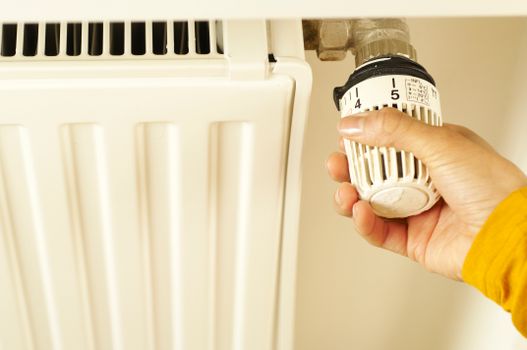
Close-up of hand adjusting radiator thermostat to control home heating temperature. Photo: BOOM 💥 Photography / Pexels
When considering the upgrade to a smart thermostat, one of the first questions homeowners ask is, "What will the install smart thermostat cost?" This isn't a simple, single number, as several factors influence the final price tag. Broadly speaking, the total cost can be broken down into two main components: the cost of the smart thermostat unit itself and the cost of installation. Smart thermostat units vary widely in price, typically ranging from $100 for more basic models to $300 or even $400 for advanced, feature-rich devices. Brands like Nest, Ecobee, Honeywell, and Sensi offer a spectrum of options, each with unique capabilities such as learning algorithms, remote access, geofencing, and integration with other smart home systems. The choice of thermostat will significantly impact your initial outlay. Beyond the unit, installation costs can fluctuate based on whether you opt for a DIY approach or professional help. A professional installation by a licensed HVAC technician or electrician usually costs between $100 and $250. This fee covers labor, ensuring correct wiring, compatibility checks, and initial setup. While this adds to the immediate expense, it can prevent costly mistakes and ensure optimal performance, especially for older or more complex HVAC systems. For example, if your current system lacks a common wire (C-wire), a professional might need to install one, which adds to the labor and material costs. Understanding these variables is crucial for budgeting and making an informed decision. Furthermore, it's worth investigating potential rebates. Many utility companies across the U.S. offer incentives, often ranging from $50 to $100, for installing ENERGY STAR certified smart thermostats. These rebates can significantly reduce your effective install smart thermostat cost, making the upgrade even more financially attractive. Checking with your local energy provider is a highly recommended step before purchase. The long-term savings on energy bills often outweigh the upfront investment, making a smart thermostat a wise decision for many homeowners looking to improve their home's energy efficiency and comfort. It's not just about the price today, but the value it delivers over time.

Factors Influencing Your Smart Thermostat Cost and Savings
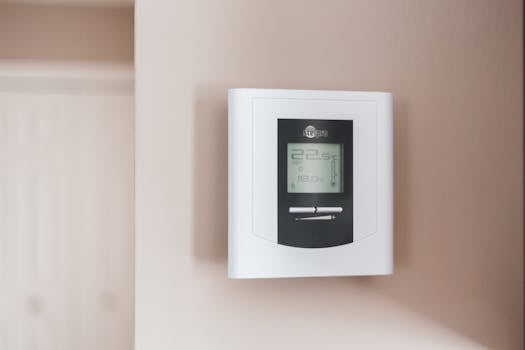
Close-up of a modern digital thermostat mounted on a wall, displaying temperature settings in Celsius. Photo: Erik Mclean / Pexels
Several key factors contribute to the overall install smart thermostat cost and, more importantly, dictate the potential for long-term savings. The type of HVAC system you have is a major consideration. Older, more complex systems, such as those with multiple zones or proprietary wiring, might require more intricate installation, potentially increasing labor costs. Conventional single-stage heating and cooling systems are generally simpler to upgrade. Another critical factor is the presence of a C-wire (common wire). Smart thermostats require continuous power, which the C-wire provides. If your existing thermostat wiring doesn't include a C-wire, a professional installer might need to run new wiring or install a power extender kit, which can add to the installation time and cost. Some smart thermostats are designed to work without a C-wire, using battery power or power stealing, but their performance can sometimes be less reliable or require more frequent battery changes. The brand and model of the smart thermostat itself play a significant role. High-end models from companies like Ecobee or Nest often come with advanced features such as occupancy sensors, humidity control, air quality monitoring, and integration with voice assistants (Alexa, Google Assistant), which justify their higher price point. These features, while increasing the initial install smart thermostat cost, can also lead to more precise temperature control and greater energy savings. For instance, a thermostat that learns your schedule and preferences can optimize heating and cooling more effectively than a basic programmable model. The complexity of your home's layout also influences potential savings. Homes with multiple zones benefit significantly from smart thermostats that can control each zone independently, preventing wasteful heating or cooling of unoccupied areas. This level of granular control, while potentially increasing the initial setup complexity and thus the install smart thermostat cost for multi-zone systems, offers substantial long-term savings. Finally, geographic location and local utility rates heavily impact how quickly you recoup your investment. In regions with higher electricity or gas prices, the energy savings generated by a smart thermostat will be more pronounced, leading to a faster return on investment. Many smart thermostats provide detailed energy usage reports, allowing homeowners to track their savings and adjust settings for optimal efficiency. This transparency empowers users to make smarter energy choices, further reducing their overall energy footprint and reinforcing the value of the initial install smart thermostat cost.

DIY vs. Professional Installation: Weighing Your Options for Smart Thermostat Setup

An electrician with curly hair adjusts an outlet indoors, smiling as he works. Photo: Anastasia Shuraeva / Pexels
Deciding between a do-it-yourself (DIY) installation and hiring a professional is a pivotal choice that directly impacts your overall install smart thermostat cost. For many homeowners, the allure of saving money on labor makes DIY an attractive option. Modern smart thermostats are often designed with user-friendly instructions and step-by-step guides, making the process seem straightforward. If you have basic electrical knowledge, a single-stage HVAC system, and an existing C-wire, a DIY installation can be relatively quick and cost-effective, typically taking less than an hour. Online tutorials and manufacturer support can also assist in this process. However, the DIY route isn't without its potential pitfalls. Incorrect wiring can damage your HVAC system, lead to inefficient operation, or even pose a safety hazard. Misinterpreting wiring diagrams, especially in older homes with non-standard color codes, is a common mistake. Furthermore, if your system lacks a C-wire, or if you have a multi-zone or heat pump system, the installation complexity increases significantly, often requiring specialized knowledge to install power extenders or adapt existing wiring. This is where professional installation truly shines. Hiring a licensed HVAC technician or electrician, while adding to the install smart thermostat cost, provides peace of mind. Professionals can quickly assess your existing system, identify any compatibility issues (like the C-wire absence), and ensure the thermostat is wired correctly and functioning optimally. They can also configure advanced settings, integrate the thermostat with your smart home ecosystem, and provide a tutorial on its features, ensuring you maximize its energy-saving potential. The cost for professional installation typically ranges from $100 to $250, depending on your location and the complexity of the job. While this upfront expense increases the initial install smart thermostat cost, it can prevent costly repairs down the line due to improper installation. Moreover, some manufacturers' warranties might be contingent on professional installation, so it's wise to check the fine print. Ultimately, the decision hinges on your comfort level with electrical work, the complexity of your HVAC system, and your budget. For those seeking guaranteed functionality, safety, and optimal performance from day one, investing in professional installation is often the smarter choice, ensuring your investment in a smart thermostat delivers its promised benefits without unexpected headaches. For more insights on maximizing your home's efficiency, explore resources on home energy audits.

Maximizing Your Investment: Tips and Mistakes to Avoid with Smart Thermostats
Explore the advanced touchscreen navigation in a modern electric vehicle's sleek interior at night. Photo: Vladimir Srajber / Pexels
To truly maximize the value of your install smart thermostat cost, it's essential to understand not just the initial outlay but how to optimize its performance and avoid common pitfalls. One of the biggest tips is to fully utilize its smart features. Don't just set it and forget it like a traditional thermostat. Engage with its learning capabilities; many smart thermostats observe your habits and adjust schedules automatically. Use geofencing if available, which detects when you're away from home and adjusts the temperature to save energy, then begins heating or cooling before you return. Scheduling is another powerful tool – customize temperature settings for different times of day and days of the week, aligning with your family's routine. Overriding these schedules frequently can negate the energy-saving benefits. Another crucial tip is to ensure proper placement. The thermostat should be on an interior wall, away from direct sunlight, drafts, or heat-generating appliances, which can skew temperature readings and lead to inefficient heating or cooling. Regularly cleaning or replacing your HVAC system's air filters is also vital; a clogged filter makes your system work harder, reducing efficiency regardless of how smart your thermostat is. **Common mistakes to avoid:** * **Ignoring C-wire requirements:** Attempting to install a smart thermostat without a C-wire when one is required can lead to erratic behavior, frequent battery changes, or even damage to the thermostat or HVAC system. * **Over-programming:** While schedules are good, constantly changing them or setting temperatures too extreme can diminish savings. Aim for consistency and allow the smart features to do their job. * **Neglecting system compatibility:** Not all smart thermostats work with all HVAC systems. Always double-check compatibility before purchasing to avoid returns or installation headaches. * **Skipping utility rebates:** Many energy providers offer incentives. Failing to check for and apply for these rebates means leaving money on the table, effectively increasing your personal install smart thermostat cost. * **Not connecting to Wi-Fi:** The 'smart' aspect largely relies on internet connectivity for remote control, updates, and data analysis. Ensure a stable Wi-Fi connection for optimal performance. By actively engaging with your smart thermostat's features and avoiding these common errors, you can ensure that your initial install smart thermostat cost translates into significant and sustained energy savings and enhanced home comfort.

Comparison

FeatureEcobee SmartThermostatNest Learning ThermostatHoneywell Home T9
Unit Cost (approx.)$250 - $280$200 - $250$150 - $200
C-wire RequiredNo (Power Extender Included)Usually (Power Saver available)Usually (Adapter available)
Learning Capability✓ (via sensors)✓ (adaptive scheduling)✗ (programmable)
Remote Sensors✓ (1 included)✓ (sold separately)✓ (1 included)
Voice Assistant Built-inAlexaGoogle Assistant (via app)
HVAC System SupportMost 2H/2C systemsMost 2H/2C systemsMost 2H/2C systems

What Readers Say

"The install smart thermostat cost for my Ecobee was completely worth it. I paid for professional installation, and within 18 months, the energy savings covered the entire expense. My AC bills are noticeably lower."

Sarah J. · Austin, TX

"I did the DIY install of my Nest thermostat, and it was surprisingly easy. The instructions were clear, and I saved $150 on labor. The energy reports show significant daily savings."

Mark D. · Denver, CO

"Our install smart thermostat cost included a C-wire installation, which added a bit, but our home is so much more comfortable now. We've seen a consistent 12% reduction in our heating bill compared to last year."

Emily R. · Seattle, WA

"The upfront install smart thermostat cost for our Honeywell was reasonable, and the unit itself is great. I wish the app had a few more advanced features, but it's definitely saving us money on cooling during the hot Florida summers."

David L. · Miami, FL

"As a landlord, managing heating for multiple units was a headache. Installing smart thermostats in all my properties, despite the combined install smart thermostat cost, has simplified everything and reduced complaints about uncomfortable temperatures, while also cutting my overall energy expenses."

Jessica M. · Chicago, IL

Frequently Asked Questions

What is the average install smart thermostat cost?

The average install smart thermostat cost ranges from $200 to $550. This includes the unit price (typically $100-$300) and professional installation fees (ranging from $100-$250). DIY installation can reduce the total cost by eliminating labor fees.

Will a smart thermostat really save me money?

Yes, smart thermostats are designed to save you money by optimizing your home's heating and cooling. By learning your schedule, using geofencing, and allowing remote control, they can reduce energy consumption by 10-15% annually, often recouping their install smart thermostat cost within 1 to 2 years.

How do I know if my home is compatible with a smart thermostat?

Most smart thermostats are compatible with common 24V HVAC systems. The main compatibility concern is often the need for a 'C-wire' (common wire) for continuous power. Many brands offer compatibility checkers on their websites, or you can consult an HVAC professional.

Is DIY installation safe, or should I hire a professional?

DIY installation is safe for those with basic electrical knowledge and a straightforward HVAC system (e.g., existing C-wire, single-stage heating/cooling). However, for older systems, complex wiring, or if you're uncomfortable with electrical work, professional installation is recommended to ensure safety and proper functionality, despite adding to the install smart thermostat cost.

How does a smart thermostat compare to a programmable thermostat?

While both allow scheduling, smart thermostats offer much more. They learn your habits, use geofencing, provide remote control via smartphone, and integrate with smart home systems. Programmable thermostats are limited to manual scheduling and lack these advanced energy-saving features, making the initial install smart thermostat cost a worthwhile upgrade.

Who benefits most from the install smart thermostat cost?

Homeowners who benefit most are those with inconsistent schedules, multiple family members, or those living in areas with high energy costs. Anyone looking to optimize comfort, reduce energy waste, and gain greater control over their home's climate will find the investment worthwhile.

What risks are associated with smart thermostat installation?

The main risks include incorrect wiring leading to damage to the HVAC system or the thermostat itself, or potential electrical hazards if not handled properly. Ensuring power is off at the breaker and following instructions meticulously minimizes these risks. Professional installation mitigates these concerns entirely.

What's next for smart thermostat technology?

Future trends in smart thermostat technology include even greater integration with broader smart home ecosystems, more sophisticated AI for predictive heating/cooling based on weather forecasts and utility rates, and enhanced indoor air quality monitoring and control, further optimizing the value derived from your install smart thermostat cost.

Ready to take control of your home's energy consumption and comfort? Understanding your potential install smart thermostat cost is the first step towards a smarter, more efficient home. Explore options, check for rebates, and make an informed decision that pays dividends for years to come.

Topics: install smart thermostat costsmart thermostat installation pricethermostat replacement costenergy-saving thermostatDIY smart thermostat install
Leo List
Brampton weed
Adultwork EstrelaBet Vai de Bet R7 Bet Betão Galera Bet Rainbet Bet9ja Shop SportyBet BetKing Sisal Loto Foot Hollywoodbets YesPlay Odibets RushBet Jugabet BetWarrior BetCity MSport betPawa Fortebet