
How Does Nuclear Energy Work? The Power of the Atom
Explore the fascinating process of nuclear power generation, transforming tiny atoms into massive amounts of clean electricity.
Discover Nuclear PowerKey Takeaways
- ✓ Nuclear energy harnesses the power of atomic nuclei, primarily uranium, through a process called nuclear fission.
- ✓ A single uranium fuel pellet can produce as much energy as 17,000 cubic feet of natural gas, 1,780 pounds of coal, or 149 gallons of oil.
- ✓ Nuclear power plants do not emit greenhouse gases during operation, making them a significant contributor to clean energy goals.
- ✓ Nuclear fission releases heat, which is used to boil water, create steam, and drive turbines to generate electricity.
How It Works
Uranium ore is mined, processed, and enriched to increase the concentration of the fissile isotope Uranium-235. This enriched uranium is then formed into ceramic pellets, which are loaded into fuel rods.
Inside the reactor core, neutrons strike Uranium-235 atoms, causing them to split (fission) and release a tremendous amount of heat and more neutrons. These newly released neutrons then strike other uranium atoms, initiating a self-sustaining chain reaction.
The heat generated by fission is used to boil water, creating high-pressure steam. In pressurized water reactors (PWRs), primary coolant transfers heat to a secondary loop where steam is produced.
The high-pressure steam drives a turbine, which is connected to a generator. As the turbine spins, the generator produces electricity, which is then transmitted to the grid for distribution to homes and businesses.
The Atomic Foundation: Understanding Nuclear Fission
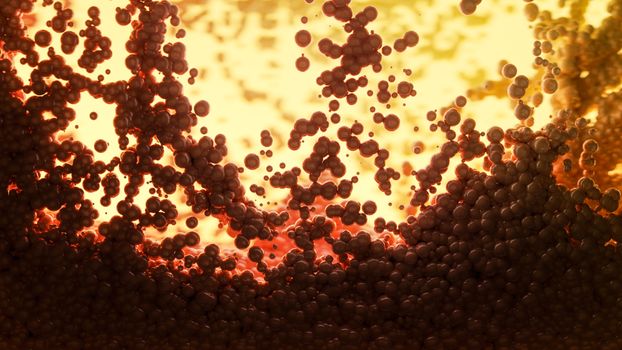 Photo: Marek Piwnicki / Pexels
From Reactor Core to Power Grid: The Conversion Process
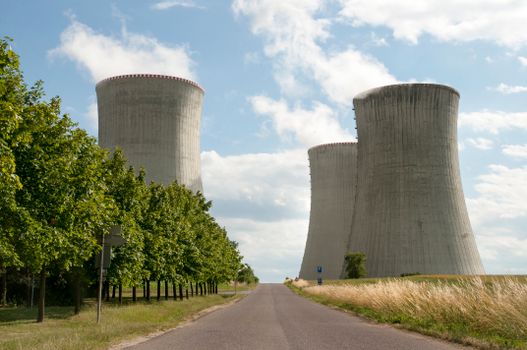 Photo: Vladimír Sládek / Pexels
Safety and Sustainability: Addressing Key Concerns of Nuclear Power
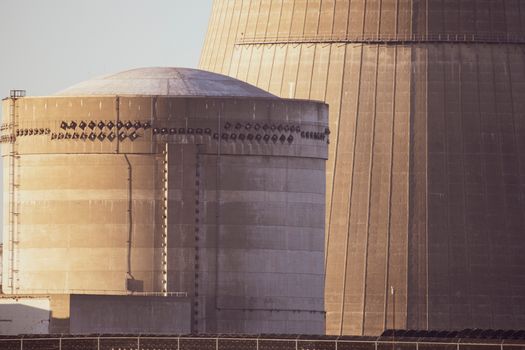 Photo: Sean P. Twomey / Pexels
Comparing Nuclear to Other Energy Sources: Benefits and Misconceptions
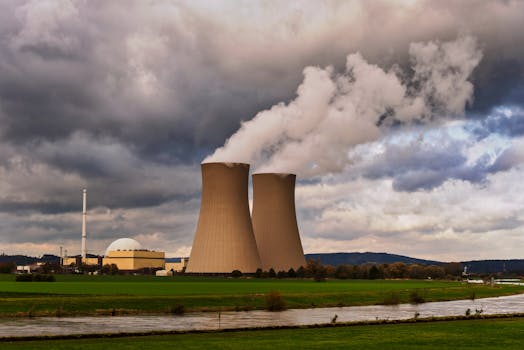 Photo: Wolfgang Weiser / Pexels
Comparison
| Feature | Nuclear | Solar PV | Coal | Natural Gas |
|---|---|---|---|---|
| Carbon Emissions (Operational) | None | None | High | Medium |
| Reliability (Baseload) | High | Low (Intermittent) | High | High |
| Fuel Cost Volatility | Low | None | Medium | High |
| Waste Byproduct | High-level radioactive (small volume) | Manufacturing waste, end-of-life panels | Ash, CO2, SOx, NOx | CO2, NOx |
| Land Footprint (per GWh) | Small | Large | Medium | Medium |
| Construction Time | Long | Short-Medium | Medium | Medium |
| Energy Density | Extremely High | Low | High | High |
What Readers Say
"Understanding how nuclear energy works has completely shifted my perspective. It's amazing to think about how much power comes from such tiny reactions, and knowing it's carbon-free during operation makes me feel optimistic about our energy future."
Evelyn R. · Charlotte, NC"This article clearly explained the complex process of nuclear fission and electricity generation. It demystified a lot of the technical jargon, making me appreciate the engineering behind nuclear power plants."
Marcus L. · Phoenix, AZ"After reading this, I have a much better grasp on the safety measures and the waste management strategies involved with nuclear energy. It's not as scary as some media portrays, and the benefits for clean air are substantial."
Sarah K. · Boise, ID"While the initial costs and waste disposal remain significant challenges, the article highlights the strong case for nuclear energy's role in a diversified, low-carbon grid. Its baseload reliability is a huge plus, especially with increasing renewable integration."
David P. · Houston, TX"As an environmental advocate, I've always been curious about nuclear power. This piece provided a balanced view, emphasizing its zero-emission operation and high energy output, which are crucial for fighting climate change effectively."
Jessica T. · Chicago, ILFrequently Asked Questions
What is the primary fuel used in nuclear power plants?
The primary fuel used in most nuclear power plants is uranium, specifically the isotope Uranium-235. Uranium-235 is fissile, meaning its nucleus can be split when struck by a neutron, releasing a tremendous amount of energy. Natural uranium is processed and enriched to increase the concentration of U-235 before being fabricated into fuel pellets.
Is nuclear energy safe, given past accidents like Chernobyl and Fukushima?
Modern nuclear energy is considered very safe due to stringent regulatory oversight, advanced engineering designs, and multiple layers of passive and active safety systems. While past accidents like Chernobyl (due to flawed reactor design and human error) and Fukushima (triggered by an extreme natural disaster) were tragic, they led to significant improvements in safety protocols and reactor technology globally. The industry has an excellent safety record compared to other energy sources.
How is nuclear waste managed?
Nuclear waste, primarily spent nuclear fuel, is initially stored on-site at power plants in specially designed cooling pools and then transferred to robust, dry storage casks. This waste is highly radioactive and requires long-term isolation. The ultimate goal is permanent disposal in deep geological repositories, a solution being pursued by several countries, though the US has yet to implement one.
How does the cost of nuclear energy compare to other sources?
Nuclear power plants have high upfront construction costs and long build times. However, once operational, their fuel costs are relatively low and stable, and they have very long operational lifespans. When considering the full lifecycle costs, including fuel, operation, maintenance, and decommissioning, nuclear energy can be competitive, especially when factoring in its carbon-free nature and baseload reliability.
How does nuclear energy compare to renewable energy sources like solar and wind?
Nuclear energy complements renewables well. While solar and wind are intermittent (dependent on weather), nuclear power provides reliable, 24/7 baseload electricity, independent of climate conditions. Both are carbon-free during operation. Nuclear has a smaller land footprint per unit of energy produced, while renewables often require more land. A diverse energy mix, including both nuclear and renewables, is key for a stable, decarbonized grid.
Who should consider supporting nuclear energy development?
Individuals, policymakers, and organizations concerned with climate change, energy independence, and reliable electricity supply should consider supporting nuclear energy development. It offers a proven, large-scale, carbon-free source of power that can significantly reduce reliance on fossil fuels and stabilize electrical grids, especially as demand for clean energy grows.
What are the risks of radiation exposure from nuclear power plants?
Under normal operating conditions, the risk of radiation exposure from nuclear power plants to the public is negligible, far below natural background radiation levels. Plants are designed with multiple layers of shielding and containment. Strict regulations ensure that any releases are well within safe limits, and continuous monitoring is in place to protect both workers and the surrounding environment.
What is the future outlook for nuclear energy?
The future outlook for nuclear energy is evolving, with renewed interest driven by climate change concerns. Next-generation technologies like Small Modular Reactors (SMRs) promise enhanced safety, smaller footprints, and lower construction costs, potentially making nuclear power more accessible and scalable. Research into advanced reactors that can recycle waste or operate on alternative fuels also points to a more sustainable and efficient future for nuclear power.
Delve deeper into the world of nuclear energy and its vital role in shaping a sustainable future. Understand the science, the safety, and the immense potential of atomic power to meet global energy demands while protecting our planet. Your journey to understanding how nuclear energy works begins here.