✓ The average Level 2 EV charger installation costs between $800 and $2,000, but can range from $400 to over $4,000.
✓ Factors like charger type, electrical panel capacity, wiring distance, and labor rates significantly impact the total cost.
✓ Federal tax credits (e.g., 30% up to $1,000) and state/local incentives can substantially reduce out-of-pocket expenses.
✓ DIY installation is generally not recommended for Level 2 chargers due to electrical safety and warranty concerns.
How It Works
1
Assess Your Needs
Determine your daily driving range, EV battery size, and preferred charging speed to select the right charger level. This initial assessment will guide your decisions on charger type and installation requirements.
2
Evaluate Your Home's Electrical System
An electrician will inspect your electrical panel's capacity and determine if upgrades are necessary for a Level 2 charger. This step is crucial for safety and efficient operation, often being a major cost driver.
3
Obtain Quotes and Permits
Gather multiple quotes from licensed electricians specializing in EV charger installations. Ensure they handle all necessary permits, as local regulations often require them for electrical work.
4
Professional Installation & Inspection
A qualified electrician performs the installation, ensuring compliance with all codes and safety standards. After installation, a final inspection may be required by local authorities before full operation.
Understanding the Core Factors Influencing Home EV Charger Installation Costs
Photo: Elite Power Group / Pexels
The journey to understanding your total install home EV charger cost begins with a deep dive into the various elements that dictate the final price tag. It's not a one-size-fits-all scenario, and myriad factors contribute to the wide range of potential expenses. At the forefront is the type of charger you choose. Level 1 chargers, which plug into a standard 120V household outlet, require virtually no installation cost beyond the charger itself, as they use existing infrastructure. However, their slow charging speed often makes them impractical for daily use for most EV owners. The real discussion around installation costs revolves around Level 2 chargers. These powerful units require a 240V circuit, similar to an electric dryer or oven, and are the most common choice for home charging due to their balance of speed and affordability. Level 3 DC fast chargers are typically reserved for commercial or public use due to their extremely high power requirements and prohibitive cost for residential installation. Therefore, when we discuss install home EV charger cost, we are primarily focusing on Level 2 installations.
The complexity of the installation is another significant cost driver. This hinges heavily on your home's existing electrical infrastructure. If your electrical panel has sufficient capacity and an available 240V circuit near your preferred charging location (e.g., garage), the installation will be relatively straightforward and less expensive. However, many homes, especially older ones, may require an electrical panel upgrade, which can add hundreds, if not thousands, of dollars to the total cost. This upgrade ensures your home's electrical system can safely handle the increased load from the EV charger without tripping breakers or causing other electrical issues. Furthermore, the distance between your electrical panel and the charging station location plays a crucial role. Longer runs of conduit and thicker gauge wire, necessary for safety and efficiency, mean more materials and increased labor time, directly impacting your overall expense. Obstacles like finished walls, concrete, or underground wiring can further complicate the installation, requiring more specialized tools and techniques, and thus higher labor costs. It's vital to have a qualified electrician assess your specific situation to get an accurate estimate. They can identify potential challenges and provide solutions that comply with local electrical codes. For more information on managing your home's electrical consumption, consider exploring resources on home energy management. Understanding these foundational elements is the first step towards an accurate budget for your EV charger installation.
Breaking Down the Average Install Home EV Charger Cost: What to Expect
Photo: Tim Mossholder / Pexels
When budgeting for your home EV charger, it's helpful to understand the average cost ranges for different components. On average, the total install home EV charger cost for a Level 2 unit in the US typically falls between $800 and $2,000. This range encompasses both the charger unit itself and the professional installation. However, it's not uncommon for costs to dip as low as $400 for a very simple installation with a basic charger, or soar above $4,000 for complex scenarios involving major electrical upgrades.
The charger unit itself, often called an Electric Vehicle Supply Equipment (EVSE), represents a significant portion of the cost. Basic Level 2 chargers can start from around $300-$500, offering essential charging functionality. More advanced models, which might include smart features like Wi-Fi connectivity, app control, scheduling, energy monitoring, and even integration with smart home systems or solar panels, can range from $600 to over $1,200. These premium features often justify the higher price tag by offering greater convenience, control, and potential for optimizing charging times to take advantage of off-peak electricity rates. When choosing a charger, consider not just the upfront cost but also the long-term benefits and compatibility with your vehicle and lifestyle.
Installation labor and materials constitute the other major component of the install home EV charger cost. This is where the variability truly comes into play. For a straightforward installation where the electrical panel is adequate and located close to the charging spot, labor might be in the $200-$500 range, plus a few hundred dollars for wiring, conduit, and a dedicated circuit breaker. However, if your electrical panel needs an upgrade to accommodate the new 240V circuit (e.g., increasing amperage or adding a subpanel), this can easily add $500 to $2,000 or more to the labor and materials cost. The distance of the wire run is another critical factor; longer distances require more materials and time, increasing costs. For instance, running conduit across a finished basement or through exterior walls is more labor-intensive than a direct line in an unfinished garage. Permitting fees, which are often required by local municipalities to ensure electrical work meets safety codes, typically range from $50 to $200 and are usually handled by the licensed electrician. Always ensure your chosen installer includes these fees in their quote. Understanding these individual cost components empowers you to critically evaluate bids from different contractors and make an informed decision for your home EV charging solution.
Leveraging Incentives and Tax Credits to Reduce Your EV Charger Costs
One of the most exciting aspects of investing in an EV charger is the opportunity to significantly reduce your out-of-pocket install home EV charger cost through various incentives. Both federal and state governments, along with some local utilities, offer programs designed to encourage EV adoption and the build-out of charging infrastructure. Missing out on these can mean leaving substantial savings on the table, so it's crucial to research what's available in your area.
The most prominent federal incentive is the Alternative Fuel Vehicle Refueling Property Credit. As of the current tax law (often extended), this credit typically allows you to claim 30% of the cost of qualified charging equipment and installation, up to a maximum of $1,000. This means if your charger and installation cost $3,000, you could receive a $900 tax credit. It's important to note that this is a tax credit, not a direct rebate, meaning it reduces your tax liability. You'll claim this when you file your federal income taxes. Always consult with a tax professional to ensure eligibility and proper filing. This credit applies to both the hardware cost and the labor associated with installing the charging station, making it a powerful tool for reducing your overall expense. Staying informed about current federal legislation is key, as these credits can be subject to change or expiration.
Beyond federal programs, state and local incentives can further sweeten the deal. Many states offer their own rebates or tax credits for EV charger purchases and installations. These can vary widely, from direct cash rebates of a few hundred dollars to significant credits that cover a substantial portion of the cost. For example, some states might offer a $500 rebate for the purchase of a Level 2 charger, while others might provide a credit for installation labor. Utility companies are also increasingly getting involved, recognizing the benefits of home charging for grid management. Many utilities offer programs such as off-peak charging rebates, discounted electricity rates for EV owners, or even direct rebates for smart chargers that allow them to manage demand during peak hours. Some utilities may even offer grants or incentives specifically for upgrading electrical panels to accommodate EV charging. To find out what's available in your specific location, a good starting point is to check your state's energy office website, the Department of Energy's Alternative Fuels Data Center, and your local electric utility's website. Combining these incentives can dramatically lower your effective install home EV charger cost, making the transition to home charging even more appealing. Don't forget that understanding energy efficiency tips can also help reduce your long-term operating costs.
Common Mistakes to Avoid and Expert Tips for a Smooth EV Charger Installation
Navigating the install home EV charger cost and process can be complex, but by being aware of common pitfalls and following expert advice, you can ensure a smooth, cost-effective, and safe installation. One of the biggest mistakes homeowners make is attempting a DIY installation for a Level 2 charger. While Level 1 chargers are plug-and-play, Level 2 units require a dedicated 240V circuit and significant electrical work. Improper installation can lead to safety hazards like electrical fires, damage to your vehicle's charging system, and voided warranties. Always hire a licensed and insured electrician who specializes in EV charger installations. They understand the specific requirements, local codes, and safety protocols.
Another frequent error is underestimating the need for electrical panel upgrades. Many older homes, or even newer ones with extensive electrical demands, may not have the spare capacity in their main electrical panel to accommodate a new 40-amp or 50-amp circuit for an EV charger. Failing to address this upfront can lead to tripped breakers, inconsistent charging, or even a hazardous situation. Always get a thorough electrical assessment from your chosen electrician before starting the project. This assessment will identify any necessary panel upgrades or subpanel installations, giving you a realistic picture of the total install home EV charger cost.
Here are some expert tips to ensure a successful installation:
* **Get Multiple Quotes:** Don't settle for the first estimate. Contact at least three licensed electricians to get comparative bids. Ensure each quote is detailed, itemizing the charger unit, labor, materials, permits, and any potential electrical upgrades.
* **Verify Credentials:** Always check that the electrician is licensed, insured, and has specific experience with EV charger installations. Ask for references and check online reviews.
* **Consider Future Needs:** While you might currently own an EV with a smaller battery, consider if you might upgrade to a vehicle with a larger battery or faster charging capabilities in the future. Installing a charger with a higher amperage capacity (e.g., 48 amps) now, even if your current EV doesn't fully utilize it, can save you from costly upgrades later.
* **Optimize Placement:** Think about where you park your EV most often. Placing the charger strategically can minimize cable length requirements and improve convenience. Consider whether an indoor (garage) or outdoor (driveway) installation is best, and discuss weatherproofing needs with your electrician.
* **Research Incentives Early:** As discussed, federal, state, and utility incentives can significantly reduce your costs. Research these programs before purchasing your charger or starting installation, as some may have specific requirements for eligible equipment or installers.
* **Understand Permitting:** Ensure your electrician handles all necessary permits. This protects you by ensuring the work meets local safety and electrical codes, which is vital for insurance purposes and future home sales. Work performed without permits can lead to fines and require costly re-dos.
By following these tips, you can avoid common pitfalls and ensure a safe, efficient, and cost-effective home EV charger installation that serves your needs for years to come.
Comparison
Feature
Level 2 Charger (Typical)
Level 1 Charger (Basic)
DC Fast Charger (Commercial)
Charging Speed (Miles/Hr)
20-40 miles/hr
3-5 miles/hr
100-1000+ miles/hr
Voltage Requirement
240V (Dedicated Circuit)
120V (Standard Outlet)
480V+ (Industrial)
Charger Unit Cost
$300 - $1,200+
$0 - $200 (often included)
$10,000 - $50,000+
Installation Cost
$400 - $4,000+
$0 (DIY)
Prohibitive for home
Electrical Upgrade Likelihood
✓ (Possible)
✗ (Rarely)
✓ (Extensive)
Home Suitability
✓ (Ideal)
✓ (Backup/Occasional)
✗ (Not practical)
What Readers Say
★★★★★
"The install home EV charger cost was exactly as quoted, no hidden fees. The electrician was professional and explained everything thoroughly, making the process stress-free. I'm now charging my Tesla effortlessly every night!"
Sarah J. · Austin, TX
★★★★★
"I was worried about the cost of upgrading my electrical panel, but the federal tax credit and state rebate made the install home EV charger cost much more manageable. Best decision for my new Rivian."
Mark D. · Seattle, WA
★★★★★
"After getting three bids, I chose a local company that offered a fair install home EV charger cost and had great reviews. They completed the work in half a day, and my Bolt is always ready to go."
Emily R. · Orlando, FL
★★★★★
"The installation went smoothly, though the initial install home EV charger cost was a bit higher than I anticipated due to a longer wire run. Still, the convenience of home charging is absolutely worth it."
David L. · Denver, CO
★★★★★
"As a busy professional, I needed a reliable home charging solution. The team not only handled the install home EV charger cost transparently but also guided me through claiming my incentives. Excellent service!"
Jessica M. · Boston, MA
Frequently Asked Questions
What is the average install home EV charger cost for a Level 2 unit?
The average install home EV charger cost for a Level 2 unit, including the charger and installation, typically ranges from $800 to $2,000. This can vary significantly based on your home's existing electrical infrastructure, the complexity of the installation, and the specific charger model chosen. More complex installations requiring electrical panel upgrades can push costs higher.
Do I need an electrician to install a home EV charger?
Yes, for a Level 2 home EV charger, it is highly recommended and often legally required to hire a licensed electrician. Level 2 chargers require a dedicated 240-volt circuit, which involves complex electrical work that should only be performed by a qualified professional to ensure safety, compliance with codes, and proper functionality. DIY installation can be dangerous and void warranties.
How long does it take to install a home EV charger?
A standard Level 2 home EV charger installation typically takes a licensed electrician 2 to 4 hours to complete. However, if electrical panel upgrades, extensive wiring runs, or complex routing through walls are required, the installation time can extend to a full day or even multiple days. It's best to get an estimate from your electrician after an on-site assessment.
Is the install home EV charger cost worth it compared to public charging?
For most EV owners, the install home EV charger cost is absolutely worth it. While public charging can be convenient for travel, home charging offers unparalleled daily convenience, lower per-mile costs (especially with off-peak rates), and ensures your vehicle is always topped up overnight. The long-term savings on public charging fees and the added convenience often outweigh the initial installation expense.
Can I get a tax credit or rebate for my EV charger installation?
Yes, many homeowners are eligible for federal tax credits, state rebates, and local utility incentives to help offset the install home EV charger cost. The federal Alternative Fuel Vehicle Refueling Property Credit can offer up to 30% of the cost (up to $1,000). Research programs specific to your region and consult with a tax professional to maximize your savings.
What's the difference between Level 1, Level 2, and Level 3 charging for home use?
Level 1 uses a standard 120V outlet (slowest, no installation cost). Level 2 uses a 240V dedicated circuit (most common for home, moderate install home EV charger cost, faster charging). Level 3 (DC Fast Charging) is typically for public/commercial use due to extremely high power and prohibitive costs for residential installation.
What if my electrical panel isn't strong enough for an EV charger?
If your electrical panel lacks the capacity for a Level 2 EV charger, an electrician will recommend an upgrade. This could involve increasing the main breaker's amperage, installing a subpanel, or replacing the entire main panel. This is a common situation, especially in older homes, and will add to the overall install home EV charger cost, but is essential for safe and reliable operation.
Will EV charging technology change, making my current charger obsolete?
While EV charging technology continues to evolve, a well-installed Level 2 charger (especially one with smart features) is likely to remain relevant for many years. The basic 240V charging standard is robust. Future advancements might bring faster charging or bidirectional capabilities, but your Level 2 charger will still be fully functional for daily charging needs.
Ready to enjoy the convenience and savings of home EV charging? Don't let the potential install home EV charger cost deter you. By understanding the factors, leveraging available incentives, and choosing the right professionals, you can make this essential upgrade confidently. Get started today by requesting a professional assessment and quote for your home EV charger installation.
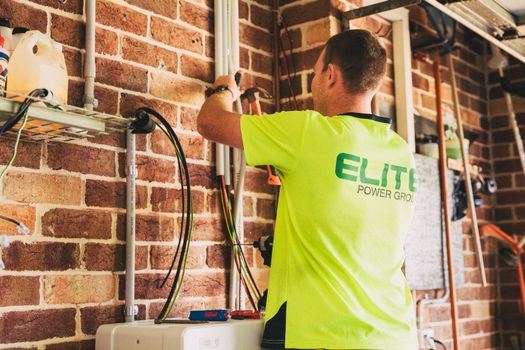 Photo: Elite Power Group / Pexels
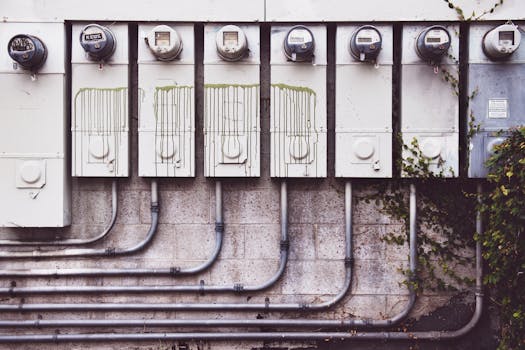 Photo: Tim Mossholder / Pexels