✓ A typical US household spends over $2,000 annually on energy, much of which is wasted.
✓ Professional energy audits can identify up to 30% or more in potential energy savings.
✓ Many utility companies and states offer rebates and incentives for energy efficiency upgrades.
✓ An energy audit provides a comprehensive report outlining specific recommendations and their estimated ROI.
How It Works
1
Initial Consultation & Data Gathering
A certified auditor discusses your energy concerns, reviews past utility bills, and gathers information about your home's construction and appliances. This helps tailor the assessment to your specific needs and identifies areas of focus.
2
On-Site Home Assessment
The auditor conducts a thorough inspection of your home, utilizing specialized tools like blower doors and infrared cameras. They examine insulation, HVAC systems, windows, doors, and potential air leaks.
3
Analysis & Report Generation
Data collected during the assessment is analyzed to pinpoint energy inefficiencies and quantify potential savings. A detailed report is then compiled, outlining recommended upgrades, their estimated costs, and projected energy reductions.
4
Recommendations & Implementation Guidance
The auditor presents the report, explaining findings and answering your questions. They provide guidance on prioritizing upgrades, accessing financial incentives, and connecting with qualified contractors for implementation.
Understanding the Value of a Home Energy Assessment
Photo: Centre for Ageing Better / Pexels
In an era where sustainability and cost-efficiency are paramount, understanding your home's energy consumption is no longer a luxury but a necessity. An energy audit for homes in the US provides a crucial roadmap to achieving both. Far more than just a quick walk-through, a professional home energy assessment is a systematic evaluation of your home's energy performance, identifying where and how energy is being wasted. This comprehensive analysis goes beyond superficial observations, delving into the structural integrity, mechanical systems, and behavioral patterns that influence your utility bills. Many homeowners are surprised to learn that significant energy loss often occurs in unexpected places, such as poorly sealed ductwork, inadequate attic insulation, or inefficient windows that appear perfectly fine to the naked eye. Without a professional assessment, these hidden culprits continue to drain your finances and compromise your indoor comfort.
The value derived from a home energy assessment extends far beyond mere cost savings. While financial benefits are a primary motivator – with potential reductions of 10-30% or more on annual energy bills – the improvements in indoor air quality, thermal comfort, and the overall longevity of your home are equally compelling. Imagine a home free from drafts, with consistent temperatures across all rooms, and reduced humidity levels. These are direct outcomes of addressing the inefficiencies an energy audit uncovers. Furthermore, enhancing your home's energy efficiency contributes positively to its market value, making it a more attractive and sustainable asset. In the US, where energy costs fluctuate and environmental concerns grow, investing in an energy audit is an investment in your property's future and your family's well-being. It empowers you with actionable data, moving beyond guesswork to precise, data-driven solutions. Organizations like the Department of Energy and ENERGY STAR actively promote these audits, recognizing their critical role in national energy conservation efforts. For more insights into broader energy trends, explore our resources on sustainable energy solutions.
The Comprehensive Process of a Residential Energy Audit
Photo: Alex Bian / Pexels
A thorough residential energy audit is a multi-faceted process, employing advanced tools and expert knowledge to reveal your home's energy footprint. It typically begins with a detailed interview where the auditor gathers information about your energy usage habits, any existing comfort issues, and your average utility bills over the past year. This historical data provides a baseline and helps pinpoint peak consumption periods. Following this, the on-site inspection commences, which is far more scientific than a simple visual check. Key tests performed include the blower door test, which depressurizes your home to exaggerate air leaks, making them easier to detect with smoke pencils or thermal cameras. The results of this test quantify your home's overall airtightness, a crucial factor in energy efficiency.
Infrared thermography is another powerful tool used during the audit. An infrared camera detects temperature differences on surfaces, revealing areas of missing or inadequate insulation, air infiltration, and moisture problems not visible to the human eye. This allows the auditor to accurately map out heat loss or gain through walls, ceilings, and floors. Beyond these diagnostic tools, the auditor meticulously inspects your HVAC system, including furnaces, air conditioners, and ductwork, checking for proper sizing, efficiency ratings, and leaks. Water heaters, major appliances, windows, doors, and lighting systems are also evaluated for their energy consumption. The auditor will also assess your home's insulation levels in the attic, walls, and crawl spaces, comparing them against recommended R-values for your specific climate zone in the US. Each component is scrutinized for its potential impact on your home's overall energy performance, and the auditor compiles a detailed inventory of findings. This comprehensive approach ensures that no stone is left unturned in identifying opportunities for energy improvement.
Uncovering Common Energy Waste and Solutions
Photo: Michael / Pexels
Many homeowners are surprised to learn that a significant portion of their energy bill isn't due to appliance use, but rather to preventable energy waste. Air leaks are perhaps the most common culprits, accounting for a substantial percentage of heat loss in winter and heat gain in summer. These leaks occur around windows, doors, electrical outlets, plumbing penetrations, and attic hatches. A professional energy audit will pinpoint these specific locations, allowing for targeted sealing with caulk, weatherstripping, or spray foam. Addressing these leaks can dramatically improve comfort and reduce the workload on your HVAC system. Another major source of waste is inadequate insulation. Attics, walls, and crawl spaces often lack sufficient insulation, or the existing insulation may be improperly installed, compressed, or damaged, leading to significant thermal bridging and heat transfer. Upgrading insulation to recommended R-values, particularly in the attic, is one of the most cost-effective energy efficiency improvements.
Inefficient heating and cooling systems are also significant energy hogs. Older furnaces, air conditioners, and heat pumps often operate at much lower efficiencies than modern, ENERGY STAR-rated units. An energy audit evaluates the age, condition, and efficiency of your HVAC system, and may recommend maintenance, repairs, or replacement. Ductwork leaks, often located in unconditioned spaces like attics or crawl spaces, can lead to 20-30% of conditioned air being lost before it even reaches your living spaces. Sealing and insulating ducts is a critical step in optimizing HVAC performance. Furthermore, inefficient windows and doors, especially single-pane options, contribute to substantial heat transfer. While replacing them can be a significant investment, an audit will help you weigh the cost-benefit analysis. Finally, inefficient lighting and appliances, while individually small, collectively add to energy waste. Upgrading to LED lighting and ENERGY STAR appliances offers long-term savings. The audit provides a clear prioritization of these issues, detailing which improvements offer the best return on investment for your specific home. Understanding the broader context of energy consumption is key, and our article on home energy savings offers additional perspectives.
Maximizing Your Investment: Tips for a Successful Energy Audit and Upgrade Journey
Photo: Riki Risnandar / Pexels
To get the most out of your energy audit for homes in the US, preparation is key. Before the auditor arrives, gather your past 12-24 months of utility bills (electricity, gas, oil). This historical data is invaluable for understanding your baseline energy consumption and identifying seasonal trends. Make a list of any specific comfort issues you experience, such as cold spots, drafts, or rooms that are difficult to heat or cool. Also, note any visible signs of moisture, mold, or condensation. Clearing access to your attic, crawl spaces, and utility closets will save time during the audit and ensure a thorough inspection. Being present during the audit allows you to ask questions and gain a deeper understanding of your home's energy performance.
After receiving your detailed audit report, take time to review it carefully. Prioritize the recommendations based on the auditor's suggestions for highest impact and fastest payback. Look into federal, state, and local incentives, rebates, and tax credits available for energy efficiency upgrades; these can significantly reduce your out-of-pocket expenses. Many utility companies in the US offer their own programs. When selecting contractors for upgrades, get multiple bids and ensure they are licensed, insured, and experienced in energy efficiency improvements. Don't hesitate to ask for references. Finally, consider a post-upgrade re-assessment or follow-up to verify the effectiveness of the improvements and quantify your new, lower energy consumption. This entire process, from initial audit to verified savings, ensures you maximize your investment in a more comfortable, efficient, and valuable home.
Key mistakes to avoid:
* Ignoring the auditor's recommendations: The report is a roadmap; follow it.
* Not utilizing available incentives: These can make upgrades much more affordable.
* Hiring unqualified contractors: Poor installation negates the benefits.
* Focusing only on the most expensive upgrades first: Low-cost measures often have rapid paybacks.
* Skipping the pre-audit preparation: It can lead to an incomplete assessment.
Comparison
Feature
Professional Energy Audit
DIY Energy Audit
Utility Company Audit
Depth of Analysis
Comprehensive (Blower Door, Thermal Camera)
Basic visual inspection
Varies, often limited
Accuracy of Findings
High, diagnostic tools
Low, subjective
Moderate to high, depending on program
Cost
Typically $300-$700
Free (time investment)
Often free or low-cost
Report Detail
Detailed, prioritized recommendations
Limited, general advice
Variable, sometimes basic
Access to Rebates/Incentives
Often a prerequisite for major incentives
Rarely qualifies directly
Often linked to specific utility programs
Expertise
Certified energy professionals
Homeowner's knowledge
Utility-trained technicians
Time Commitment
2-4 hours on-site
Ongoing, as homeowner permits
1-2 hours on-site
What Readers Say
★★★★★
"The energy audit for our home in US was incredibly eye-opening. We thought we were efficient, but the auditor found major air leaks in our attic that were costing us a fortune. Our AC runs so much less now!"
Sarah J. · Austin, TX
★★★★★
"Highly recommend this service! The report was clear, detailed, and prioritized the improvements. We've already seen a 15% drop in our heating bill thanks to their recommendations."
Michael R. · Denver, CO
★★★★★
"Our old house always had cold spots. After the energy audit for our home in US, we sealed some ducts and added insulation. The house is finally comfortable everywhere, and our energy bills are significantly lower. Best investment this year!"
Emily L. · Seattle, WA
★★★★★
"The audit was thorough, though some recommendations were more expensive than we anticipated. However, the auditor helped us find rebates that made the window upgrades feasible. Good value overall."
David K. · Miami, FL
★★★★★
"As a new homeowner, I wanted to understand my home's efficiency. The energy audit for my US home gave me peace of mind and a clear plan for future improvements. The thermal imaging was fascinating to see."
Jessica T. · Boston, MA
Frequently Asked Questions
What is the typical cost of an energy audit for homes in the US?
The cost of a professional energy audit in the US typically ranges from $300 to $700, depending on the size of your home, its complexity, and the level of detail provided. Some utility companies or state programs may offer free or reduced-cost audits, so it's always worth checking for local incentives.
Will an energy audit really save me money on my utility bills?
Yes, absolutely. A professional energy audit identifies specific areas of energy waste in your home, providing actionable recommendations for improvement. Many homeowners report savings of 10-30% or more on their annual utility bills after implementing the suggested upgrades, often with a quick return on investment.
How long does a typical home energy audit take?
An on-site professional energy audit usually takes between 2 to 4 hours, depending on the size and complexity of your home. This includes the initial consultation, diagnostic testing like blower door and thermal imaging, and a thorough visual inspection of all relevant systems and structures.
Are there any government incentives or rebates for energy efficiency upgrades in the US?
Yes, both federal and state governments, as well as many local utility companies, offer a variety of incentives, rebates, and tax credits for homeowners who make energy efficiency improvements. These can significantly reduce the cost of upgrades like insulation, HVAC replacement, and window upgrades. Your energy auditor can often guide you to relevant programs.
How does a professional energy audit differ from a DIY energy audit?
While a DIY audit can help identify obvious issues, a professional energy audit uses specialized tools like blower doors and infrared cameras to detect hidden air leaks and insulation deficiencies that are impossible to find otherwise. Professionals also provide a detailed, prioritized report with estimated savings and expertise in building science.
Who should consider getting an energy audit for their home in the US?
Anyone experiencing high utility bills, inconsistent indoor temperatures, drafts, or looking to reduce their environmental footprint should consider an energy audit. It's particularly beneficial for owners of older homes, those planning renovations, or individuals wanting to maximize comfort and reduce long-term energy costs.
Is an energy audit safe for my home and family?
Yes, a professional energy audit is completely safe. Certified energy auditors are trained to conduct tests like the blower door test responsibly, ensuring no harm to your home or its occupants. They also look for potential safety hazards related to combustion appliances, carbon monoxide, and moisture, contributing to a healthier living environment.
What are the future trends in home energy efficiency in the US?
Future trends in US home energy efficiency include increased integration of smart home technology for energy management, widespread adoption of renewable energy sources like solar, and the continued development of highly efficient building materials and HVAC systems. The focus will increasingly be on 'net-zero' homes that produce as much energy as they consume.
Ready to transform your home into an energy-efficient haven? An energy audit for homes in the US is the first, most crucial step. Take control of your utility bills, enhance your comfort, and contribute to a sustainable future by scheduling your professional energy assessment today.

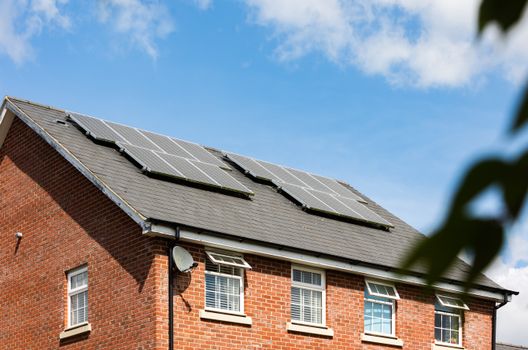 Photo: Centre for Ageing Better / Pexels
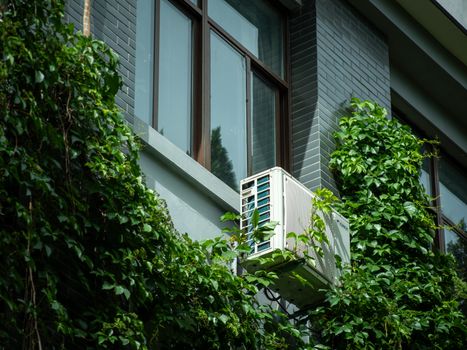 Photo: Alex Bian / Pexels
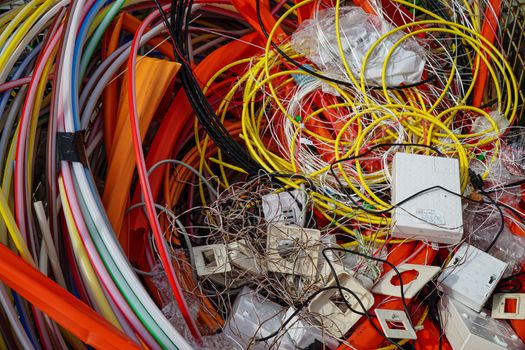 Photo: Michael / Pexels
 Photo: Riki Risnandar / Pexels