Boost Home Value: Install Energy Efficient Windows
Upgrade your home's performance and curb appeal with modern, energy-saving windows, ensuring comfort and significant utility savings.
Get a Free QuoteKey Takeaways
- ✓ Energy efficient windows can reduce heating and cooling costs by 15-25%.
- ✓ Proper installation is as crucial as the window's quality for optimal performance.
- ✓ Federal tax credits and local rebates are available for qualifying energy-efficient window installations.
- ✓ Modern windows offer enhanced soundproofing and UV protection in addition to thermal benefits.
How It Works
Identify drafts, condensation, and high energy bills as signs your old windows are failing. A professional energy audit can pinpoint specific areas of heat loss.
Research window types (vinyl, wood, fiberglass), glazing options (double, triple pane), and energy ratings (U-factor, SHGC) to match your climate and budget. Consult with a reputable window professional for personalized recommendations.
Obtain multiple quotes from certified and insured contractors specializing in energy-efficient window installation. Verify their experience, references, and warranties to ensure a professional job.
After installation, experience immediate improvements in home comfort, reduced noise, and lower energy bills. Remember to register your warranty and explore available tax credits or rebates.
Understanding the Benefits of Energy-Saving Windows
 Photo: Kindel Media / Pexels
Beyond the immediate financial gains, these windows dramatically enhance indoor comfort. Gone are the days of drafty rooms near windows or uncomfortable temperature fluctuations. Advanced glazing technologies, such as Low-E coatings and inert gas fills (argon or krypton) between panes, prevent cold spots in winter and excessive heat gain in summer. This creates a more consistent and pleasant living environment throughout your home, regardless of the outdoor weather. Furthermore, the improved insulation offered by these windows often results in a noticeable reduction in outside noise. If you live near a busy street, airport, or noisy neighbors, the quiet sanctuary created by new windows can be a significant quality-of-life improvement. This sound dampening effect is a welcome, often unexpected, bonus for many homeowners.
Another compelling benefit is the protection of your home's interior. Ultraviolet (UV) rays streaming through standard windows can cause significant fading and damage to furniture, carpets, artwork, and even hardwood floors over time. Many energy-efficient windows come with Low-E coatings that block a substantial portion of these harmful UV rays, preserving the longevity and vibrancy of your interior furnishings. This protective quality helps maintain your home's aesthetic appeal and value. From a broader perspective, choosing to install energy efficient windows contributes to a reduced carbon footprint. By consuming less energy, your household contributes less to greenhouse gas emissions, aligning with growing environmental consciousness. This eco-friendly aspect can also appeal to potential buyers should you decide to sell your home in the future, as energy efficiency is increasingly a key selling point. The long-term durability and low maintenance of modern windows also add to their appeal, often coming with extensive warranties that provide peace of mind for decades. For more insights on general home energy improvements, check out our guide on optimizing home energy usage.
Key Factors When Choosing Energy Efficient Windows
 Photo: Nothing Ahead / Pexels
Another crucial consideration is the type of glazing. Double-pane windows are the standard for energy efficiency, featuring two panes of glass separated by a sealed air or gas-filled space. Triple-pane windows offer even greater insulation, ideal for extremely cold climates or for homeowners seeking maximum sound reduction. The space between the panes is often filled with inert gases like argon or krypton, which are denser than air and further reduce heat transfer. Low-emissivity (Low-E) coatings are microscopic, transparent metal layers applied to the glass surface. These coatings reflect infrared light, keeping heat inside during winter and outside during summer, without significantly affecting visible light transmission. The placement of the Low-E coating (e.g., on surface 2 or 3 of a double-pane unit) can be optimized for specific climates.
Frame materials also play a significant role in overall window performance and durability. Vinyl frames are popular due to their excellent insulation properties, low maintenance, and affordability. They are also highly resistant to moisture and rot. Wood frames offer a classic aesthetic and good natural insulation, but require more maintenance and can be more expensive. Aluminum frames are durable and strong but are poor insulators unless they incorporate thermal breaks. Fiberglass frames are an excellent, albeit more expensive, option, offering superior strength, durability, and insulation, with minimal maintenance. Composite frames combine materials to leverage the best properties of each, often resulting in high-performance and durable windows. Understanding these components and their interplay is essential for making an informed decision that will serve your home's energy needs for decades to come. Don't hesitate to ask your contractor for detailed explanations of these ratings and materials.
The Installation Process: What to Expect When You Install Energy Efficient Windows
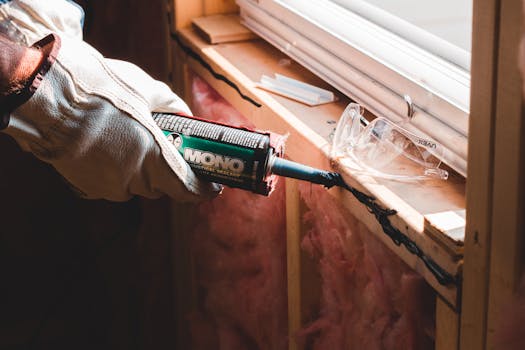 Photo: Erik Mclean / Pexels
On the day of installation, the crew will typically start by preparing the work area, covering floors and furniture to protect them from dust and debris. The old windows are then carefully removed. This involves detaching the sashes and frames, often requiring some demolition of surrounding trim. Once the old window is out, the opening is cleaned and prepared. This preparation is vital: the rough opening must be level, square, and plumb. Any irregularities are addressed to ensure the new window sits correctly. Flashing tape or other moisture barriers are applied around the opening to prevent water infiltration, a critical step often overlooked by less experienced installers. This creates a weather-tight seal that protects your home from the elements.
Next, the new window unit is carefully placed into the prepared opening. It is then leveled and squared precisely before being secured to the house frame with screws or nails. Shims are often used to ensure the window is perfectly aligned and operates smoothly. Once secured, the gaps between the new window frame and the rough opening are filled with insulation, typically low-expansion spray foam. This foam creates an airtight seal, preventing drafts and heat loss. After insulation, interior and exterior trim pieces are installed to provide a finished look and further seal the window. Exterior caulk is applied around the window perimeter to create a waterproof barrier. Finally, the installer will test each window to ensure it opens, closes, and locks properly. They should also clean up the work area, removing all debris and old window components. A reputable installer will walk you through the operation and maintenance of your new windows and explain warranty details. For more information on maintaining your home's overall efficiency, explore our resources on sustainable living practices.
Common Mistakes to Avoid When Installing Energy Efficient Windows
Photo: Kindel Media / Pexels
- Choosing the Cheapest Option Over Value: While budget is important, opting for the lowest bid without scrutinizing the quality of windows or the installer's reputation is a recipe for disappointment. Cheap windows often have inferior materials, poor energy ratings, and shorter lifespans. Similarly, an inexperienced installer can compromise even the best windows. Always prioritize value, looking for a balance of quality products, expert installation, and a fair price.
- Ignoring NFRC Labels and Energy Star Ratings: These labels are your best friends when selecting windows. The National Fenestration Rating Council (NFRC) provides objective performance ratings (U-factor, SHGC, Visible Transmittance, Air Leakage). Energy Star certification means a window meets strict energy efficiency guidelines set by the EPA. Ignoring these means you're guessing at performance.
- DIY Installation Without Experience: While some homeowners are adept at DIY, window installation is a complex job requiring precision, specialized tools, and knowledge of flashing, sealing, and leveling. Improper installation can lead to drafts, water leaks, structural damage, and voided warranties. For energy-efficient windows, professional installation is almost always recommended to ensure optimal performance.
- Not Verifying Contractor Credentials: Always check if your contractor is licensed, bonded, and insured. Ask for references and check online reviews. A reputable contractor will provide clear contracts, detailed warranties, and proof of insurance, protecting you from liability and ensuring quality workmanship.
- Failing to Understand Warranties: Window warranties vary significantly. Understand what parts are covered (glass, frame, hardware), for how long, and what voids the warranty. Also, clarify if the warranty is transferable if you sell your home. A strong warranty is a testament to the manufacturer's and installer's confidence in their product and work.
- Overlooking Local Building Codes and Permits: Depending on your location, window replacement might require permits or adherence to specific building codes. A professional installer should be knowledgeable about these requirements and handle the necessary paperwork.
Comparison
| Feature | Vinyl (Best Value) | Fiberglass (Premium) | Wood (Traditional) |
|---|---|---|---|
| U-Factor Range | 0.20 - 0.30 | 0.18 - 0.28 | 0.22 - 0.35 |
| SHGC Range | 0.20 - 0.40 | 0.19 - 0.35 | 0.25 - 0.45 |
| Maintenance | Very Low | Very Low | High |
| Durability | Good | Excellent | Good (with care) |
| Cost (per window) | $300 - $800 | $600 - $1200 | $500 - $1000 |
| Insulation | Excellent | Superior | Good (natural) |
| Paintable | ✗ | ✓ | ✓ |
What Readers Say
"We decided to install energy efficient windows last summer, and the difference is incredible. Our AC runs less, and the house stays so much cooler. Highly recommend this upgrade!"
Sarah J. · Austin, TX"The new windows not only look fantastic but have virtually eliminated the drafts we used to experience. Our heating bills have noticeably dropped since we chose to install energy efficient windows."
Mark D. · Boston, MA"After installing energy efficient windows, our energy consumption dropped by 20% according to our utility bills. The quietness inside our home is an unexpected bonus too!"
Emily R. · Denver, CO"The installation process was a bit longer than expected due to some unforeseen structural issues, but the crew handled it professionally. The windows themselves are excellent, and we're already seeing energy savings."
David L. · Portland, OR"Living in Florida, managing heat gain is crucial. These energy-efficient windows with low SHGC have made our home significantly more comfortable and reduced our cooling costs dramatically."
Jessica M. · Miami, FLFrequently Asked Questions
How much can I save by installing energy efficient windows?
Savings vary based on your climate, existing windows, and the type of new windows installed, but homeowners typically see a 15-25% reduction in heating and cooling costs. In some cases, savings can be even higher, especially if replacing very old, inefficient windows.
Are energy efficient windows worth the investment?
Absolutely. Beyond the significant energy savings that pay back the initial investment over time, they also increase home comfort, reduce noise, protect interiors from UV damage, and boost your home's resale value. Many homeowners consider them one of the best home improvement investments.
How do I choose the right type of energy efficient window for my home?
Consider your climate, budget, and aesthetic preferences. Focus on the U-factor (for insulation) and SHGC (for solar heat gain). Consult with a certified window professional who can assess your home's specific needs and recommend the best frame materials and glazing options.
What is the average cost to install energy efficient windows?
The cost can vary widely based on window type, size, frame material, glazing options, and labor rates in your region. On average, you might expect to pay between $300 to $1,200 per window, including installation. Obtaining multiple quotes is always recommended.
How do energy efficient windows compare to just adding storm windows?
While storm windows can offer some improvement by adding an extra layer of insulation, they generally do not provide the same level of energy efficiency, noise reduction, or UV protection as modern, properly installed energy-efficient windows. New windows offer a complete, integrated solution.
Who should consider installing energy efficient windows?
Anyone experiencing high energy bills, drafts, uncomfortable indoor temperatures, excessive outside noise, or faded furnishings due to sun exposure should consider this upgrade. Homeowners looking to increase their home's value and reduce their environmental footprint are also prime candidates.
Is there a risk of condensation with new energy efficient windows?
Modern energy-efficient windows are designed to minimize condensation on the interior glass surface by keeping it warmer. However, condensation can still occur if indoor humidity levels are extremely high. This usually indicates an indoor air quality issue rather than a window defect.
What are the future trends in energy efficient window technology?
Future trends include smart windows that can dynamically tint or change opacity, vacuum-insulated glazing for even higher R-values, and windows integrated with solar energy generation or advanced ventilation systems. Expect continued innovation in materials and smart home integration.
Ready to transform your home's comfort, reduce energy bills, and boost its value? Take the first step to install energy efficient windows today by connecting with certified professionals for a personalized consultation and quote.